
Welcome to Ask A Stager, your premier destination for expert home staging advice tailored specifically for real estate professionals. In today’s competitive property market, enhancing the visual appeal of your listings and captivating target buyers is paramount. This column is designed to be your go-to resource, offering innovative strategies and practical solutions to elevate your properties. No matter the complexity, from minor cosmetic tweaks to full-scale transformations, Ask A Stager provides free, invaluable insights to help you achieve faster sales and higher returns. We believe that if it’s about elevating real estate, it’s a question worth asking!
We invite you to submit your staging-related questions directly to our expert stager. Your queries drive our content, ensuring we address the topics most relevant to your success. Email your questions to [email protected].
Maximize Your Home Sale: Understanding Home Staging Costs and Who Should Pay
In this week’s comprehensive column, we delve into two of the most frequently asked and crucial topics in real estate staging: a detailed breakdown of what factors contribute to professional home staging costs, and the often-debated question of whether the seller or the agent should cover these expenses. Understanding these aspects is key to effectively positioning your properties for success and ensuring a smooth, profitable transaction in any market.
1. Demystifying Home Staging Costs: What Goes Into Professional Property Transformation?
In the dynamic and competitive landscape of real estate, professional home staging has evolved from a luxury service to an essential marketing strategy for sellers aiming to maximize their property’s market appeal and value. While the concept of staging is widely accepted as beneficial, the specifics of its associated costs can sometimes be a mystery. Let’s unravel the various elements that contribute to the overall cost of home staging, offering clarity and demonstrating the inherent value each component brings.
Strategic Consultation and Tailored Planning
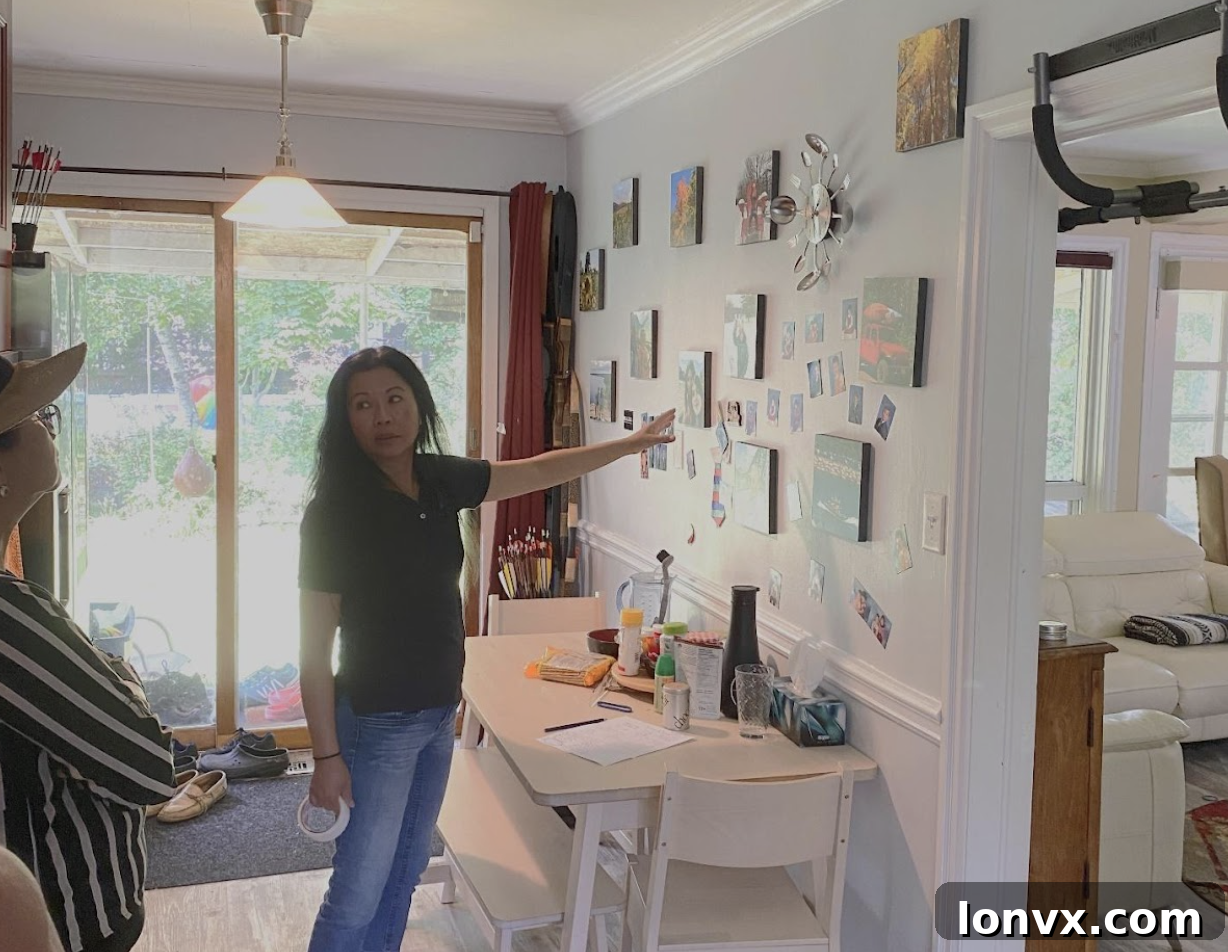
The journey of professional home staging begins long before any furniture is moved into a property. It starts with an in-depth consultation. During this crucial initial phase, a professional stager thoroughly assesses the property, considering its architectural style, unique features, existing furnishings (if occupied), and potential challenges. This involves a comprehensive walk-through, detailed note-taking, and an open discussion with the homeowner and agent to understand their specific goals, the property’s target buyer demographic, and the desired aesthetic. The stager then leverages their extensive expertise in design principles, current market trends, and buyer psychology to develop a bespoke staging plan. This strategic blueprint outlines specific recommendations for furniture placement, color palettes, lighting, decluttering strategies, minor repairs, and any necessary updates. This meticulous planning is invaluable, setting the stage for a transformation that resonates deeply with potential buyers and ensures every dollar spent is impactful and goal-oriented.
Curated Furniture and Accessory Inventory
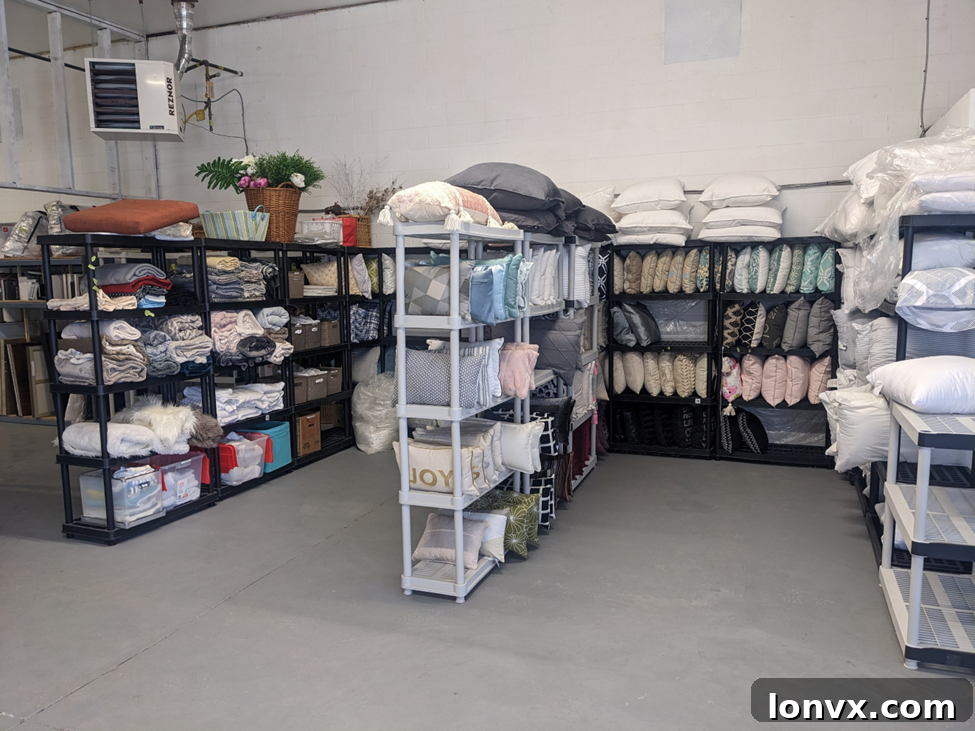
One of the most substantial components of staging costs involves the sourcing, selection, and rental of an extensive collection of furniture and accessories. This is where a property truly comes to life and transitions from a mere house into a desirable home. Professional stagers maintain a vast inventory of high-quality sofas, chairs, dining sets, beds, rugs, artwork, lighting fixtures, decorative items, and soft furnishings. Each piece is meticulously chosen to complement the home’s existing style or establish a new, appealing aesthetic, enhance its best features, and specifically appeal to the target demographic, creating an aspirational lifestyle for prospective buyers.
The quantity and type of furnishings required significantly impact the overall cost. Vacant properties, for instance, demand a complete furnishing solution for every key room, often encompassing entire living room sets, dining room arrangements, and bedroom ensembles, necessitating a higher investment. In contrast, occupied homes may only require selective additions, reconfigurations, or removal of existing items, making the cost potentially lower. The sheer volume and quality of the inventory brought into a home can represent tens of thousands of dollars in retail value, underscoring the significant financial investment staging companies make in maintaining their diverse and up-to-date collections. Factors such as the number of rooms staged, the size of the property, the desired style (e.g., modern, traditional, transitional, minimalist), and the rental duration all play a crucial role in determining this expense.
Seamless Transportation and Logistics
Moving a significant volume of often large, heavy furniture and delicate accessories to and from a property is a complex logistical undertaking that requires careful planning, specialized equipment, and skilled execution. Staging companies factor in the costs associated with professional labor for careful packing, efficient loading, safe transport, precise unloading, and strategic placement of all items. This also includes dedicated staging vehicles for secure delivery, fuel expenses, and the intricate coordination of schedules to ensure timely delivery, meticulous setup, and eventual removal of all staging elements post-sale. The efficiency, expertise, and care taken during this process protect both the property and the valuable inventory, adding to the overall comprehensive service cost.
Expert Staging Execution and Installation
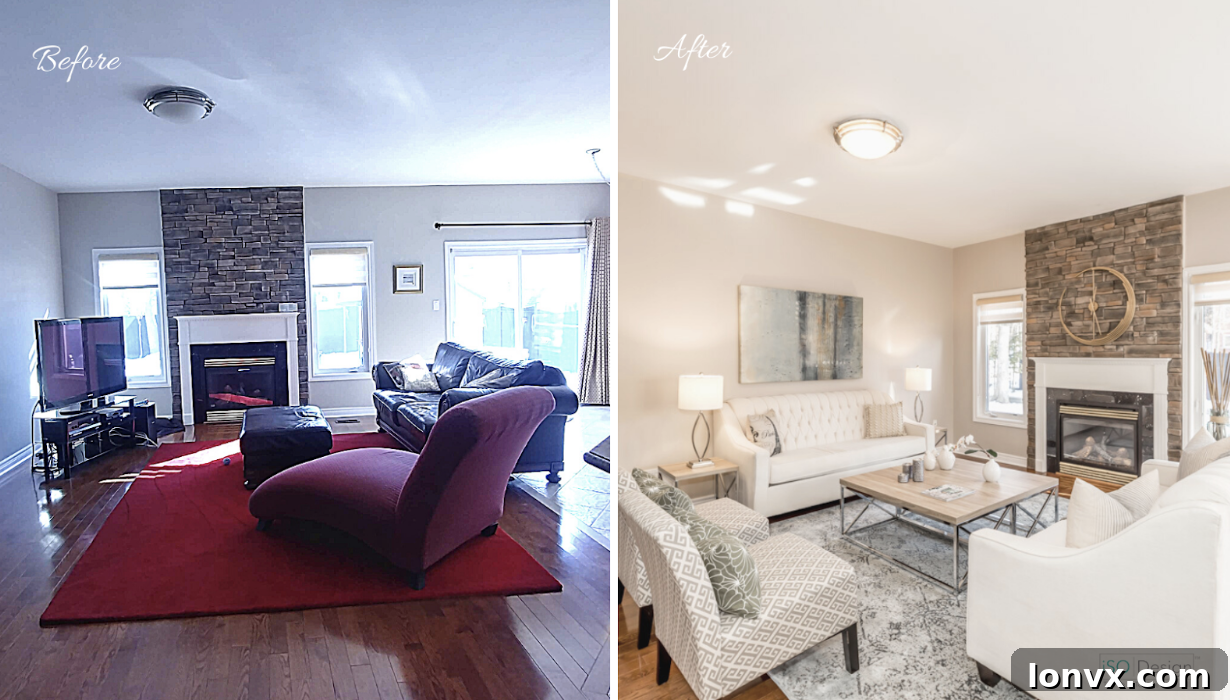
On staging day, the detailed vision formulated during the planning phase comes to fruition. A highly skilled staging team meticulously transforms the property, arranging furniture, artwork, and accessories with precision and an artistic eye. This process goes far beyond simply placing items; it involves optimizing spatial flow, defining distinct functional zones within rooms, creating compelling focal points, and strategically highlighting the property’s best architectural features and unique selling points. Each room is thoughtfully styled to evoke a specific mood, enhance natural light, and create a cohesive, inviting, and memorable experience for potential buyers. This sophisticated execution requires a blend of creative artistry, technical skill in design principles, and an acute attention to detail to ensure every element contributes perfectly to the property’s elevated appeal and market readiness.
Invaluable Professional Expertise and Continuous Development
Beyond the tangible items and logistical efforts, a significant portion of staging costs covers the invaluable professional expertise of the stager and their dedicated team. These professionals invest continuously in specialized training, advanced design education, and industry certifications to remain at the forefront of evolving interior design trends, market demands, and consumer psychology. Their comprehensive knowledge encompasses color theory, advanced space planning, effective lighting design, optimal material selection, and strategic visual merchandising. This deep expertise allows them to accurately profile target buyers, understand what resonates with them emotionally, and craft environments that trigger strong aspirational connections. By leveraging this profound understanding, stagers create spaces that buyers can easily imagine themselves living in, ultimately leading to faster and more profitable sales. You are not simply paying for furniture rental; you are paying for years of honed skill, strategic insight, and a proven ability to convert viewings into offers.
Essential Business Overhead
Like any professional service business, home staging companies incur a range of essential operational overheads that are necessarily factored into their service fees. These significant expenses include the substantial costs of maintaining a large, high-quality, and constantly updated staging inventory, securing and managing warehousing facilities for safe and organized storage, specialized insurance coverage to protect both inventory and client properties from liability, competitive salaries and benefits for a skilled staging team, transportation vehicle purchases, maintenance, and fuel, utilities for their operational spaces, robust marketing initiatives to reach new clients, and general administrative expenses. The home staging industry is inherently capital-intensive, requiring constant investment in inventory, infrastructure, and skilled personnel. These foundational overhead expenses are crucial to the company’s ability to consistently deliver professional, high-quality staging services.

The Compelling Return on Investment (ROI) of Professional Home Staging
While the initial outlay for professional staging services might seem like a significant expense, it is crucial for both sellers and agents to view it not as a cost, but as a strategic investment with a demonstrably high return. Home staging is not an optional extra; it is a powerful, results-driven marketing tool designed to maximize a property’s market appeal and accelerate its sale in competitive environments.
The statistics consistently underscore its exceptional value. According to the National Association of Realtors (NAR) 2023 Profile of Home Staging report, a remarkable 81 percent of buyers’ agents affirmed that staging significantly helped buyers envision the property as their future home, fostering a deeper emotional connection. More compellingly, 20 percent of buyers’ agents reported that professionally staged homes commanded a price increase of 1-5 percent compared to similar unstaged properties. Some industry reports even suggest an ROI of up to 500% or more, particularly in highly competitive markets where first impressions are critical.
The cost of home staging will naturally vary based on factors such as property size, the extent of staging required, the quality and quantity of inventory selected, and the staging duration. However, the overarching value it brings to the entire selling process is undeniable. Staging transforms a mere house into a desirable home, creating an immediate emotional connection with potential buyers from the moment they step through the door or view high-quality photos online. It helps properties stand out distinctly in a crowded market, significantly reduces the average time on market, minimizes the likelihood of costly price reductions, and ultimately contributes to achieving a faster, more profitable sale. For real estate agents, it streamlines the sales process, enhances their professional reputation, and allows them to command higher commissions by delivering exceptional results.
2. Who Should Invest? Navigating the Home Staging Cost Responsibility: Seller or Agent?
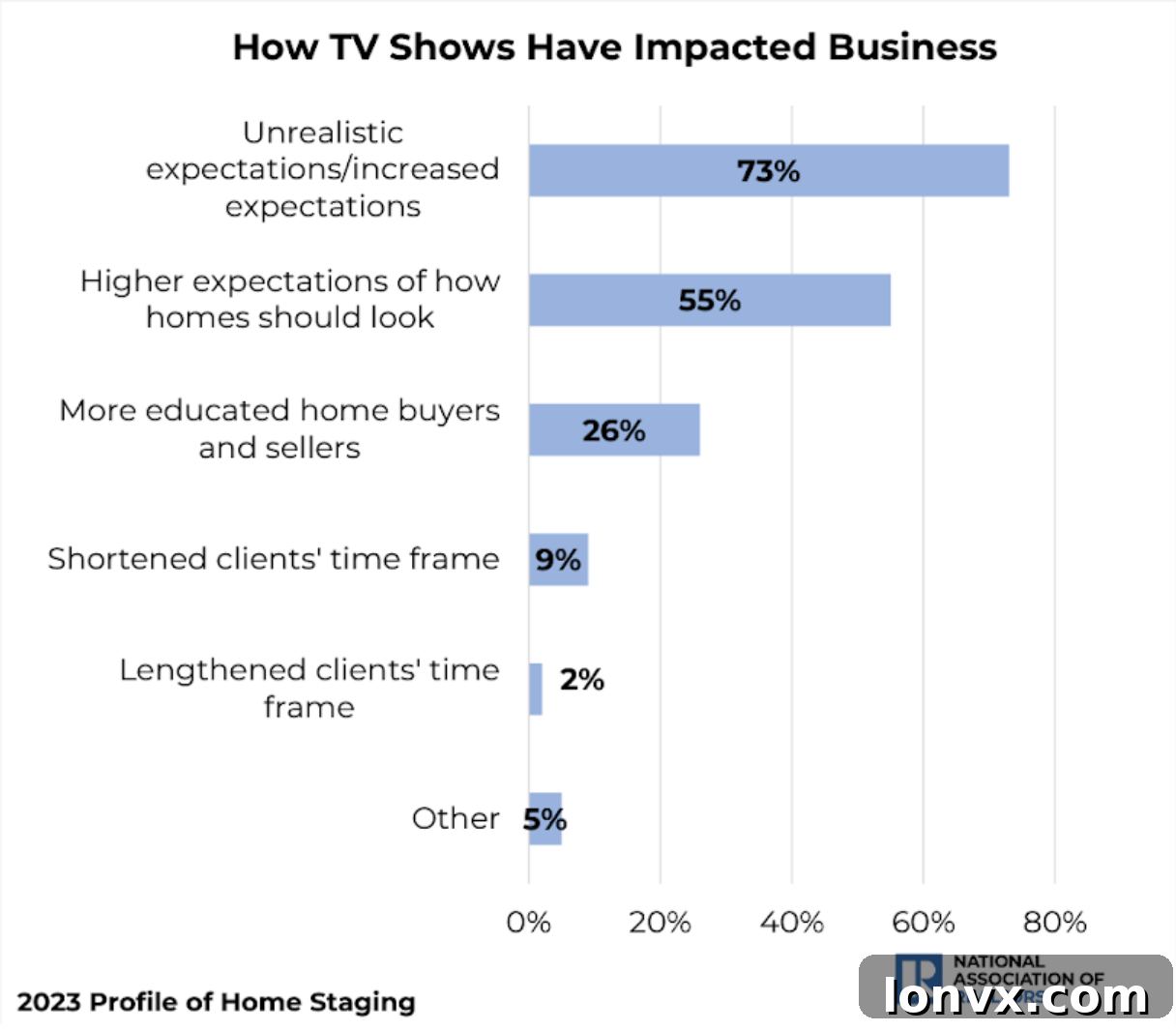
In today’s visually driven and highly competitive real estate market, professional home staging has transitioned from a niche, optional service to a standard, and often expected, marketing tactic. Buyers, heavily influenced by aspirational home design shows, social media trends, and curated online content, now have significantly higher expectations for how properties are presented.
As staging becomes increasingly integral to achieving successful sales outcomes, the question of who should bear its cost frequently arises. Should it be the seller, who stands to gain directly and most significantly from a higher sale price and a quicker transaction? Or should it be the agent, who benefits from a smooth, successful sale, an enhanced professional reputation, and potentially higher commissions? Let’s explore the perspectives and strategic considerations for both parties involved in this crucial decision.
Overcoming Initial Resistance: Framing Staging as an Investment, Not an Expense
For many sellers, the initial thought of investing additional money into their property—especially after potentially undertaking other pre-sale preparations like painting, minor renovations, or landscaping—can be daunting. They might view staging as another upfront expense, an unnecessary burden, rather than a strategic financial move with a tangible return. As a real estate agent, it is absolutely crucial to reframe this perception. Emphasize with clear data and compelling evidence that professional staging is not merely an expense but a critical, value-adding investment in maximizing the property’s market value, reducing its time on market, and ultimately yielding a significantly higher financial return.
Agents, too, might initially hesitate to broach the subject of staging, fearing it could strain client relationships or lead to objections over the additional cost. However, sidestepping this conversation is a missed opportunity that can impact sale price and speed. The key is to approach the topic tactfully, presenting clear, tangible data, market comparisons, and success stories that highlight the profound benefits of staging, such as accelerated sales timelines, increased selling prices, and broader buyer appeal. A highly effective strategy is to invite a professional home stager to participate directly in your listing presentation. A stager can articulate the nuanced value and specific benefits of their services with specialized expertise, market insights, and third-party credibility, often swaying sellers who might be resistant to their agent’s suggestions. Sellers are frequently more receptive to the objective, expert advice of a professional staging consultant.
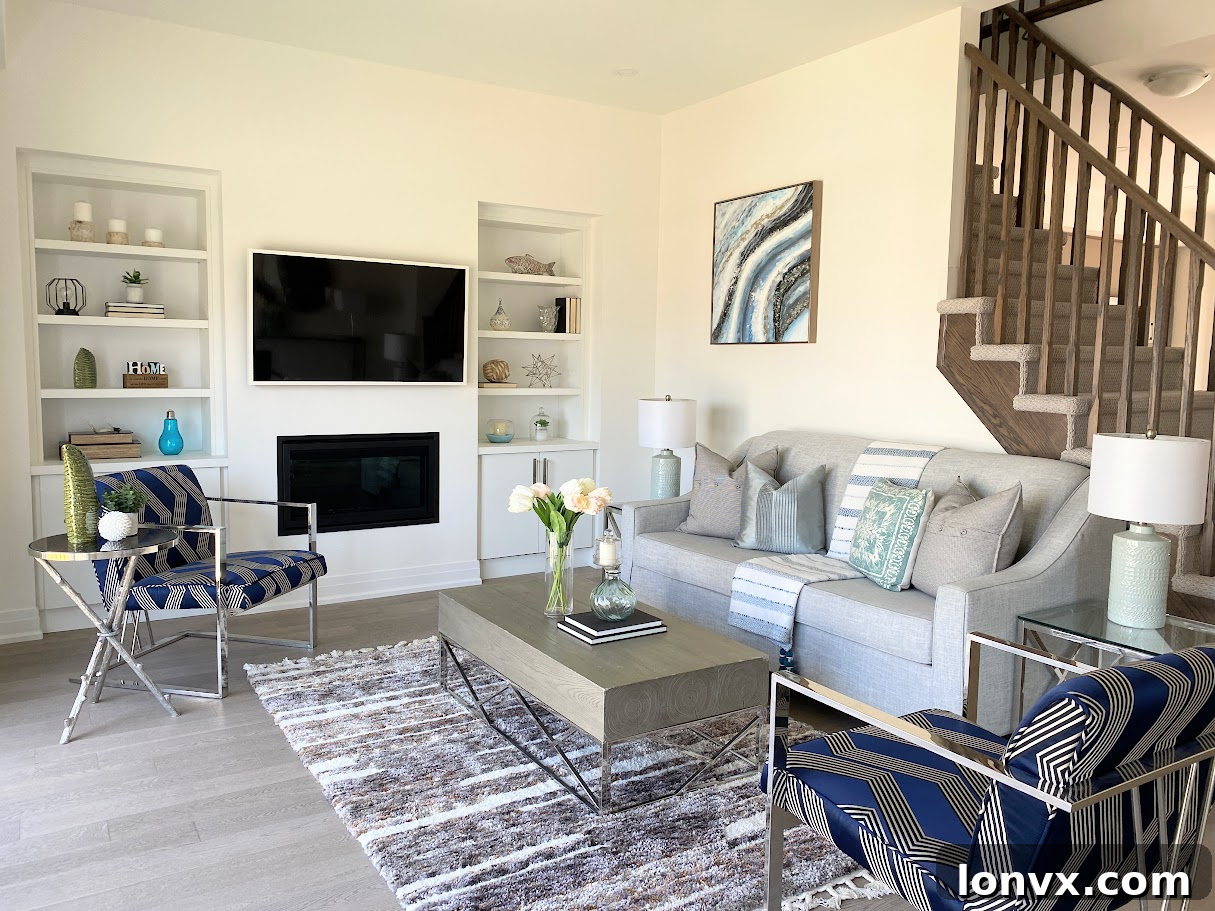
Photo credit: Nina Doiron
Ultimately Footing the Bill: Exploring Payment Models and Shared Responsibility
While there isn’t a universally mandated answer to who pays for staging, open, honest, and transparent conversations between agents and clients are paramount to a successful outcome. In an ideal scenario, sellers, as the primary financial beneficiaries of a more profitable sale, might be expected to cover the staging expenses upfront. When sellers fully grasp the positive impact staging can have on their home’s marketability, perceived value, and ultimate bottom line, they are often more willing to make this strategic investment.
However, the real estate market is intensely competitive, and discerning agents often seek innovative ways to differentiate their services and secure more listings. Many proactive agents are now choosing to integrate professional staging as a core component of their comprehensive marketing strategy, recognizing its unparalleled power to attract a wider pool of buyers and secure stronger, faster offers. When an agent decides to include staging, they can negotiate various cost-sharing models with sellers. For example, an agent might offer to cover a portion or even all of the upfront staging costs, adjusting their commission structure accordingly to account for this valuable contribution. This strategic approach allows agents to offer an attractive, comprehensive, and value-added package to potential clients while still benefiting from higher potential commissions resulting from a quicker, higher-priced sale.
Ultimately, the decision of who pays for staging should be a mutual agreement, carefully tailored to the unique circumstances of each transaction, the specific property, and the prevailing market dynamics. While our expert opinion remains that the seller, as the party gaining the most significant financial return, should ideally cover the home staging investment, the landscape is undeniably evolving. Increasingly, agents are absorbing some or all of these costs as a strategic business move to win listings, enhance their brand, and ensure optimal outcomes for their clients. A flexible and collaborative approach can prove highly beneficial: agents could ask sellers to cover upfront staging consultation fees or a portion of the inventory rental, while the agent contributes a larger share or the remainder at closing. This creates a powerful win-win situation, ensuring the property is showcased to its absolute full potential without unduly burdening either party financially upfront, leading to a more successful, efficient, and profitable sale for everyone involved.
Elevate Your Listings with Professional Staging
Home staging is no longer a luxury but a critical necessity for maximizing property value, accelerating sales, and attracting premium buyers in today’s dynamic real estate market. By understanding its comprehensive costs and strategically approaching the investment, both agents and sellers can harness its power for truly outstanding results.
Got more home staging questions or specific scenarios you’d like us to address in a future column? We’re here to help you succeed and elevate your real estate game! Submit them to [email protected].
Enjoying this article?
Get the latest REM articles in your inbox 3x week so you stay up to date on the latest in the Canadian real estate industry