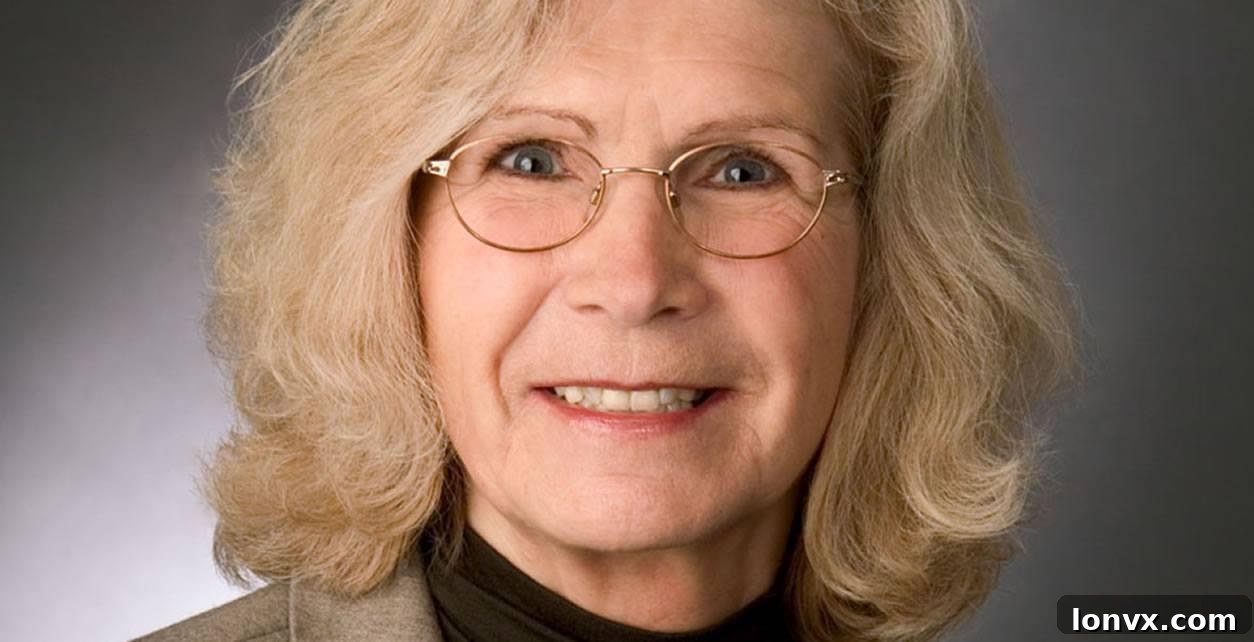
A Trailblazing Legacy: Bea Smith’s Remarkable 48-Year Journey in British Columbia Real Estate
In the dynamic and often challenging world of real estate, few careers shine as brightly or endure as long as that of Bea Smith. A true pioneer in the industry, Bea’s nearly five-decade-long tenure as a Realtor in British Columbia, particularly in the picturesque South Okanagan region, is a testament to her unparalleled resilience, determination, and unwavering spirit. Her journey, far from mundane, reads like a captivating saga filled with dramatic encounters, groundbreaking achievements, and a persistent fight against the odds.
From experiencing doors slammed in her face to navigating the treacherous waters of a real estate market crash, enduring blatant sexism, and even fleeing from property owners wielding shotguns—not once, but on multiple occasions—Bea Smith has indeed seen and done it all. Her professional life, spanning 48 years until her well-deserved retirement in March, offers a unique window into the evolution of the real estate profession and the profound changes within Canadian society itself, especially concerning the role of women in traditionally male-dominated fields.
The Genesis of a Real Estate Legend: Bea Smith’s Humble Beginnings
Bea Smith’s illustrious career began in Vancouver, a vibrant city poised for growth, during the swinging sixties. As a young mother raising two daughters, her path intersected with a woman in an interior decorating course who was actively selling real estate and, significantly, earning $300 per sale. In an era where such an amount represented substantial income and economic independence was less common for women, the potential for financial autonomy sparked a compelling idea for Bea.
Her husband, adhering to traditional societal norms of the time, initially disapproved of her working outside the home. However, he eventually relented, albeit with the understanding that her foray into real estate would be a mere “hobby” meant only for “pocket money.” Little did he, or anyone else, realize that this seemingly casual pursuit would blossom into a hugely successful, full-time career that would span nearly half a century and leave an indelible mark on the industry, shaping its future and inspiring countless others.
Bea Smith, right, enjoys her retirement party with sales representatives Alicia Andreasen and Ryan Vollmar.
Beyond the transactional aspects of sales, Bea’s commitment extended to extensive service within the broader real estate community. Her dedication saw her serving on countless committees, contributing significantly to the governance, ethical standards, and developmental trajectory of the profession. Notably, she was elected to the prestigious Board of Directors of the B.C. Real Estate Association for two impactful years, a role that positioned her at the forefront of provincial real estate policy-making and strategic planning. Furthermore, her exceptional leadership was recognized through eight years of dedicated service on the South Okanagan Real Estate Board, including two distinguished terms as its president. This leadership provided her with a crucial platform to shape local policies, advocate effectively for fellow agents, and ensure fair practices for consumers in the region.
Her influence wasn’t confined to British Columbia; Bea also traveled across the country, lobbying tirelessly in Victoria and Ottawa on a myriad of real estate-related matters. These efforts underscored her profound commitment to elevating professional standards, promoting equitable housing policies, and ensuring robust regulatory frameworks throughout the Canadian real estate industry. What began as a mere suggestion for “pocket money” evolved into a formidable career defined by professional excellence, relentless advocacy, and a profound, lasting impact on the real estate landscape. Some “hobby,” indeed!
Breaking Barriers: A Woman in a Man’s World
Entering the real estate industry in the 1960s presented unique and formidable challenges for women. It was, by all accounts, a profoundly male-dominated field where systemic barriers were deeply entrenched, making it difficult for women to gain entry and thrive. Bea vividly recounts the initial hurdles she faced: “You had to be sponsored by a company in order to apply for the real estate course. But most of these companies didn’t sponsor or hire women, so it was tough to do.” This sponsorship requirement acted as a significant gatekeeper, effectively excluding many talented and ambitious women from even beginning their journey in the profession, highlighting the institutionalized sexism prevalent at the time.
Even after overcoming these initial obstacles, the challenges persisted, often manifesting as open discrimination. Bea recalls a particularly telling incident early in her career when she was dispatched to Chilliwack to follow up with a farmer interested in selling his property. Upon opening the door, the farmer’s response was blunt and dismissive, laced with traditional gender expectations: “You’re a woman, go home and make babies.” Bea, with her characteristic resilience and admirable good humor, simply laughed it off, attributing it to the farmer’s ignorance rather than letting it deter her. This early encounter, however, was merely a precursor to the often-blatant sexism she would face throughout her career, showcasing the pervasive nature of such attitudes.
Astoundingly, such blatant discrimination wasn’t confined to the early days. Bea encountered a similar sentiment in the early 1990s, decades later, while working on a major project. She and her male partner presented a proposal for a 48-unit townhouse development in Oliver, B.C. Despite the professional nature of their pitch and the substantial value of the contract, the clients expressed a clear disinclination to deal with women. “The foreman told me to ‘go home and make cookies,'” she recalls, an outrageous demand in a professional context. But Bea Smith was not one to be easily deterred or intimidated. She secured the lucrative contract, and then, in a brilliant display of wit and tenacity, she did exactly as he suggested – after successfully closing the deal. She baked cookies, a domestic task she admits she rarely performed, and brought them in for the crew every Friday for the next three years. “I’m not very domestic and I don’t think they were the best cookies,” she quips, highlighting her clever subversion of a sexist stereotype. This anecdote perfectly encapsulates her ability to navigate and disarm prejudice with professionalism, sharp intellect, and a touch of humor, turning an insult into an enduring inside joke.
As her career advanced and she assumed leadership roles, Bea recognized the critical importance of fostering an inclusive and respectful work environment. She understood that tolerance of harassment was complicity. While serving as a managing broker at Realty Executives Vantage, she took proactive and decisive steps to address potential issues. She brought in a lawyer to conduct a mandatory sensitivity training session for all 20 people in her office, including staff, salespeople, and property managers. Her philosophy was clear and unwavering: “We can’t have this (harassment) because if you allow it, you’re part of it.” This commitment to creating a fair, equitable, and professional workplace was a hallmark of her leadership, reflecting her personal experiences and her dedication to driving positive change within the real estate industry.
Navigating Market Volatility and Unforeseen Dangers
Bea Smith’s career also unfolded against a backdrop of significant economic turbulence, particularly the devastating real estate market crash of the 1980s. This period marked a somber and challenging chapter for many Canadians, as interest rates skyrocketed to unprecedented levels, pushing countless homeowners into financial distress. During this challenging time, Bea was actively engaged in conducting appraisals for banks, a role that placed her at the forefront of human struggle and economic hardship. “People couldn’t meet their obligations. It was a sad time,” she reflects, recalling the widespread despair as families faced the heartbreaking prospect of losing their homes due to foreclosures and unsustainable mortgage payments. The experience left a lasting impression, underscoring the profound human impact of economic downturns on communities and individuals.
Beyond the financial strains and emotional toll, Bea’s work often exposed her to genuinely dangerous situations, a stark reminder that real estate can sometimes involve more than just properties and paperwork. She recounts a chilling incident where she arrived at a rural farm, which turned out to be a clandestine grow operation. As she approached the property, she saw a man standing ominously in the window, armed with a shotgun. Her quick thinking and strong instincts kicked in immediately, prioritizing her personal safety above all else. “So I drove around the house and drove away and said to the bank, ‘you go out there,’” she recalls, refusing to put herself in harm’s way. This was not an isolated incident, highlighting the unpredictable and sometimes perilous nature of an agent’s work, especially in rural or unfamiliar areas.
A second, equally unnerving encounter with an armed homeowner solidified her understanding of how to de-escalate such perilous situations. Approaching a different property, she again found a man at the door with a shotgun. This time, there was a silent, mutual acknowledgment of the gravity of the situation, a non-verbal communication of caution. “He nodded and I nodded and I said, ‘I guess this isn’t a good time’ and walked away,” she calmly recounts. Her ability to assess danger, maintain composure, and retreat safely highlights the often-unseen risks faced by real estate professionals and her incredible capacity for self-preservation in the face of unpredictable and potentially violent circumstances.
Amidst these dramatic moments and challenging market conditions, one of her most memorable “sales” wasn’t a traditional transaction at all, but rather a testament to her professional integrity and sterling reputation. A client had listed a 100-acre farm in Chilliwack, an inherited property that had stirred significant family discord and emotional turmoil among relatives. A buyer was quickly found, and a deal was struck, but the client’s extended family was deeply upset by the impending sale. Ultimately, a relative intervened, offering to scrap the deal entirely and, remarkably, pay Bea her full Realtor commission to compensate her for her work and sacrifice. The buyer gracefully backed off, Bea explains, “so even though the sale was cancelled, I still got paid.” This unique resolution not only demonstrated her client’s family’s profound respect for her work and the value she brought but also underscored the sometimes intricate and emotionally charged nature of property transactions, where human relationships and family dynamics can override conventional business dealings and lead to unconventional, yet satisfactory, outcomes.
The Evolving Landscape of Real Estate: Four Decades of Change
Over her nearly five decades in the business, Bea Smith has been a firsthand witness to the transformative evolution of the real estate industry. Her early experiences paint a stark contrast to today’s highly regulated and sophisticated environment. She recalls working with a man who, in the days before a comprehensive provincial licensing system was implemented, would humorously boast about the ease and minimal cost of obtaining a real estate license. “He always said he paid $5 for his license just like he paid for his hunting license,” Bea recollects with a smile, yet highlighting the lax standards of the past. This anecdote highlights the dramatic shift towards professionalization, with British Columbia eventually gaining a reputation for its rigorous and strict licensing system, ensuring higher standards of practice, enhanced accountability, and greater consumer protection.
When asked if anything was genuinely better in the early days, Bea points to the relative simplicity of the administrative burden. “We didn’t have all the paperwork,” she states. “Today we feel you have to be a paralegal and have all the answers, which wasn’t (the case) at that time.” This observation underscores the exponential increase in legal complexities, disclosure requirements, environmental regulations, and contractual minutiae that now define modern real estate transactions. Agents today are expected to possess an encyclopedic knowledge of regulations, laws, and market conditions, alongside exceptional negotiation skills—a far cry from the more straightforward dealings of yesteryear, where trust and handshake agreements sometimes sufficed.
This increased complexity is directly linked to greater accountability and a more litigious public. Bea notes that salespeople are now held accountable for virtually everything they say and do, from property descriptions to financial advice. The public, more educated and empowered by readily available online information and heightened consumer awareness, has no qualms about pursuing legal action for perceived missteps or dissatisfactions. “Something goes wrong, they don’t like the colour of the dishwasher, let’s sue the Realtor,” she says, half-jokingly but with a serious underlying message about the heightened risks and responsibilities faced by agents today. This shift necessitates meticulous record-keeping, clear and thorough communication, comprehensive insurance, and an unwavering commitment to ethical practices to mitigate potential legal challenges.
Another profound change Bea has observed is the significant demographic shift within the industry. What was once overwhelmingly a male-dominated field, where women struggled for acceptance and opportunity, has seen a dramatic influx of women. Bea estimates that the male/female ratio in British Columbia is now approximately fifty-fifty, a remarkable transformation from her early career struggles. Additionally, she notes an increasing number of younger individuals entering the profession as a first career choice. “In the past, it was a second career for many men and that has changed,” she explains. This infusion of diverse perspectives, fresh energy, and technologically adept professionals has undoubtedly reshaped the industry, bringing new approaches, innovative marketing strategies, and a more representative workforce that better reflects the diverse client base.
A Legacy of Dedication and Inspiration: Bea Smith’s Enduring Impact
Bea Smith’s professional journey is not only defined by her impressive longevity but also by her profound contributions to the real estate community through her extensive committee and board work, and her tireless lobbying efforts. Her active participation in these capacities demonstrates a deep commitment to the integrity, professionalism, and advancement of the profession. She wasn’t just selling homes; she was actively shaping the rules, advocating for her peers, and contributing to the legislative landscape that would benefit countless future agents and consumers. Her influence extended from local boardrooms in the South Okanagan to the provincial legislature in Victoria and the federal halls of Ottawa, making her a true force for positive change and a respected voice within the industry.
Given her extensive experience, young aspiring agents often seek her advice. Would she recommend a young person enter the business now? Bea’s counsel is pragmatic and rooted in reality. To succeed, one must genuinely “work at it” with unwavering dedication and effort. She highlights a stark truth within the industry: approximately 20 percent of salespeople generate 80 percent of the business. “If you look at a national average of income it’s pathetic,” she warns, dispelling any romanticized notions of effortless wealth. While most agents will likely make at least one sale to a friend or family member, she emphasizes that sustainable success cannot be built solely on personal networks. It requires relentless effort, continuous learning, adaptation to market changes, a profound dedication to client service, and an in-depth understanding of market dynamics.
Despite the challenges, the dramatic changes, and the inherent demands of the profession, Bea Smith looks back on her career with immense satisfaction. The pinnacle, she feels, has been her last decade with Realty Executives Vantage, the largest property management firm in the South Okanagan. This period provided her with a fulfilling and supportive environment to conclude her stellar career. Her colleagues and the company acknowledged her immense contributions with a grand retirement party in February, celebrating the 77-year-old real estate professional. Fittingly, as a self-described A-type personality and the social convener in her office, Bea, true to form, offered to organize the event herself, ensuring a memorable gathering of 100 friends and colleagues. This act epitomized her dedication not just to her clients, but to the community and the people she worked alongside, cementing her place as a beloved figure.
“Real estate is the only career I’ve ever had. I’ve had a good run and it’s nice to end on a high note,” says Smith, reflecting on a lifetime dedicated to her chosen profession. In her well-deserved retirement, she eagerly anticipates spending more quality time with her family, enjoying invigorating runs with her granddaughter, indulging in more rounds of golf on scenic courses, and perhaps embarking on new adventures. These plans paint a picture of a woman embracing a new chapter with the same zest for life and determination that characterized her professional journey.
Her enduring legacy is beautifully encapsulated by a thoughtful gift from one of the company owners: a photo of a charming bed and breakfast sign in Ireland that bears the name ‘Bea’s Way’. “This does sum up my life a bit,” she concludes, a poignant and fitting tribute to a woman who not only forged her own path with courage and resilience but also illuminated the way for countless others in the ever-evolving and dynamic world of real estate, leaving an indelible mark wherever she went.
Bea Smith’s Enduring Impact on British Columbia Real Estate
Bea Smith’s remarkable 48-year career is more than just a personal success story; it’s a significant chapter in the history of British Columbia real estate. Her journey through an industry transformed by economic shifts, technological advancements, and a crucial movement towards gender equality serves as an inspiring narrative for professionals across all sectors. She exemplified what it means to be resilient, to adapt, and to lead with unwavering integrity, even when confronted with deeply entrenched prejudices or dangerous situations. Her contributions to the B.C. Real Estate Association and the South Okanagan Real Estate Board were instrumental in fostering a more ethical, professional, and inclusive environment for future generations of Realtors, setting a high standard for conduct and service.
Bea’s story reminds us that true success in any field isn’t solely about transactions and financial gains, but about building meaningful relationships, demonstrating unwavering commitment to clients and colleagues, and possessing the courage to stand up for what is right. From challenging sexist attitudes with sharp humor and tenacity to navigating market crashes with empathy and professionalism, Bea Smith set a benchmark for excellence in the real estate profession. As she gracefully steps into retirement, her “way” – Bea’s Way – continues to resonate, symbolizing a path forged with dedication, grace, and an indomitable spirit that will undoubtedly inspire countless aspiring real estate professionals in British Columbia and beyond for many years to come.