In a landmark move that sets a new precedent for professional self-governance in Canada, the Alberta Real Estate Association (AREA) has enacted significant new bylaws. These changes empower the association to expel members involved in serious criminal conduct, a decisive action aimed at fortifying the integrity and public trust in Alberta’s real estate sector. Approved by an overwhelming 92 percent vote at AREA’s Annual General Meeting in January, these bylaws underscore a resolute commitment to elevating professional standards and proactively addressing the often-criticized delays in enforcement by provincial regulatory bodies.
Brad Mitchell, CEO of AREA, emphasized the critical importance of these reforms in upholding the sanctity of the profession. He highlighted a concerning case where a provincial regulator took four years to revoke the license of an agent accused of sexual assault, illustrating the urgent need for a more agile and assertive response mechanism. “We believe we are the first association in Canada to implement such a robust measure, and we are incredibly proud of that,” Mitchell stated. “It’s time for professional associations to genuinely prioritize the professionalism and conduct of their members, and AREA is taking that responsibility seriously.”
Closing the Critical Gap in Enforcement and Accountability
While the vast majority of Alberta’s Realtors consistently uphold exemplary standards of conduct and professionalism, Mitchell acknowledged that a small cohort of individuals engaged in severe misconduct poses a tangible threat to the collective reputation of the real estate profession. The newly adopted bylaws grant AREA’s board of directors unprecedented authority to issue warnings, levy fines, impose suspensions, or, most notably, expel members who have been convicted of criminal offenses. This explicitly includes serious crimes such as sexual assault, fraud, or other offenses that fundamentally erode public trust and the integrity of the profession.
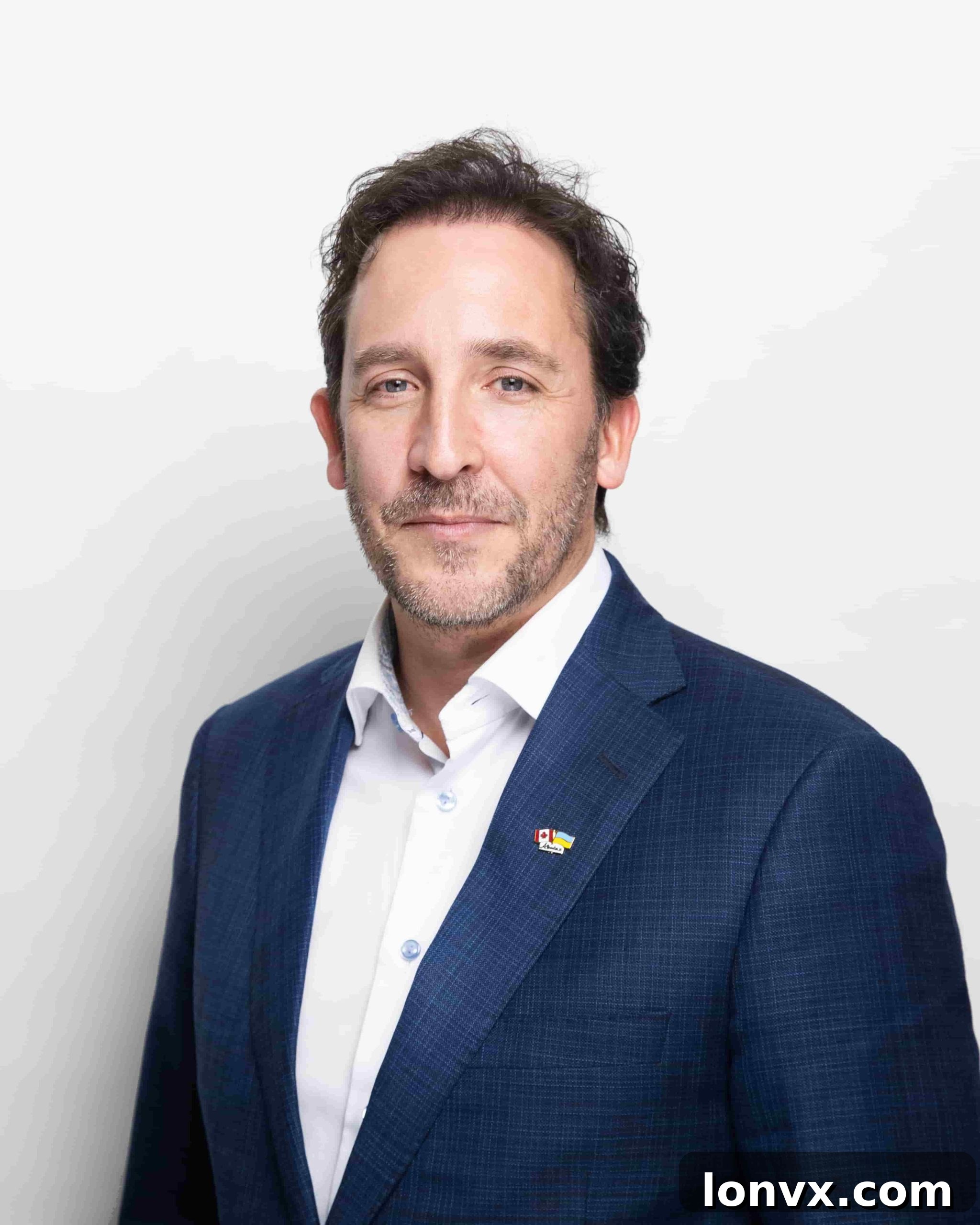
Brad Mitchell, CEO, Alberta Real Estate Association (AREA)
Mitchell clarified the precise scope of these measures: “When we speak of ‘bad actors,’ we are specifically referring to individuals who engage in criminal behavior. This is not about minor infractions or inappropriate online comments; it is about serious, prosecutable criminal conduct that has severe implications for clients and the industry’s standing.” He further explained that these bylaws represent a significant strengthening and clarification of existing regulations. “We revisited our previous bylaws, identified areas for improvement, and drew inspiration from the comprehensive processes employed by legal societies to incorporate more stringent and explicit language into our own framework.”
Empowering the Board: Suspension Pending Investigation and Hearing
Beyond immediate expulsion for convictions, the new bylaws introduce a crucial provision allowing AREA’s board to exercise its discretion to suspend members even while criminal charges are pending a formal hearing. This interim suspension power can be invoked if the charges are deemed to “reflect negatively on the integrity and character of the Member or that brings disrepute to the Association.” This proactive stance ensures that members facing serious allegations do not continue to operate under the AREA banner while their cases are being adjudicated, thereby safeguarding public trust and the association’s reputation during sensitive periods.
A cornerstone of these enhanced accountability measures is the introduction of an explicit duty for members to self-report criminal charges. This obligation applies under specific conditions, including offenses punishable by a fine of at least $25,000 or imprisonment of two years or more. This pioneering self-reporting mechanism directly addresses a perceived weakness in the enforcement capabilities of traditional provincial regulators, who, according to Mitchell, frequently lack the institutional agility required to act swiftly and decisively on such serious matters. This change reflects a growing consensus that professional associations must assume a more direct and active role in proactively upholding and maintaining industry standards, rather than solely relying on external regulatory bodies.
AREA’s Expanding Influence and the Challenge of Standards
The necessity for these rigorous bylaws is further amplified by AREA’s significant growth. Mitchell revealed that the association’s membership has expanded by an impressive 50 percent over the past decade, increasing from 10,000 to 15,000 Realtors across Alberta. This rapid expansion brings with it a greater responsibility to ensure that all members adhere to the highest ethical and professional standards.
Mitchell elaborated on the systemic challenges faced by government-mandated licensing bodies. “The process by which licenses are issued often restricts what government and regulators can do, sometimes compelling them to issue licenses even when serious concerns might exist,” he explained. While emphasizing that the vast majority – “99 percent or more” – of AREA members perform exceptionally for the public, he noted, “There have been a few deeply troubling instances in recent years that compelled us to critically assess who is truly best positioned to maintain and enforce professional standards. Our firm belief is that this responsibility squarely rests with the provincial association.” This perspective underscores AREA’s commitment to self-regulation as a primary defense against misconduct.
Overwhelming Membership Support Reinforces the Initiative
The strong mandate for these new bylaws is unequivocally reflected in AREA’s latest annual report. Survey data indicates that an overwhelming 96 percent of Realtors agreed that the actions of “bad actors” severely damage the overall reputation of the profession. Furthermore, a substantial 82 percent of members believe that AREA bears a fundamental responsibility to actively prevent such individuals from operating within the respected Realtor community. These figures demonstrate a unified desire within the membership to protect their collective standing and ensure that the public continues to place its trust in Alberta’s Realtors.
Mitchell articulated the distinction between regulatory bodies and professional associations: “Our provincial regulatory bodies are tasked with maintaining minimum licensing standards. However, they are often not ideally equipped to enforce the nuanced aspects of professional standards because their mandate is licensee oversight, not membership-driven accountability. For individual agents, this distinction is crucial. If we, as an association, do not take professionalism seriously, how can we expect the public to take us seriously?” He powerfully reiterated the impact of delayed enforcement, referencing recent cases where regulatory action, despite admitted misconduct, languished for years. “In one deeply disturbing case involving a client’s sexual assault, it took the regulator a full four years to remove the agent’s license, even when the conduct was admitted,” Mitchell recounted, highlighting the tangible failings these new bylaws are designed to correct.
Profound Impact on Licensing and Professional Practice
Mitchell emphasized the persistent “real problem with enforcement at our regulatory body,” reinforcing AREA’s conviction that the association is uniquely positioned to act with greater speed and efficiency. “In cases where misconduct is undeniable and obvious, it becomes imperative to question why such an individual should continue to be a member of our association,” he asserted.
In Alberta, the Real Estate Council of Alberta (RECA) maintains sole responsibility for issuing and revoking real estate licenses. However, AREA holds the power to enforce membership within the province, a distinction with profound implications for how an agent can effectively practice. Membership with AREA grants access to vital tools and services, including the Multiple Listing Service (MLS), standardized forms, crucial benefits, and other indispensable resources that are central to participating in organized real estate.
“While these bylaws do not prevent an individual from holding a provincial license from RECA, they effectively prevent bad actors from legitimately claiming the esteemed title of ‘Realtor’ – a designation tied to AREA membership,” Mitchell clarified. “More significantly, the denial of AREA membership makes it exceedingly difficult for them to practice as a typical, effective agent would, as they lose access to the essential infrastructure that underpins modern real estate transactions.”
In conclusion, Mitchell reiterated AREA’s core philosophy: “There remains a significant challenge with the pace and efficacy of enforcement within our regulatory framework. We firmly believe that our association can act far more quickly and efficiently. When faced with clearly egregious behavior, the question isn’t if we *can* act, but rather, why would we ever permit someone behaving in such a manner to remain a valued member of our esteemed association?” These new bylaws signify AREA’s unwavering commitment to fostering a real estate environment defined by integrity, accountability, and unparalleled professionalism for the benefit of both its members and the Alberta public.