Navigating Urban Mobility: The Shifting Tides of Commuting in Modern Cities
The landscape of urban transportation is undergoing a profound transformation, driven by a confluence of environmental concerns, economic pressures, and evolving civic planning philosophies. Across many major metropolitan areas, a concerted effort is being made to steer residents away from single-occupancy vehicle use towards more sustainable alternatives. Take, for instance, the recent pronouncements from Calgary’s city council, advocating for increased reliance on public transit or bicycles for daily commutes and intra-city travel. While such directives spring from a noble aspiration for greener, less congested urban environments, they often clash with the practical realities faced by a significant portion of the populace. In a city affectionately known as “CowTown,” the irony isn’t lost on many who half-jokingly wonder why a return to horses and buggies isn’t also on the municipal agenda.
This push for sustainable mobility, while well-intentioned, frequently encounters substantial hurdles when juxtaposed against the diverse needs of a bustling city’s workforce. Consider professions like real estate agents, whose daily operations necessitate swift, flexible travel across often sprawling geographic areas, carrying clients, documents, and sometimes even signage. The quaint pedicabs, once a novel sight in vibrant districts like Winnipeg’s Osborne Village, offering charming, albeit slow, tours for a fee, hardly present a viable alternative for a sales representative needing to shuttle clients efficiently between multiple property showings. The humorous image of an agent hitching up an adult-sized stroller to drag clients around might offer a great way to hit daily Fitbit targets or offset caloric intake, but it scarcely aligns with professional efficacy or client expectations. The practical constraints of time, distance, and the need for a comfortable, professional setting during client interactions make personal vehicles, despite their costs, a seeming necessity for many.
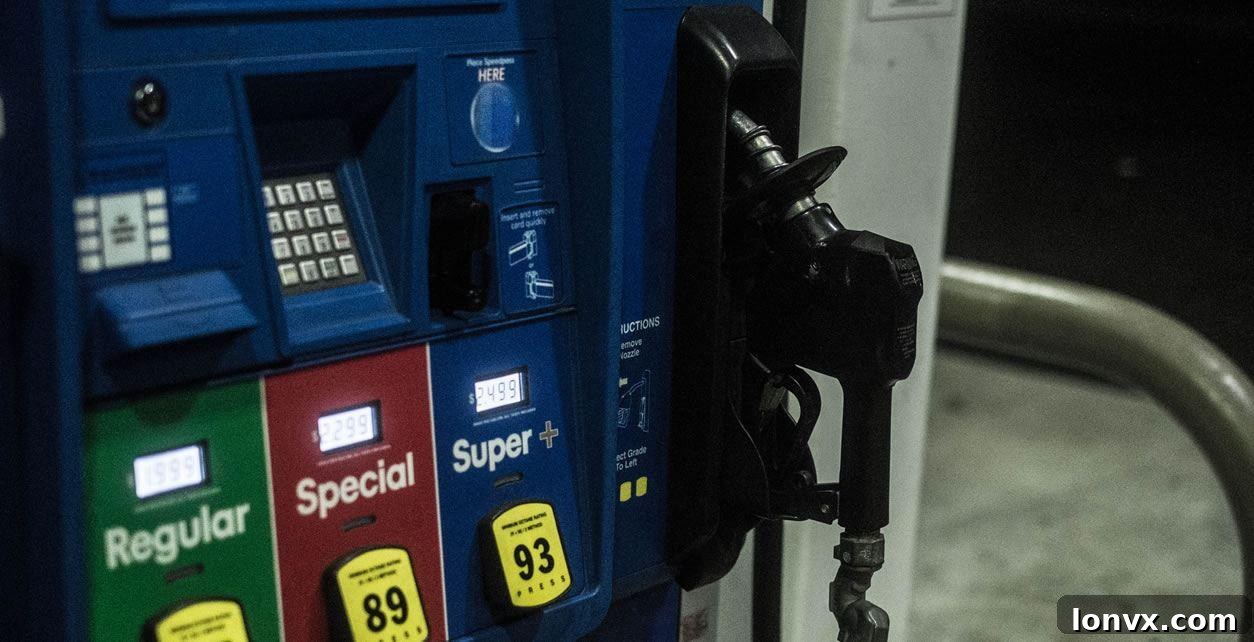
Beyond the immediate practicality for certain professions, there’s a deeper, more realistic impetus behind the drive to encourage alternative transportation options. The obvious goal is to alleviate the burden of gas-guzzling automobiles on our roadways and the environment. Many of us recall a time, not so long ago, when filling a car’s gas tank was a relatively inexpensive affair – a weekly ritual that cost a mere fraction of today’s prices. The memory of paying under thirty dollars to brim the tank each week feels like a distant, almost mythological past. These days are decisively behind us, and as carbon levies, geopolitical shifts, and various political manoeuvres continue to rapidly escalate gas prices, the idea of turning to entrepreneurial ventures like offering pedicab services to supplement income for impending golden years begins to sound less like a jest and more like a genuine contingency plan. The prospect of investing in one of those opulent Virgin Air millionaire flights to the moon, by comparison, starts to look downright economical next to the ever-increasing cost of the daily commute.
The relentless upward trajectory of fuel prices is not merely a source of financial strain for consumers; it also casts a long shadow over those working at the front lines of the energy sector. One can’t help but feel a profound sense of sympathy for anyone employed at a gas station these days. With escalating price structures often appearing without clear, immediately discernible justification – especially when global oil prices haven’t returned to their pre-collapse highs – the poor individuals tasked with changing the signboard prices become figures of almost poignant vigilance. They nervously climb ladders, armed with plastic numbers, fully aware that each new digit they affix is unlikely to improve the disposition of the motorists passing by. I once spotted a gas station attendant who must have had an ancestral connection to owls, given the remarkable way he craned his head around, constantly scanning for any potential projectiles or the ominous signs of surly crowds wielding figurative, or perhaps even literal, pitchforks of frustration. The unspoken tension in the air around a gas station, where prices seem to climb daily, is palpable, creating a challenging environment for staff who are merely executing their duties.
Of course, engage any gas station owner in conversation, and they’ll invariably explain their predicament: their hands are tied by the formidable pricing dictates of the major oil companies and the crushing burden of taxes levied by every level of government. It’s a compelling argument, one that resonates deeply with many of us who face similar financial pressures in our daily lives. Many ordinary citizens find their own hands tied by crushing taxes from various governmental tiers, without the luxury of easily passing those costs on to an employer or consumer. This shared experience of financial constraint highlights a systemic issue where the cost burden trickles down, creating widespread economic strain. In a lighter vein, one might suggest that Fred Flintstone had the most sustainable and cost-effective transportation solution of all. His ingenious car, powered entirely by his bare feet, could comfortably transport his entire family, including a pet dinosaur, without a single drop of fossil fuel. Imagine attempting such a feat in your average modern SUV or Hummer this summer; the contrast truly underscores the absurdity of our current transportation dilemmas and the yearning for simpler, more controllable solutions.
Adding another layer to the escalating cost of vehicle ownership is the often-overlooked, yet increasingly significant, expense of motor vehicle insurance. The recent surge in natural disasters across the globe, from wildfires and floods to extreme weather events, has created a cascading effect on the insurance industry. This reality struck home for me recently during the annual ritual of renewing my vehicle insurance. I was met with an unpleasant surprise as the premiums had soared, reflecting the increased risks and payout volumes faced by insurers. The irony was not lost on me that the vehicle I was insuring for another year on the road might, in fact, spend a significant portion of those next twelve months stationary on the driveway, becoming a lovely, albeit expensive, planter for daisies. This sentiment encapsulates the frustration of paying escalating costs for a service that, ideally, one hopes never to fully utilize.
In a bizarre twist of economic fate, this past year was also the first time I found myself marvelling to the policy renewal agent about how relatively cheap motor vehicle insurance seemed to be nowadays, not in absolute terms, but when compared to the exorbitant and ever-increasing cost of simply gassing up the vehicle for a mere week. This startling comparison underscores a fundamental shift in the economics of vehicle ownership: fuel has become such a dominant, unpredictable expense that other significant costs, like insurance, which are themselves rising, can sometimes feel like a bargain by contrast. It’s a testament to the volatility and unchecked escalation of fuel prices that they can warp our perception of other substantial financial outlays.
Ultimately, we can continue to lament and gripe all we want about these relentlessly rising gas prices and the associated costs of vehicle ownership. However, until a genuinely practical and widespread alternative emerges – perhaps a visionary breakthrough allowing us to refine common household fuels to run through a carburetor, or, more realistically, a fundamental and collective modification of our driving habits and infrastructure – the current trajectory seems set. For now, the image of my car, parked conveniently in front of my broken-down old CCM 10-speed on the driveway, serving as a charming planter for my daisies this year, remains a potent symbol of the prevailing frustration and the urgent need for viable, affordable solutions in our complex urban mobility landscape. The challenge is immense, requiring not just individual adaptation but also innovative policy, infrastructure development, and perhaps a touch of that Flintstones ingenuity to truly navigate the future of transportation.