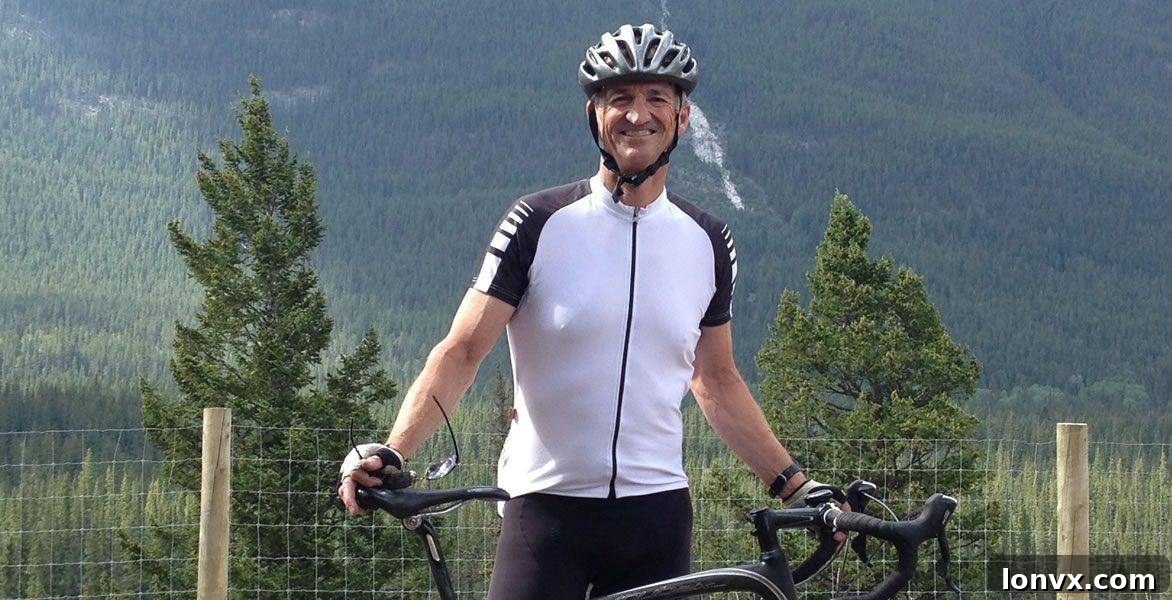
Don Patterson’s Spirit Runner Ride: A Journey of Resilience and Purpose
In 2015, Don Patterson embarked on an extraordinary cycling adventure, the “Spirit Runner Ride,” a monumental endeavor planned to span 7,000 kilometers from the Arctic reaches of Inuvik, Northwest Territories, all the way to Point Pelee, Ontario, Canada’s southernmost tip. This ambitious journey was more than just a physical challenge; it was a powerful statement, a deeply personal quest aimed at igniting positive change within Indigenous communities across the nation. Patterson, a seasoned advocate and an inspiring figure, had dedicated two years to meticulous planning and rigorous training, preparing both his body and mind for the gruelling demands of traversing Canada’s vast and diverse landscapes. His vision was clear: to leverage the power of sport and physical activity as a catalyst for health, well-being, and community development among Aboriginal youth.
The Spirit Runner Ride was meticulously designed with three pivotal objectives at its core. Firstly, it sought to dramatically increase awareness regarding the crucial importance of physical activity for Aboriginal youth. In an era where sedentary lifestyles and associated health challenges are prevalent, Patterson aimed to highlight how active living could foster not only physical health but also mental resilience, self-esteem, and a stronger sense of community belonging. Secondly, the ride served as a vital fundraising platform, channeling much-needed financial resources to support sports activities in these communities. These funds were earmarked to provide equipment, facilities, and opportunities that might otherwise be out of reach. Lastly, and perhaps most enduringly, Patterson envisioned the development of sustainable community bike programs, initiatives designed to empower communities to maintain and grow their own cycling cultures, fostering independence and a long-term commitment to active transportation and recreation.
The Ambitious Vision: From Arctic Tundra to Southern Shores
The chosen route for the Spirit Runner Ride was not merely a path but a narrative in itself. Beginning in Inuvik, a town nestled in the Mackenzie River Delta, well above the Arctic Circle, and culminating in Point Pelee, a peninsula extending into Lake Erie, the ride promised a journey through vastly different Canadian ecosystems. This epic traverse from the frozen tundra and boreal forests of the North to the fertile plains and temperate climate of Southern Ontario symbolized the incredible diversity of Canada itself, and by extension, the diverse communities Patterson aimed to reach. Navigating such varied terrains, from gravel roads to highways, through remote wilderness and bustling urban centers, would demand immense endurance, mental fortitude, and an unwavering spirit.
Patterson’s commitment stemmed from a profound understanding of the unique challenges and incredible strengths within Aboriginal communities. He recognized that accessible sports programs could offer far more than just physical exercise; they could be powerful tools for fostering leadership skills, promoting teamwork, building confidence, and offering positive alternatives to destructive behaviours. Cycling, in particular, stood out as an ideal activity. It is a sport that can be both individual and communal, provides practical transportation, offers a low-impact form of exercise, and can be enjoyed across generations. By focusing on sustainable bike programs, Patterson aimed to create a lasting legacy, equipping communities with the resources and knowledge to build self-sufficient cycling initiatives that would benefit youth for years to come.
Preparation and the Unforeseen Turn in the Yukon
The two years leading up to the Spirit Runner Ride were a testament to Patterson’s unwavering dedication. His preparation involved not only intense physical training, simulating the distances and conditions he expected to encounter, but also extensive logistical planning. This included mapping out routes, securing sponsorships, coordinating with community leaders, and fine-tuning every detail of what would be a multi-month, self-supported journey. The sheer scale of the undertaking required meticulous attention to equipment, nutrition, safety protocols, and contingency plans. Every pedal stroke of his training was imbued with the purpose of the ride, fueling his resolve to make a tangible difference.
With preparations complete, Don Patterson, then 61 years old, finally set off from Inuvik. The initial days of the ride were filled with the exhilaration of the open road, the breathtaking vastness of the Canadian North, and the profound sense of purpose that propelled him forward. The scenery in the Yukon, with its majestic mountains, pristine rivers, and expansive wilderness, offered an awe-inspiring backdrop to his early progress. He was making good time, feeling strong, and connecting with the land in a way only a long-distance cyclist can. However, just three days into this epic journey, fate intervened with cruel suddenness.
“After two years of planning and training, I crashed in the Yukon, only three days into the ride,” Patterson recounts with a mix of stoicism and lingering disbelief. The accident was swift and unforgiving. He sustained significant injuries, fracturing his right hip and breaking his right shoulder. The physical pain was immense, but perhaps even more profound was the emotional weight of realizing that his meticulously planned, deeply meaningful journey had come to an abrupt and premature end. In a testament to the resilience of both man and machine, he wryly noted, “luckily not even a scratch on the bike!” This small detail, while perhaps an ironic aside, underscored the sheer force of the impact on his body, which bore the brunt of the fall.
The immediate aftermath involved emergency medical attention and the painful decision to call off the ride. For someone who had invested so much time, energy, and passion into this project, abandoning it must have been heart-wrenching. The vision of reaching Point Pelee, of sharing his message across thousands of kilometers, was suddenly unattainable in the way he had envisioned. Yet, even in the face of such a setback, Patterson’s core philosophy—to believe in himself and create opportunities—would soon guide his path to a different kind of success.
Resilience and Redirection: The Mission Continues Unabated
Despite the severe injuries and the devastating end to his ride, Don Patterson’s spirit remained unbroken. He focused on his recovery with the same determination he applied to his cycling. “I’m healing well,” he reports, a testament to his positive outlook and physical strength. But his commitment to the cause he championed was even more robust than his body. Even while recovering, the broader mission of supporting Aboriginal youth through sports continued to be his driving force.
Understanding that the physical journey was only one means to an end, Patterson swiftly redirected his efforts, proving that true advocacy extends far beyond any single event. He immediately pivoted to focusing on the practical implementation of his goals. “Although the ride had to be called off,” he explains, “I’m continuing to build sports programs in Aboriginal communities across the country.” This unwavering dedication highlights his profound belief in the cause, transcending the personal disappointment of the accident.
Currently, Patterson is actively engaged in a significant initiative: “As we speak, I’m getting bikes and skis shipped up to Fort McPherson, near Inuvik.” This action epitomizes the tangible impact he seeks to make. For remote communities like Fort McPherson, access to sporting equipment can be a considerable challenge due to geographic isolation and economic factors. By directly supplying bikes and skis, Patterson is providing essential tools for physical activity, recreation, and even practical transportation, especially crucial during the long winter months. These aren’t just pieces of equipment; they are catalysts for joy, health, and skill development, opening doors to new experiences for countless young people.
Patterson emphasizes that his approach is “based on a collaborative approach (and lots of persistence) that can be widely copied.” This statement is key to understanding the sustainability of his work. Collaboration involves working closely with local community leaders, elders, youth, and organizations to ensure that programs are culturally appropriate, meet specific needs, and have local buy-in. This participatory model ensures that the initiatives are not just handed down but are co-created, fostering a sense of ownership and long-term viability. Persistence, on the other hand, is the fuel that keeps these complex projects moving forward, overcoming logistical hurdles, fundraising challenges, and unforeseen obstacles.
The vision for these sustainable community bike programs extends beyond simply delivering equipment. It encompasses training local mechanics, establishing community bike repair shops, and developing educational programs around cycling safety, maintenance, and the benefits of an active lifestyle. By building local capacity, these programs empower communities to become self-sufficient, fostering a cycling culture that can thrive independently for generations. This holistic approach ensures that the impact of Don Patterson’s work will be felt long after the initial donations are made, creating a true legacy of health, activity, and empowerment.
A Philosophy for Life: Believe in Yourself and Create Opportunities
Don Patterson’s personal journey, marked by both soaring ambition and unexpected adversity, is deeply rooted in a powerful life philosophy: “Believe in yourself and create opportunities.” This isn’t just a catchy phrase; it’s a principle that has evidently guided his actions, from the initial audacious planning of his 7,000 km ride to his remarkable resilience in the face of a career-ending injury and his subsequent pivot to direct community action.
The act of planning such an epic ride itself was an exercise in self-belief. It required Patterson to trust in his physical capabilities, his mental strength, and the validity of his noble cause. When the ride was cut short, his belief in himself was challenged, but not broken. Instead, he channeled that internal strength into creating new opportunities for impact. Rather than succumbing to despair, he actively sought alternative avenues to fulfill his mission, proving that the spirit of the ride was never confined to the bicycle itself.
His philosophy serves as a profound inspiration to others, particularly to the youth he aims to support. It teaches that setbacks are not endpoints but rather detours, prompting us to find new paths and innovative solutions. It underscores the importance of agency – the power to shape one’s own destiny and to make a difference, even when circumstances are challenging. For Aboriginal youth, who may face systemic barriers or limited resources, Patterson’s message resonates deeply, encouraging them to cultivate their own talents, overcome obstacles, and actively forge their futures through self-reliance and community engagement.
This philosophy also permeates the collaborative approach he champions. By inviting communities to be active participants in developing their own sports programs, he empowers them to believe in their collective ability to create positive change. It’s a message of hope and empowerment, demonstrating that with persistence and a belief in one’s capacity, significant achievements are always within reach, regardless of the hurdles encountered.
How You Can Get Involved and Learn More
Don Patterson invites all interested readers to delve deeper into his personal journey, the details of the Spirit Runner Ride, and the ongoing work through his online platform. You can visit his blog posts at spiritride.ca for more detailed accounts of the ride itself, the unfortunate crash, and his most recent reflections. His blog offers an intimate look into the personal challenges he has faced, providing invaluable insights into his unwavering philosophy and the practical steps he is taking to bring his vision to life.
The Spirit Runner Ride, despite its unexpected conclusion on the road, has transformed into an even more impactful legacy of direct action and community building. Patterson’s story is a powerful reminder that true commitment to a cause transcends physical limitations and unforeseen obstacles. It underscores the importance of resilience, adaptability, and an unwavering belief in the power of sport to uplift and transform lives.
We encourage everyone to consider how they might contribute to similar initiatives that support youth physical activity and community development, particularly in underserved regions. Whether through volunteering, direct donations, or simply spreading awareness, every effort counts. Don Patterson’s journey is a beacon of hope and a call to action, demonstrating that with a dedicated spirit and collaborative persistence, we can indeed create lasting opportunities for positive change. His enduring work with Aboriginal communities continues to inspire, proving that the true spirit of the Spirit Runner Ride lives on, not just in the memory of a grand cycling journey, but in the sustained empowerment of youth across Canada.