Welcome to Ask A Stager, your essential staging advice column tailored specifically for real estate professionals. In the fast-paced world of property sales, understanding how to elevate your listings and capture the attention of potential buyers is paramount. This is precisely where Ask A Stager comes in, offering you an invaluable resource to submit your staging-related questions and receive expert, complimentary guidance. We believe no query is too insignificant or too complex when it comes to maximizing a property’s appeal. If it concerns enhancing the visual presentation of your real estate, we are eager to hear it and ready to provide actionable solutions. Don’t hesitate to email your questions to [email protected].
Unlocking Property Potential: Top 10 DIY Home Staging Tips for Real Estate Agents
In today’s highly competitive real estate market, home staging has transcended from a luxury service to an indispensable strategy for attracting discerning buyers and achieving optimal sale prices. While professional staging firms offer a wealth of design expertise, profound understanding of buyer psychology, and sophisticated marketing approaches, budget constraints can sometimes make these services unattainable. This is where the power of DIY home staging techniques becomes incredibly valuable, offering a cost-effective path to significant benefits. For real estate agents looking to empower their clients and enhance their property listings without breaking the bank, mastering these accessible staging methods is a game-changer. These strategies enable you to transform a house into a warm, inviting home that resonates deeply with prospective buyers, making it feel move-in ready and utterly desirable.
Below, we delve into the top 10 DIY home staging tips designed to help you and your clients elevate the appeal of any property, ensuring it stands out in a crowded market, even with a limited budget.
1. Harness the Power of Scent to Create an Inviting Ambiance
The sense of smell is incredibly powerful and deeply connected to memory and emotion. A subtle, pleasant aroma can immediately make a home feel welcoming and comfortable, creating a lasting positive impression on potential buyers. Instead of overwhelming scents, opt for natural and delicate fragrances like vanilla, citrus, or freshly baked goods. Imagine the allure of cinnamon candles during cooler months, or the refreshing burst of lemon and herbal air fresheners in the spring. Small bowls of dried fruits and cinnamon sticks can diffuse a gentle, natural scent. Even brewing a pot of coffee or baking a simple batch of cookies just before a showing can evoke feelings of warmth, comfort, and domestic bliss, helping buyers envision themselves living happily in the space.
However, it’s crucial to exercise caution. With the rise of scent allergies and varying personal preferences, strong, artificial fragrances can be off-putting, distracting, and even detrimental to a showing. Avoid harsh chemical sprays, overly sweet air fresheners, or strong perfumed candles. The goal is to create an inviting backdrop, not to mask odors or assault the senses. A clean-smelling home with a hint of natural freshness is always preferable to one dominated by synthetic scents.
2. Establish a Clear Focal Point in Every Room
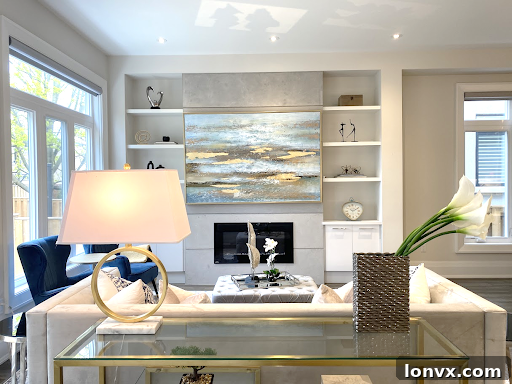
Every well-designed room benefits from a clear focal point – an element that immediately captures the eye and provides visual anchor. This could be a grand fireplace, an expansive window offering stunning views, a unique architectural detail like built-in shelving, or a captivating piece of art. Once identified, arrange furniture strategically to highlight this feature, drawing buyers’ attention towards the home’s most attractive attributes. For instance, in a living room with a prominent fireplace, position sofas and armchairs to face it, creating a natural conversation area around this central feature.
Beyond guiding the eye to specific features, consider opportunities to draw the gaze upwards. Incorporating elements like dramatic full-length drapery, striking light fixtures, or tall artwork can visually extend the walls, making rooms feel more spacious, airy, and impressive. Always ensure that furniture placement maintains an unobstructed flow of traffic, allowing potential buyers to move freely and comfortably from room to room. A well-defined focal point not only enhances the room’s aesthetic but also helps buyers remember specific features, contributing to a more memorable viewing experience.
3. Showcase Versatility to Broaden Buyer Appeal
In today’s dynamic living environments, buyers are increasingly looking for homes that offer flexibility and adaptability. Staging rooms to showcase their potential for multiple uses can significantly broaden a property’s appeal to a diverse range of demographics. For example, a spare bedroom doesn’t have to be just a guest room; it can be transformed into a productive home office, a tranquil yoga studio, or a functional home gym. By demonstrating these possibilities, you help buyers envision how the space could cater to their specific lifestyle needs, whether they are a young family, a single professional, or retirees.
Opt for flexible furniture pieces that can serve dual purposes, such as a stylish daybed that functions as both a comfortable couch and an extra bed for guests, or a console table that can double as a desk. When illustrating versatility, it’s crucial to maintain appropriate scale. While showing potential is good, avoid over-furnishing or cluttering the room. Each configuration should feel deliberate, spacious, and inviting, allowing buyers to easily imagine their own furniture and functions within the versatile space. This strategic approach highlights the home’s value and adaptability, making it more attractive to a wider audience.
4. Utilize Art Strategically to Enhance Visual Interest
Art is a powerful tool in staging, capable of adding personality, color, and sophistication to any room. When selecting artwork, choose pieces that complement the home’s overall style and color palette, rather than overwhelming it. Large, impactful statement pieces can serve as an instant focal point, particularly above a sofa, bed, or console table, drawing the eye and defining the space. Alternatively, smaller pieces can be thoughtfully grouped to create an engaging gallery wall, adding texture and storytelling to an otherwise blank wall.
A key staging principle, especially for wide-angle photography common in real estate listings, is to opt for larger artwork over numerous small, disparate pieces. A single, substantial artwork often makes a more memorable and visually impactful statement than a collection of smaller items that can appear cluttered or insignificant in photos. Remember, not every wall requires art; strategic placement is far more effective than simply filling every empty space. Focus on creating intentional focal points and adding visual interest where it will have the most impact. Overloading a room with too much art can detract from its appeal, making the space feel busy and less serene. The goal is to enhance, not to distract.
5. Incorporate Texture to Add Depth and Warmth
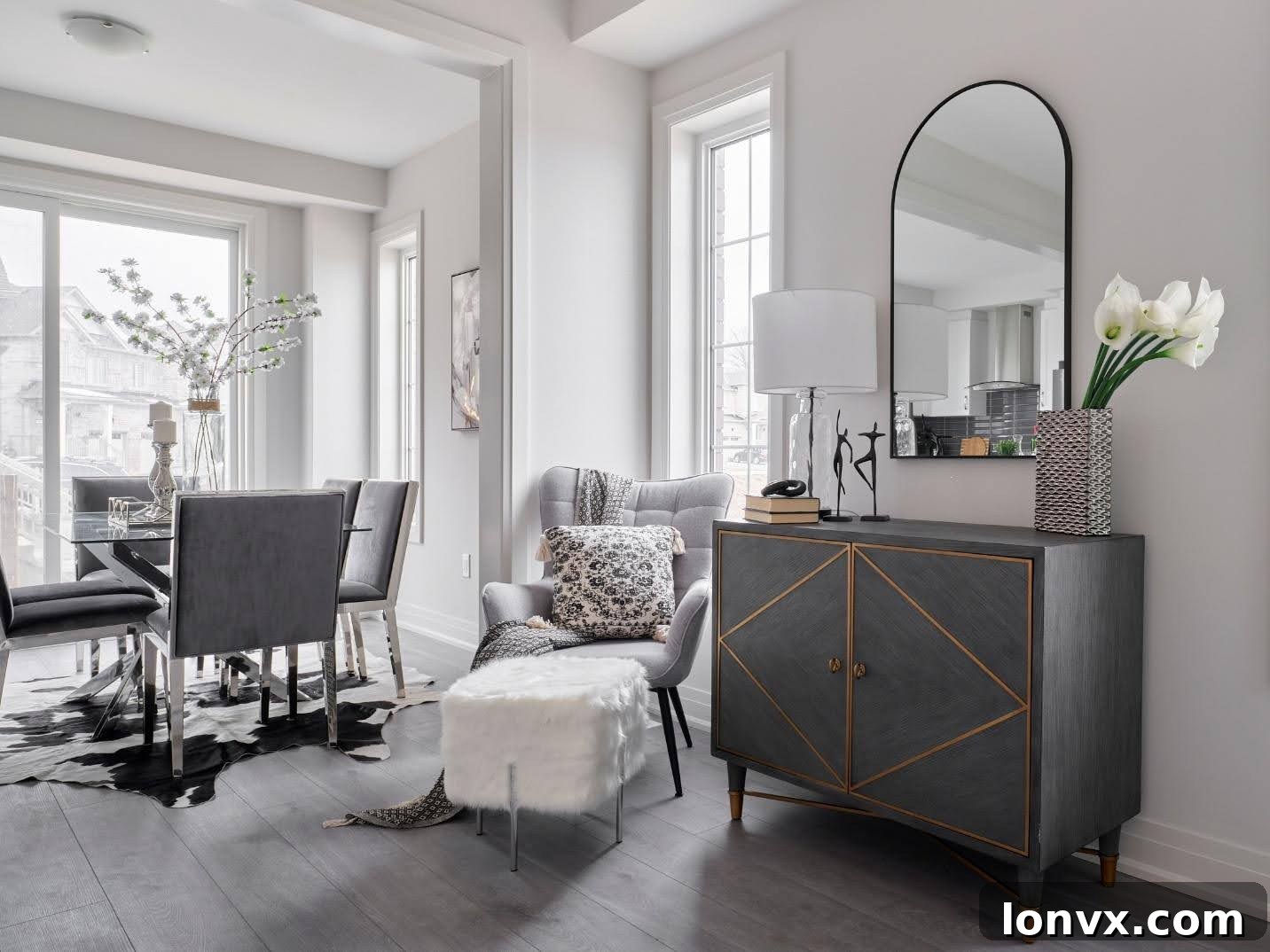
Texture is a vital, yet often overlooked, element in home staging that can significantly enhance the sensory experience of a space, adding depth, dimension, and a sense of luxury. By incorporating a variety of textures, you can make rooms feel more inviting, comfortable, and visually rich. Think about introducing soft, chunky knit throws draped over a sofa, plush area rugs that anchor seating areas, and an assortment of textured cushions made from linen, velvet, or faux fur. These elements create a tactile experience that appeals to buyers, encouraging them to imagine the comfort and coziness of living in the home.
Mixing different textures within a room adds visual interest and prevents a space from feeling flat or sterile. For instance, pairing a smooth, polished coffee table with a textured rug and a velvet armchair creates a harmonious yet dynamic look. When combined with a neutral color palette, these varied textures can foster a powerful emotional connection. Neutral tones provide a calming backdrop, while the textures add warmth and personality, prompting buyers to envision themselves relaxing and finding solace in their potential new home. This thoughtful layering transforms a house into a sanctuary, making it incredibly appealing.
6. Stage Outdoor Spaces to Expand Living Areas
With the approach of warmer weather or in climates where outdoor living is cherished year-round, neglecting exterior spaces in staging is a missed opportunity. Outdoor areas – whether a sprawling backyard, a compact patio, or a cozy balcony – are extensions of the home’s living space and should be staged with as much care and attention as the interiors. Create inviting outdoor living zones with comfortable seating arrangements, perhaps an outdoor sofa and chairs with weather-resistant cushions, complemented by an outdoor rug to define the space.
For dining areas, set the scene for alfresco meals with place settings, decorative lighting, and potted plants. This allows buyers to easily envision themselves entertaining guests or enjoying morning coffee outdoors. Even small spaces like balconies can be transformed into charming retreats with a bistro set and some vibrant potted greenery. Highlighting these exterior “rooms” effectively expands the perceived square footage and overall lifestyle offerings of the property, a particularly strong selling point for smaller homes, apartments, or condominiums where every square foot counts. Ensure these areas are clean, well-maintained, and free of clutter, presenting a seamless transition from indoor comfort to outdoor enjoyment.
7. Highlight Unique Architectural Details
Many homes possess unique architectural features that add character, charm, and intrinsic value. These details – such as elegant crown moulding, custom built-in shelving, rustic exposed beams, wainscoting, or distinctive window designs – often tell a story about the home’s craftsmanship and history. When staging, it’s crucial to draw attention to these features, allowing them to shine rather than blend into the background. For example, rather than painting crown moulding the same color as the walls, consider a subtle contrasting shade to make it pop, or ensure built-ins are neatly styled and not overfilled.
Strategic lighting can beautifully accentuate these details, with spotlights or ambient lighting drawing the eye to intricate carvings or textured surfaces. Using neutral-toned furnishings and minimalist decor around these features ensures they remain the focal point, preventing visual competition. By accentuating these architectural elements, you create a sense of bespoke elegance and sophistication that elevates the home’s perceived value and unique appeal. Buyers often appreciate homes with distinct character, and highlighting these details helps them appreciate the craftsmanship and design that sets a property apart.
8. Emphasize Ample and Organized Storage Solutions
For almost every buyer, storage space is a significant concern and often a key selling point. A home that appears to have abundant and well-organized storage can instill confidence and reduce buyer anxiety about clutter and practicality. While it’s unrealistic to expect storage spaces to be completely empty, they absolutely must look uncluttered, tidy, and functional. An overflowing, disorganized closet sends a message that the home lacks sufficient storage, even if it has plenty of space.
Maximize closet, pantry, and cabinet space by decluttering aggressively – remove anything that isn’t essential or perfectly organized. Introduce smart storage solutions such as decorative baskets, drawer organizers, clear bins, and shelving units. These tools not only create a sense of order but also help to visually expand the available space. For clients still living in the home, this approach allows them to maintain functionality while presenting an immaculate and spacious appearance to potential buyers. By showcasing well-managed storage, you demonstrate the home’s practicality and ease of living, making it much more attractive to anyone looking for an organized and functional living environment.
9. Add Greenery to Bring Life and Freshness
Incorporating plants and flowers throughout a home is a simple yet incredibly effective staging technique that breathes life, color, and freshness into indoor spaces. Greenery instantly adds a touch of nature, creating a serene and inviting atmosphere. Beyond their aesthetic appeal, plants are known to improve air quality, making rooms feel healthier and more vibrant. A well-placed potted plant in a living room, a small herb garden in the kitchen, or a fresh floral arrangement in the entryway can significantly enhance a buyer’s perception of the home’s vitality.
For vacant properties, or for clients who prefer low maintenance, high-quality artificial greenery and flowers are an excellent alternative. Modern faux plants are incredibly realistic and offer lasting charm without the need for watering, sunlight, or upkeep. While fresh flowers deliver an unparalleled vibrancy and natural fragrance, artificial options provide a consistent, worry-free solution. The key is strategic placement: use greenery to fill empty corners, add a pop of color to a monochrome palette, or simply to add an organic touch that softens hard lines and brings a sense of calm to any room.
10. Cultivate a Cozy and Comfortable Atmosphere
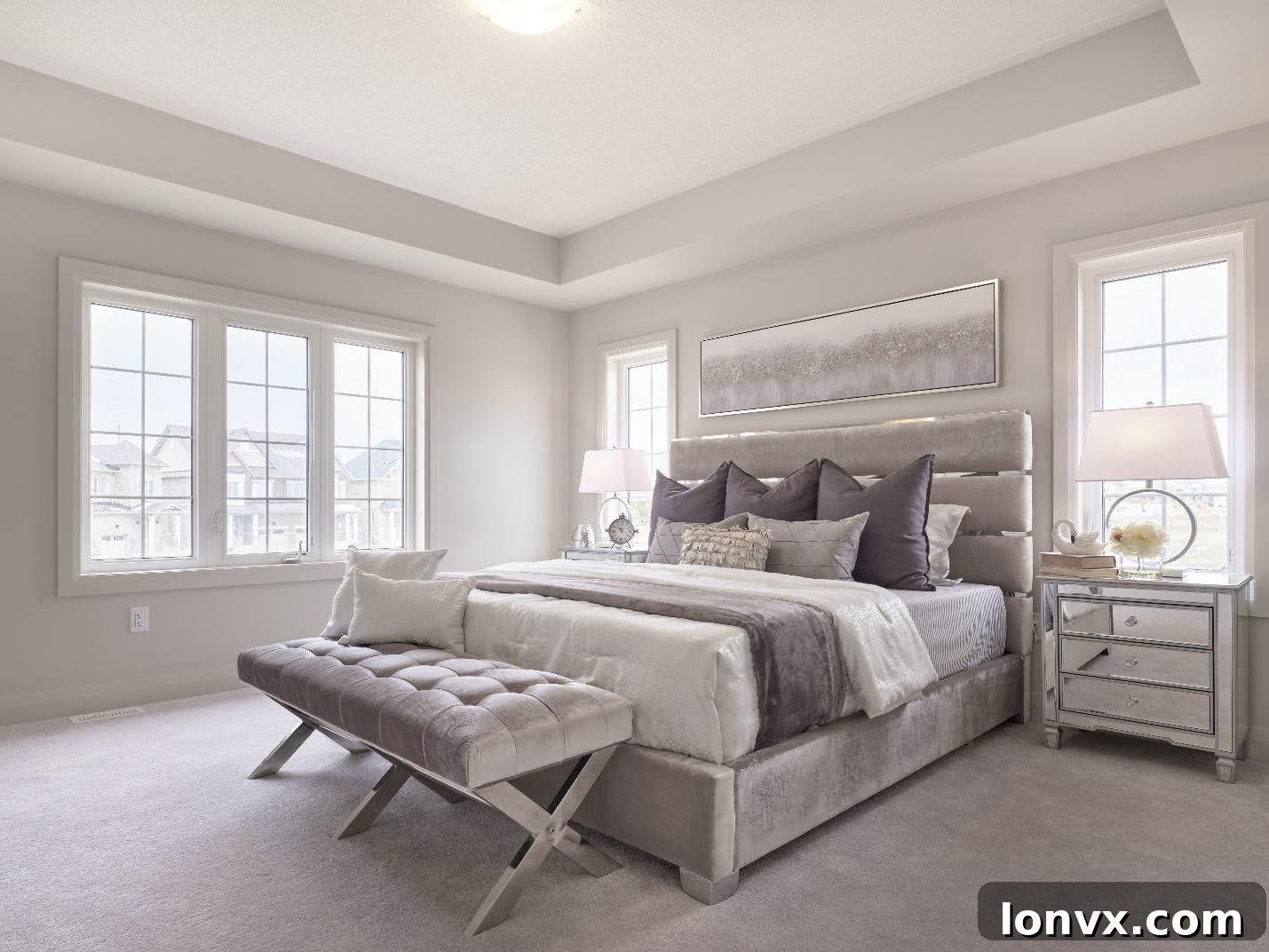
The ultimate goal of staging is to help buyers emotionally connect with a home, envisioning themselves living a comfortable and happy life within its walls. Creating a cozy and inviting atmosphere is paramount to achieving this. This can be accomplished through thoughtful layering of lighting, textiles, and decor. Use layered lighting – a combination of recessed ceiling lights, elegant floor lamps, and charming table lamps – to create warm pools of light that banish shadows and add ambiance. Instead of relying on a single overhead light, multiple light sources at different heights create depth and a welcoming glow.
Introduce soft elements like plush throw blankets draped artfully over sofas and armchairs, and an abundance of soft, textured cushions that invite relaxation. Pay particular attention to bedrooms, especially the primary bedroom, staging them as true sanctuaries. Dress beds with luxurious, crisp bedding, layers of pillows, and soft throws. Ensure beds are impeccably made, creating an image of ultimate comfort and tranquility. Buyers are looking for a personal retreat, a place where they can unwind and feel at peace. By focusing on comfort and relaxation, you help them forge that vital emotional connection, making the home feel less like a house on the market and more like their future haven.
Elevating Your Listings with Strategic DIY Staging
Even when operating with a limited budget, the strategic application of these less obvious DIY home staging tips can profoundly transform your listings. By understanding and implementing these techniques, real estate agents can empower their clients to present homes that feel inherently welcoming, impeccably stylish, and unequivocally move-in ready, all without incurring significant costs. The power lies in attention to detail and a thoughtful approach to presentation.
DIY staging isn’t just about tidying up; it’s about curating an experience, evoking positive emotions, and helping potential buyers envision their future lives within the property. This process, when implemented as a minimum standard for every listing, significantly impacts the success of a home sale, leading to faster sales, higher offers, and ultimately, more satisfied clients. Embrace these actionable strategies, and watch as your listings captivate potential buyers and achieve their maximum market potential.
Photos: Nina Doiron
Got more home staging questions for a future column? Submit them to [email protected]
Enjoying this article?
Get the latest REM articles in your inbox 3x week so you stay up to date on the latest in the Canadian real estate industry.