The Urgent Imperative: Accelerating the Adoption of Climate-Resilient Homes in Canada
Despite the escalating severity of climate change impacts across the globe, the integration of climate-resilient features into new and existing homes has remained surprisingly slow in Canada, a fact highlighted by industry experts. This sluggish uptake among both consumers and builders presents a significant challenge as extreme weather events become increasingly frequent and destructive.
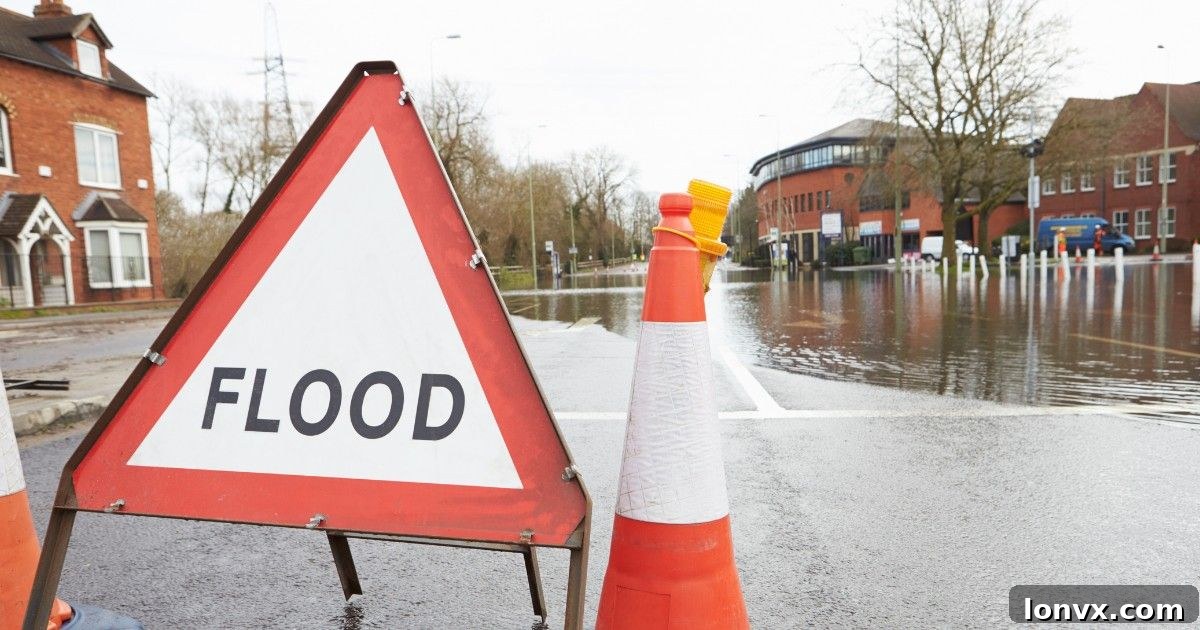
The concept of a “climate-resilient home” is not uniform; it is intrinsically linked to its geographical location and the predominant climate risks in that specific area. For instance, in Calgary, where devastating hailstorms are becoming more common, a climate-resilient home would likely incorporate an impact-resistant roof, specifically designed to withstand large hailstones. Conversely, in Toronto, a city grappling with worsening flash floods and overflowing storm sewers, resilience might manifest as advanced waterproofing systems, elevated foundations, and improved drainage solutions to protect against water ingress.
Canada’s Growing Climate Risk: A National Challenge
The scale of the impending crisis is stark. Ryan Ness, the research director at the Canadian Climate Institute, shared a sobering forecast with Real Estate Magazine. He warned that over the next decade, hundreds of thousands of new homes are projected to be built in areas designated as high-risk for wildfires and floods. This expansion into vulnerable zones is expected to contribute an average of an additional $2 billion annually in damages resulting from such climate-related perils, placing an immense burden on homeowners, insurance providers, and the economy at large.
Ness elaborated on the widespread nature of these risks. Both smaller communities and larger urban centers face significant threats. Areas like the Okanagan region in British Columbia, renowned for its natural beauty, are increasingly susceptible to devastating wildfires. Meanwhile, major flooding risks loom over some of Canada’s largest cities, including Winnipeg, where the Red River frequently threatens to overflow its banks. In metropolitan hubs like Montreal and Toronto, aging storm sewer infrastructure is simply inadequate to cope with the intensity of modern flash rainstorms, leading to widespread basement flooding. Moreover, a concerning trend sees more residential development encroaching upon forested areas, inadvertently placing new communities directly in the path of potential wildfires.
“As climate change continues to amplify the risks to housing from floods, wildfires, and other climate-related extreme events, there is an undeniable need for greater investment in risk reduction,” Ness emphasized. “This investment must occur on multiple fronts: at the building level, making individual homes more resilient, and at the planning level, ensuring we avoid constructing homes in inherently risky locations in the first place.”
What Defines a Truly Climate-Resilient Home?
Beyond specific features like impact-resistant roofs or flood barriers, a truly climate-resilient home adopts a holistic approach to environmental challenges. It’s about designing and constructing properties that can withstand, recover from, and adapt to the impacts of extreme weather and a changing climate. This often involves:
- Structural Integrity: Using materials and construction techniques that can resist high winds, seismic activity (where relevant), and heavy snow loads.
- Water Management: Advanced drainage, sump pumps, backwater valves, permeable landscaping, and elevated utilities to mitigate flood risks.
- Fire Resistance: Non-combustible siding, roofing materials, defensible space landscaping, and ember-resistant vents in wildfire-prone regions.
- Energy Efficiency: High-performance insulation, efficient windows, and sealing to reduce energy consumption, which also makes homes more habitable during power outages or extreme temperatures.
- Indoor Air Quality: Proper ventilation and moisture control to prevent mold growth, a common consequence of water damage.
- Material Selection: Choosing durable, sustainable, and locally sourced materials that can withstand local climate stressors.
The customization of these features based on regional climate projections is key. A home in Halifax, for instance, might prioritize wind resistance and protection against coastal erosion, while a home in the prairies might focus on hail and drought resilience. This tailored approach ensures that investments in resilience are both effective and cost-efficient.
The Reluctance Dilemma: Why Aren’t Canadians Adopting Faster?
Despite the clear and present dangers, the move towards climate-resilient housing has not gained significant traction. Glenn McGillivray, the managing director of the Institute for Catastrophic Loss Reduction (ICLR), echoes Ness’s concerns regarding the need for more resilient homes. His organization conducts extensive research into a wide array of climate risks, ranging from severe winds and hail to snow and ice storms, and has developed comprehensive recommendations for builders and homeowners to enhance building protection.
For example, in hail-prone areas like Calgary, the ICLR strongly advocates for impact-resistant roofs and advises against vulnerable materials like vinyl siding. Yet, McGillivray points to a troubling trend: a persistent lack of interest among both homeowners and builders in proactive resilience measures. “People are not tripping over themselves trying to be the first to do this,” he lamented. “It’s really problematic. Not enough people are taking action to make their homes more resilient, despite the growing evidence of risk.”
Understanding the Financial Equation: Upfront Costs vs. Long-Term ROI
A significant barrier to wider adoption appears to be the perceived upfront cost, even though McGillivray maintains that these investments can lead to substantial long-term savings. He cites the example of installing Class 4 shingles, the most hail-resistant option available, which might add an extra $1,500 to $2,000 to the cost of a new roof. While this represents a modest percentage of a home’s total value, it often proves to be a deterrent for consumers and builders alike who are focused on immediate expenses.
However, the ICLR’s research paints a different picture regarding the return on investment (ROI). Their studies indicate that homes incorporating climate-resilient features tend to command higher prices on the resale market. Furthermore, these properties often qualify for lower insurance premiums, as they pose a reduced risk to insurers. This dual benefit of increased property value and reduced ongoing costs offers a compelling financial argument for investing in resilience.
McGillivray also highlights the efficiency of implementing resilience during initial construction versus retrofitting an existing property. It is invariably cheaper and less disruptive to build in protective features from the ground up. Yet, he notes a considerable segment of homebuilders who remain hesitant to adopt such measures due to concerns that these additions might render their prices uncompetitive in the current market, potentially alienating cost-sensitive buyers.
Relying solely on insurance to cover the costs of climate-related damages is also becoming an increasingly precarious strategy, McGillivray warns. He points to instances in Calgary where some homeowners have struggled to secure insurance coverage due to the exceptionally high risk of hail damage. As climate risks intensify, the insurance market is hardening, potentially leading to higher premiums, reduced coverage, or even uninsurable properties in the most vulnerable areas. This trend could, paradoxically, become a strong motivator for resilience, as homeowners are forced to confront the direct financial implications of inaction.
The Psychological Barrier: Short-Term Memory and Procrastination
The human element also plays a crucial role in the slow adoption rate. John Dempster, a Re/Max real estate agent based in Drayton Valley, Alberta, serves as a poignant example of how motivation for climate resilience can quickly wane, even after a harrowing close call. In the summer of 2023, Dempster was among those forced to evacuate his home due to a raging wildfire. Fortunately, his property remained undamaged, but even this intense personal experience has not spurred him to make any changes to his home’s resilience.
Dempster candidly admits that if he had been asked about making upgrades a week after the wildfire, his answer might have been different, as the fear and immediacy of the natural disaster would still have been palpable. However, with time, that acute fear has receded, and the issue is no longer front of mind for him, nor for many others. “I’ll be honest, nobody really asks the question,” he stated regarding home resilience during property transactions. “Nobody’s going to go upgrade their siding or roof or do a lot of upgrades unless it’s absolutely necessary.”
He underscores the difficulty of realizing tangible value from resilience upgrades compared to their initial cost, suggesting that the investment is often not recouped during resale. “It’s interesting how time changes and people move on, they’re not as fearful anymore,” he reflected. “But it’s in the back of their minds for sure.” This psychological phenomenon—the tendency to deprioritize threats that are not immediately pressing—is a significant hurdle in driving widespread change.
Catalyzing Change: Policy, Innovation, and Awareness
Overcoming these barriers requires a multi-faceted approach involving policy, industry innovation, and public education.
The Power of Progressive Building Codes
One of the most impactful levers for increasing home resilience lies in government policy, particularly through updated building codes. McGillivray notes that the next iteration of the Canadian National Building Code, slated for release in 2030, is set to incorporate resilience features for the first time ever. This landmark inclusion follows the establishment of a dedicated working group tasked with thoroughly investigating the matter. While this represents a significant step forward, McGillivray cautions that it will take additional time for these federal guidelines to filter down and be fully adopted into provincial and municipal building codes, which directly govern construction practices across the country. The pace of this adoption will be critical in determining the real-world impact of these much-needed updates.
Incentives and Support Systems
Beyond mandatory building codes, governments can play a crucial role in incentivizing resilience. This could include offering grants, tax credits, or low-interest loans for homeowners and builders who voluntarily incorporate resilient features. Collaborating with the insurance industry to provide discounted premiums for certified resilient homes could also create a powerful financial incentive. Furthermore, robust public education campaigns are essential to raise awareness among homeowners about the specific climate risks they face, the benefits of resilience, and the practical steps they can take to protect their properties.
Fostering a Culture of Resilience
Ultimately, a shift towards widespread climate resilience requires a cultural transformation. Builders must become champions of sustainable and resilient construction, recognizing its long-term value and competitive advantage. Consumers need to be empowered with knowledge, demanding resilient features not as optional upgrades, but as fundamental components of a safe and future-proof home. This collective effort, driven by informed choices and supportive policies, will be instrumental in building a safer, more resilient Canada capable of withstanding the inevitable challenges of a changing climate.