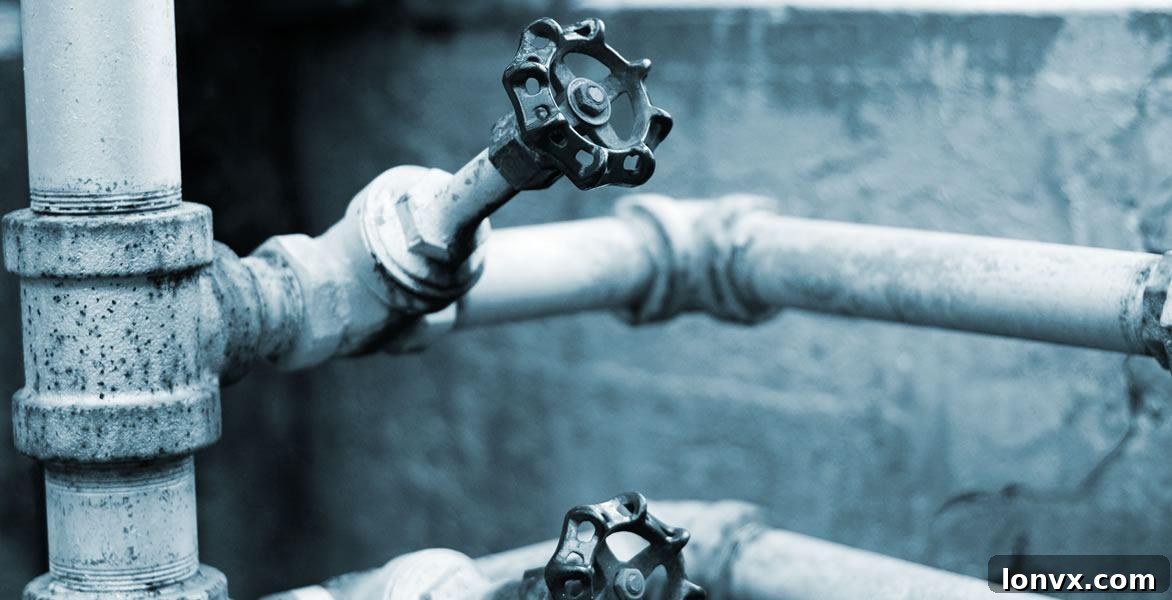
Water exhibits a unique property: it expands when it freezes. This characteristic is, in many ways, a marvel of nature, essential for aquatic ecosystems. If ice were denser than liquid water, it would sink to the bottom of lakes and rivers, causing them to freeze solid from the bottom up in cold climates. This would ultimately eradicate most aquatic life, fundamentally altering our planet’s biodiversity. However, while beneficial in nature, this very expansion presents significant challenges within the confines of our homes.
The Perils of Frozen Pipes: A Homeowner’s Essential Guide to Prevention and Thawing
For plumbing systems, the expansion of freezing water is anything but desirable. As water inside a pipe turns to ice, it exerts immense pressure—upwards of 2,000 pounds per square inch (PSI). This force is powerful enough to rupture even the most robust pipes, whether they are made of copper, PVC, or PEX. A burst pipe can lead to catastrophic damage, including extensive water leaks, structural damage, mold growth, and substantial repair costs. Even if a pipe doesn’t immediately split, the ice blockage will prevent water flow, often serving as the first unmistakable sign that you have a frozen pipe somewhere in your system. Recognizing these signs and knowing how to respond quickly and effectively is crucial for any homeowner.
Understanding the Threat: Why Frozen Pipes are a Major Concern
The risks associated with frozen pipes extend far beyond mere inconvenience. A burst pipe can unleash gallons of water into your home every minute, potentially flooding basements, damaging ceilings and walls, ruining furniture, and compromising electrical systems. The financial burden of such an event can be staggering, encompassing plumbing repairs, water damage restoration, and the replacement of damaged belongings. Moreover, the disruption to daily life can be immense, often requiring temporary relocation while repairs are underway. Therefore, understanding the mechanics of why pipes freeze and how to mitigate these risks is paramount for safeguarding your property and peace of mind, especially during colder months.
Typically, a pipe will freeze only in a small, localized section, often in areas that lack adequate insulation or are exposed to cold drafts. If detected early and if no damage has occurred, thawing the pipe can be a straightforward process, restoring your water supply without further incident. The key is knowing how to approach the situation safely and effectively to prevent exacerbating the problem or causing further damage.
Immediate Action: How to Safely Thaw Frozen Water Pipes
When faced with a frozen pipe, your primary goal is to thaw it slowly and carefully while minimizing the risk of a burst. Rushing the process or using improper methods can turn a manageable situation into a plumbing emergency. Here’s a detailed, step-by-step guide to help you manage frozen pipes safely.
-
Step 1: Prioritize Safety and Damage Assessment
Before you begin any thawing process, it is critical to heed the golden rule: “First, do no harm.” If a pipe has already split due to the ice expansion, thawing it out will result in a sudden, uncontrolled spray of water, potentially causing immediate flooding. In such a scenario, the ice plug is actually doing you a favor by containing the water. Therefore, if you can locate the frozen section of the pipe, inspect it meticulously for any visible cracks, bulges, or splits. If you find any signs of damage, or even strongly suspect damage, do not proceed with thawing. Instead, immediately locate and shut off the main water supply to your house to prevent flooding when the ice melts. Once the water is off, call a qualified plumber without delay. Attempting to thaw a damaged pipe without shutting off the water first can lead to significant water damage.
-
Step 2: Prepare Your Emergency Water Shut-Off System
Preparation is key, especially in an emergency. Even if you don’t immediately see a split, it’s prudent to have a backup plan. Before you start thawing, make sure you know the exact location of your main water shut-off valve. This valve is typically found where the main water line enters your home, often in a basement, crawl space, near your water heater, or outside near your meter. Operate the valve to ensure it’s not stuck, corroded, or damaged. You need to be able to shut off your water supply quickly and easily should the thawed pipe reveal a hidden leak or burst. A well-maintained and easily accessible shut-off valve can be the difference between a minor inconvenience and a major flood. If your valve is stiff or appears compromised, it’s wise to have it inspected by a plumber.
-
Step 3: Embrace Patience with Gentle Thawing Techniques
Patience truly is a virtue when thawing frozen pipes. The only safe and effective way to thaw a pipe is to do it slowly and gradually. Never, under any circumstances, use an open flame device like a blowtorch. High, direct heat can cause several dangerous problems: it can create steam that becomes trapped between the ice plug and a thawed section, leading to a sudden, explosive burst; it can melt solder joints in copper pipes or warp and melt plastic (PVC/PEX) pipes and fittings, causing new leaks; and it poses a severe fire hazard, especially if the pipe is near combustible materials within a wall cavity. Instead, opt for gentle, indirect heat sources. A hairdryer set on a low or medium setting, a portable space heater (kept at a safe distance and supervised), or even warm towels wrapped around the affected section of the pipe are far safer and more effective methods. If the frozen pipe is under a sink or behind cabinet doors, simply opening those doors can allow enough ambient room heat to circulate and gradually thaw the pipes over several hours. You can also try setting up a small fan to circulate the warm air more effectively. The goal is to raise the temperature of the pipe slowly, allowing the ice to melt gradually and reduce internal pressure.
-
Step 4: Recognizing When Professional Help is Essential
While some frozen pipe situations can be managed by homeowners, there are specific scenarios where calling a qualified plumber is not just advisable, but absolutely necessary. It’s never the wrong decision to consult a professional for peace of mind or if you’re uncertain. However, the following situations definitively require expert intervention:
- You Can’t Locate the Frozen Section: If you’ve lost water supply but cannot find the specific area where the pipe is frozen, it might be hidden within walls, under floors, or in inaccessible areas. Plumbers have specialized tools, such as thermal cameras, to accurately locate these hidden blockages without destructive exploration.
- You Suspect a Frozen Water Main or Multiple Pipes: A frozen main water line affects your entire home and is often buried underground or located in areas requiring excavation or specialized equipment. Similarly, if several pipes are frozen, it indicates a widespread issue that likely requires professional assessment and more robust thawing solutions.
- The Frozen Pipe Has a Visible Split or Leak: As mentioned, if you’ve identified a crack or rupture, do not thaw it. A plumber will be needed to repair or replace the damaged section of pipe after the water is shut off. Attempting DIY repairs on a burst pipe can lead to further complications.
- Your Main Shut-Off Valve is Corroded or Stuck: If you cannot confidently shut off your main water supply, you are at significant risk of severe flooding should a pipe burst. A plumber can address the valve issue and ensure your home is protected. This is a critical safety measure that should not be overlooked.
- No Water Flow After Thawing: If you’ve successfully thawed what you believed to be the frozen section, but still have no water flow, it indicates either another frozen section further down the line or, worse, a burst pipe that is not yet fully leaking due to residual ice. A plumber can diagnose the true extent of the problem.
Once you’ve successfully dealt with frozen water pipes, and your plumbing system is safely thawed and functional, the next crucial step is to prevent a recurrence. Perhaps the initial freeze was due to a simple oversight, like forgetting to turn on a heater in a crawlspace or leaving an exterior vent or hatch open during a cold snap. However, sometimes the solution is more complex and requires careful planning and strategic interventions to protect your home from future winter chills.
Long-Term Solutions: Preventing Pipes From Freezing Again
Proactive prevention is always more cost-effective and less stressful than reacting to a plumbing emergency. Implementing effective strategies to keep your pipes from freezing can save you significant time, money, and stress. Here are several proven solutions to fortify your home against freezing temperatures:
-
Enhance Heat in Vulnerable Areas
Often, the most immediate and effective short-term solution is to introduce additional heat to areas prone to freezing. For instance, if a pipe under a kitchen or bathroom sink froze, simply leaving the cabinet doors open on very cold days can allow the ambient heat from the room to reach the pipes, preventing them from dropping to freezing temperatures. In unheated spaces like crawl spaces, basements, or garages that house pipes, strategically placing a space heater (always supervised and kept away from flammable materials) can provide sufficient warmth. However, for a more permanent and automated solution, consider specialized heating devices. Heat tape, also known as heat cable, can be wrapped directly around pipes. These devices contain internal thermostats that automatically turn on when temperatures drop to a freezing point, providing localized warmth. Another elegant solution is pipe wrap, which can include self-regulating heating cables. Installation of these systems often requires electrical knowledge and proper sizing, making it a job best left to a qualified plumber to ensure safety and effectiveness.
-
Seal Air Leaks and Drafts
A common yet often overlooked cause of pipe freezing is cold air infiltration. Even small gaps or cracks can allow a steady stream of frigid air to reach uninsulated pipes, rapidly dropping their temperature. Cold air can seep into your home through various culprits: gaps around windows and doors, openings around dryer vents, utility lines (like cable or gas pipes) entering your home, foundation cracks, and unsealed access hatches to crawl spaces or attics. This problem is relatively easy and inexpensive to fix. Use weatherstripping for doors and windows, and apply caulk to seal cracks and openings around pipe penetrations, electrical outlets on exterior walls, and any other gaps you find. Expanding foam sealants can be particularly effective for larger crevices. A thorough inspection of your home’s exterior and interior, especially in areas where pipes are located, can help identify and eliminate these problematic cold air leaks. Eliminating these drafts significantly reduces the risk of pipes freezing.
-
Improve Pipe Insulation
Insulating pipes is a fundamental long-term strategy, but it requires careful execution. While seemingly straightforward, improper insulation can sometimes make the problem worse. For example, simply stuffing a pile of blankets around pipes might block household heat from reaching them, ironically creating a colder microclimate. Effective insulation works by trapping heat within the pipe or preventing external cold from reaching it. This involves using appropriate materials like foam pipe sleeves, fiberglass insulation, or spray foam, and ensuring they have a sufficient R-value (a measure of thermal resistance) for your climate zone. Furthermore, proper insulation often requires an air barrier and a vapor retarder to prevent moisture accumulation, which can degrade insulation effectiveness and lead to mold or corrosion. For complex insulation jobs, especially in crawl spaces, attics, or exterior walls, it is highly recommended to consult an insulation contractor or plumber. They can assess your specific situation, recommend the most effective type and R-value of insulation, and ensure it is installed correctly to provide maximum protection without trapping moisture or exacerbating other issues.
Proactive Winterization: A Comprehensive Approach
Beyond targeted solutions, a comprehensive winterization strategy is your best defense against frozen pipes. This involves a series of regular maintenance steps and practices to prepare your entire home for colder temperatures:
- Know Your Home’s Vulnerabilities: Take the time to identify areas in your home that are particularly susceptible to freezing. These typically include pipes located in unheated basements, crawl spaces, attics, garages, and pipes running along exterior walls or through uninsulated cabinets.
- Disconnect Outdoor Hoses: Before the first deep freeze, always disconnect garden hoses from outdoor spigots. Drain any remaining water from the hoses and, if possible, drain water from the spigot itself by turning off its interior shut-off valve and opening the exterior faucet to allow air in.
- Maintain Consistent Indoor Temperatures: During cold spells, avoid setting your thermostat too low, especially at night or when you’re away. Keeping your home heated to at least 55°F (13°C) ensures that ambient heat can reach and protect pipes in vulnerable areas.
- Consider a Slight Drip: In extreme cold, if you have particular concern about a specific faucet that serves an exposed pipe, allowing a tiny trickle of both hot and cold water to drip from the faucet can keep water moving, making it harder for ice to form. This should be a last resort due to water usage, but it can be effective.
- Travel Preparations: If you plan to leave your home for an extended period during winter, maintain your thermostat setting at a minimum of 55°F (13°C). Turn off your main water supply and drain your pipes if leaving for a very long period, or arrange for a trusted neighbor or friend to regularly check on your property.
- Emergency Kit: Assemble an emergency kit that includes essential tools (like a flashlight, adjustable wrench, buckets), and keep the contact information for your trusted plumber readily accessible.
Conclusion: Safeguarding Your Home Against Winter’s Chill
The unique property of water to expand upon freezing, while vital for natural ecosystems, poses a significant threat to our plumbing systems. Understanding this threat and equipping yourself with the knowledge to both safely thaw frozen pipes and, more importantly, prevent them from freezing in the first place, is an invaluable aspect of homeownership. By taking proactive steps to identify vulnerabilities, enhance insulation, seal air leaks, and maintain your heating systems, you can significantly reduce the risk of costly damage and inconvenience. Remember the importance of gentle thawing techniques and knowing when to call a professional plumber. A prepared home is a protected home, ensuring peace of mind throughout the coldest months and safeguarding your investment against winter’s unpredictable chill.