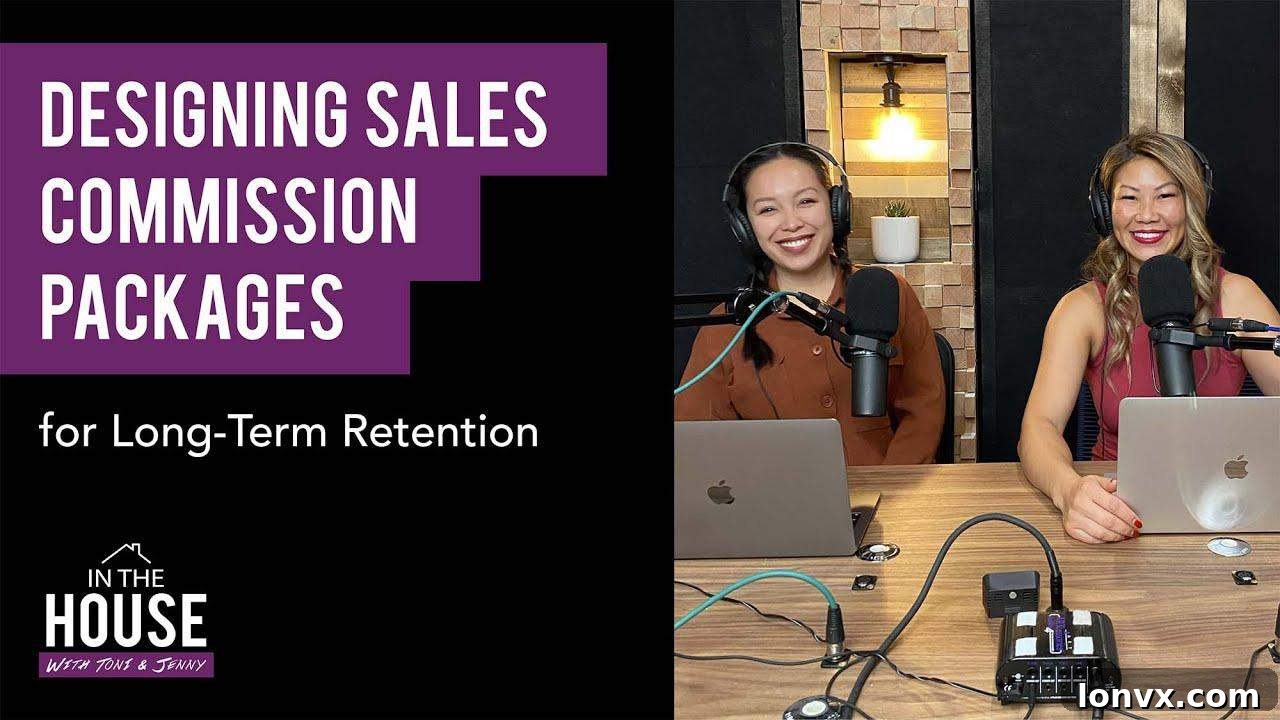
Crafting an Unbeatable Sales Commission Structure: Attracting & Retaining Top Talent
In the highly competitive world of sales, a meticulously planned and strategically designed sales commission structure isn’t just a perk; it’s a critical cornerstone for business success. It acts as a powerful magnet, drawing in the most ambitious and skilled sales professionals to your team, and simultaneously serves as the anchor that retains them long-term. Establishing a fair and motivating commission rate is both an art and a science, requiring a deep understanding of market dynamics, internal budgets, and human psychology. While it’s essential to benchmark against what competitors are offering and align with your overall business plan and financial budgets, the paramount consideration must always be ensuring that your salespeople feel genuinely valued and adequately rewarded for their efforts. Experts emphasize the importance of a holistic approach, considering every component from absolute transparency in compensation details to innovative and creative perk packages that go beyond monetary rewards.
Clearly articulating compensation packages for sales associates is not merely a formality; it’s a strategic imperative. When your sales team profoundly understands their earning potential, the expectations set for them, and the clear path to achieving their commission, it fosters an environment of trust, motivation, and shared purpose. This clarity empowers your team, aligning their individual drive with your overarching organizational objectives and propelling your sales force towards achieving ambitious goals with greater efficiency and enthusiasm. By investing time and thought into creating a compelling compensation framework, you provide the best talent with compelling reasons to accept a position on your sales team and, crucially, to commit to your company for the long haul, becoming integral to your sustained growth and success.
The Foundation: Understanding the Impact of Your Sales Compensation
The compensation plan you offer is often the first and most lasting impression a potential sales professional has of your organization. It signals how much you value their contribution and how serious you are about investing in their success. A robust compensation structure does more than just pay bills; it builds careers and fosters loyalty.
Beyond the Paycheck: Attracting High-Caliber Professionals
Top sales performers are not just looking for a job; they are looking for an opportunity to excel, to be rewarded proportionally to their talent and effort, and to grow. They meticulously evaluate potential roles, scrutinizing commission rates, accelerators, bonus structures, and the overall earning potential. A well-designed plan communicates that your company recognizes and is willing to pay for top-tier talent. It projects an image of a company that believes in its products or services, is confident in its market position, and trusts its sales team to deliver. When a commission plan is generous, fair, and transparent, it acts as a powerful beacon, drawing in individuals who are confident in their abilities to exceed targets and maximize their earnings. This perception of value and respect is invaluable in securing the best talent in a competitive landscape.
Cultivating Loyalty: Retaining Your Star Sales Associates
Attracting talent is only half the battle; retaining it is equally, if not more, important. High turnover rates in sales are incredibly costly, encompassing recruitment expenses, training time, lost productivity, and the potential loss of customer relationships. A competitive and equitable commission structure significantly reduces the likelihood of your top performers looking elsewhere. When salespeople consistently feel that their hard work is justly compensated, and their earning potential is uncapped, they are more likely to stay committed to your company. Furthermore, a structure that rewards consistent achievement and provides opportunities for increased earnings through accelerators or tiered bonuses fosters a sense of career progression and belonging. This cultivates loyalty, builds institutional knowledge within your team, and ultimately leads to stronger, more stable client relationships and sustained revenue growth.
The Science of Fair Compensation: Devising Your Commission Rate
Setting the right commission rate requires a delicate balance of external research, internal financial planning, and an understanding of employee motivation. It’s not just about a percentage; it’s about a sustainable and motivating ecosystem.
Market Research and Competitive Analysis
Before finalizing your commission rates, extensive market research is imperative. This involves benchmarking against industry standards, analyzing what your direct competitors offer, and understanding regional compensation trends. Tools like industry surveys, compensation data providers, and professional networking can provide valuable insights. However, simply matching competitor offerings isn’t always the best strategy. Your goal is to be competitive enough to attract and retain talent, but also to design a plan that is uniquely suited to your business model, sales cycle, and profit margins. Understanding competitor practices provides a baseline, helping you avoid being significantly under (or over) market rates, ensuring your plan is appealing and sustainable.
Aligning with Business Objectives and Budgets
A commission plan must be inextricably linked to your company’s overarching business objectives and financial health. This means connecting commission payouts directly to outcomes that drive your company’s profitability, whether it’s new customer acquisition, upsells, cross-sells, customer retention, or specific product line promotions. The plan must be financially viable, ensuring that the cost of commissions does not erode profit margins to an unsustainable level. It requires careful budgeting and financial modeling to project the impact of different commission structures on overall company profitability. A sustainable compensation model is one that rewards sales success while contributing positively to the company’s bottom line, fostering growth without compromising financial stability.
The Art of Valuation: Ensuring Salespeople Feel Valued
Beyond the numbers, the psychological impact of compensation is profound. Salespeople are inherently driven by achievement and recognition, and their commission directly reflects their perceived value within the organization. If they feel undervalued, even if the rate is technically “market standard,” it can lead to demotivation, decreased effort, and eventual departure. This feeling of being undervalued can stem from complex commission structures that make it difficult to earn, arbitrary caps on earnings, or a perception that the company is taking an unfair share of the profit. Crafting a plan that not only pays well but is also perceived as fair, transparent, and rewarding for effort is crucial. It’s about creating a sense of partnership where the success of the salesperson directly translates into the success of the company, and vice-versa.
Key Components of an Effective Sales Commission Framework
An effective sales commission framework is built on pillars of clarity, innovation, and strategic goal setting.
Transparency: Building Trust and Clarity
One of the most critical elements of any successful commission structure is absolute transparency. Every sales associate must have a crystal-clear understanding of how their compensation is calculated, what targets they need to hit, the specific rates applied to different products or services, and the exact payout schedules. There should be no ambiguity regarding quotas, commission percentages, accelerators, or any deductions. This clarity reduces conflict, eliminates guesswork, and builds a strong foundation of trust between management and the sales team. When rules are clear, salespeople can focus all their energy on selling, knowing precisely what they need to do to maximize their earnings. Transparent reporting on performance against goals and earned commissions further reinforces this trust and motivates continued high performance.
Beyond Basic Commissions: Creative Perk Packages and Incentives
While competitive commission rates are paramount, an attractive compensation package often extends beyond direct monetary payouts. Creative perk packages and additional incentives can significantly enhance job satisfaction and retention. These can include:
- Tiered Bonuses: Rewards for exceeding specific sales milestones or overall targets.
- Accelerators: Increased commission rates once a certain threshold is met, highly motivating for top performers.
- SPIFFs (Sales Performance Incentive Funds): Short-term bonuses for selling specific products, clearing old inventory, or achieving immediate strategic goals.
- Non-Monetary Rewards: Public recognition, awards, opportunities to lead projects, or exclusive training sessions.
- Professional Development: Funding for industry certifications, sales training workshops, or leadership programs, demonstrating investment in their career growth.
- Comprehensive Benefits: Robust health insurance, retirement plans, paid time off, and flexible work arrangements contribute significantly to overall job satisfaction.
- Company Culture: A positive, supportive, and success-driven work environment itself can be a powerful “perk,” fostering camaraderie and mutual respect.
These supplementary benefits demonstrate that the company values its employees beyond their immediate sales numbers, contributing to a more engaged and loyal workforce.
Setting Clear Expectations and Measurable Goals
For a commission structure to be effective, it must be tethered to clear, measurable goals and expectations. This involves defining Key Performance Indicators (KPIs) and quotas that are realistic yet challenging. Sales associates need to know exactly what is expected of them in terms of sales volume, customer acquisition, retention rates, or other metrics crucial to the business. Regular performance reviews, one-on-one coaching sessions, and consistent feedback loops are vital to ensure salespeople are on track and understand how their daily activities contribute to their overall commission and the company’s success. Clear expectations eliminate ambiguity and guide desired behaviors, ensuring that the sales team is focused on activities that generate the most value for the organization.
Building Your Unbeatable Sales Commission Framework: A Step-by-Step Guide
Developing a powerful sales commission plan is a strategic process that requires careful planning and execution.
Step 1: Define Your Sales Objectives
Begin by clearly outlining what you want your sales team to achieve. Are you focused on aggressive new customer acquisition, expanding market share for specific products, improving customer retention rates, or driving profitability through higher-margin sales? Your commission plan should directly incentivize these specific outcomes. For example, if new business is key, higher commission rates might apply to first-time sales.
Step 2: Choose Your Commission Model(s)
There are various models to consider, and you might use a hybrid approach:
- Straight Commission: Salespeople earn only a percentage of their sales, often with no base salary. High risk, high reward.
- Base Salary + Commission: A common model offering stability with a base salary, plus an incentive for sales performance.
- Tiered Commission: The commission rate increases as a salesperson hits higher sales thresholds (e.g., 5% on the first $50k, 7% on the next $50k).
- Profit-Based Commission: Commission is calculated based on the profit margin of the sale, incentivizing high-margin deals.
- Revenue-Based Commission: Commission is a percentage of the total revenue generated.
- Draw Against Commission: Salespeople receive a regular payment (the “draw”) that is then deducted from their earned commissions.
Select the model that best aligns with your sales cycle, product complexity, and risk tolerance.
Step 3: Determine Your Commission Rate
Based on your market research, budget, desired profit margins, and chosen model, set a specific commission rate or range. This rate needs to be competitive enough to attract top talent but also sustainable for your business. Consider the average deal size, sales cycle length, and the effort required to close a sale.
Step 4: Incorporate Performance Incentives
Integrate additional incentives beyond the basic commission. This could include bonuses for exceeding quarterly or annual targets, team bonuses for collaborative achievements, or accelerators that kick in once certain sales volumes are reached. These incentives motivate extraordinary performance and foster a culture of achievement.
Step 5: Outline Perk and Benefits Packages
Detail the non-monetary and supplementary benefits offered. This includes health and retirement plans, professional development opportunities, recognition programs, and any other unique perks that enhance the overall employee value proposition. These elements add significant appeal to your total compensation package.
Step 6: Document and Communicate Everything Clearly
Create a comprehensive Sales Compensation Plan document that clearly outlines every aspect of the structure. Conduct thorough training sessions for your sales team to ensure everyone understands how the plan works, what their targets are, and how they will be paid. Provide examples and open forums for questions to ensure complete clarity and transparency.
Step 7: Implement, Monitor, and Adjust
Once implemented, continuously monitor the effectiveness of your commission plan. Track sales performance, employee satisfaction, and turnover rates. Be prepared to gather feedback from your sales team and make necessary adjustments based on market changes, business needs, or unforeseen outcomes. A flexible plan that can adapt is more likely to remain effective long-term.
The Long-Term Benefits: Achieving Sustainable Sales Growth
The strategic investment in a well-crafted sales commission structure yields significant long-term benefits that extend far beyond simply attracting individual sales. It cultivates a high-performing sales culture, driving sustainable growth and enhancing overall business profitability.
- Increased Motivation and Productivity: When compensation directly correlates with effort and success, salespeople are inherently more motivated to exceed targets, leading to higher individual and team productivity.
- Reduced Sales Attrition: A fair, transparent, and rewarding commission plan significantly reduces turnover, keeping experienced and successful salespeople within your organization, which saves recruitment and training costs.
- Stronger Company Culture: A compensation plan that fosters healthy competition while also rewarding team efforts can build a stronger, more collaborative, and success-oriented company culture.
- Direct Impact on Revenue and Profitability: Ultimately, a well-designed commission structure directly drives sales performance, leading to increased revenue, improved market share, and enhanced overall profitability for the business.
By aligning individual incentives with corporate goals, a well-structured commission plan becomes a powerful engine for sustained business success.
In conclusion, developing an effective sales commission structure is far more than a budgetary exercise; it’s a strategic imperative that directly impacts your ability to attract, motivate, and retain top sales talent. By embracing transparency, understanding market dynamics, aligning with business objectives, and creatively incorporating perks, companies can build a compensation framework that not only rewards performance but also fosters a thriving sales culture and drives unparalleled business growth. This investment in a robust and fair system ensures that your sales team remains your most valuable asset, consistently propelling your organization towards its highest aspirations.