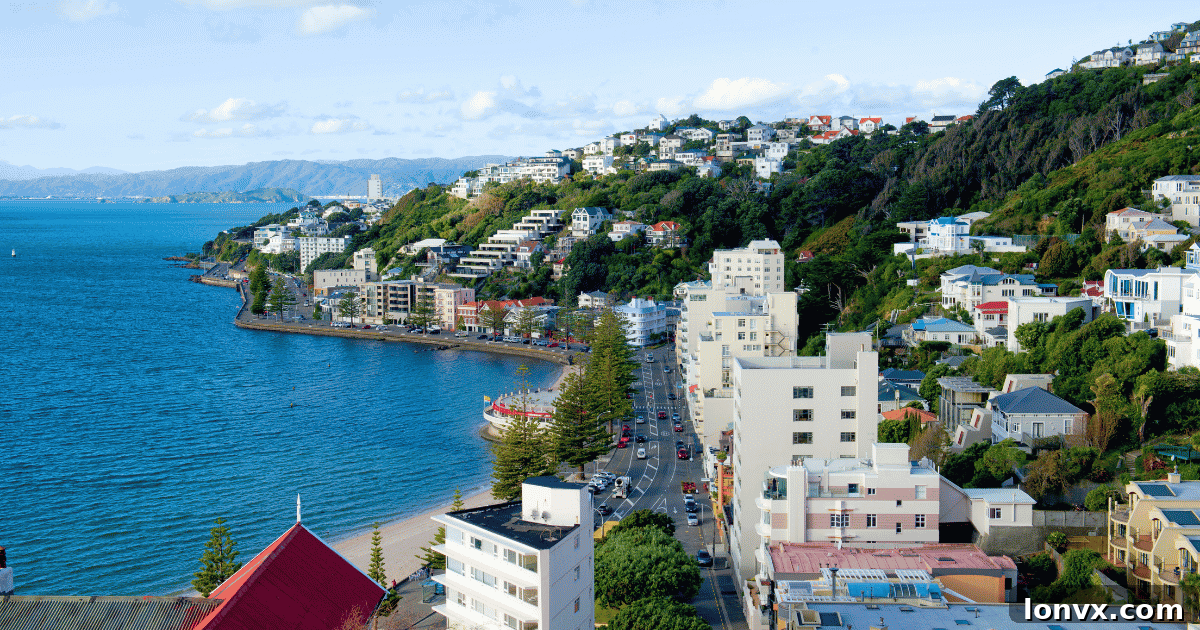
Canada and New Zealand sit nearly at opposite sides of the globe, yet their housing markets have evolved along strikingly similar lines. Both countries moved from relatively light-touch property sectors to highly regulated markets as authorities sought to rein in rising prices, curb foreign ownership and close loopholes that had encouraged speculative investment.
New Zealand’s earlier laissez-faire approach led to strong investor interest, supply shortages and soaring prices. Today home values in some places exceed nine times average household incomes, a level of unaffordability familiar to many Canadians. In response, Ottawa and Wellington have tightened rules on foreign buyers, investor activity, taxation and anti-money-laundering enforcement in recent years.
From soft touch to a heavier hand
Both countries have shifted decisively toward stricter real estate controls. Yet heavy regulation has not eliminated market volatility, speculative bubbles or the persistent shortage of affordable housing. Compliance gaps and bureaucratic friction remain issues for regulators and market participants alike.
New Zealand experienced a dramatic boom early in the pandemic followed by a prolonged correction beginning in 2022. As inventory has risen, prices have largely stabilized, according to Johnny Sinclair, national residential director at Bayleys Realty — New Zealand’s largest full-service real estate firm, which partners internationally with Knight Frank.
A different kind of market
There are several practical differences between New Zealand’s housing market and typical North American practice. Many sales agents work on a full-commission basis, and auctions are a common sales method in several regions. Marketing expenses such as photography, advertising and staging are typically paid upfront by vendors, rather than being split later.
Instead of a single, nationwide database like the MLS used in parts of North America, New Zealand has agency networks and a range of public property portals. Agents must be licensed, adhere to a code of conduct, maintain transparency and document transactions, and pursue ongoing professional development. Those working in the sector frequently complain about excessive red tape.
“The biggest markets are in our big five cities, with Auckland being the largest, followed by Hamilton, Tauranga, Wellington and Christchurch,” Sinclair says. International interest is also strong in the Queenstown-Lakes District, thanks to its remarkable scenery. Despite this appeal, housing affordability remains a crisis: median prices in Auckland sit near NZ$1 million (about CAN$810,000), while Queenstown-Lakes averages around NZ$1.5 million. Rental costs are similarly out of reach for many households.
Brain drain and a fragile recovery
The Real Estate Institute of New Zealand notes that while parts of the market show signs of stabilizing, the recovery is fragile. An ongoing “brain drain” — a record exodus of Kiwis to countries such as Australia attracted by higher wages and more robust job markets — adds pressure to the domestic economy and housing demand dynamics.
New Zealand’s landscape remains a major selling point for residents and investors alike. The country is an archipelago with dramatic fiords, snowy peaks and rolling green hills, and most of its 5.3 million people live on the North Island, the economic centre, or on the larger but more sparsely populated South Island. Housing tends to be more affordable in many parts of the South Island, which is cooler and stretches farther toward Antarctica.
Remote listings, helicopter tours and a famous sheep
Distance and terrain create unique challenges for agents, especially those handling expansive high-country sheep stations. Touring some properties can require helicopters or four-wheel-drive vehicles, and transactions for such remote estates often take years and attract a tiny buyer pool. When sales do occur, however, they can command extraordinary sums — as illustrated by last year’s NZ$55 million sale of a 10 per cent share in Bendigo Station, once home to Shrek, the sheep who gained international notoriety after avoiding shearing for six years.
A golden visa divides opinion
Recently, the New Zealand government eased a portion of its foreign buyer ban to attract ultra-luxury investment. Eligible overseas investors holding the Active Investor Plus (AIP) residency visa can now apply to purchase or build residential properties valued at NZ$5 million or more. Proponents argue the change will attract wealthy, long-term capital; critics worry it will further inflate prices and place homeownership beyond the reach of many locals.
The “golden visa” debate has highlighted broader cultural tensions. Some dismiss opposition as “tall poppy syndrome,” a social tendency in New Zealand to distrust ostentatious wealth. Supporters, including Scarlett Wood, senior international business director at Sotheby’s New Zealand, say the policy positions the country as an attractive, well-governed destination for high-net-worth individuals seeking capital preservation and lifestyle benefits. She notes growing interest from buyers in the United States and elsewhere under the new program.
With ongoing supply constraints, international appeal and carefully targeted investment policies, New Zealand — much like Canada — appears to be entering a new chapter in its real estate story. Whether recent policy shifts will ease affordability pressures or widen divisions remains one of the sector’s most consequential questions.