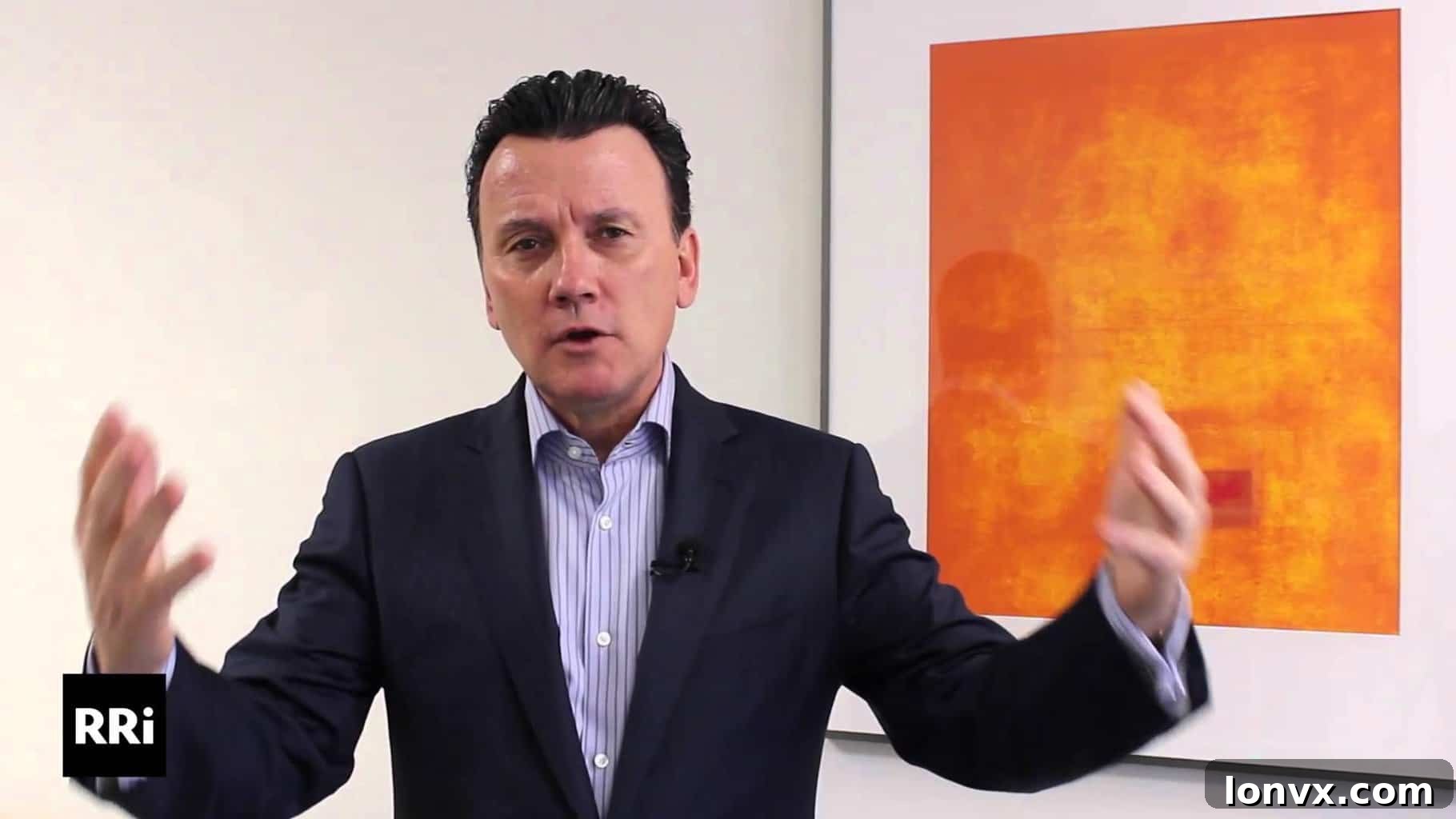
The Ethical Salesperson: Guiding Buyers to Decisions in Their Best Interest
At its core, the role of a salesperson transcends mere transaction; it is about empowerment. An effective salesperson is a trusted advisor, a problem-solver, and ultimately, a motivator who guides buyers toward decisions that genuinely serve their best interests. This philosophy moves beyond the outdated stereotype of the pushy salesperson, embracing a modern, ethical approach that builds lasting relationships and fosters mutual success.
In today’s competitive landscape, buyers are more informed than ever. They have access to vast amounts of information, reviews, and comparisons, making a high-pressure, feature-dumping sales approach largely ineffective. Instead, a successful salesperson must cultivate trust, demonstrate genuine empathy, and provide value long before a sale is even considered. This transformation of the sales role from a seller of products to a purveyor of solutions and a partner in progress is fundamental to achieving sustained success.
Beyond the Transaction: Embracing Consultative Selling
The traditional model of sales often focused on closing a deal at any cost. However, a truly impactful salesperson operates within a consultative framework. This means shifting the focus from “what I want to sell” to “what the buyer truly needs.” It involves a deep dive into understanding the buyer’s current situation, their challenges, their aspirations, and how a particular product or service can genuinely enhance their life or business.
Consultative selling is a diagnostic process. Just as a doctor doesn’t prescribe medication without understanding symptoms, a salesperson shouldn’t offer solutions without thoroughly understanding the buyer’s pain points. This approach requires active listening, insightful questioning, and a willingness to postpone the pitch until a comprehensive understanding is achieved. When a salesperson acts as a consultant, they aren’t just selling a product; they are selling a tailored solution to a recognized problem, making the decision-making process much easier and more beneficial for the buyer.
Understanding the Buyer’s Best Interest: The Foundation of Ethical Sales
What does it truly mean to act in the buyer’s best interest? It means prioritizing their long-term satisfaction and success over a short-term commission. It involves honesty, transparency, and sometimes, even advising a buyer that your solution might not be the right fit if another option genuinely serves them better. This level of integrity builds immense credibility and trust, even if it means losing a sale in the short term, it secures a reputation that will attract future business.
To identify a buyer’s best interest, a salesperson must:
- Conduct thorough needs analysis: Ask open-ended questions that uncover underlying challenges, goals, and motivations. Go beyond surface-level inquiries.
- Listen actively and empathetically: Pay attention not just to what is said, but also how it’s said. Understand the emotions and implications behind their words.
- Identify pain points and aspirations: What problems are they trying to solve? What future state are they hoping to achieve? How does their current situation fall short?
- Educate, don’t manipulate: Provide clear, concise information about how your solution addresses their specific needs, backed by evidence and testimonials.
- Consider budget and resources: Recommend solutions that are financially viable and practical for the buyer to implement and maintain.
By genuinely understanding and advocating for the buyer’s best interest, the salesperson transforms from a mere vendor into an invaluable partner.
Building Trust and Rapport: The Cornerstone of Influence
Motivation in sales is not about coercion; it’s about inspiration and conviction, stemming from a foundation of trust. Without trust, even the most compelling solution will fall flat. Building rapport is the initial step, creating a comfortable and open environment where the buyer feels safe to share their thoughts and concerns.
Key elements in building trust and rapport include:
- Authenticity: Be genuine in your interactions. People can sense insincerity.
- Reliability: Follow through on promises, big or small. If you say you’ll send information by Tuesday, do it.
- Credibility: Demonstrate expertise in your product, industry, and the buyer’s specific challenges. Share relevant case studies or success stories.
- Empathy: Show that you understand their perspective and challenges. Acknowledge their feelings.
- Transparency: Be upfront about capabilities, limitations, and pricing. Avoid hidden costs or misleading information.
When trust is established, buyers are more receptive to guidance, more open to exploring solutions, and ultimately, more likely to make a decision that benefits them and, consequently, you.
The Art of Ethical Motivation: Guiding Towards Informed Decisions
Once trust and a deep understanding of the buyer’s needs are in place, the salesperson’s role shifts to ethically motivating them towards a decision. This isn’t about applying pressure, but about clearly articulating the value, mitigating risks, and helping the buyer visualize a better future with the proposed solution.
Effective motivation strategies include:
- Highlighting Value Proposition: Clearly articulate not just what the product is, but what it does for the buyer. Focus on benefits, return on investment, and problem resolution.
- Creating Urgency (Ethically): If there are legitimate reasons for a timely decision (e.g., avoiding future problems, capitalizing on an opportunity, limited availability), present them honestly and with data, not manufactured scarcity.
- Addressing Objections Proactively: Anticipate common concerns and address them before they become roadblocks. View objections as requests for more information, not rejections.
- Social Proof: Share testimonials, case studies, or statistics from satisfied customers who have benefited from the solution.
- Risk Reversal: Offer guarantees, trial periods, or clear support structures to minimize perceived risks for the buyer.
- Future Pacing: Help the buyer envision the positive outcomes and improvements they will experience after implementing the solution.
The salesperson acts as a facilitator, clearing away doubts and providing the necessary clarity for the buyer to confidently move forward with a decision that aligns with their goals.
Cultivating Long-Term Relationships: Beyond the Initial Sale
The role of a salesperson doesn’t end when the contract is signed. In a buyer-centric approach, the sale is merely the beginning of a potentially long and fruitful relationship. Successful salespeople understand that customer satisfaction, retention, and referrals are the true indicators of success and the bedrock of a sustainable business.
Post-sale engagement includes:
- Ensuring Smooth Onboarding: Facilitate the transition and ensure the buyer can effectively utilize the product or service.
- Follow-up and Support: Check in regularly to ensure satisfaction and offer ongoing assistance.
- Seeking Feedback: Use feedback to improve services and demonstrate that their opinion matters.
- Identifying Upsell/Cross-sell Opportunities (Ethically): Only introduce additional products or services if they genuinely add further value and align with the buyer’s evolving needs.
- Becoming a Resource: Continue to provide value even when there’s no immediate sales opportunity, perhaps by sharing industry insights or useful content.
By investing in the buyer’s success even after the transaction, salespeople cultivate loyalty, turning one-time customers into advocates and repeat clients. This approach not only maximizes the lifetime value of each customer but also reinforces the salesperson’s reputation as a reliable and trusted advisor.
Key Qualities of the Modern Sales Professional
To embody this ethical, buyer-centric role, a salesperson must possess a blend of essential qualities:
- High Emotional Intelligence (EQ): The ability to understand and manage one’s own emotions, as well as perceive and influence the emotions of others. This is crucial for empathy and communication.
- Impeccable Communication Skills: Both active listening and clear articulation are vital for uncovering needs and presenting solutions.
- Product and Industry Expertise: Deep knowledge instills confidence and allows for tailored solutions.
- Integrity and Ethics: Non-negotiable for building long-term trust and a positive reputation.
- Problem-Solving Aptitude: The capacity to analyze situations and devise effective solutions for buyers.
- Resilience: The ability to handle rejection and setbacks with a positive attitude.
- Adaptability: The flexibility to adjust sales strategies based on individual buyer needs and market changes.
These qualities allow a salesperson to not just sell, but to truly serve, aligning their objectives with the best interests of their clients.
Conclusion: The Empowering Role of the Ethical Salesperson
The modern salesperson is far more than a purveyor of goods; they are a catalyst for positive change in a buyer’s life or business. By committing to understanding, advocating for, and ethically motivating buyers toward decisions that truly benefit them, salespeople transform transactions into partnerships. This approach not only leads to more sustainable sales and customer loyalty but also elevates the perception of the sales profession itself. In a world brimming with choices, the trusted advisor who genuinely has the buyer’s best interest at heart will always stand out, creating value that extends far beyond the bottom line.