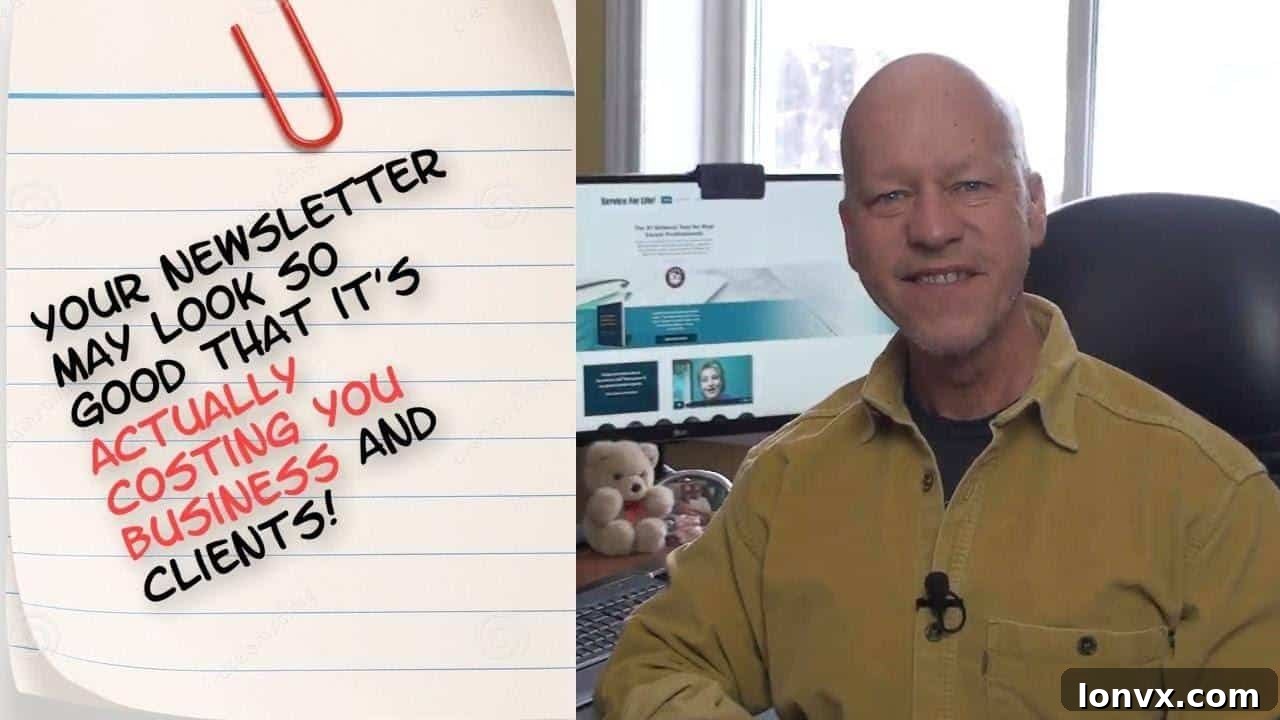
The Power of the Personal Touch: Why Your Real Estate Newsletter Shouldn’t Look Too Perfect
In today’s hyper-digital, often overwhelming world, we are constantly bombarded with sleek, professionally designed advertisements and marketing materials. From social media feeds to banner ads, everything seems meticulously crafted, polished, and, at times, impersonal. This pervasive trend has led many real estate agents to believe that their own marketing efforts, especially their client newsletters, must emulate this high-gloss standard to be taken seriously. However, what if we told you that the exact opposite is true, particularly when it comes to connecting with your sphere of influence and building lasting relationships?
Indeed, if your newsletter is too slick, too glossy, or too professional-looking, guess what? People are probably not going to read it with the same level of attention or trust. The secret to an effective real estate newsletter often lies in its authenticity – looking like something you, the agent, genuinely put together yourself. This approach fosters a deeper connection, builds trust, and ultimately positions you as a relatable, human expert, rather than just another faceless brand vying for attention. For more insights on leveraging this strategy to generate income, consider exploring resources like this story on making money with your newsletter, which delves into the practical applications of this philosophy.
Why Authenticity Outperforms Polished Perfection in Real Estate Newsletters
The human brain is wired to detect authenticity. In a sea of perfectly curated content, something that feels real and personal stands out. For real estate, where trust and relationships are paramount, this “homemade” aesthetic becomes a significant advantage. Here’s why:
- Builds Trust and Relatability: A newsletter that looks like it came directly from you, rather than a corporate marketing department, immediately feels more personal. This fosters a sense of trust and relatability, making recipients feel like they’re hearing from a friend or a trusted advisor, not just receiving a sales pitch.
- Cuts Through the Noise: We all receive countless marketing emails daily. Most are instantly identifiable as mass-produced. A simpler, more personal newsletter can feel less like marketing and more like genuine communication, increasing the likelihood it will be opened, read, and valued.
- Highlights Your Unique Voice: Polished templates can often stifle your unique personality and voice. A more custom, less formal design allows your true character to shine through, helping you differentiate yourself in a crowded market.
- Perceived as Less “Salesy”: An overly professional newsletter can often carry the implicit message of “I’m here to sell you something.” A more personal approach softens this perception, making your valuable market insights, community updates, and helpful tips feel like genuine offerings, rather than just lead magnets.
The Pitfalls of an Over-Polished Approach
While the intention behind a highly professional newsletter might be to convey competence and sophistication, it can inadvertently create barriers:
- Impersonal and Generic: Slick designs often rely on stock photos and generic layouts, making your message feel less unique and more like something anyone could send.
- Perceived as Spam: Many email filters and human instincts are trained to flag overly designed emails as potential spam or promotional content, leading to lower open rates.
- Lacks Human Connection: Real estate is inherently a people business. When your communication feels robotic or overly corporate, it undermines the very human connection you’re trying to build with clients and prospects.
- Can Feel Disingenuous: In an industry that thrives on personal recommendations and face-to-face interactions, a newsletter that looks too much like a Madison Avenue ad campaign can feel out of step with the personal nature of buying or selling a home.
Key Elements of an Effective “Personal” Real Estate Newsletter
So, what does an effective, personal newsletter actually look like? It’s not about being sloppy or unprofessional, but about prioritizing authenticity over overt design:
Content is King (and Queen)
The heart of any good newsletter is its content. For real estate agents, this means providing value that goes beyond listing alerts:
- Local Market Insights: Offer your unique perspective on hyper-local trends, recent sales in specific neighborhoods, or what current interest rates mean for local buyers and sellers. Make it relevant to your sphere.
- Community News & Events: Share updates on local happenings, new businesses, school news, or upcoming community events. This positions you as a local expert and community pillar.
- Helpful Homeowner Tips: Provide seasonal maintenance advice, tips for increasing home value, or recommendations for trusted local service providers (plumbers, electricians, landscapers).
- Personal Stories & Updates: Briefly share a relevant personal anecdote, a recent success story (with permission, of course), or a behind-the-scenes glimpse into your day. These humanize your brand.
- Client Testimonials: A brief, genuine testimonial can be incredibly powerful.
- Q&A Section: Answer common questions you receive from clients or prospects. This demonstrates expertise and addresses potential concerns proactively.
Tone and Voice
Your writing style should reflect your personality:
- Conversational & Friendly: Write as if you’re talking to a friend over coffee.
- Approachable & Authentic: Avoid jargon and overly formal language. Be yourself.
- Informative, Not Salesy: Focus on educating and assisting, with sales being a natural byproduct of trust.
Design & Layout
Simplicity is your ally here:
- Clean and Uncluttered: Focus on readability. Use plenty of white space.
- Minimal Graphics: A simple header with your logo, perhaps a friendly headshot, and a few relevant, high-quality images where necessary. Avoid excessive banners or animations.
- Readable Fonts: Stick to clear, web-safe fonts that are easy on the eyes.
- Mobile-Friendly: A vast majority of emails are opened on mobile devices. Ensure your layout adapts gracefully to smaller screens.
- Personal Signature: Always end with a personal sign-off, perhaps even a brief, handwritten-style closing graphic.
Call to Action (Subtle but Clear)
Your calls to action don’t always have to be about “buy now.” They can be softer and relationship-focused:
- “Reply to this email with your questions about the market.”
- “Visit my website for more detailed market reports.”
- “Know someone thinking of buying or selling? I’d be happy to chat.”
- “Let’s connect for a no-obligation coffee to discuss your real estate goals.”
Practical Tips for Crafting Your Own Authentically Personal Newsletter
Implementing this strategy is easier than you might think:
- Choose the Right Platform: Many email service providers (ESPs) like Mailchimp, Constant Contact, or ConvertKit offer simple, text-based templates that are perfect for this approach. Avoid overly complex drag-and-drop builders if they encourage excessive design.
- Be Consistent, Not Constantly: Establish a regular publishing schedule (e.g., monthly, bi-weekly) and stick to it. Consistency builds anticipation and trust. Don’t bombard your audience daily.
- Craft Engaging Subject Lines: Your subject line is crucial. Make it personal, intriguing, and informative without being clickbait-y. Examples: “A Quick Update from [Your Name],” “Your Local Real Estate Scoop – [Month],” “Thinking About [Neighborhood Name]?”
- Segment Your Audience: As your list grows, consider segmenting it (e.g., past clients, potential buyers, potential sellers) to tailor content even more specifically.
- Personalize Beyond the Name: While using “Hi [First Name]” is a good start, true personalization comes from content relevant to their interests or past interactions.
- Proofread Meticulously: A “homemade” look doesn’t excuse typos. Always proofread carefully, or better yet, have someone else review it before sending.
- Don’t Be Afraid to Show Up: Include a recent, professional (but friendly) headshot. Let your clients put a face to the name.
Measuring Success and Iterating
Even with a personal approach, it’s important to track what resonates:
- Monitor Open Rates and Click-Through Rates: These metrics provide insights into how engaging your subject lines and content are.
- Track Replies and Inquiries: The most valuable metric is often direct engagement – replies to your email, phone calls, or website visits stemming from the newsletter.
- Ask for Feedback: Periodically, you might include a quick poll or simply ask recipients what kind of content they find most valuable.
- Experiment and Adapt: Don’t be afraid to try different types of content, subject lines, or even send times. Learn from your results and refine your strategy over time.
Beyond the Email: Integrating Your Personal Newsletter with Your Overall Strategy
Your newsletter isn’t an isolated effort; it should integrate seamlessly with your broader real estate marketing strategy:
- Promote Sign-Ups: Actively promote your newsletter on your website, social media profiles, email signature, and even in person during open houses or client meetings. Explain the value you offer.
- Link to Relevant Content: Use your newsletter to drive traffic to specific blog posts on your website, new listings, or community guides you’ve created.
- Reinforce Your Brand: While the design is minimal, the consistent voice, valuable content, and personal touch will strengthen your brand as a knowledgeable, trustworthy, and approachable real estate professional.
- CRM Integration: Ensure your newsletter list is connected to your Customer Relationship Management (CRM) system, allowing you to track interactions and nurture leads more effectively.