
Toronto Real Estate Market Slows from Spring Frenzy: A Deeper Dive into June’s Trends
As the vibrant energy of the spring market typically wanes, June 2023 painted a nuanced picture for the Toronto Regional Real Estate Board (TRREB) housing landscape. While headline figures might suggest a booming market, a closer look at the monthly data reveals a clear deceleration, signaling that the intense spring selling season is indeed behind us. Understanding these intricate shifts is crucial for both buyers and sellers navigating the ever-evolving Toronto real estate scene.
June Sales Performance: Beyond the Annual Comparison
TRREB’s Multiple Listing Service (MLS) recorded 7,481 home sales in June, marking a significant 16.5% increase compared to June 2022. On the surface, this appears to be a robust performance, prompting TRREB analysts to highlight a “relatively strong June market.” However, it’s vital to place this annualized comparison into its proper context. June 2022 occurred amidst one of the most substantial drops in Canadian home prices in recent history, following rapid interest rate hikes that significantly cooled buyer enthusiasm. Therefore, comparing current figures to a period of such dramatic market contraction can be misleading and may overstate the true strength of the recent rebound.
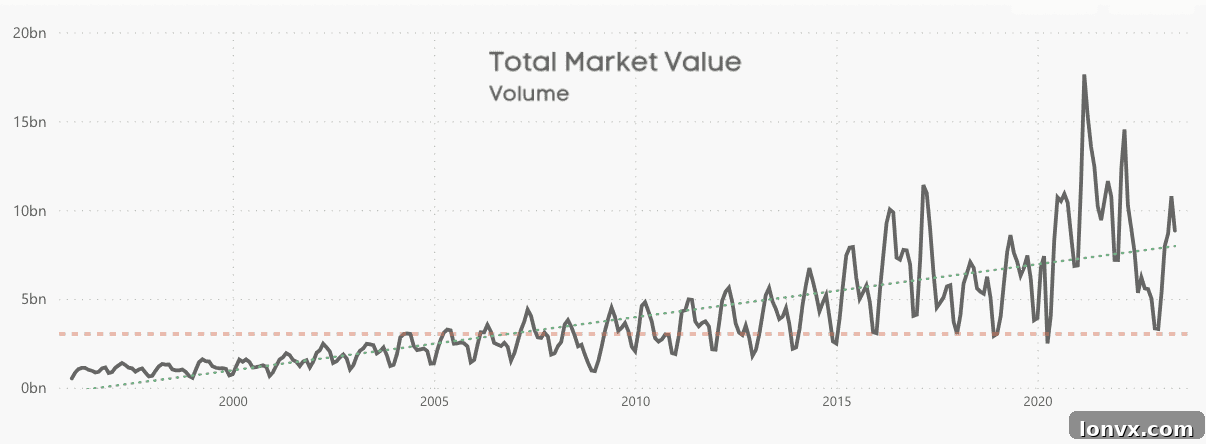
A more telling indicator of market momentum lies in month-over-month trends. The total dollar volume of transactions has been on a downward trajectory since May, a critical signal that the peak activity of the spring market has passed. This decline in overall market value, despite the annual increase in unit sales, suggests a shift in dynamics where either fewer high-value properties are transacting, or average prices are beginning to temper. For prospective buyers, this could mean a gradual return to more balanced conditions, while sellers might need to adjust their expectations from the frenzied pace of earlier months.
Source: Daniel Foch
The Shifting Narrative of Supply: A Nuanced Perspective
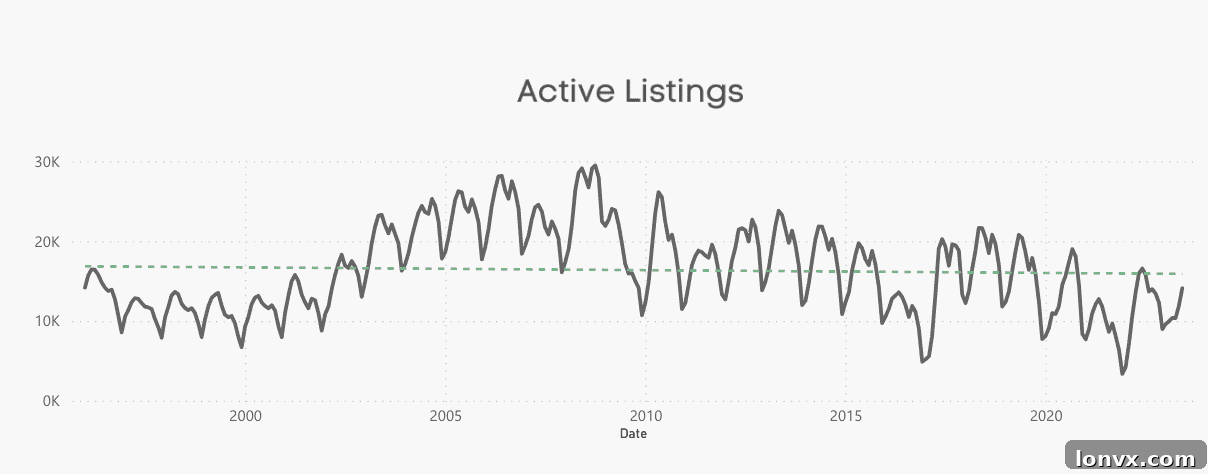
TRREB’s monthly news releases often emphasize a pervasive “lack of listings” as a primary driver of tight market conditions, advocating for government action to accelerate housing supply. While this statement may hold true when examining annualized data or long-term trends, a closer inspection of recent monthly figures reveals a more complex and evolving narrative. Contrary to traditional seasonal patterns, supply in the Toronto market is actually growing, and this trend is breaking the typical seasonal decrease expected as spring transitions into summer.
Active Listings Defy Seasonal Norms
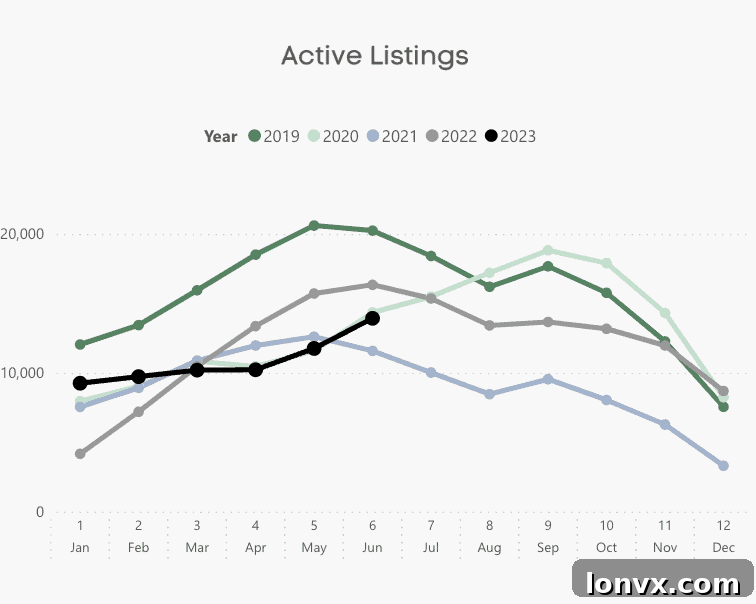
Historically, active listings tend to decline from spring into the summer months as the market cools down. However, in an unusual deviation this year, active listings continued their upward trend through the end of spring and into June. While still remaining below the long-term historical trendline, this persistent increase is a significant development to monitor as we move further into the summer market. This unexpected surge could be attributed to several factors: perhaps sellers who missed the earlier spring rush are still hoping to capitalize on lingering demand, or some homeowners are adjusting to higher interest rates and making decisions about their housing situation.
Source: Daniel Foch
New Listings Show Unexpected Strength
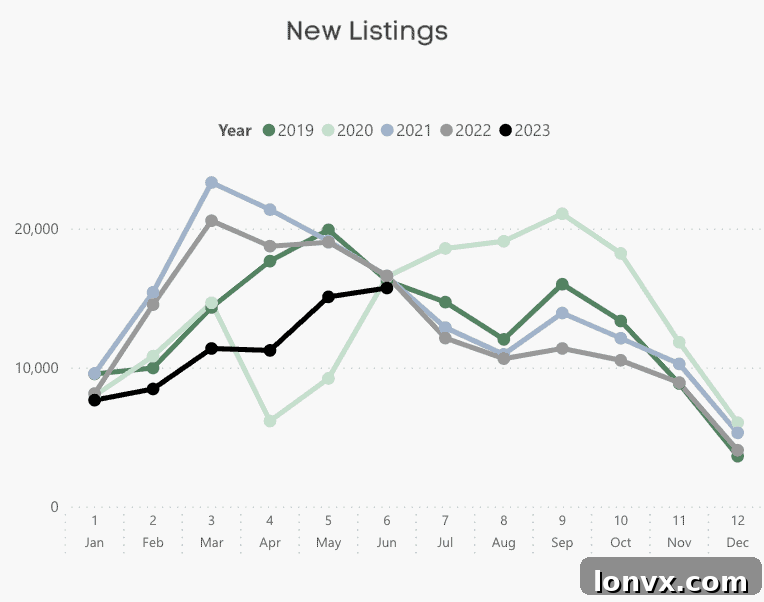
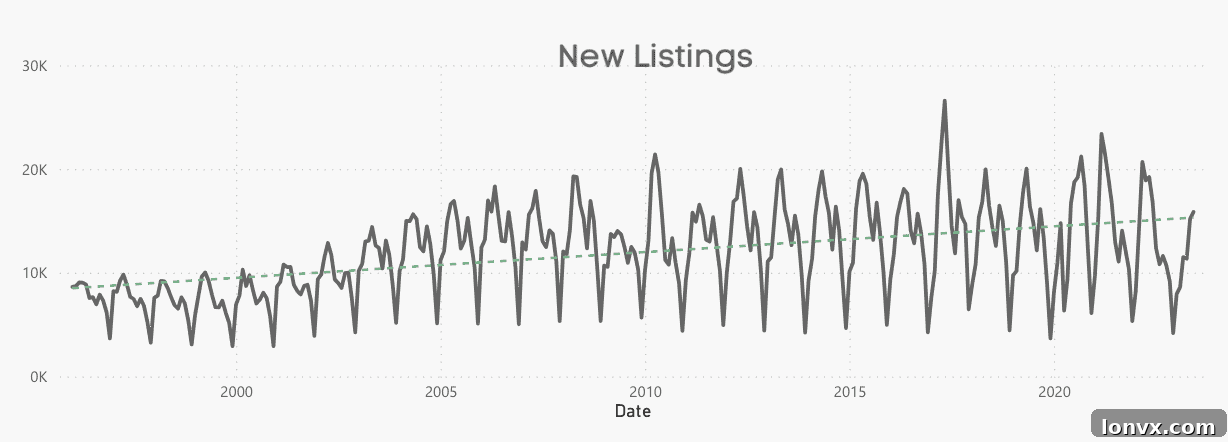
Similarly, the volume of new listings entering the market typically begins to trend downwards by this point in previous years. Yet, June 2023 saw new listings continuing to increase on a monthly basis. This upward movement is particularly noteworthy when viewed in a broader historical context, as the monthly jump in new listings has actually pushed new supply slightly above the long-term trendline for the first time in a while. This influx of new inventory, coupled with the rising active listings, suggests a potential shift towards a more balanced market, offering buyers more choices and potentially easing some of the intense competition seen earlier in the year.
Source: Daniel Foch
Source: Daniel Foch
This evolving supply situation presents a crucial dynamic. While TRREB correctly identifies the need for more housing supply in the long run, the immediate monthly data indicates that the market is currently seeing an unexpected boost in available properties. If this trend persists, it could temper price growth and give buyers more leverage, gradually moving the market away from the extreme seller-favored conditions that have characterized Toronto real estate for years.
Source: Daniel Foch
Demand Remains Robust: Properties Selling “Fast and Furious”
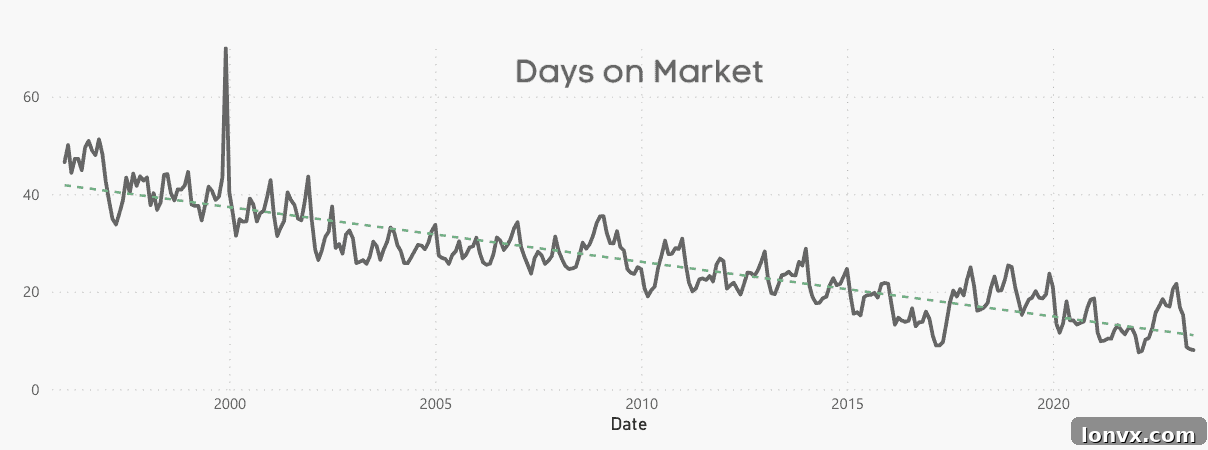
Despite the emerging signs of a cooling market in terms of overall volume and increasing supply, buyer absorption remained remarkably strong in June. The “Days on Market” (DOM) metric, which measures how long properties typically take to sell, continued its downtrend. This indicates that homes are selling even faster than they did in the previous month, approaching the record-setting pace observed last year. Such rapid absorption suggests that underlying buyer demand remains potent, perhaps fueled by a fear of missing out on perceived temporary dips or by continued population growth in the Greater Toronto Area.
The swiftness of sales is a critical factor in preventing an excessive buildup of inventory. As long as properties are moving quickly, the risk of supply outstripping demand to an extent that would push the market firmly into buyer’s territory remains low. This ongoing competition, even as other market indicators suggest a slowdown, highlights the resilience of buyer confidence and the persistent appeal of Toronto real estate. However, stakeholders should closely monitor these data points, as a sustained increase in listings without a corresponding robust demand could quickly shift the balance.
Source: Daniel Foch
Price Plateau: The End of the Spring Surge
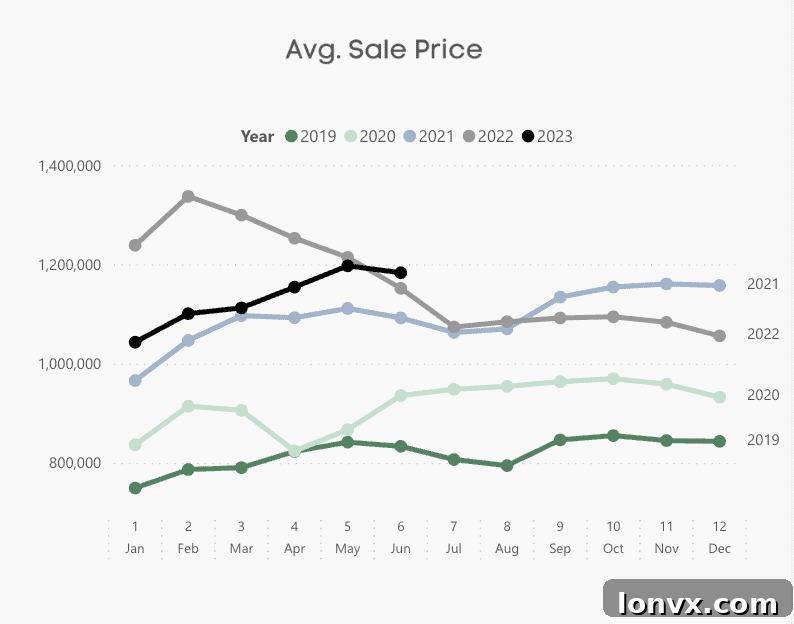
Seasonality is a powerful force in the Toronto real estate market, dictating predictable patterns in pricing. Typically, average and median sale prices experience a steady ascent from January, reaching their peak during the intense spring market. Once this peak passes, prices generally begin a gradual decline, often bottoming out in August before seeing another bump in September. This year, the anticipated rollover in pricing occurred in May, suggesting that June confirmed the end of the spring price surge.
The average sale price has entered a plateau phase, aligning with the observed deceleration in market volume. This pricing behavior is a clear indicator that the market’s overheated period is subsiding. Similarly, the sale-to-list price ratio for TRREB has also completed its seasonal cycle, peaking around 105% and now likely poised for a downward trend as the slower summer months unfold. A ratio above 100% signifies that properties are, on average, selling for more than their asking price, indicating strong demand and multiple offer scenarios. As this ratio plateaus and potentially declines, it suggests that the expectations of buyers and sellers are beginning to diverge. Buyers may be less willing to overbid aggressively, while sellers might need to become more realistic with their pricing strategies, potentially leading to increased negotiation in the upcoming slower market.
Source: Daniel Foch
Conclusion: Navigating the Shifting Toronto Real Estate Landscape
June 2023 served as a pivotal month for the Toronto real estate market, officially marking the transition out of the spring frenzy. While annual sales figures provided a superficial boost, the underlying monthly trends in sales volume and price metrics clearly indicate a market that is entering a more moderate phase. The unexpected growth in new and active listings, defying typical seasonal declines, introduces a fascinating dynamic. This increased supply, combined with plateauing prices and a slight easing of buyer bidding wars (as indicated by the sale-to-list ratio), suggests a gradual shift towards a more balanced environment.
However, the continued strength in buyer absorption, demonstrated by rapidly selling properties, underscores that demand remains robust. This dual narrative — a market that is cooling but still competitive — creates a complex environment for participants. For sellers, strategic pricing and presentation will be key. For buyers, the increasing inventory might offer more choice and slightly less pressure, but the market’s underlying demand means opportunities still need to be seized decisively. As we move through summer, attention will turn to interest rate decisions, the continued trajectory of supply growth, and how buyer sentiment evolves in response to these changing conditions, all of which will shape the path forward for Toronto’s housing market.
Enjoying this article?
Get the latest real estate market insights in your inbox 3x a week so you stay up to date on the latest in the Canadian real estate industry