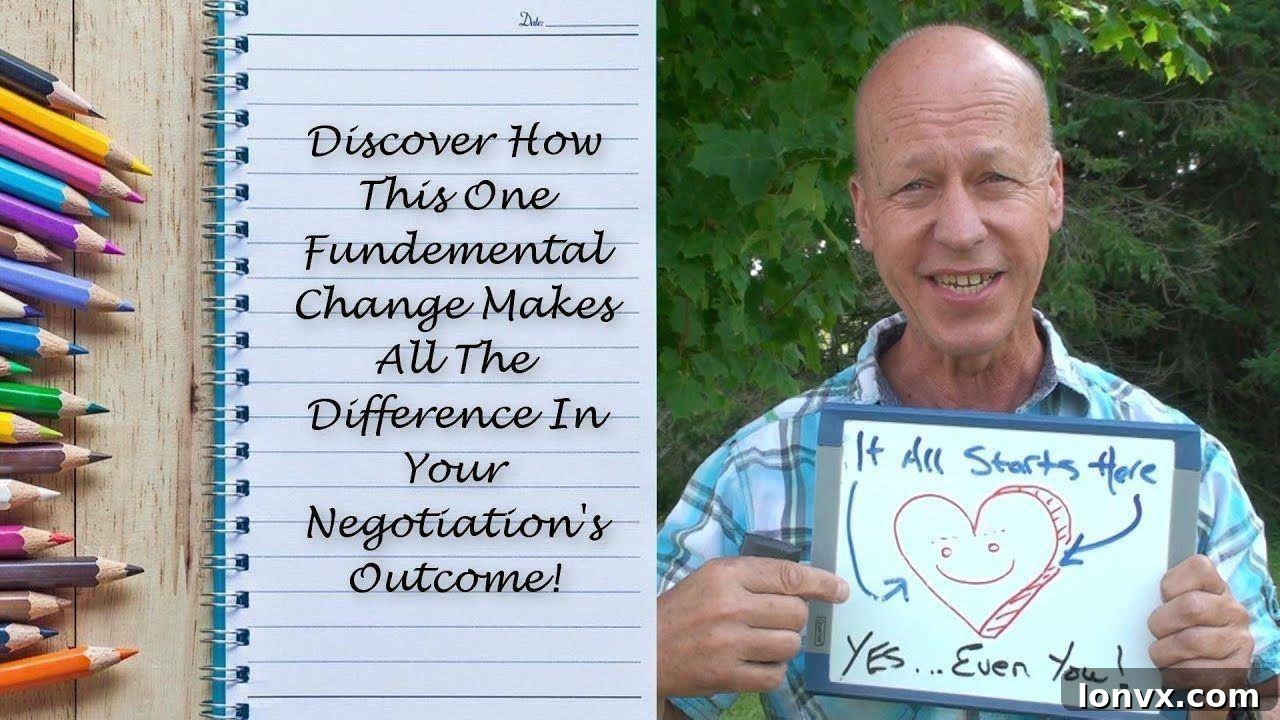
Heart-Centered Negotiation: Michael Krisa’s Transformative Approach to Positive Influence and Win-Win Outcomes
In the complex dance of negotiation, conventional wisdom often points us in two primary directions. Some proponents argue that success hinges entirely on one’s psychological fortitude, suggesting that “it’s all in your head.” This perspective emphasizes mindset, mental resilience, and the ability to control one’s own thoughts and emotions under pressure. Others contend that the true power lies in the dialogue itself, asserting that “it’s all in the communication and tactics.” Here, the focus is on verbal dexterity, strategic questioning, persuasive language, and mastering various negotiation techniques. While both viewpoints hold undeniable merit and contribute significantly to effective negotiation, acclaimed expert Michael Krisa introduces a profound, yet often overlooked, dimension: he posits that at its core, “it’s all in the heart.”
This isn’t merely a poetic sentiment; it’s a revolutionary paradigm shift that redefines the very essence of how we approach discussions, deals, and daily interactions. Krisa’s philosophy champions a human-centric methodology that prioritizes empathy, genuine connection, and integrity above mere strategy or mental games. It’s about influencing outcomes positively, not through manipulation or brute force, but through authentic understanding and a sincere desire for mutual benefit. This article delves deep into Krisa’s transformative insight, exploring why embracing a heart-centered approach can lead to more successful, sustainable, and satisfying results in every negotiation, big or small.
Beyond Tactics: The Conventional Wisdom Explored
Before fully immersing ourselves in the heart-centered approach, it’s crucial to acknowledge the prevalent theories that have shaped our understanding of negotiation for decades. The “it’s all in your head” school of thought rightly highlights the psychological battlefield that negotiations often become. It teaches us the importance of:
- Mindset: Approaching a negotiation with confidence, a clear objective, and a belief in a positive outcome can significantly influence performance.
- Emotional Regulation: The ability to manage stress, frustration, and other strong emotions prevents rash decisions and maintains a calm, strategic demeanor.
- Preparation: Thorough research and understanding of one’s own needs and the perceived needs of the other party are mental prerequisites for success.
- Resilience: The capacity to bounce back from setbacks or resist pressure tactics without compromising one’s core interests.
Concurrently, the “it’s all in the dialogue” perspective underscores the critical role of communication. This domain covers:
- Active Listening: Truly hearing and understanding the other party’s words, tone, and underlying messages.
- Clear Articulation: Expressing one’s own position, needs, and interests with precision and conviction.
- Questioning Techniques: Asking open-ended questions to uncover information, explore options, and challenge assumptions.
- Persuasion and Influence: Using logical arguments, emotional appeals, and framing to guide the discussion towards a desired conclusion.
- Bargaining Tactics: Employing specific strategies like anchoring, concessions, or deadlines to secure favorable terms.
While invaluable, these approaches, when used in isolation or without a deeper foundation, can sometimes lead to superficial agreements or adversarial encounters. They often focus on winning a transaction, potentially at the expense of the relationship or long-term value. This is precisely where Michael Krisa’s heart-centered philosophy steps in, offering a more holistic and ultimately more powerful path to positive influence.
Michael Krisa’s Transformative Philosophy: Negotiation from the Heart
When Michael Krisa declares that negotiation is “all in the heart,” he is challenging us to look beyond the surface-level strategies and delve into the fundamental human elements that drive every interaction. The “heart” in this context is not a metaphor for sentimentality or weakness; rather, it represents the core of our humanity – our capacity for empathy, integrity, genuine connection, and a sincere desire for mutual respect and understanding. It means approaching negotiation with:
- Empathy: The ability to deeply understand and share the feelings of another. It’s about stepping into their shoes, understanding their motivations, fears, and aspirations, even if you don’t agree with them.
- Integrity: Operating with honesty, strong moral principles, and a commitment to doing what is right. This builds trust, which is the bedrock of any successful long-term relationship.
- Authenticity: Being genuine and transparent in your intentions and communication. People are more likely to trust and engage with someone who they perceive as real and forthcoming.
- Respect: Valuing the other party as an individual, regardless of their position or the outcome of the negotiation. This fosters an environment where solutions can be collaboratively explored.
- A Desire for Mutual Benefit: Shifting from a win-lose mentality to a win-win mindset. This involves actively seeking solutions that satisfy the core needs of all parties involved, creating sustainable agreements.
This heart-centered philosophy posits that true positive influence stems not from outsmarting or overpowering the other party, but from building bridges of understanding and shared purpose. It recognizes that every negotiation involves human beings with emotions, values, and underlying needs, and addressing these aspects holistically leads to far more robust and enduring agreements.
Why a Heart-Centered Approach Works Better
Embracing a heart-centered approach offers distinct advantages over purely tactical or psychological strategies:
Building Authentic Trust
Trust is currency in any relationship, and especially in negotiation. When you approach a discussion with empathy and integrity, you signal to the other party that you are not just interested in your own gain, but in a fair and respectful outcome. This fosters a sense of psychological safety, encouraging open communication and a willingness to explore creative solutions. Authentic trust lays the groundwork for future collaborations and reduces the need for extensive legal safeguards, as both parties are inclined to honor their commitments.
Uncovering True Needs, Not Just Positions
A common pitfall in negotiation is focusing solely on stated “positions” – what each party says they want. A heart-centered approach, driven by active listening and empathy, helps uncover the deeper “needs” or interests that drive those positions. For example, a buyer’s low-ball offer (position) might stem from a need for financial security or a desire to feel they got a good deal (interest). By understanding these underlying needs, you can propose alternative solutions that satisfy those interests without necessarily meeting the initial position, leading to more innovative and mutually beneficial agreements.
Fostering Long-Term Relationships
While a purely transactional approach might secure a one-time win, it often damages the relationship. Heart-centered negotiation, by prioritizing respect and mutual benefit, cultivates stronger, more positive relationships. This is crucial in business, where repeat interactions and ongoing partnerships are vital, but also in personal life, where maintaining strong familial or social bonds is paramount. A negotiation handled with heart leaves both parties feeling heard, respected, and satisfied, paving the way for future cooperation and goodwill.
Reducing Conflict and Resistance
When negotiations become adversarial, resistance mounts, and positions harden. A heart-centered approach de-escalates potential conflict by demonstrating a willingness to understand and collaborate. By showing empathy and focusing on shared interests, you can transform a confrontational dynamic into a problem-solving partnership. This reduces stress for all parties, accelerates the negotiation process, and makes reaching a consensus significantly easier.
Practical Steps to Embrace Heart-Centered Negotiation
Adopting Michael Krisa’s philosophy isn’t about abandoning strategy; it’s about elevating it with a human foundation. Here are practical steps to integrate heart into your negotiations:
Cultivate Empathy and Active Listening
- Listen to Understand, Not Just to Reply: Truly focus on what the other person is saying, their tone, and non-verbal cues. Try to grasp their perspective and emotional state.
- Ask Open-Ended Questions: Encourage the other party to share more about their needs, concerns, and motivations. Questions like “Can you tell me more about why that’s important to you?” or “What are your main concerns here?” are powerful.
- Paraphrase and Reflect: Show that you’ve heard them by summarizing what they’ve said in your own words. “So, if I understand correctly, your primary concern is X, because of Y?”
Define Your Own Values and Boundaries
- Clarity on Your Core Interests: Before entering any negotiation, be crystal clear about your non-negotiable needs, your desired outcomes, and your walk-away point (BATNA – Best Alternative to a Negotiated Agreement).
- Operate with Integrity: Be honest about your intentions and limitations. Avoid making promises you can’t keep or engaging in deceptive tactics. Your reputation is your most valuable asset.
Focus on Mutual Benefit (Win-Win)
- Search for Shared Interests: Actively look for common ground and areas where both parties’ needs can be met. Frame proposals in terms of mutual gain.
- Brainstorm Creative Solutions: Once you understand underlying needs, work collaboratively to generate multiple options that could satisfy everyone. Don’t be limited by the first solution.
- Prioritize Long-Term Value: Consider how the outcome of this negotiation will impact future interactions and the overall relationship.
Practice Emotional Intelligence
- Self-Awareness: Understand your own emotions, triggers, and biases. How might your mood or assumptions affect your approach?
- Self-Regulation: Manage your emotional responses, especially under pressure. Take a breath, step away if needed, and respond thoughtfully rather than reactively.
- Social Awareness: Read the room. Understand the emotional landscape of the other party and adjust your communication style accordingly.
Be Patient and Present
- Resist the Urge to Rush: Complex negotiations often require time. Patience allows for deeper understanding and better solutions.
- Stay Fully Engaged: Give your undivided attention to the interaction. Avoid distractions and be fully present in the moment.
Real-World Applications and Benefits
The heart-centered approach isn’t confined to high-stakes business deals; its principles are universally applicable and profoundly beneficial across various domains:
- Business and Sales: Instead of pushing a product or service, truly understand a client’s challenges and offer solutions that genuinely meet their needs. This builds loyal customers and long-term partnerships.
- Real Estate Transactions: For agents, connecting with buyers and sellers on a human level – understanding their life circumstances, hopes, and anxieties – leads to smoother deals and more referrals. It’s about finding homes, not just properties.
- Team Management: Resolving internal conflicts or negotiating project deadlines within a team becomes easier when leaders approach discussions with empathy and a desire for collective success.
- Personal Relationships: From family disagreements to negotiating household responsibilities, a heart-centered approach fosters stronger bonds, reduces resentment, and leads to more harmonious living.
- Conflict Resolution: In any dispute, understanding the emotional context and underlying needs of all parties is the first step towards a sustainable resolution, moving beyond blame to mutual understanding.
By consistently applying these principles, individuals and organizations can cultivate a reputation for fairness, reliability, and genuine partnership, which ultimately translates into greater influence and sustained success.
Overcoming Challenges: When the Other Party Isn’t Heart-Centered
It’s important to acknowledge that not everyone you negotiate with will share Michael Krisa’s heart-centered philosophy. You may encounter individuals who are purely transactional, aggressive, or even deceptive. In such situations, maintaining your integrity and empathy can feel challenging, but it remains your most powerful tool:
- Stay Grounded in Your Values: Do not compromise your principles. Your heart-centered approach is your strength, not a weakness.
- Set Clear Boundaries: While empathetic, be firm on your non-negotiables. You can understand their position without conceding on your essential needs.
- Focus on Their Interests (Even If They Don’t Express Them): Try to infer their underlying motivations. Even an aggressive negotiator often has fears or insecurities driving their behavior.
- Be Prepared to Walk Away: Knowing your BATNA (Best Alternative to a Negotiated Agreement) is crucial. If the other party is unwilling to engage constructively or is demanding an unreasonable outcome, be prepared to disengage.
- Maintain Professionalism: Regardless of their demeanor, respond with calm, clarity, and respect. This demonstrates your strength and can sometimes de-escalate aggressive tactics.
- Seek Mediating Solutions: If direct negotiation is consistently unproductive due to a lack of heart from the other side, consider introducing a neutral third party if appropriate.
Even when faced with adversity, your commitment to a heart-centered approach ensures that you operate with integrity, preserve your reputation, and ultimately increase the likelihood of a constructive outcome, or at least exit gracefully.
Conclusion: The Enduring Power of Heartfelt Negotiation
Michael Krisa’s powerful assertion that negotiation is “all in the heart” offers a profound recalibration of our understanding of influence and success. It moves us beyond the cerebral strategies and verbal acrobatics, inviting us to connect with the deeper human elements that underpin every interaction. By prioritizing empathy, integrity, authenticity, and a genuine desire for mutual benefit, we not only achieve more favorable and sustainable outcomes but also build stronger, more resilient relationships.
This heart-centered approach isn’t a soft option; it is a sophisticated and ultimately more effective pathway to positive influence. It requires courage, self-awareness, and a commitment to seeing the human behind every position. In a world often driven by competition, Krisa’s philosophy reminds us that our greatest strength in negotiation lies not in how cleverly we play the game, but in how genuinely we engage with other human beings. Embrace the heart, and watch your ability to positively influence transactions – and indeed, your life – transform.
For more insights and to explore Michael Krisa’s perspective further, including a bonus story, watch the video and see the full resource here.