Comprehensive Guide to Preventing Condensation in Your Home: Expert Strategies from Terry Fulljames
Condensation is a common household issue that can lead to significant problems if not addressed promptly and effectively. From unsightly water stains on windows to the more serious threat of mold growth and structural damage, moisture accumulation can compromise both the integrity of your home and the health of its occupants. Fortunately, with the right knowledge and proactive measures, condensation is entirely preventable. We sat down with Terrace, B.C. home inspector Terry Fulljames, a seasoned expert in identifying and resolving home moisture issues, who shared his invaluable insights. Fulljames emphasizes a multi-faceted approach, focusing on four key pillars: reducing humidity at its source, optimizing indoor ventilation, intelligent dehumidification, and improving window thermal efficiency.
Understanding these strategies and implementing them diligently can transform your living environment into a drier, healthier, and more energy-efficient space. This guide will delve into each of Terry Fulljames’ recommended approaches, providing actionable steps to help you combat condensation effectively and ensure your home remains a comfortable haven.
Understanding the Root Cause: Why Condensation Forms
Before diving into solutions, it’s crucial to grasp what condensation is and why it appears in our homes. Simply put, condensation occurs when warm, moist air comes into contact with a cooler surface. As the warm, humid air cools rapidly, it loses its capacity to hold moisture, causing the excess water vapor to transform back into liquid water droplets on that cold surface. This phenomenon is most noticeable on windows, mirrors, cold pipes, or even exterior walls and ceilings during colder months. High indoor humidity levels, combined with significant temperature differences between indoor air and exterior surfaces, are the primary culprits.
Factors contributing to high indoor humidity are diverse, ranging from daily activities to structural deficiencies. Cooking, showering, drying clothes indoors, and even breathing release substantial amounts of moisture into the air. If this moisture isn’t adequately managed or exhausted, it accumulates, driving up the relative humidity within your home and creating ideal conditions for condensation to form. Over time, persistent condensation can lead to peeling paint, damaged window frames, compromised insulation, and, most concerningly, the growth of mold and mildew, which can trigger respiratory problems and other health issues.
Strategy 1: Reducing Humidity at the Source
The most effective initial step in combating condensation is to minimize the amount of moisture released into your home’s air in the first place. Terry Fulljames stresses that many daily activities inadvertently contribute to high indoor humidity. By being mindful of these sources and adopting simple habits, homeowners can significantly reduce the overall moisture load.
Kitchen Practices for Moisture Control
The kitchen is a major producer of humidity, especially during cooking. Boiling water, simmering stews, and even washing dishes release considerable amounts of steam into the air. To mitigate this:
- Use Range Hoods and Exhaust Fans: Always turn on your kitchen exhaust fan or range hood when cooking, especially when boiling or steaming. Ensure it’s vented directly to the outside, not just recirculating air back into the kitchen.
- Cover Pots and Pans: Using lids on pots and pans significantly reduces the amount of steam released into the air.
- Load Dishwashers Effectively: Run your dishwasher only when full and allow it to complete its dry cycle rather than air-drying dishes, which releases moisture into the room.
Bathroom Habits to Limit Humidity
Bathrooms are notorious for high humidity due to showers and baths. Implementing these practices can make a big difference:
- Run Exhaust Fans: Always use your bathroom exhaust fan during and for at least 15-20 minutes after showering or bathing to effectively draw moist air out of the room. Ensure fans are clean and functioning properly.
- Take Shorter, Cooler Showers: Reducing shower time and using slightly cooler water can lessen the amount of steam produced.
- Wipe Down Surfaces: After a shower, quickly wipe down shower walls, curtains, and glass doors to remove excess moisture before it evaporates into the air.
Laundry and Indoor Drying Solutions
Laundry activities can also introduce substantial moisture:
- Vent Clothes Dryers Outdoors: Ensure your clothes dryer is properly vented to the outside and that the vent hose is clean and free of kinks. Never vent a dryer into the house.
- Avoid Indoor Line Drying: If possible, avoid drying clothes on indoor racks or lines, especially in unventilated areas. If you must, do so in a well-ventilated room with an open window or an exhaust fan running.
Addressing Other Common Moisture Sources
- Houseplants: While plants add beauty, they also release moisture through transpiration. Don’t overwater them and place them in areas with good air circulation.
- Leaking Pipes and Fixtures: Promptly repair any leaky faucets, pipes, or roofs. Hidden leaks can be significant contributors to ambient humidity and structural damage.
- Crawl Spaces and Basements: Ensure crawl spaces are properly sealed and ventilated. Basements should be checked for signs of moisture intrusion and sealed if necessary. A vapor barrier on the ground in a crawl space is crucial.
- Humidifiers: Use humidifiers sparingly and monitor indoor humidity levels with a hygrometer. Aim for a relative humidity between 30% and 50% during colder months.
Strategy 2: Improving Indoor Ventilation
Even with efforts to reduce humidity at the source, some moisture will inevitably be present in your home’s air. Effective ventilation is the next critical line of defense, ensuring that humid air is regularly replaced with drier, fresher air. Terry Fulljames emphasizes that proper ventilation not only controls humidity but also improves overall indoor air quality.
Natural Ventilation: Opening Up Your Home
The simplest form of ventilation involves strategic use of windows and doors:
- Cross-Ventilation: On dry, moderate days, open windows on opposite sides of your house or on different floors to create a cross-breeze. This allows humid indoor air to escape and fresh air to enter.
- Seasonal Airing: Even in colder weather, brief periods of airing out your home for 5-10 minutes can be beneficial, especially after cooking or showering, to expel built-up moisture without significantly chilling your home.
Spot Ventilation: Targeted Moisture Removal
Spot ventilation systems are designed to remove moisture and pollutants from specific areas:
- Bathroom Exhaust Fans: As mentioned, these are crucial. Ensure your fan is adequately sized for your bathroom and effectively vents to the outside. Clean the fan grilles regularly to maintain airflow.
- Kitchen Range Hoods: These are vital for removing cooking odors and steam. Opt for models that vent directly outdoors rather than recirculating filters.
- Proper Sizing and Installation: Terry Fulljames notes that many existing fans are either undersized or improperly installed (e.g., venting into an attic instead of outside), significantly reducing their effectiveness. Consult with a professional to ensure your fans are up to standard.
Whole-House Ventilation Systems: Advanced Solutions
For a more comprehensive approach, especially in tightly sealed, energy-efficient homes, whole-house ventilation systems are highly effective:
- Heat Recovery Ventilators (HRVs): HRVs are ideal for colder climates. They continuously exchange stale indoor air with fresh outdoor air while recovering heat from the exhaust air and transferring it to the incoming fresh air, minimizing energy loss. This ensures good air quality and humidity control without wasting energy.
- Energy Recovery Ventilators (ERVs): ERVs are similar to HRVs but are better suited for mixed or humid climates. They transfer both heat and moisture, helping to keep indoor humidity levels stable by preventing excessive moisture from entering or leaving the home with the ventilation air.
- Balanced Airflow: These systems create balanced airflow throughout the home, ensuring consistent air changes and preventing pressure imbalances that can draw in moisture from unintended sources.
Strategy 3: The Role of Dehumidification
Despite best efforts to reduce sources and improve ventilation, some homes, especially those in naturally humid climates or those with specific structural challenges, may still struggle with elevated indoor humidity. This is where mechanical dehumidification comes into play. According to Terry Fulljames, a dehumidifier can be an invaluable tool when other strategies aren’t quite enough.
When is a Dehumidifier Necessary?
A dehumidifier is typically needed if:
- Your indoor relative humidity consistently stays above 50-60%, even after implementing source reduction and ventilation practices.
- You notice persistent musty odors, a common sign of mold or mildew growth due to excessive moisture.
- You observe condensation on surfaces other than windows (e.g., walls, ceilings, pipes) in areas beyond the immediate vicinity of moisture sources.
- You live in a naturally humid climate where outdoor air contributes significantly to indoor moisture.
Types of Dehumidifiers and Their Use
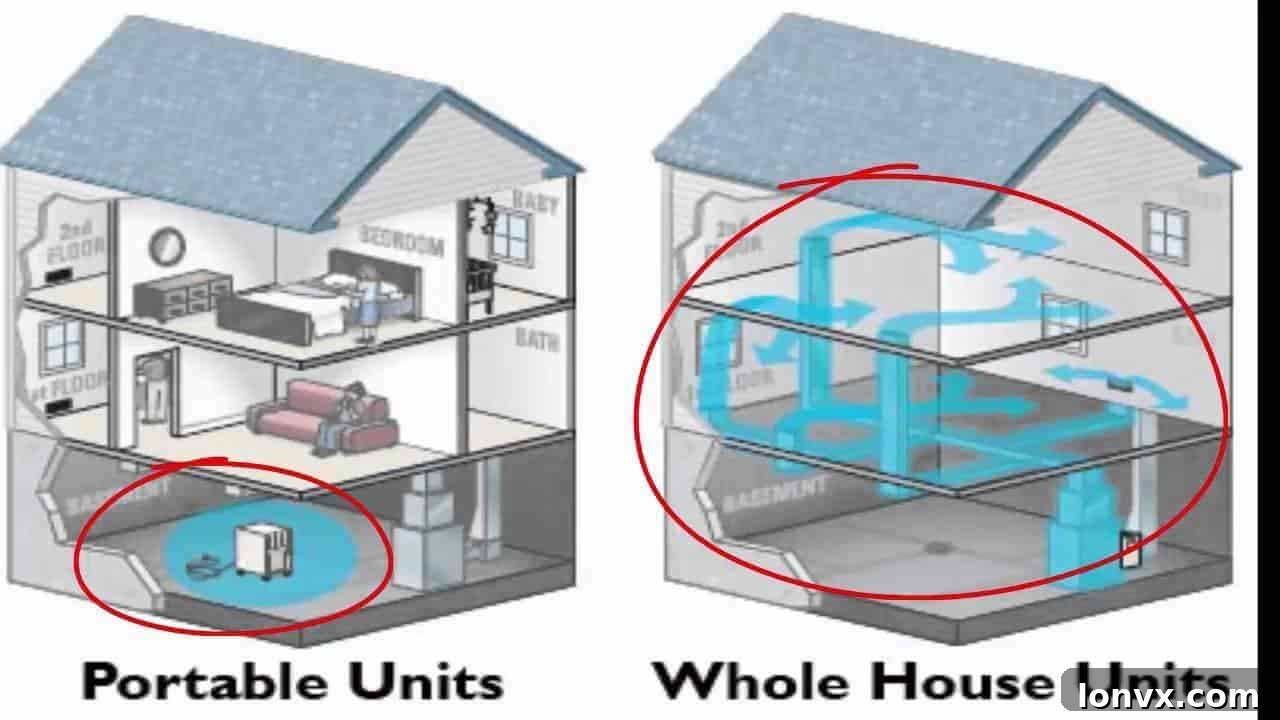
- Portable Dehumidifiers: These are versatile units that can be moved from room to room. They are effective for targeted areas like damp basements, laundry rooms, or specific rooms experiencing high humidity. When using a portable unit, ensure it’s adequately sized for the space it’s intended to cover. Regular emptying of the water reservoir or connecting it to a drain is essential for continuous operation.
- Whole-House Dehumidifiers: For comprehensive humidity control throughout your entire home, a whole-house dehumidifier integrated with your HVAC system is the most efficient solution. These units automatically monitor and adjust humidity levels, providing consistent control without manual intervention. They are particularly beneficial in large homes or those with persistent, widespread humidity issues.
Optimal Humidity Levels and Maintenance
Terry Fulljames advises maintaining indoor relative humidity between 30% and 50% during colder months to prevent condensation and between 40% and 60% during warmer months for comfort and mold prevention. Regularly clean the filters on your dehumidifier and inspect the coils for dust or frost buildup to ensure efficient operation and longevity.
Strategy 4: Enhancing Window Thermal Efficiency
Windows are often the first and most noticeable culprits for condensation because they are typically the coldest surfaces inside a heated home. When warm, humid indoor air comes into contact with a cold window pane, condensation is almost guaranteed. Improving the thermal efficiency of your windows is a critical step in preventing this issue, as highlighted by Terry Fulljames.
Upgrading Windows: A Long-Term Solution
Investing in higher-performance windows can significantly reduce condensation by keeping the interior glass surface warmer:
- Double-Pane and Triple-Pane Windows: These windows feature two or three layers of glass separated by an air or gas-filled space. This gap acts as an insulator, reducing heat transfer and keeping the inner pane warmer, thus raising its dew point and preventing condensation.
- Low-Emissivity (Low-E) Coatings: Low-E coatings are microscopic, transparent metal layers applied to the glass surface. They reflect heat, keeping interiors warmer in winter and cooler in summer, further improving the window’s insulating properties and reducing the chance of condensation.
- Argon or Krypton Gas Fills: The spaces between glass panes can be filled with inert gases like argon or krypton, which are denser than air and provide superior insulation, enhancing the window’s thermal performance.
Window Frames and Installation
The frame material and installation quality also play a vital role:
- Frame Materials: Vinyl, fiberglass, and wood frames are generally better insulators than aluminum, which is highly conductive and can transfer cold to the interior, promoting condensation on the frame itself.
- Professional Installation: Proper installation is crucial. Gaps or poor sealing around the window frame can allow cold air infiltration, chilling adjacent surfaces and leading to condensation. Ensure windows are installed with appropriate flashing and sealants.
Weatherstripping and Sealing
Even with good windows, drafts can compromise thermal performance:
- Inspect for Air Leaks: Regularly check around windows for drafts. Use caulk to seal gaps in the window frame and weatherstripping around movable sashes to prevent air leakage.
- Insulation Around Windows: Ensure that the wall cavities around your window frames are properly insulated. Cold air permeating through uninsulated gaps can chill the interior wall surfaces around the window, leading to condensation.
Window Treatments and Airflow
While heavy drapes or blinds can offer an extra layer of insulation, they can also trap moist air against the window glass, potentially worsening condensation. Terry Fulljames advises:
- Allow Air Circulation: Open curtains and blinds during the day, especially in colder weather, to allow air to circulate around the window surface, helping to evaporate any minor moisture and prevent buildup.
- Consider Smart Treatments: Insulated cellular shades or blinds can offer thermal benefits without entirely blocking air circulation, particularly if they are not fully closed against the window frame.
Conclusion: A Holistic Approach to a Drier, Healthier Home
Preventing condensation in your home is not a single-step fix; it requires a comprehensive and integrated approach, as expertly outlined by Terrace, B.C. home inspector Terry Fulljames. By systematically addressing humidity at its source, enhancing indoor ventilation, strategically employing dehumidification when necessary, and improving the thermal efficiency of your windows, you can effectively eliminate persistent condensation.
The benefits extend far beyond clearer windows. A home free from excessive moisture is a healthier home, significantly reducing the risk of mold and mildew growth that can trigger allergies and respiratory issues. It’s also a more comfortable and energy-efficient home, as maintaining lower humidity levels can make your home feel warmer in winter and cooler in summer, potentially reducing your energy consumption for heating and cooling. Implementing these strategies will not only protect your property from moisture-related damage but also contribute to a superior quality of life for everyone residing within its walls. If you’re struggling with persistent condensation, consider consulting with a qualified home inspector like Terry Fulljames to get tailored advice for your specific situation.