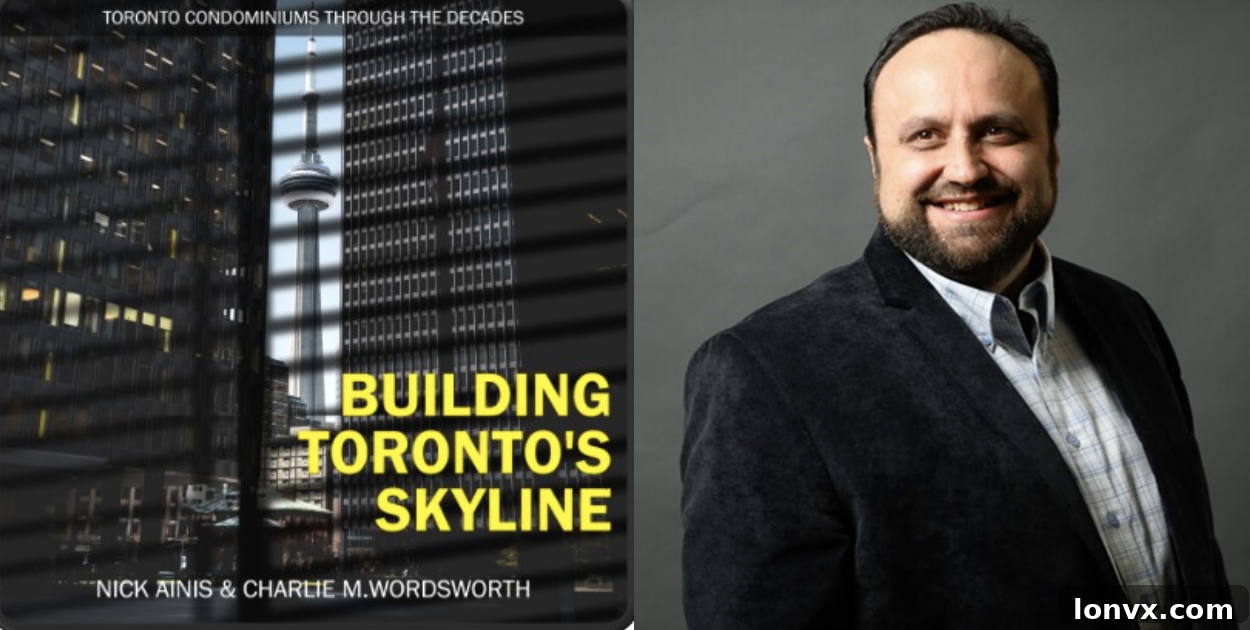
Building Toronto’s Skyline: A Deep Dive into the Evolution of Toronto Condominiums for Real Estate Professionals
In the fiercely competitive Toronto real estate market, standing out as a successful agent demands more than just salesmanship; it requires a profound understanding of the product and the landscape. Delivering exceptional value to clients means being exceptionally informed. For those navigating the vibrant world of Toronto condominiums, gaining an authoritative edge is crucial. This is precisely where Nick Ainis, CEO and co-founder of Fusioncorp Developments, offers an invaluable resource: his meticulously researched book, Building Toronto’s Skyline.
Authored with Charlie M. Wordsworth, Building Toronto’s Skyline isn’t just a book; it’s a comprehensive, ten-chapter narrative charting the remarkable evolution of Toronto’s iconic residential towers. From their humble beginnings in the late 19th century to the sophisticated high-rise marvels that dominate today’s urban panorama, Ainis provides a captivating account that launched last fall. For any real estate professional seeking to deepen their expertise, this book is an indispensable guide.
“In modern-day Toronto, so many people reside in apartments or condos that it’s difficult to imagine a time when renting a small area of a larger building was an unconventional, even shocking, way of life. Incredibly, Toronto was an anomaly in North America before 1899 because there were no purpose-built apartment buildings in the city.”
– Nick Ainis
The Inspiration Behind the Comprehensive Chronicle
When asked about the genesis of Building Toronto’s Skyline, Nick Ainis reveals a passion deeply rooted in both personal interest and professional dedication. “My inspiration,” he shared, “comes from a love of what I do, and a genuine curiosity with history and the evolution of the condominium industry in Toronto. I was really interested in seeing the development and evolution of the condominium industry through the decades.” This profound fascination extends beyond mere timelines, delving into the very essence of how communal living spaces have shaped urban environments across millennia.
Ainis’s historical exploration isn’t confined to Toronto; it traces the lineage of condominiums all the way back to antiquity, referencing the early forms of shared living in Roman times, and meticulously follows their progression to the modern era. His research encompasses the pivotal moments in North American legislation that introduced and normalized condominium ownership, as well as the myriad social and economic forces that have driven—and sometimes constrained—development. Key initiatives like Ontario’s protected Greenbelt area are examined for their profound impact on urban sprawl and the subsequent push towards vertical living. This holistic perspective offers readers a rare and valuable context for understanding Toronto’s unique trajectory.
Unlocking the Secrets of Toronto’s Vertical Growth: What You’ll Learn
Building Toronto’s Skyline is a treasure trove of insights, offering a multifaceted view of Toronto’s housing evolution. It meticulously details the early days of boarding houses and low-rise apartments, which emerged in rapidly expanding urban centres as essential, affordable solutions for working-class families. The book then expertly guides readers through the mid-20th century, a transformative period when high-rise condominiums began to redefine the urban landscape. This era saw developers boldly experiment with pioneering construction techniques and innovative building materials, setting the stage for the dramatic skyline we see today.
“Improved technology in construction, metallurgy and an increased abundance of resources has led to a drastic decrease in the cost of building high rises in Toronto. Laws such as the Greenbelt Act of 2005 have also limited the space available for building, motivating developers to take on the risk of building high rises to squeeze the most amount of profit out of their available space. Most of the tallest condominiums seen in Toronto today are a project of the past 20 years of growth in the industry.”
– Nick Ainis
Ainis describes his book as “a must-read for anyone interested in Toronto’s history and its evolution to today’s modern city.” Its pages offer an in-depth exploration of several critical themes, making it an invaluable resource for real estate agents, urban planners, historians, and anyone fascinated by the dynamics of metropolitan development:
- Condominiums vs. Apartment Buildings: The book provides a clear, balanced analysis of the distinct benefits and potential downsides associated with condominium ownership versus traditional apartment rentals, delving into legal, financial, and lifestyle implications.
- Demographics and Economic Shifts: Discover how profound shifts in population, evolving demographic profiles, and significant economic developments have fundamentally reshaped Toronto’s housing market, driving demand for diverse housing forms.
- Global Origins of Condominiums: Trace the fascinating journey of condominium concepts from their ancient Roman roots through various historical iterations, leading up to the emergence of the first modern condominium structures around the world.
- Influential Legislation: Gain a comprehensive understanding of the key legislative acts and policy frameworks that have significantly influenced the widespread propagation and growth of condominiums, both globally and specifically within Ontario.
- Toronto’s Condo Boom: Chart the fascinating history of condominiums in Toronto, from their initial hesitant beginnings and early challenges to their current status as a cornerstone of the city’s explosive urban growth and development.
- Architectural Diversity: Explore the rich tapestry of architectural styles that have characterized condominium developments throughout Toronto’s history, showcasing how design has evolved in response to technological advancements, cultural trends, and urban planning philosophies.
- The Future of Condominiums: Look ahead to envision the potential trajectory of condominium living. The book speculates on future architectural trends, the integration of smart technologies, sustainable building practices, and how condominiums will adapt to meet the changing needs and aspirations of future generations in a dynamic urban environment.
The Enduring Takeaway for Real Estate Professionals
For Nick Ainis, the most significant lesson embedded within Building Toronto’s Skyline is a powerful call to action for all real estate professionals. He emphasizes that to effectively navigate the future of the housing market, one must possess a deep and nuanced understanding of its past and present trends. This historical perspective is not merely academic; it is foundational for strategic foresight.
“We have to study the trends to predict where we go in the future; to answer the hot questions of today including affordable housing and the housing crisis. We must look at history and the socioeconomic trends of the past to predict, meet and solve our current, present and future needs.”
– Nick Ainis
In a city grappling with critical issues like affordable housing and an ongoing housing crisis, Ainis argues that historical context is not a luxury but a necessity. By examining the socioeconomic patterns and developments of yesteryear, real estate professionals can better anticipate future challenges, develop innovative solutions, and ultimately serve their clients with unmatched insight and foresight. This holistic approach empowers agents to not only react to market shifts but to proactively contribute to a sustainable and equitable housing future for Toronto.
Secure Your Copy
Building Toronto’s Skyline offers an unparalleled opportunity for real estate professionals and enthusiasts alike to gain a comprehensive, authoritative perspective on one of North America’s most dynamic real estate markets. Empower yourself with knowledge that transcends current listings and quarterly reports. This essential resource is readily available on Amazon in print, Kindle, and audible editions, making it accessible to a wide audience eager to understand the foundations and future of Toronto’s vertical growth.