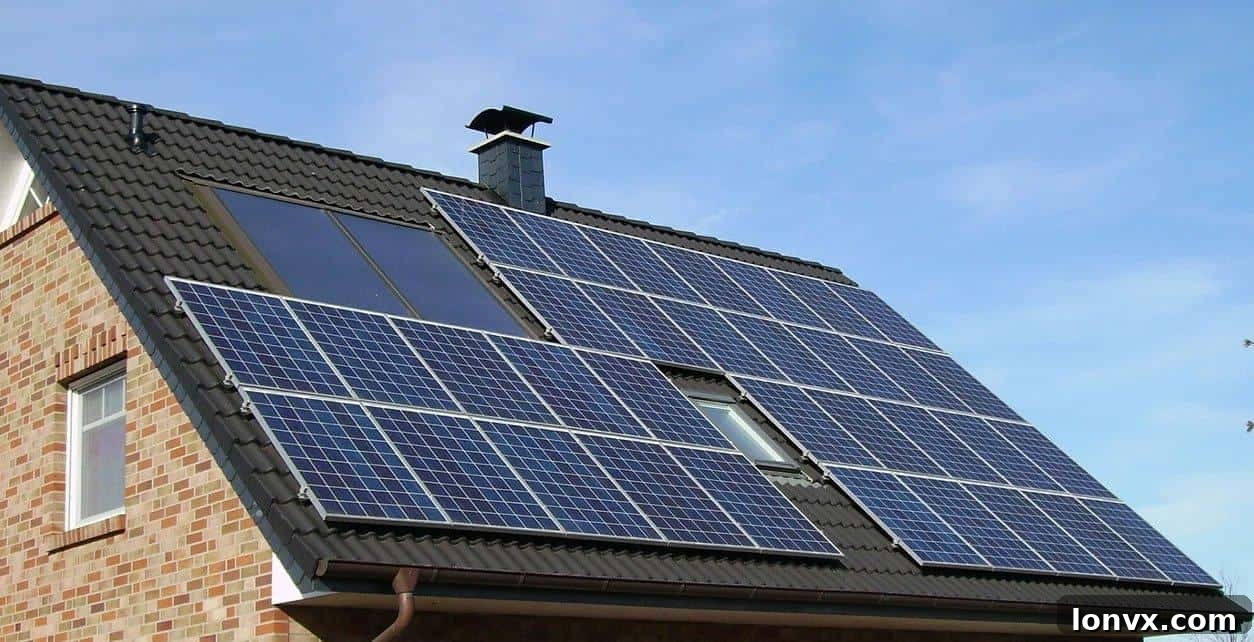
The Unseen Value: Navigating the Market of Eco-Friendly Homes
In an era defined by increasing environmental consciousness and a desire for sustainable living, the concept of a green or eco-friendly home has transitioned from a niche interest to a significant market trend. At its core, an eco-friendly home is ingeniously designed to minimize its ecological footprint, consuming fewer resources across its heating, cooling, power, water, and waste management systems compared to conventional dwellings. While the premise of selling such a home should inherently be simpler due to its long-term benefits, the reality presents a more nuanced challenge. The evolving understanding and, at times, lingering misconceptions surrounding eco-friendly housing mean that its true value often lies in the eye of an informed beholder.
For many, the mention of an “earth-friendly” home might conjure images of rudimentary, inconvenient, or even messy technologies. This perception often stems from the early iterations of sustainable home features, which, while pioneering, sometimes came with operational quirks. Think back to early composting toilets, basic pellet-burning woodstoves, or the initial solar hot water heaters. These early versions, despite their admirable intentions, occasionally introduced unforeseen inconveniences or required more hands-on maintenance, inadvertently giving the entire green building movement an undeserved bad name. However, significant advancements in technology and design have dramatically transformed these systems, making modern green homes not only efficient but also highly comfortable and user-friendly.
Debunking Green Home Myths: The Evolution of Eco-Friendly Technologies
Many of the early challenges associated with green home technologies have been overcome through continuous innovation and refinement. Understanding these advancements is crucial for both homeowners and real estate professionals aiming to accurately represent the benefits of sustainable living.
Composting Toilets: From Messy to Modern Marvels
The very name “composting toilet” can evoke an unappealing mental image – human waste transforming into fertilizer beneath your bathroom. While this basic function remains, modern composting toilets are a far cry from their rudimentary predecessors. Contemporary designs are often sleek, odorless, and require minimal maintenance. High-quality systems effectively separate liquid and solid waste, accelerate decomposition through aeration and heating elements, and produce a safe, nutrient-rich compost byproduct. Furthermore, there are now advanced incinerating compost toilets that burn waste at high temperatures, reducing it to a small amount of sterile ash, completely eliminating the need for manual handling of compost. This option, appealing to those who prefer a hands-off approach, showcases the diversity and sophistication now available in waterless sanitation solutions.
Low-Flow Toilets: Efficiency Without Compromise
Similarly, low-flow toilets historically garnered a poor reputation. Early models, if poorly designed or improperly installed, were notorious for clogging easily, often requiring users to flush twice, negating their water-saving intent. Today’s low-flow and ultra-low-flow toilets, however, are engineering marvels. They utilize powerful flush mechanisms, optimized bowl designs, and larger trapways to efficiently remove waste with significantly less water (typically 1.28 gallons per flush or less, compared to the old standard of 3.5 to 5 gallons). Modern designs prioritize both water conservation and performance, ensuring a clean flush every time without sacrificing convenience.
Solar Hot Water Heaters: From “Just Warm” to Reliably Radiant
Older solar hot water heater systems were often characterized by their complexity and perceived inadequacy, relying on a multitude of pumps, heat exchangers, transfer fluids, and extensive piping just to deliver “just warm” water. This often led to frustration and a sense that the effort outweighed the benefit. Modern solar thermal systems are significantly more efficient, reliable, and simpler to operate. Advances in collector technology (such as evacuated tube collectors) and smarter control systems mean they can reliably provide a substantial portion of a home’s hot water needs, even in cooler climates or during periods of lower sunlight. Integrated systems are now more compact, aesthetically pleasing, and require less maintenance, offering substantial savings on energy bills and reducing reliance on conventional water heating methods.
Wood Pellet Stoves: Sustainable Heat, Smart Design
Without proper understanding, a wood pellet stove might sound like a messy, archaic, and inefficient heating solution. Yet, modern pellet stoves are highly sophisticated and efficient appliances. They burn compressed wood pellets – made from debarked, ground, dried, and compressed wood waste – or pellets from other biomass materials. These stoves offer several advantages: they are incredibly clean-burning, producing minimal ash and emissions. Once loaded, they can burn for extended periods (up to 16 hours on a single hopper load in some models) thanks to automated feeding systems and precise temperature controls. Pellet stoves serve as an excellent primary or secondary heating source for various spaces, from heating an entire small home to maintaining comfortable temperatures in a garage or basement during colder months. Their ease of use, high efficiency, and the sustainability of their fuel source make them a compelling alternative to traditional wood-burning stoves or fossil fuel heaters.
The Modern Green Home: An Asset for Comfort, Value, and the Planet
Beyond debunking myths, it’s crucial to highlight the tangible and intangible benefits of today’s green homes. A well-designed, modern eco-friendly home is an indisputable asset to any community, offering significant long-term savings and an enhanced living experience for its occupants. When properly calibrated and integrated, the energy-efficient components of a green home work in harmony to create a consistently comfortable indoor environment, reducing heating, cooling, power, and water costs. The contemporary standards for green appliances and building materials are more stringent than ever, ensuring optimal performance, durability, and a truly sustainable impact.
The advantages extend beyond mere cost savings:
- Environmental Stewardship: Green homes significantly reduce carbon emissions and conserve natural resources, contributing to a healthier planet.
- Improved Indoor Air Quality: Utilizing low-VOC (volatile organic compound) paints, sealants, and sustainable building materials minimizes indoor air pollutants, creating a healthier living environment, especially beneficial for those with allergies or respiratory sensitivities.
- Enhanced Comfort: Superior insulation, high-performance windows, and efficient HVAC systems eliminate drafts and hot spots, ensuring consistent temperatures throughout the home.
- Increased Property Value: As demand for sustainable living grows, green homes often command higher resale values and can sell faster than their conventional counterparts.
- Durability and Longevity: Green building practices often incorporate durable, high-quality materials and construction techniques designed to last longer and require less maintenance.
- Access to Incentives: Many governments and utility companies offer tax credits, rebates, and financing options for energy-efficient homes and upgrades, further enhancing their financial appeal.
Industry Leaders Paving the Way: A Commercial Perspective on Green Transformations
The push towards greener solutions isn’t limited to individual homeowners; it’s a significant movement within the commercial and multi-unit residential sectors. Jaime Tiampo of Itiziar Management in Victoria, a firm specializing in rental housing, highlights the evolving landscape. He notes that while the financial payback for certain green changes can be a longer-term process, especially in warmer climates like Vancouver and Victoria where extreme heating or cooling needs are less constant, the proactive steps his industry is taking are driven by both environmental responsibility and shrewd business sense.
“We’ve systematically replaced all showerheads with ultra low-flow units and added flow restriction/aerator units on kitchen faucets across our properties,” Tiampo explains. These simple yet effective changes drastically reduce water consumption without impacting user experience, translating into significant savings on water and sewage bills over time. “For our commercial units, we’re actively upgrading aging HVAC air handling units with modern, split-zone systems,” he adds. This allows for more precise climate control in different areas of a building, optimizing energy use and enhancing tenant comfort. “In one facility with a challenging north-south orientation, we’re implementing an integrated heat pump system that efficiently moves heat around the building, rather than just in and out. This addresses the common issue where the south end heats considerably while the north end remains cool, ensuring balanced temperatures and maximal efficiency.”
Itiziar Management has also transitioned to “hot water on demand systems instead of traditional hot water tanks.” This eliminates the energy waste associated with continuously heating and storing hot water when it’s not immediately needed, offering instant hot water only when called upon. This intelligent approach to water heating represents a significant stride in energy conservation for multi-unit properties.
Tiampo emphasizes that today’s commercial property buyers increasingly expect and value green-friendly operations. They recognize the financial benefits and market appeal of sustainable buildings. “Both the suite amenities and the overarching building systems are critical,” he states. “Your suites generate revenue, while the building systems represent the operational expenses. Implementing green services such as urban vegetable gardens, secure bike parking facilities, and electric vehicle (EV) charging stations not only enhance tenant satisfaction but also create additional revenue streams and attract a desirable demographic. Simultaneously, deploying smart thermostats, utilizing water cisterns for landscape irrigation, and other similar innovations can significantly mitigate building expenses, contributing directly to the bottom line.”
The Real Estate Professional’s Role in a Greener Future
As a real estate professional, understanding the nuances of green homes – from their technological advancements to their financial and environmental benefits – is paramount. By educating yourself and effectively communicating these advantages, you will be in an unparalleled position to guide and serve your clients. While the green home market may currently be considered a niche, it is rapidly expanding. Global awareness of energy efficiency, climate change, and environmental impact is consistently on the rise, meaning eco-friendly homes will constitute an increasingly larger segment of the market each year.
For real estate agents, this evolving market presents a unique opportunity. What might initially seem like a challenge in understanding and marketing these specialized properties can quickly transform into a source of pride and a competitive advantage. By proactively learning about green certifications (like LEED, Energy Star, Passive House), understanding the return on investment of sustainable features, and effectively marketing the comfort, health benefits, and long-term savings of these homes, you can become a trusted expert. Listing eco-friendly properties in your portfolio of offerings will not only expand your potential buyer base but also solidify your reputation as a forward-thinking, knowledgeable professional committed to sustainable practices and providing exceptional value to your clients.
The future of housing is undeniably green. Embrace it, understand it, and position yourself to lead in this exciting and crucial market.