In today’s highly competitive real estate landscape, where bidding wars are common and properties often sell for well above asking price, the traditional home inspection contingency is frequently waived. While an accelerated market can present exciting opportunities for sellers and their agents, it also introduces significant risks, particularly when buyers forgo professional home inspections. This practice, aimed at giving buyers an edge, can unfortunately lead to serious legal battles and financial distress for all parties involved if significant undisclosed issues surface after closing.
The pressure on buyers in a hot market is immense. With limited inventory and eager competition, the temptation to waive crucial conditions, such as financing, insurance, or inspection, becomes almost irresistible. Buyers might feel compelled to remove these safeguards to make their offer more attractive, often believing they are receiving implicit or explicit guidance from their Realtor to do so. This perceived pressure, however, can quickly turn into a legal liability if a buyer later discovers severe, unforeseen problems with their new home.
Imagine the scenario: a buyer, having won a fierce bidding war by waiving an inspection, moves into their dream home only to discover a cracked foundation, a persistently leaking roof, faulty electrical wiring, a pervasive mold issue, or a rodent infestation in the attic. Not only is the home potentially unsafe, but the buyer may also find themselves unable to afford the necessary repairs, having already stretched their budget to secure the property. In such a situation, the buyer’s frustration and financial burden can easily escalate into a lawsuit. They might sue their own agent for allegedly pressuring them to bid without conditions. Furthermore, they could pursue legal action against the seller’s agent and the seller for failing to disclose known defects within the property.
Sellers often attempt to shield themselves and their agents by checking “don’t know” on disclosure statements, hoping to avoid responsibility for potential issues. The seller’s agent, in turn, may deny any knowledge of problems and have their seller sign a release from liability to protect themselves and their brokerage. However, this defense often falls short in court. Judges scrutinize these situations with an expectation that real estate professionals operate with a higher degree of diligence and integrity. The courts will meticulously investigate whether issues like a previously flooded basement, a recurring roof leak, or pest problems existed while the seller occupied the property. Evidence such as past insurance claims, contractor invoices, or even neighbor testimonials can quickly expose prior knowledge, undermining any claims of ignorance and making it abundantly clear that the seller and potentially their agent were aware of the property’s previous issues.
So, in this high-stakes environment, how can Realtors effectively protect themselves and their clients, ensuring smooth transactions and maintaining their professional reputation? For buyer’s agents, the focus must extend beyond merely winning the bid. For seller’s agents, while the allure of creating a bidding frenzy with no-condition offers is strong, it’s critical to consider the long-term consequences. A hot market, ironically, is the perfect environment for homeowners to divest themselves of properties riddled with underlying problems, making due diligence more important than ever.
We understand the practical difficulties of conducting a traditional inspection in an accelerated market. Many sellers are simply unwilling to entertain offers that include an inspection contingency, meaning buyers who insist on one risk losing out on desirable properties. Recognizing this critical gap, industry professionals have developed proactive solutions designed to mitigate risk for all parties involved in a real estate transaction. These innovative approaches aim to restore transparency and confidence without compromising a buyer’s competitive edge.
Pre-Listing Inspection: The Proactive Disclosure Advantage
A pre-listing inspection is a comprehensive, full home inspection conducted by a certified professional before the property is even listed on the market. This service primarily protects the seller and their agent by providing a complete, unbiased report on the property’s condition upfront. Many forward-thinking selling agents are now investing in this service on behalf of their clients, integrating it as a key component of their listing strategy.
The benefits of a pre-listing inspection are multi-faceted and significant. For sellers, it enables them to proactively address minor issues or disclose major ones before negotiations begin, potentially reducing post-offer friction and ensuring a smoother closing process. It also empowers sellers to justify not accepting offers with an inspection contingency, as a detailed digital inspection report is readily available to every interested buyer. This transparency builds trust and can actually expedite the sale process.
For buyers, a pre-listing inspection offers unparalleled clarity and confidence. They receive a comprehensive understanding of the home’s condition prior to making an offer, allowing them to make an informed decision without the pressure of a time-sensitive inspection. This removes much of the guesswork and reduces the likelihood of unpleasant surprises after closing. To further ensure impartiality and provide peace of mind, this service often includes an option for the original inspector to return after the buyer wins the bid. During this follow-up visit, the inspector conducts a full walkthrough with the buyer, educating them on the property’s systems, explaining any nuances, providing an updated report, and facilitating the transfer of all applicable warranties. This crucial step completely dissolves any fear of bias, as the inspector’s obligation now shifts directly to the buyer, ensuring their best interests are served.
Pre-Offer Advisory Service: Verbal Consultation for Informed Bidding
While a pre-offer advisory service cannot fully replace the thoroughness and detailed reporting of a full pre-listing inspection, it offers an invaluable alternative when a traditional pre-offer inspection isn’t feasible. This service provides crucial professional guidance in situations where buyers might otherwise receive no expert input at all before committing to a significant purchase.
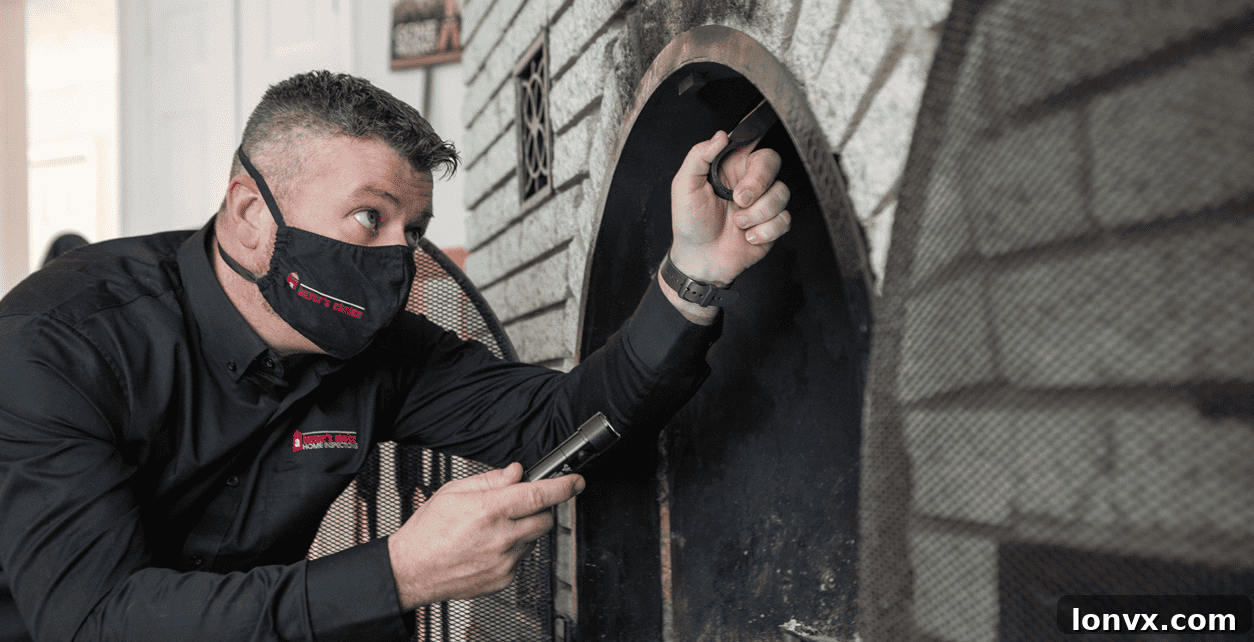
In this scenario, a professional home inspector joins the prospective buyer and their agent during a property viewing. The inspector focuses on a rapid, yet insightful, survey of the home’s major systems and components, including structural elements, roofing, electrical, plumbing, and HVAC. Leveraging specialized technology, such as infrared thermal imaging, the inspector can take a deeper look, identifying potential issues that are not visible to the naked eye. Infrared imaging, for instance, can detect moisture intrusion behind walls, reveal areas of insufficient insulation, or highlight overheating electrical components – all critical indicators of hidden problems.
At the conclusion of the viewing, the inspector provides an immediate, verbal consultation to the buyer and their agent. This consultation highlights any major problems or significant concerns discovered during the walkthrough, equipping them with vital information before they place a bid. This allows the buyer and their agent to proceed with a greater level of awareness, adjust their offer accordingly, or even decide to walk away if the risks are too high. If the buyer successfully wins the bid, the inspector can then return to conduct a full, comprehensive inspection and provide a detailed written report, offering a layered approach to due diligence.
Across the country, homes are currently being snapped up at unprecedented rates, frequently exceeding asking prices. This phenomenon is largely driven by accelerated markets, fierce bidding wars fueled by high demand, historically low inventory, and attractive mortgage rates. However, in this fast-paced environment where buyers often feel pressured to waive the safety net of a home inspection contingency, it becomes paramount for sellers and their agents to adopt proactive measures. By embracing services like pre-listing inspections and pre-offer advisory consultations, all parties can significantly protect themselves from potential hassles, disputes, and the devastating financial and legal ramifications that can arise when major defects are uncovered after the deal has closed. Ultimately, these services foster greater transparency, build trust, and contribute to a healthier, more secure real estate ecosystem for everyone involved.