Ontario’s Real Estate Regulator Under Scrutiny: Auditor General Uncovers Significant Deficiencies at RECO
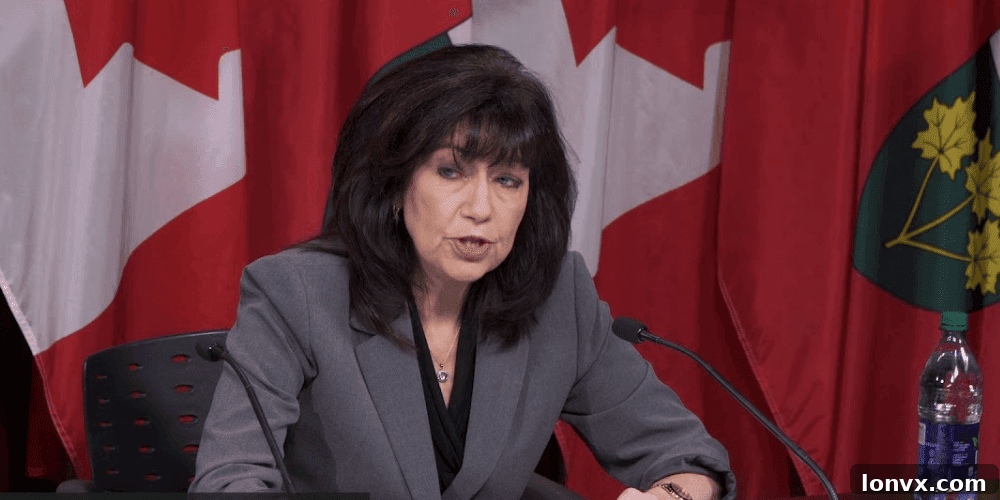
A recent, comprehensive report by Ontario’s Auditor General, Bonnie Lysyk, has cast a critical spotlight on the Real Estate Council of Ontario (RECO), the province’s primary regulator for the real estate industry. The detailed 51-page report, released as part of Lysyk’s annual assessment of government spending, concludes that RECO is “not always effective and timely” in its crucial role of ensuring real estate professionals adhere to provincial laws and regulations and, critically, in protecting consumers. This extensive review outlines a series of “significant concerns” regarding RECO’s operational effectiveness, highlighting a noticeable lack of consistent policies and processes that are fundamental for robust oversight.
The findings from the Auditor General’s office underscore a pressing need for reform and modernization within Ontario’s real estate regulatory framework. With the province’s real estate market being one of Canada’s most dynamic and valuable, the integrity and consumer trust in its operations are paramount. This report serves as a stark reminder that even well-intentioned regulatory bodies require continuous scrutiny and adaptation to effectively safeguard public interest in a rapidly evolving sector.
Key Findings: A Deep Dive into RECO’s Ineffectiveness
The Auditor General’s report doesn’t merely point out general inefficiencies; it provides a granular breakdown of specific areas where RECO’s performance has fallen short. These findings are not only alarming for consumers but also for the reputation and trustworthiness of the real estate profession itself.
Unaddressed Risks: Money Laundering and Suspicious Transactions
One of the most concerning revelations is the alarmingly low rate at which the industry reports large cash and suspicious transactions, a critical measure in combating money laundering. The Financial Transactions and Reports Analysis Centre of Canada (FINTRAC), the national agency monitoring such activities, received zero reports of large cash transactions from Ontario real estate brokers and salespersons between 2017 and 2021. Even in the 2021/22 fiscal year, only 18 reports were filed. This statistic is particularly troubling given that realtors and brokers are legally mandated to report suspicious transactions. The lack of reporting suggests either a widespread unawareness of these obligations, an oversight in enforcement, or a more systemic issue within the industry that could make the Ontario real estate market vulnerable to illicit financial activities. Such a gap not only undermines national security efforts but also erodes public trust in the transparency of real estate dealings.
Lenient Penalties and Lack of Deterrence for Misconduct
The report also critically examined RECO’s disciplinary actions, revealing that the fines issued were often insufficient to act as a genuine deterrent to future misconduct. Between 2017 and 2021, a staggering 78 percent of fines levied by RECO were $10,000 or less. More troubling still, the Auditor General’s review of a sample of discipline cases found that in 67 percent of instances, registrants were fined an amount lower than the commission they earned in the related real estate transaction. This suggests a system where breaking the rules can, in some cases, still be financially advantageous to the perpetrator, effectively undermining the purpose of regulatory penalties.
A specific case highlighted in the report vividly illustrates this issue: a registrant representing a seller failed to inform prospective buyers that offers had been placed by the registrant’s own clients and subsequently reduced their commission to “double-end” the sale—a practice that can create conflicts of interest. Despite a commission of $82,800 on the property, RECO fined the individual only $5,000. This disparity raises serious questions about RECO’s commitment to holding professionals accountable and ensuring that penalties genuinely discourage unethical behavior.
Deficient Brokerage Inspections and Follow-ups
Another significant area of concern is RECO’s process for inspecting brokerages, which are the operational hubs for real estate professionals. The Auditor General found that RECO lacks a robust process to ensure timely and proper inspections to assess compliance. Shockingly, the report states that RECO has never performed a full on-site inspection at 27 percent of registered brokerages. Furthermore, another 35 percent of brokerages have not undergone a full on-site inspection in more than five years. This translates to over 60 percent of brokerages operating without adequate recent oversight, creating a substantial risk environment.
Even when violations were identified during inspections, RECO rarely followed up to confirm that corrective actions had been taken. These identified violations were not trivial; they included “significant violations, including shortages in the brokerage’s real estate trust account where client deposits are held.” The handling of client trust accounts is paramount for consumer protection, and any deficiencies in this area pose a direct threat to consumers’ financial safety. The absence of a system to track whether investigators complete their investigations in a reasonable timeframe or take appropriate action further compounds these systemic weaknesses.
RECO’s Commitment to Rectification: A Path Forward?
In response to the Auditor General’s damning report, RECO has publicly acknowledged the findings and expressed its commitment to addressing the identified issues. The report itself contains a total of 25 recommendations, which translate into 63 specific action items for the regulator. Michael Beard, CEO of RECO, stated in a press release that the organization “appreciate[s] the opportunities the auditor general’s report presents to enhance the important work we do” and expressed pleasure that “so many of the recommendations align very closely with our strategy to modernize our approach to administering the law in the public interest.” RECO has pledged to deliver a comprehensive plan to the Minister of Public and Business Service Delivery by the spring of 2023, outlining how it will implement these recommendations. This commitment is a critical first step, but the true measure of success will lie in the diligent and effective execution of these reforms.
The Impact of TRESA: A Glimmer of Hope for Reform
Amidst the revelations of RECO’s shortcomings, there is a parallel movement within Ontario’s legislative landscape that offers hope for stronger consumer protection. The Ontario Real Estate Association (OREA) has highlighted that new provincial legislation, the Trust in Real Estate Services Act (TRESA), 2020, is poised to address many of the findings in the Auditor General’s report. TRESA was enacted to replace the outdated Real Estate and Business Act, a piece of legislation that had governed the industry for decades and was clearly no longer fit for the complexities of the modern real estate market.
TRESA introduces several significant updates designed to modernize and strengthen real estate regulation in Ontario. Key enhancements include:
- Expanded Regulatory and Enforcement Powers for RECO: Despite the current criticisms, TRESA aims to equip RECO with stronger legal tools to carry out its mandate effectively.
- Updated Eligibility Requirements for Registration: Stricter entry criteria for real estate professionals are intended to elevate industry standards.
- Enhanced Consumer Choice in Transactions: Regulatory changes are designed to provide consumers with greater transparency and options during the buying and selling process.
- Strengthened Ethical Requirements: A renewed focus on professional ethics aims to curb misconduct and promote a higher standard of practice among real estate agents and brokers.
Tim Hudak, CEO of OREA, commented on the alignment between the Auditor General’s recommendations and the new legislation: “OREA was pleased to see the auditor recommend stronger policies around criminal background checks, money laundering and stopping agents from profiting from breaking the rules.” This indicates that the industry itself recognizes the need for these changes and supports measures that bolster consumer confidence and market integrity. Many of the new rules under TRESA are scheduled to come into effect in April 2023, promising a tangible shift in how real estate is regulated and practiced in the province.
Broader Implications for Ontario’s Real Estate Market
The Auditor General’s report extends beyond a mere critique of RECO; it raises fundamental questions about the health and integrity of Ontario’s real estate market. A robust and transparent regulatory environment is not just a bureaucratic necessity; it is a cornerstone of consumer confidence and market stability. When a regulator is perceived as ineffective, it can lead to:
- Erosion of Public Trust: Consumers may become hesitant to engage in real estate transactions, fearing inadequate protection against unethical practices.
- Increased Risk of Fraud and Financial Crime: Lapses in oversight, particularly concerning money laundering, make the market vulnerable to criminal elements, potentially inflating prices and distorting true market values.
- Unfair Market Practices: Weak enforcement can allow unethical agents to thrive, putting honest professionals at a disadvantage and creating an uneven playing field.
- Negative Economic Impact: A lack of trust and transparency can deter both domestic and international investment, impacting the broader provincial economy.
The proactive implementation of the Auditor General’s 25 recommendations, coupled with the new framework provided by TRESA, is therefore not just about improving RECO. It’s about safeguarding the interests of millions of Ontarians who rely on a fair, ethical, and well-regulated real estate market for their most significant financial transactions. The scrutiny from the Auditor General provides a vital opportunity for stakeholders across the real estate spectrum—from government ministries to industry associations and individual professionals—to collaboratively work towards a more accountable and trustworthy system.
Conclusion: A Critical Juncture for Real Estate Regulation
Ontario’s real estate sector stands at a critical juncture. The Auditor General’s report has exposed significant vulnerabilities within the regulatory framework, but it has also catalyzed a renewed commitment to reform. The promise of RECO’s action plan and the transformative potential of the Trust in Real Estate Services Act offer a clear pathway towards a more effective and consumer-centric regulatory environment. However, promises must translate into tangible actions and measurable improvements. Ongoing vigilance, transparent reporting, and a steadfast dedication to ethical governance will be essential to restore full confidence in Ontario’s real estate industry and ensure it operates with the highest standards of integrity and consumer protection.
For those seeking a comprehensive understanding of the findings, the Auditor General’s full report is publicly available and can be found here.