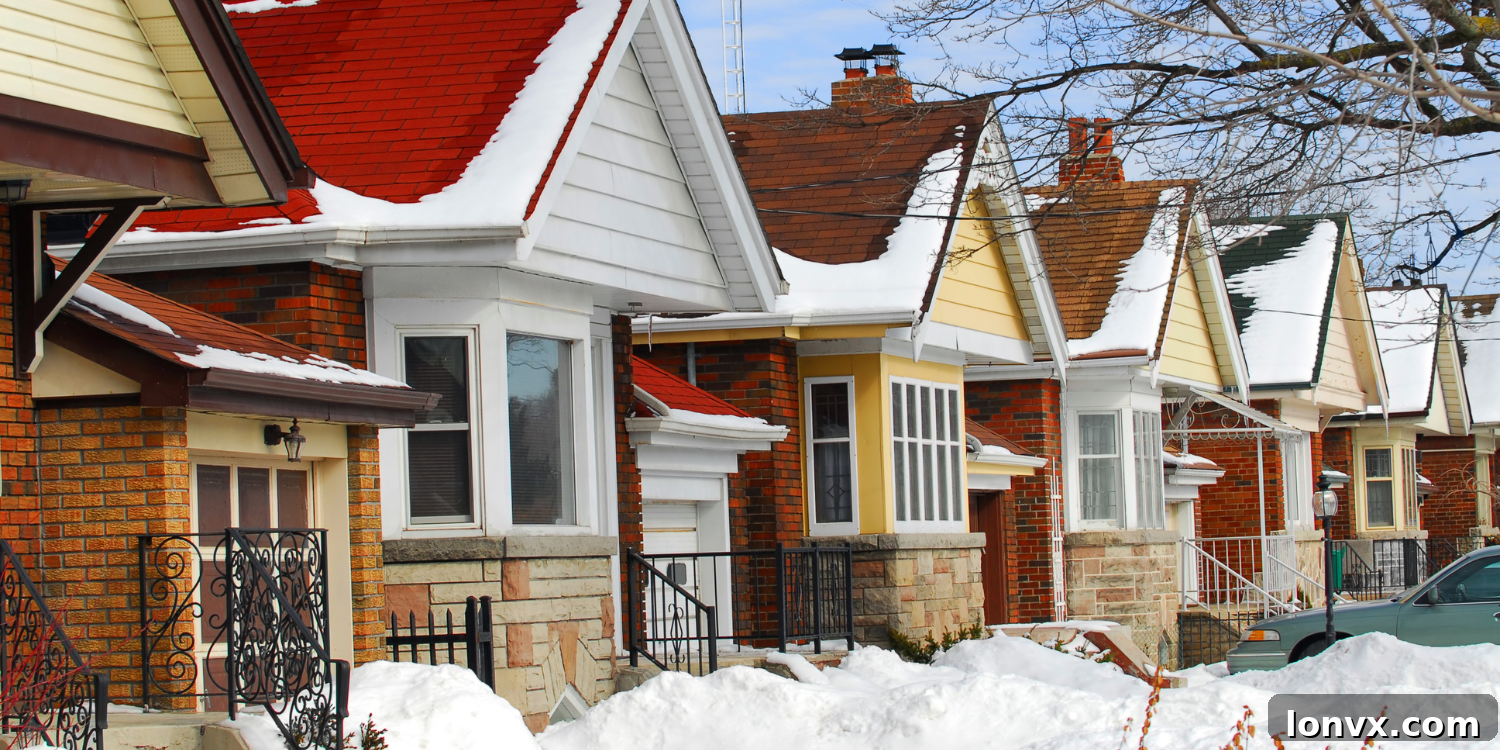
The quest for affordable housing in Ontario has reached a critical juncture, prompting extensive debate and policy initiatives across the province. In a concerted effort to address the escalating housing affordability crisis, the Ontario Real Estate Association (OREA) recently unveiled its comprehensive policy report, Analysis of Ontario’s Efforts to Boost Housing Supply. This pivotal document meticulously evaluates the Government of Ontario’s advancements in implementing the recommendations put forth by the Housing Affordability Task Force (HATF) in its seminal 2022 report. At the heart of these endeavors lies an ambitious, yet essential, objective: to facilitate the creation of 1.5 million new homes across Ontario by the year 2031.
The urgency of this goal cannot be overstated. Ontario, as Canada’s most populous province and a vibrant economic engine, faces unprecedented demand for housing driven by robust population growth, immigration, and shifting demographic patterns. This demand, coupled with persistent supply shortages, has propelled housing prices and rental costs to levels that increasingly push the dream of homeownership out of reach for many residents, particularly younger generations and first-time buyers. OREA’s report serves as a vital scorecard, offering an independent assessment of where the province stands in this monumental undertaking and outlining the critical steps needed to accelerate progress.
The Ambitious Vision: 1.5 Million New Homes by 2031
The target of 1.5 million new homes within a decade is more than just a number; it represents a commitment to ensuring that Ontario remains a place where families can thrive, businesses can attract talent, and communities can grow sustainably. The Housing Affordability Task Force, established by the provincial government, provided a robust framework of 55 strategic recommendations designed to tackle the root causes of the housing supply shortage. These recommendations spanned various aspects of the housing ecosystem, from zoning and land use planning to development financing and regulatory efficiency. The overarching aim was to dismantle bureaucratic barriers, foster innovation in construction, and create a more responsive housing market capable of meeting the diverse needs of Ontario’s growing population.
Achieving this target is crucial for several reasons. Beyond the direct impact on individual families’ ability to find suitable and affordable housing, a healthy and balanced housing market is fundamental to the province’s economic competitiveness. When housing is unaffordable, it can deter skilled workers, impede business expansion, and ultimately dampen economic growth. Furthermore, the lack of diverse housing options contributes to urban sprawl, strains existing infrastructure, and exacerbates environmental concerns. The 1.5 million homes goal is thus an integrated strategy aimed at bolstering economic prosperity, enhancing social equity, and promoting sustainable development across Ontario.
Assessing Progress: Ontario’s Mixed Performance Report
OREA’s in-depth analysis reveals a nuanced picture of the province’s efforts. The report indicates that significant strides have indeed been made, with 76 percent of the HATF’s 55 recommendations either fully implemented or currently in progress. Specifically, 33 percent of the recommendations have been brought to fruition, demonstrating a commendable commitment from the provincial government to initiate substantial policy changes. Another 43 percent are actively underway, signifying ongoing dedication to reform and a recognition of the scale of the challenge. This initial burst of legislative reforms, particularly through initiatives like the More Homes Built Faster Act, 2022, laid a strong foundation for accelerating housing development and streamlining approval processes.
However, OREA’s report also highlights areas where progress has stalled or fallen short of expectations. A concerning 13 recommendations have not yet seen any action, suggesting potential gaps in the provincial strategy or a shifting of priorities. More critically, while initial momentum was strong, the pace of housing project expedition has noticeably slowed. This deceleration is attributed largely to external economic pressures, most notably high interest rates, which have paradoxically worked against the very reforms designed to boost housing supply. Elevated borrowing costs increase development expenses, reduce buyer affordability, and create an environment of uncertainty that can delay or derail construction projects, ultimately slowing the journey to bringing more homes to market. OREA emphasizes that while setting ambitious goals is vital, the true measure of success lies in sustained, impactful execution that delivers tangible results on the ground.
Navigating Obstacles: Tackling Red Tape, NIMBYism, and Economic Headwinds
The path to achieving Ontario’s housing goals is fraught with significant hurdles. OREA’s report critically points to two primary inhibitors: “red tape” and “municipal NIMBYism.” Red tape refers to the complex, often labyrinthine bureaucratic processes, excessive regulations, and lengthy approval timelines that developers frequently encounter at various levels of government. These administrative inefficiencies add substantial costs and delays to housing projects, making them less viable and ultimately contributing to higher prices for consumers. Streamlining these processes, harmonizing regulations across municipalities, and implementing predictable approval systems are crucial steps to unlock faster housing delivery.
Municipal NIMBYism, or “Not In My Backyard” attitudes, represents another formidable challenge. While local communities have a legitimate interest in shaping their neighborhoods, resistance to increased density, mixed-use developments, or specific housing types often arises from concerns about infrastructure strain, traffic, neighborhood character, or property values. This local opposition can significantly delay or even prevent much-needed housing projects from moving forward, often leading to politically charged debates and frustrating outcomes for developers and prospective homeowners alike. OREA’s forceful call for the Government of Ontario to “stand up against red tape and municipal NIMBYism” underscores the need for provincial leadership to overcome these entrenched obstacles and ensure that broader housing objectives are not undermined by localized resistance.
Beyond these internal systemic issues, the report acknowledges the broader economic headwinds that have impacted housing development. High inflation, escalating material and labor costs, and a tight construction market have all contributed to a challenging environment for builders. These factors amplify the financial risks associated with new projects, making it more difficult to bring affordable housing options to market. Successfully navigating these challenges will require a multi-faceted approach, combining regulatory reform with strategic economic policies and incentives.
OREA’s Strategic Roadmap: 10 Urgent Action Items for 2024
Building on the foundational work of the HATF, OREA has put forth its own set of 10 targeted action items for the province to implement in 2024. These recommendations are designed to provide significant and prompt relief to Ontario’s housing supply crisis. Among these critical proposals, three stand out for their potential to immediately impact development costs and timelines:
-
Allowing Water and Wastewater Services Through Municipal Services Corporations: Currently, developers often bear the full upfront cost of extending water and wastewater infrastructure, a significant financial burden that can delay or halt projects. By enabling municipal services corporations to provide these essential services, costs could be more broadly distributed, attracting private investment and reducing the initial capital outlay required from developers. This structural change would make more projects financially feasible, accelerate infrastructure delivery, and ultimately lower the cost passed on to homebuyers.
-
Implementing Land Use Changes to Eliminate Exclusionary Zoning: Exclusionary zoning, which typically restricts vast tracts of urban land to single-family detached homes, has been a major contributor to urban sprawl and the scarcity of diverse housing types. OREA advocates for comprehensive land use changes to dismantle these restrictions, thereby allowing for the development of “missing middle” housing—duplexes, townhouses, and low-rise apartments—in existing urban areas. This reform would enable more efficient use of serviced land, create a greater variety of housing options, and foster more inclusive, walkable communities without requiring new greenfield development.
-
Modernizing Zoning to Facilitate Commercial-to-Residential Conversions and Increase Density Along Transit Corridors: The post-pandemic landscape has left many commercial and office spaces underutilized. OREA proposes modernizing zoning bylaws to simplify and incentivize the conversion of these spaces into residential units. This repurposes existing infrastructure, breathes new life into urban cores, and rapidly adds housing supply without extensive new construction. Furthermore, increasing density along existing transit corridors (Transit-Oriented Development or TOD) maximizes the utility of public transportation infrastructure, promotes sustainable living, and reduces reliance on cars, while simultaneously delivering significant housing capacity in well-connected locations.
These three recommendations, along with OREA’s other proposals, represent a strategic blueprint for the province to overcome persistent barriers and inject much-needed vitality into the housing market. They reflect a pragmatic understanding of both the financial and regulatory challenges that currently impede housing construction.
A Resolute Call: Prioritizing Homeownership for Future Generations
Tim Hudak, CEO of OREA, encapsulates the gravity of the situation with a powerful statement: “It used to be that every generation had a better shot at owning a home than the last, but the dream of homeownership is slipping away and there is an urgent need to address Ontario’s housing affordability crisis.” This sentiment resonates deeply with countless Ontarians who feel increasingly disconnected from the prospect of owning a home, a cornerstone of financial security and community belonging.
OREA’s message to the Ford Government is clear and unequivocal: “The Ford Government must keep its foot on the gas by continuing to champion pro-homeownership policies like the ones that Ontario realtors continue to put on the table. We fully support the Provincial Government resuming, at full speed, their efforts to fulfill our housing ambition and bring affordability closer to home in Ontario.” This is a fervent appeal for sustained political will and consistent policy application. It underscores that while initial steps are commendable, the long-term success of the 1.5 million homes target hinges on unwavering commitment and a refusal to allow external factors or internal resistance to derail progress. The real estate sector, through OREA, stands ready to collaborate and offer practical, experience-backed solutions to keep the momentum going.
Charting Ontario’s Housing Future: A Shared Responsibility
The journey to resolve Ontario’s housing affordability crisis is complex and requires a collaborative effort from all stakeholders: provincial and municipal governments, developers, community groups, and the real estate industry. OREA’s latest report serves as a critical reminder that while significant groundwork has been laid, the most challenging phase—that of sustained execution and overcoming entrenched obstacles—lies ahead. The provincial government has demonstrated its intent, but the imperative now is to translate this intent into tangible outcomes, accelerating housing starts and bringing diverse housing options to market at a pace that matches the province’s growing needs.
By diligently addressing red tape, curbing municipal NIMBYism, and implementing strategic reforms such as those proposed by OREA, Ontario can regain lost momentum and ensure that the ambitious target of 1.5 million new homes by 2031 is not just a vision, but a reality. The future prosperity and social fabric of Ontario depend on a housing market that is robust, equitable, and accessible to all its residents, allowing the dream of homeownership to once again be within reach for every generation.
For a comprehensive understanding of OREA’s findings and detailed recommendations, the full report, “Analysis of Ontario’s Efforts to Boost Housing Supply,” is available for review.
Enjoying this article?
Get the latest real estate insights and updates directly in your inbox three times a week. Stay informed on the evolving Canadian real estate industry!