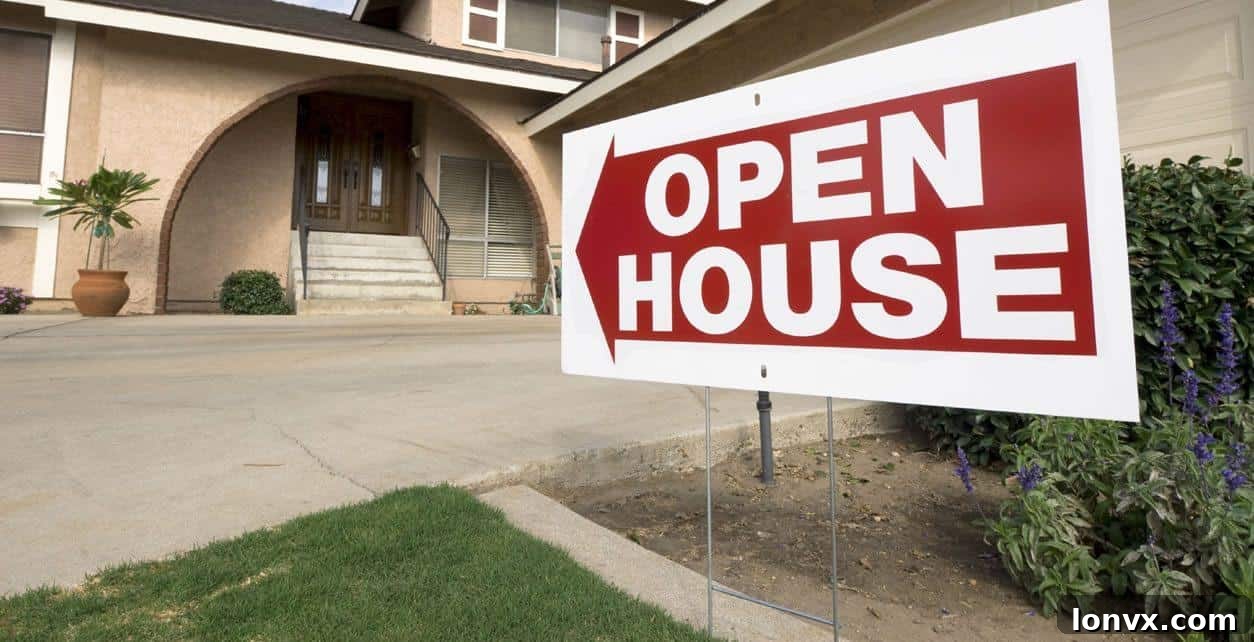
The Strategic Value of Open Houses: More Than Just a Showing
In the dynamic world of real estate, certain traditions endure, and the open house is undoubtedly one of them. For decades, these scheduled public viewings have been a cornerstone of the home selling process, widely believed to be an essential tool for attracting potential buyers. However, in today’s technologically advanced market, homeowners often wonder: Is hosting an open house truly necessary to sell my home? While the short answer for direct sales impact might be ‘not always,’ the longer, more nuanced answer reveals a complex interplay of strategic benefits for real estate agents and indirect advantages for sellers. Understanding this distinction is key to leveraging open houses effectively within a comprehensive marketing plan.
This article delves into the evolving role of open houses, examining their direct sales efficacy, their undeniable benefits for real estate professionals, and the compelling reasons why sellers might still want to consider them as a valuable component of their property’s exposure strategy. We’ll explore how modern marketing techniques have shifted the landscape and how open houses continue to offer unique, often overlooked, advantages.
The Evolving Role of Open Houses in a Digital Age
The traditional image of a bustling open house, with eager buyers lining up to view a property, might not always translate into immediate sales. Statistics from the U.S. market indicate that less than 10 percent of home sales directly result from an open house, and while specific data for the Canadian market isn’t readily available, the sentiment often mirrors this trend. This low direct conversion rate prompts many to question their overall effectiveness and whether the hassle for homeowners is truly justified.
The reality is that modern real estate marketing has profoundly changed how properties gain visibility. Today, a well-executed property marketing strategy typically includes multiple powerful channels that ensure broad exposure:
- Comprehensive Online Listings: Properties are extensively featured on multiple listing services (MLS), popular real estate portals like Zillow, Realtor.com, and local brokerage websites. These platforms ensure maximum online visibility to a global audience, allowing potential buyers to search, filter, and discover homes matching their criteria with unprecedented ease.
- Professional Photography and Videography: High-quality photos, immersive 3D virtual tours, detailed walkthrough videos, and even dynamic drone footage allow prospective buyers to experience a property from the comfort of their homes. These virtual tools provide an initial, in-depth look at a property’s layout, flow, and features, often enabling buyers to qualify a home more effectively before deciding to schedule a physical showing.
- Targeted Digital Advertising: Leveraging social media platforms (Facebook, Instagram, LinkedIn) and specialized ad campaigns allows agents to reach specific demographics and buyer profiles most likely to be interested in a particular property. This highly targeted approach ensures marketing efforts are concentrated on the most promising segments of the market.
- Agent Networking and Direct Outreach: Experienced agents actively communicate with their extensive network of pre-qualified buyers, fellow agents, and past clients. This direct outreach often facilitates off-market connections or swift sales without the need for public marketing events.
Given these robust alternatives, a property that is properly marketed through digital channels and professional outreach will undoubtedly be seen by serious buyers. In this context, an open house serves less as the primary mechanism for initial exposure and more as a supplementary, strategic tool designed to achieve specific objectives beyond merely ‘getting seen.’
Understanding Open House Visitors: Beyond the “Serious Buyer”
One of the main reasons for the low direct conversion rate of open houses into immediate sales is the diverse nature of their visitors. While some attendees are indeed serious buyers actively searching for their next home, a significant portion falls into other categories, each offering unique, albeit indirect, value:
- “Looky-Loos” and Curious Neighbors: These individuals often enjoy touring homes purely for entertainment, decorating inspiration, or out of general curiosity about properties in their area. While not immediate buyers, their presence contributes to the perception of activity and can indirectly spread word-of-mouth about the property. They might also be future sellers themselves, making them potential leads for the agent.
- Early-Stage Explorers: These are individuals who are contemplating a move but haven’t committed to specific criteria, a particular neighborhood, or a definitive timeline. They use open houses as a low-pressure environment to gauge market prices, explore different neighborhoods, and get a feel for various home styles and layouts without the commitment of a scheduled private showing.
- Comparison Shoppers: Buyers who are actively looking but are visiting properties slightly outside their current budget or ideal specifications to establish a baseline for comparison. By seeing a range of homes, they gain a clearer understanding of what they can afford, what features are truly important to them, and what compromises they might need to make in their ‘real’ house hunt.
- Future Sellers: Sometimes, neighbors or friends who are considering selling their own homes attend open houses to observe market activity, analyze staging techniques, and assess agent performance. This provides valuable competitive intelligence for them and potential listing leads for the agent hosting the event.
While these visitors may not put in an offer on the spot, their presence is not without value. They contribute to the perception of popularity for the home, gather invaluable market intelligence for the agent, and can become valuable leads for the agent in the future, even if not for the specific property being shown.
Compelling Benefits for Real Estate Agents
If open houses don’t always directly sell a home, why do agents consistently champion them as part of their marketing arsenal? The answer lies in the multifaceted benefits they offer to the real estate professional, extending far beyond the immediate sale of the specific property being showcased.
1. Invaluable Lead Generation and Networking
Open houses are a prime opportunity for agents to expand their professional network and generate a pipeline of new leads. Each visitor represents a potential client, whether they are a buyer for the current property, a buyer for another property in the agent’s portfolio, or a future seller looking for representation. Agents can engage directly with attendees, collect contact information, and build immediate rapport. This direct interaction is invaluable for identifying individuals who might be passively interested in buying or selling, allowing agents to cultivate long-term relationships and future business opportunities. Furthermore, open houses serve as excellent platforms for agents to network with their peers, showcasing properties to other buyer’s agents who might have the perfect client tucked away in their own database.
2. Real-Time Market Intelligence and Feedback
The immediate, unfiltered feedback from dozens of visitors provides a wealth of real-time market intelligence. Agents can gauge collective reactions to the property’s price, layout, condition, and staging. What features do people consistently praise? What concerns do they frequently voice? This qualitative data is crucial for advising sellers on potential adjustments to their marketing strategy, pricing, or even minor home improvements, ensuring the property remains competitive and appealing in the current market climate.
3. Enhanced Branding and Local Exposure
An open house offers a tangible, physical presence in a specific neighborhood. It allows agents to visibly demonstrate their expertise, professionalism, and commitment to effectively marketing a property. Prominent signage, high-quality marketing materials, and the agent’s engaging presence reinforce their personal brand, making them highly visible to potential clients who live nearby, are exploring the area, or simply passing by. This hyper-local exposure can be a powerful driver for generating future listings and client referrals within the community.
4. Practical Skill Development for Newer Agents
For agents new to the industry, open houses are an exceptional training ground. They provide invaluable practical experience in communicating with a diverse range of potential buyers, answering on-the-spot questions about a property, highlighting its best features, subtly handling objections, and managing a busy showing environment. It’s a relatively low-pressure way to hone essential sales skills, build confidence in client interactions, and learn the nuanced art of property presentation and networking.
Significant Advantages for Home Sellers
While the agent benefits are clear, open houses also offer several strategic advantages for the homeowner, making them a worthwhile consideration within a comprehensive selling plan that aims for optimal results.
1. The Power of an Agent-Only Open House (Broker’s Open)
Before a property is fully launched to the public, many listing agents strategically host a “broker’s open” – an exclusive event tailored for other local real estate professionals. This strategy is highly advantageous for sellers. It allows a large number of local buyer’s agents to personally tour the home, familiarize themselves with its unique features, and assess its suitability for their own client roster. Agents who have physically walked through a property are far better equipped to pitch it enthusiastically and accurately to their network, significantly expanding the property’s reach within the professional real estate community before it even hits the broader public market.
2. An Indispensable Deadline for Home Preparation
Selling a home successfully often hinges on its impeccable presentation. The looming, fixed date of an open house provides a concrete, non-negotiable deadline for sellers to complete all necessary preparations. This intrinsic pressure can be a powerful motivator to tackle tasks that might otherwise be procrastinated. Key preparation steps include:
- Curb Appeal Enhancements: Meticulously manicuring landscaping, ensuring the exterior is clean, and creating an inviting and well-maintained entrance.
- Thorough Decluttering and Depersonalization: Removing excess items, personal photos, and unique knick-knacks to allow potential buyers to envision themselves and their belongings in the space.
- Deep Cleaning: Ensuring every corner of the home is spotless and sparkling, from floors to fixtures, reflecting a sense of care and readiness.
- Strategic Staging: Arranging furniture and decor to highlight the home’s best features, maximize perceived space, and create an appealing, aspirational atmosphere.
- Addressing Minor Repairs: Fixing small but noticeable issues like leaky faucets, sticky doors, chipped paint, or loose cabinet handles that might subtly deter buyers or signal neglect.
Once this initial, intensive effort is made for the open house, maintaining tidiness and market readiness for subsequent private showings becomes significantly easier and less stressful for the seller.
3. Showcasing Lifestyle and Community Amenities
For properties that are part of a larger complex, such as luxury condominiums or homes within meticulously planned communities, an open house offers an unparalleled opportunity to showcase not just the individual unit, but also the broader lifestyle and exceptional amenities on offer. Buyers and their agents can explore shared facilities like state-of-the-art fitness centers, sparkling swimming pools, serene communal gardens, dedicated concierge services, or vibrant community event spaces. These amenities are often significant assets of the property and contribute immensely to its overall value proposition. Experiencing them firsthand can greatly enhance a buyer’s perception of value and appeal, making the property far more desirable than simply viewing photos or reading descriptions online.
4. Creating a Sense of Urgency and Competition
In a competitive or “hot” housing market, an open house can be a powerful catalyst for generating multiple offers and accelerating the sale process. When potential buyers physically see numerous other interested parties viewing the home, it creates a palpable sense of urgency and competition. This psychological effect can motivate buyers to make stronger, more immediate offers, potentially driving the selling price above the initial asking price. Even if the property is likely to sell regardless in a robust market, this perceived competition can optimize the final sale price, streamline the negotiation process, and lead to a quicker, more favorable outcome for the seller.
5. Convenience and Minimized Disruption for Sellers
While preparing for an open house requires dedicated effort, the event itself can offer a significant convenience to sellers. Instead of accommodating numerous individual showing requests spread out over days or weeks, an open house consolidates many potential viewings into a focused two-to-four-hour window. This minimizes disruption to the seller’s daily life, as they only need to vacate their home for a single, scheduled period, rather than constantly preparing for and leaving their property for multiple, potentially inconvenient, appointments.
6. Building Trust and Strengthening the Agent-Client Relationship
Allowing your agent to implement a comprehensive marketing strategy that includes an open house demonstrates significant trust in their professional judgment and expertise. This collaborative approach reinforces the agent-client relationship. If the agent gains a networking boost or finds new clients through the open house, it comes at no detriment to the seller. In fact, a positive and successful experience can lead to favorable recollections for future transactions or referrals, solidifying a valuable long-term professional connection.
Making the Most of Your Open House Strategy
For sellers who decide to host an open house, maximizing its potential involves more than just opening the front door. Strategic planning and execution are key:
- Impeccable Presentation: As discussed, ensure the home is spotless, decluttered, depersonalized, and professionally staged. First impressions are critical and can make or break a buyer’s interest.
- Strategic Timing: Work closely with your real estate agent to choose a date and time that aligns with local market activity, avoids major conflicting community events, and maximizes potential attendance. Weekends, particularly Sunday afternoons, are generally preferred.
- Effective Promotion: Beyond standard online listings, leverage local signage, targeted social media announcements, and direct invitations to generate widespread interest and maximize visitor turnout.
- Security Awareness: While agents take stringent precautions, sellers should always secure valuables, sensitive documents, and prescription medications. Discuss security protocols thoroughly with your agent beforehand to ensure peace of mind.
- Follow-Up Plan: Ensure your agent has a robust follow-up plan for all visitors, capturing their contact information and continuing the conversation beyond the open house itself.
Ultimately, while an open house might not be the sole determinant of a successful sale in every market, its strategic benefits for real estate agents and its indirect, yet significant, advantages for sellers make it a powerful tool when integrated into a well-rounded marketing strategy. It’s a unique opportunity to amplify property exposure, gather invaluable real-time insights, and capitalize on the human element of discovery and competition that even the most advanced digital listings alone cannot fully replicate.
This article was contributed by Candice Schaffer, who works at Knightsbridge Park, a leading digital marketing firm specializing in luxury real estate brands such as The Bristol and 550 Vanderbilt. Her expertise in real estate marketing highlights the importance of combining traditional methods with innovative digital strategies to achieve optimal results in today’s competitive landscape.