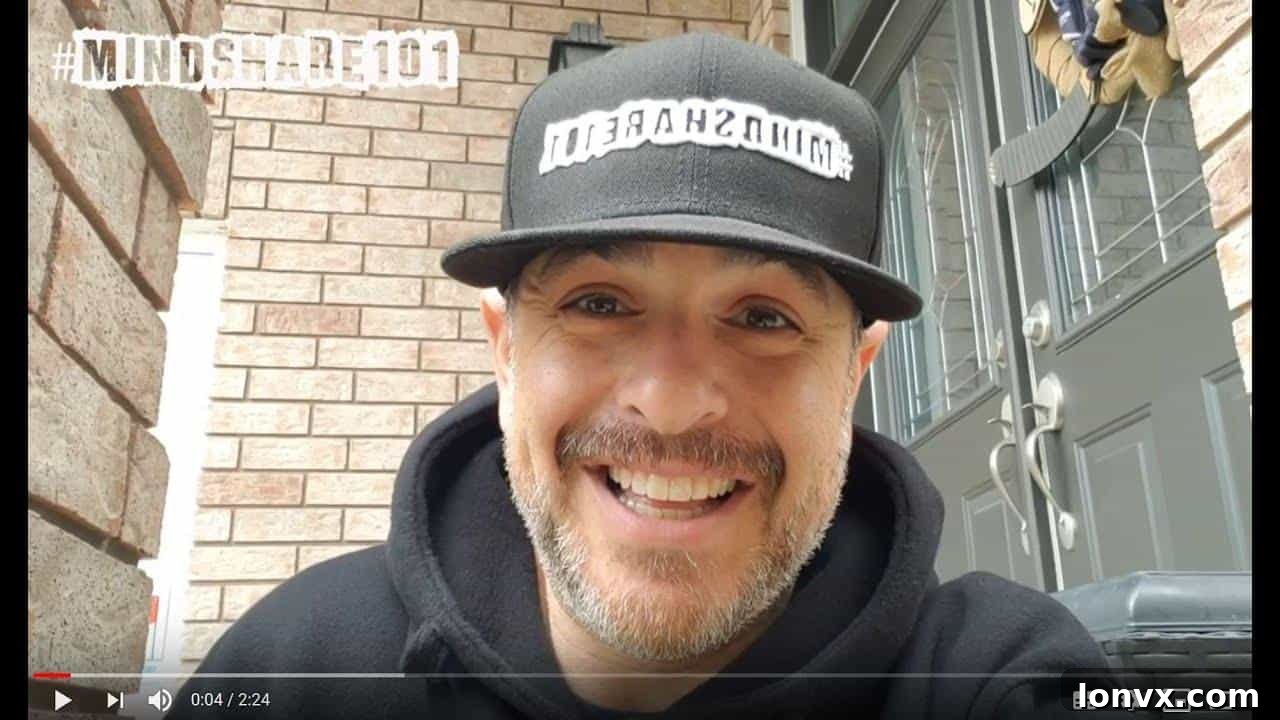
Are you happy right now? No seriously, take a moment and genuinely ask yourself: are you truly content and happy in this very moment? It’s a profound question, especially given the various global and personal challenges many of us face. From periods of profound change and uncertainty to feelings of isolation and disrupted routines, it’s easy to feel adrift. Our familiar anchors might have been lifted, our daily rhythms altered, and our connection to the world around us sometimes feels strained. In such circumstances, it’s all too easy to slip into states of depression, anxiety, or emotional overwhelm. Frustration can boil over, leading us to lash out at others or ourselves, driven by feelings that, though valid, can often get the better of us.
Have you paused to consider how you are navigating this particular chapter of your life? More importantly, have you thought about how you will want to remember this time when you look back years from now? Will you recall yourself as someone consumed by anger, upset, and negativity, allowing external pressures to dictate your inner state? Or do you aspire to look back with positive reflections, feeling proud of the resilience, adaptability, and grace with which you managed the present moment? This article aims to guide you through practical strategies to ensure you emerge from challenging times as someone who was positive, who contributed positively to others, and who left an indelible, positive mark on your personal history. This is about more than just coping; it’s about actively managing “the right now” to shape a narrative you’ll be proud of.
Mastering “The Right Now”: Cultivating Resilience and Positivity in Challenging Times
In life, we inevitably encounter periods of immense difficulty, where the ground beneath our feet feels uncertain, and the path ahead is obscured. Whether it’s a personal crisis, a global upheaval, or profound societal shifts, these moments test our limits and challenge our perspectives. The instinct might be to resist, to complain, or to simply endure. However, there’s a more empowering approach: one that involves actively engaging with the present moment, shaping your experience, and choosing the narrative you will carry forward. This journey is about transforming adversity into an opportunity for growth, demonstrating profound resilience, and ultimately, finding a way to thrive even amidst the toughest circumstances.
The Unseen Battles: Acknowledging Our Struggles
It’s crucial to first acknowledge the validity of the emotions that arise during difficult times. Feelings of anxiety, fear, grief, frustration, or even anger are not weaknesses; they are natural human responses to challenging situations. When routines are shattered, social connections are limited, and the future seems uncertain, our mental and emotional well-being can be significantly impacted. Many find themselves battling internal conflicts – struggling with a lack of motivation, feeling overwhelmed by minor tasks, or experiencing a pervasive sense of malaise. The pressure to “be strong” or “stay positive” can sometimes inadvertently lead to suppressing genuine feelings, which can be detrimental in the long run.
Ignoring or suppressing these emotions doesn’t make them disappear; it merely pushes them beneath the surface, where they can fester and erupt unexpectedly. This can manifest as increased irritability, difficulty sleeping, a loss of interest in activities once enjoyed, or even physical symptoms like headaches or digestive issues. Understanding and validating these internal struggles is the first vital step towards effective management. It allows us to approach ourselves with compassion, creating a foundation upon which more constructive strategies can be built.
Your Legacy in Real-Time: A Conscious Choice
Every single day during a difficult period presents you with a choice. It’s not about choosing the circumstances, which are often beyond your control, but about choosing your response to them. This choice dictates the story you will tell yourself and others about this time, and more importantly, the person you will become on the other side. Do you wish to be remembered, or remember yourself, as someone who succumbed to bitterness, cynicism, and helplessness? Or do you envision a future self who looks back with pride, recognizing their capacity for strength, empathy, and active contribution?
This isn’t an appeal for forced optimism or an injunction to deny the very real pain you might be experiencing. Rather, it’s an invitation to intentionality. It’s about consciously deciding to cultivate traits like resilience, adaptability, and kindness, even when it feels incredibly difficult. Your legacy isn’t built solely on grand achievements; it’s forged in the quiet moments of everyday struggle, in how you choose to show up for yourself and for others when tested. This period, however challenging, is a profound opportunity to define your character and sculpt your personal narrative.
Mastering the Present Moment: Actionable Strategies for “The Right Now”
To navigate these challenging waters effectively, a deliberate and proactive approach is essential. The following strategies are designed to empower you to not just survive, but to actively shape your experience and cultivate a sense of purpose and well-being, regardless of external circumstances.
1. Embrace Emotional Awareness and Acceptance
- Acknowledge Your Feelings: Don’t judge your emotions as good or bad. Simply recognize them. If you feel sad, say to yourself, “I am feeling sadness right now.”
- Process, Don’t Suppress: Find healthy outlets. Journaling can be incredibly therapeutic, allowing you to externalize your thoughts and feelings. Talking to a trusted friend, family member, or a professional can also provide invaluable support and perspective.
- Mindful Observation: Practice observing your emotions without getting swept away by them. Notice how they feel in your body, acknowledge their presence, and gently let them pass without excessive rumination.
2. Reclaim Your Routine, Adapt Your Structure
When external structures crumble, creating internal ones becomes paramount. Establishing a predictable routine, even a simple one, can provide a much-needed sense of stability and control.
- Consistent Schedule: Wake up and go to bed at similar times each day.
- Planned Activities: Designate specific times for work, exercise, meals, relaxation, and connecting with others.
- Small Victories: Break down larger tasks into smaller, manageable steps. Achieving these micro-goals builds momentum and a sense of accomplishment.
3. Nurture Connections, Even from Afar
Isolation can be one of the most insidious aspects of difficult times. Human connection is a fundamental need, and finding creative ways to maintain it is vital for mental health.
- Virtual Meetups: Utilize video calls for family gatherings, game nights, or coffee breaks with friends.
- Old-Fashioned Communication: Write letters or send thoughtful messages to loved ones.
- Community Engagement: Look for safe ways to engage with your local community, even if it’s just a friendly wave to a neighbor or participating in online local groups.
4. Anchor to What You Can Control
A significant source of distress stems from focusing on things beyond our influence. The Serenity Prayer offers profound wisdom: “God grant me the serenity to accept the things I cannot change, the courage to change the things I can, and the wisdom to know the difference.”
- Identify Your Sphere of Influence: Make a list of concerns. Then, categorize them into what you can change and what you cannot.
- Direct Your Energy: Devote your energy to actions, attitudes, and responses that are entirely within your power. This shift can dramatically reduce anxiety and foster a sense of empowerment.
5. Prioritize Holistic Self-Care
Self-care is not selfish; it’s essential for sustaining your well-being and your capacity to help others. This encompasses physical, mental, emotional, and spiritual aspects.
- Physical Health: Ensure adequate sleep, nutritious food, and regular physical activity. Even short walks can significantly boost mood.
- Mental Health: Limit exposure to overwhelming news, engage in mentally stimulating hobbies, read books, or learn new skills.
- Emotional Health: Allow yourself moments of joy, listen to uplifting music, or practice relaxation techniques like deep breathing or meditation.
- Spiritual Health: Connect with nature, reflect on your values, or engage in practices that bring you a sense of purpose and peace.
6. Practice Mindful Presence
The past is gone, and the future is uncertain, but the present moment is where life unfolds. Mindfulness involves bringing your full attention to the “here and now.”
- Sensory Awareness: Pay attention to the sights, sounds, smells, tastes, and textures around you.
- Mindful Breathing: Focus on your breath as an anchor to the present. Inhale deeply, exhale slowly.
- Engage Fully: Whether you’re eating, walking, or working, try to immerse yourself completely in the activity.
7. Set Attainable Micro-Goals
Large, ambitious goals can feel overwhelming during challenging times. Instead, focus on small, achievable tasks that provide a sense of progress and accomplishment.
- Daily Tasks: Aim to complete 2-3 small tasks each day, like tidying a drawer, reading a chapter of a book, or making a healthy meal.
- New Skills: Break down learning a new skill into tiny, manageable steps. Celebrate each step, no matter how small.
8. Embrace the Opportunity for Growth
Difficult periods, while painful, are often crucibles for personal transformation. View this time as a unique opportunity for introspection, learning, and developing new strengths.
- Skill Development: Use the extra time to learn a new language, coding, an instrument, or a creative craft.
- Self-Reflection: Journal about your experiences, values, and aspirations. What have you learned about yourself during this time?
- Perspective Shift: Consider how this challenge might be shaping you into a more resilient, empathetic, or resourceful individual.
9. Cultivate an Attitude of Gratitude
Even in the darkest times, there are often flickers of light. Actively seeking out and acknowledging these positives can profoundly shift your perspective from scarcity to abundance.
- Gratitude Journal: Dedicate a few minutes each day to write down three things you are grateful for.
- Express Thanks: Make it a habit to thank people, whether in person, via message, or just internally.
- Shift Focus: When negative thoughts arise, consciously try to find something positive in your immediate environment or experience.
10. Pay It Forward: The Power of Helping Others
Extending kindness and support to others not only benefits the recipient but also provides an immense boost to your own well-being and sense of purpose. It reminds us of our interconnectedness and our capacity for positive impact.
- Check-in on Others: Reach out to friends, family, or neighbors who might be struggling.
- Volunteer: Find safe ways to volunteer your time or resources to causes you care about.
- Acts of Kindness: Perform small, anonymous acts of kindness, such as leaving a positive note, offering a compliment, or sharing a resource.
Building a Foundation for Enduring Resilience
These strategies are not merely temporary fixes to get you through a difficult patch; they are foundational practices for building enduring resilience. By integrating them into your daily life, you’re not just surviving a moment of crisis; you’re actively cultivating a more robust, adaptable, and compassionate version of yourself. The skills learned and habits formed during challenging times can serve as invaluable assets, equipping you to navigate future adversities with greater ease and confidence. You are essentially building a stronger internal framework that can withstand external pressures, ensuring that you emerge not only intact but profoundly transformed for the better.
Conclusion: Your Choice, Your Legacy
The narrative of this challenging chapter in your life is still being written, and you hold the pen. The questions posed at the outset – “Are you happy right now?” and “How do you want to look back?” – are invitations to conscious choice. You have the power to choose courage over fear, connection over isolation, growth over stagnation. By actively engaging with “the right now,” by embracing these strategies for emotional awareness, self-care, and intentional action, you are not merely reacting to circumstances. You are proactively sculpting your experience, building resilience, and fostering a deep sense of purpose.
When you eventually reflect on this period, the details of the external challenges may fade, but the person you chose to be will remain vivid. Make the choice to be that person who navigated uncertainty with grace, who extended kindness to others, and who emerged stronger, wiser, and more compassionate. By doing so, you ensure that when all is said and done, you will look back not with regret or sorrow, but with profound pride in the positive mark you chose to leave on your own life and on the world around you.