The following is sponsored, promotional content. This content is not written by and does not necessarily reflect the views of REM.
The modern business landscape is undergoing a profound transformation, ushering in an era defined by adaptability and innovation. At the heart of this shift lies the flexible workspace revolution, a paradigm change reshaping how companies operate, how employees engage, and how commercial real estate is utilized. This pivotal evolution is driven by a convergence of heightened employee expectations, the rapid advancement of digital technologies, and a growing recognition among business leaders of the tangible benefits of agile working models. From bustling urban centers to quiet remote corners, the ability to work flexibly is no longer a luxury but a fundamental expectation, fundamentally redefining the concept of the traditional office.
Embracing the Flexible Workspace Revolution: A New Era for Business
The catalysts for this revolution are clear and compelling. Employees across all generations, particularly millennials and Gen Z, increasingly demand autonomy over where and how they work. This desire for greater work-life integration, coupled with a focus on well-being and productivity, has pushed companies to reconsider rigid 9-to-5 office attendance. Simultaneously, technological advancements have shattered geographical barriers. Powerful mobile devices, ubiquitous high-speed internet, sophisticated cloud-based collaboration tools, and advanced video conferencing platforms now enable seamless communication and productivity from virtually any location. Whether it’s a critical conference call from a home office, a team meeting conducted entirely in the cloud, or accessing vital company data from a co-working space across the globe, technology has made flexible working not just possible, but often more efficient.
Beyond meeting employee demands, adopting a flexible working model brings significant advantages for businesses. Organizations report marked increases in employee satisfaction, engagement, and retention. A happier workforce is often a more productive one, leading to enhanced output and innovation. Moreover, businesses benefit from greater operational agility, allowing them to scale up or down quickly in response to market fluctuations without being tied to long-term, expensive real estate commitments. This strategic advantage enables companies to access a broader talent pool, attracting skilled professionals regardless of their geographical location, and fostering a more diverse and resilient workforce.
The Seismic Shift: From Static to Dynamic Work Environments
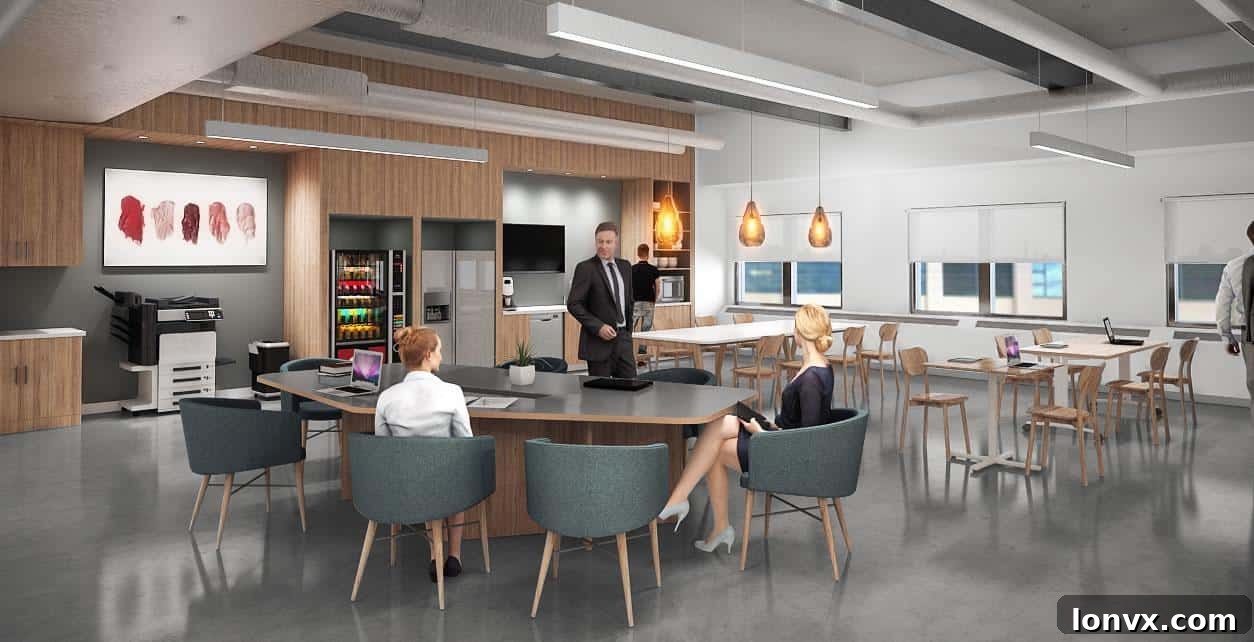
The days of monotonous, uninspiring office spaces with unreliable infrastructure and subpar amenities are rapidly fading into history. The flexible workspace revolution has flung open the doors to dynamic, vibrant, and intrinsically more productive working environments. These modern spaces are designed with collaboration, comfort, and technological integration in mind, offering a range of options from private offices and shared desks to dedicated meeting rooms and communal lounges, all within a flexible framework.
Leading the charge in understanding this transformation, IWG, a global provider of flexible serviced offices with a diverse portfolio of brands including Regus, recently conducted a comprehensive survey involving 15,000 professionals across 80 countries. The findings unequivocally underscore the magnitude of this shift: a vast majority of respondents now consider flexible working to be “the new normal.” This isn’t merely a temporary trend; it represents a fundamental re-evaluation of how work is performed and perceived, solidifying flexible working as a permanent fixture in the modern professional landscape.
Employee Preferences Driving the Change
The IWG research sheds light on the evolving priorities of the global workforce. An astounding 83 percent of workers worldwide indicated they would not even consider a job offer if it didn’t include flexible working options. This statistic alone highlights the critical role flexibility plays in attracting and securing top talent in today’s competitive market. Furthermore, over half (54 percent) of those surveyed revealed that the freedom to choose their place of work – whether a home office, a co-working space, or a satellite office – is more important to them than working for a prestigious company. This reflects a shift in values, where personal autonomy and work-life harmony often trump traditional markers of corporate status.
Perhaps most strikingly, nearly a third (28 percent) of professionals surveyed expressed that they value the ability to select their work location more highly than being granted additional annual leave. This finding speaks volumes about the deep desire for control over one’s working environment and schedule, illustrating its perceived impact on overall well-being and effectiveness. For businesses, aligning with these preferences is no longer optional; it is essential for retaining valuable employees, boosting morale, and ensuring sustained productivity.
The Profound Impact on the Property Sector
As business leaders worldwide increasingly acknowledge and adapt to these shifting employee preferences, the commercial property sector faces both challenges and unprecedented opportunities. The traditional model of long-term leases for fixed, singular office spaces is becoming less attractive to businesses seeking agility and cost efficiency. This dynamic creates a powerful impetus for landlords, developers, and real estate brokers to rethink their strategies and actively participate in the flexible workspace trend.
Adapting to New Demands
For property owners and developers, understanding and integrating flexible workspace solutions into their portfolios is paramount. This means moving beyond simply providing space and evolving into providers of comprehensive, adaptable work environments that meet diverse tenant needs. Offering a range of options, from fully serviced offices and co-working memberships to hybrid models that blend traditional leases with flexible access, allows property owners to attract a broader tenant base and mitigate vacancy risks. Investing in the infrastructure that supports flexible work—such as robust Wi-Fi, modern collaboration tools, and well-designed communal areas—transforms buildings into attractive hubs for the modern workforce.
Real estate brokers, too, have a crucial role in guiding businesses through the complexities of this new landscape. By understanding the intricacies of flexible lease agreements, the benefits of co-working models, and the specific needs of various industries, brokers can effectively match businesses with the ideal flexible workspace solutions. This shift necessitates a consultative approach, where brokers act as strategic partners, helping clients navigate their options and make informed decisions that support their long-term growth and talent retention strategies.
Navigating the Transition: Overcoming Challenges and Seizing Opportunities
While the benefits of joining the flexible workspace revolution are evident, implementing such a significant shift is not without its hurdles. IWG’s survey revealed that a substantial 60 percent of respondents consider changing an established workplace culture to be a major obstacle in successfully adopting a new workspace policy. This is particularly true for organizations with deeply entrenched, non-flexible working traditions. Furthermore, 41 percent of respondents expressed concern about the potential impact of flexible working on their company’s overall culture, highlighting the need for careful planning and communication.
Supporting Businesses Through Cultural Change
This is precisely where the commercial property sector, particularly landlords and workspace providers, can offer immense value. By providing robust support, they can ease the transition for businesses that are either hesitant to change or struggling with implementation. Offering spaces that are already ‘revolution-ready’—equipped with advanced technology, flexible layouts, and community-building amenities—significantly reduces the burden on tenants. Additionally, property partners can offer advice, resources, and even managed solutions that streamline the shift, making it less arduous for businesses to embrace new working models.
The market signals are clear: a significant increase in property developers and owners are actively seeking to enter this sector, recognizing the immense potential to capitalize on this overarching business and cultural shift. The statistics further underscore this growth trajectory: over the past four years, more than a third (38 percent) of global businesses have introduced a formal flexible workspace policy. This robust adoption rate indicates that the flexible workspace sector is poised for continued and substantial growth, presenting enduring opportunities for innovation and investment.
Companies like IWG are at the forefront, actively assisting businesses in navigating this complex cultural and operational transformation. However, the broader property sector has an equally critical role to play. By collaborating with businesses, understanding their evolving needs, and proactively adapting their offerings, landlords, developers, and brokers can not only thrive in this new environment but also become integral enablers of the future of work. This collective effort will drive the continued evolution of work environments, fostering greater productivity, satisfaction, and resilience for businesses and employees alike.
To explore how your business can benefit from the flexible working revolution and find tailored workspace solutions, visit regus.ca or call +1 844 241 5515.