Discover Saba: The Dutch Caribbean’s Enchanting Island Where Tradition Builds the Dream Home
Imagine a picturesque island where every home tells a similar, beautiful story. On the captivating Dutch Caribbean island of Saba, real estate agents find a unique charm in their listings, not through flamboyant descriptions of diverse architecture, but through the captivating uniformity that defines its residential landscape. This architectural harmony isn’t a mere coincidence; it’s a deeply ingrained tradition, meticulously preserved and, in a fascinating twist, legally mandated.
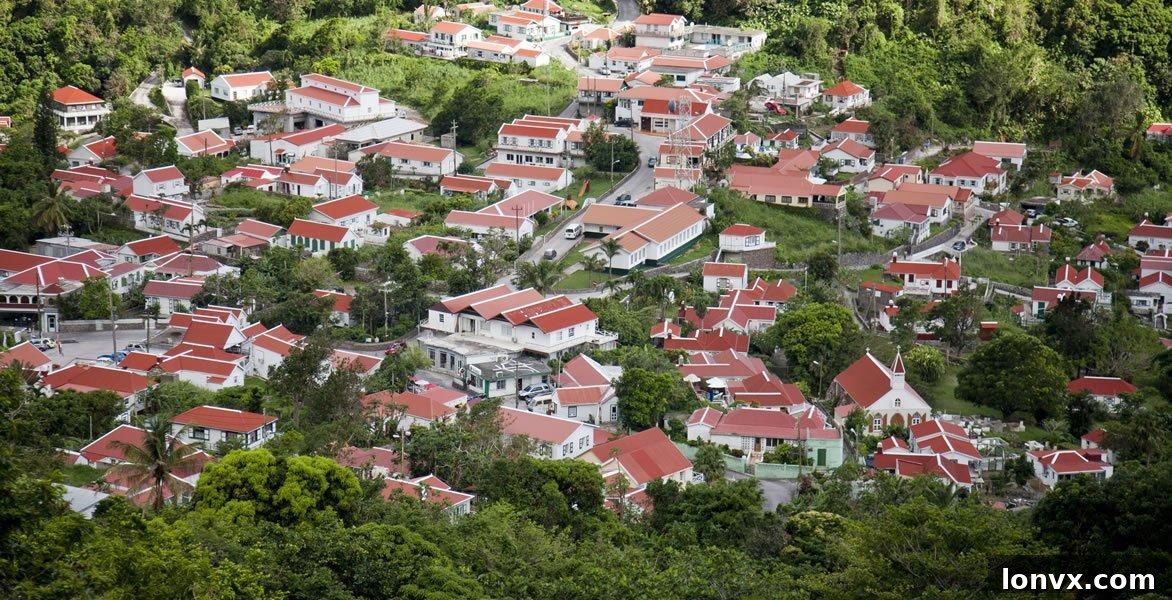
Saba’s homes, often referred to as storybook cottages, adhere to a strict aesthetic code that imbues the entire island with an undeniable quaintness. These charming, single-storey wooden structures are typically perched on robust stone foundations, a testament to enduring craftsmanship and island resilience. Their exteriors are invariably painted a crisp, pristine white, offering a striking contrast against the island’s lush green backdrop and the azure Caribbean sky. The windows, consistently sized sash windows, are adorned with shutters painted in one of three approved color schemes: a refreshing green and white, a vibrant red and white, or a classic, all-white. This careful adherence to a limited palette ensures a cohesive and visually pleasing streetscape across Saba’s villages.
The Iconic Red Roofs and Their Enduring Appeal
Crowning these immaculate white homes are roofs with a distinctive pitch of approximately 35 degrees, almost universally colored a warm, inviting red. Traditionally, these were made of shingles, lending an authentic, timeless quality to each dwelling. While many homes proudly retain their original shingled roofs, some homeowners have, over the years, opted for corrugated iron sheets. This practical shift is driven by considerations of upkeep, as corrugated iron can be less maintenance-intensive than shingles, and significantly, by the ever-present threat of hurricanes in the Caribbean. Despite this variation in material, the iconic red hue remains steadfast, contributing to the island’s recognizable visual identity. Far from creating a monotonous or uninspired vista, this architectural consistency in Saba fosters a sense of serene order and undeniable charm, making the island feel like a living postcard.
The secret to this captivating uniformity lies not just in the design regulations, but in the meticulous care and pride homeowners invest in their properties. Many houses appear as if they have just received a fresh coat of paint, their white exteriors gleaming under the tropical sun. Adding to this enchanting allure is the intricate gingerbread trim that often adorns eaves and verandas, providing delicate, handcrafted details that soften the structural lines. Furthermore, the neat and tidy gardens surrounding these homes are a riot of tropical splendor. Here, vibrant plants and exotic flowers thrive in the fertile volcanic soil, creating mini-paradises that spill over with color and fragrance. Picket fences or other decorative wooden enclosures, always painted in one of the approved island colors, complete this idyllic picture, reinforcing the feeling of stepping into a cherished storybook scene.
A charming traditional home in The Bottom, Saba’s capital.
Saba: The Unspoiled Queen of the Caribbean
Saba is affectionately known as the “Unspoiled Queen” of the Caribbean, a title it proudly wears due to its commitment to natural preservation and a slower pace of life. While it lies a mere hour’s ferry ride or an exhilarating 11-minute flight from the bustling hub of St. Maarten, Saba feels a world apart. This diminutive island, an extinct volcano measuring just 13 square kilometers with a population of approximately 1,500 residents, remains delightfully off the beaten track. Its unique geography, characterized by dramatic cliffs, lush rainforests, and the absence of expansive sandy beaches, contributes to its secluded charm, attracting a particular kind of traveler and resident.
Indeed, the lack of broad, sandy beaches is often cited as a reason for Saba’s relative obscurity among typical Caribbean tourists. However, what it lacks in conventional beachfront, it more than makes up for in unparalleled underwater wonders, making it a true paradise for divers. The surrounding marine park, teeming with vibrant coral reefs and diverse marine life, offers some of the best diving experiences in the world. Above sea level, the island boasts an impressive 856.5-meter summit in its center, Mount Scenery, which is also the highest point in the entire Kingdom of the Netherlands. This peak offers challenging hiking trails that wind through elfin cloud forests, rewarding adventurers with breathtaking panoramic views.
Saba’s infrastructure is as unique as its natural beauty. It is home to the world’s shortest commercial airport runway, a marvel of engineering built into the side of a cliff, providing one of the most thrilling landing experiences globally. Equally impressive is the island’s single, winding 10-kilometer-long road, famously known as “The Road.” Completed in the 1940s, its construction was once deemed impossible due to the island’s incredibly steep and mountainous terrain. These remarkable feats of human endeavor, coupled with its pristine natural environment, solidify Saba’s reputation as a destination for those seeking adventure, tranquility, and authenticity.
The Genesis of a Unique Architectural Law
What truly distinguishes Saba and amplifies its unique charm is, without doubt, its collection of quaint-looking homes. Whether one is exploring The Bottom, the island’s charming capital, or venturing into Windwardside, the second-largest village nestled high on a ridge, the familiar sight of white houses crowned with red roofs offers a comforting sense of continuity and easy recognition. This pervasive aesthetic has long been a source of pride for Sabans, an unspoken tradition passed down through generations.
For centuries, locals never questioned the established look of their homes; it was simply “the Saba way.” This deeply rooted custom, however, faced a challenge about three decades ago. A small influx of newcomers to the island, perhaps unaware of or unaccustomed to Saba’s traditional norms, began to renovate their newly acquired homes to reflect their own personal preferences, deviating from the time-honored style and color schemes. This departure from tradition sent ripples of concern through the tight-knit Saban community. For many Sabans, whose ancestral roots on the island can be traced back to the first settlers in 1640, this architectural shift was more than just a change in facade; it was a perceived threat to their cultural identity and the very essence of their island’s character.
In response to this collective concern and a desire to safeguard their unique heritage, the governing body of Saba made a pivotal decision. What had long been a cherished, informal tradition was formally codified into law. Today, all homes on the island must strictly adhere to specific style guidelines and color schemes, ensuring the preservation of Saba’s distinctive architectural legacy for future generations. This legal framework, far from being seen as restrictive, is widely embraced by Sabans, who view it as a vital measure in protecting the island’s soul and maintaining its “Unspoiled Queen” status. It suits Sabans just fine, as it ensures their island home remains as charming and unique as ever.
Real Estate on Saba: A Niche Market Rooted in Tradition
For those considering real estate on Saba, the architectural mandate presents a unique proposition. While it limits creative freedom in exterior design, it simplifies the aesthetic decision-making process and guarantees a consistent, high-quality visual environment across the island. This appeals to buyers who prioritize community harmony, a strong sense of place, and an escape from the often-chaotic architectural sprawl found elsewhere. Investing in a Saba home means becoming part of a living tradition, a custodian of a unique Caribbean heritage.
The real estate market on Saba attracts a niche clientele: individuals seeking tranquility, natural beauty, a close-knit community, and a distinctive lifestyle. Property values are influenced by the island’s unique appeal, the limited availability of land, and the premium placed on maintaining its unspoiled character. Whether you’re looking for a permanent residence, a vacation home, or an investment property, purchasing real estate on Saba means buying into a lifestyle that cherishes tradition and community over ostentation. The consistency in home appearance also means that property value often stems from interior amenities, land size, views, and meticulous upkeep, rather than solely on exterior design differentiation.
However, this very uniformity, while charming, does come with a humorous caveat: if you’re giving directions on Saba, be warned! Using a local home as a landmark is an exercise in futility. With virtually every house sharing the same pristine white walls and vibrant red roof, finding a specific dwelling requires far more detailed instructions than a simple “turn right at the white house with the red roof.” This quirky detail only adds to Saba’s endearing character, reinforcing the island’s commitment to its unique architectural identity and the shared sense of community it fosters.
Saba stands as a shining example of how preserving tradition can create an extraordinarily charming and cohesive environment. Its architectural laws are not merely regulations but a testament to a community’s deep-seated pride in its heritage and its dedication to maintaining the “Unspoiled Queen” status. For visitors and potential residents alike, Saba offers more than just stunning views and thrilling adventures; it offers a timeless sense of place, where every home contributes to a breathtaking, storybook landscape, inviting all to experience its tranquil beauty and unique way of life.