Navigating the Rising Tides: Understanding and Mitigating Flood Risk in the Real Estate Market
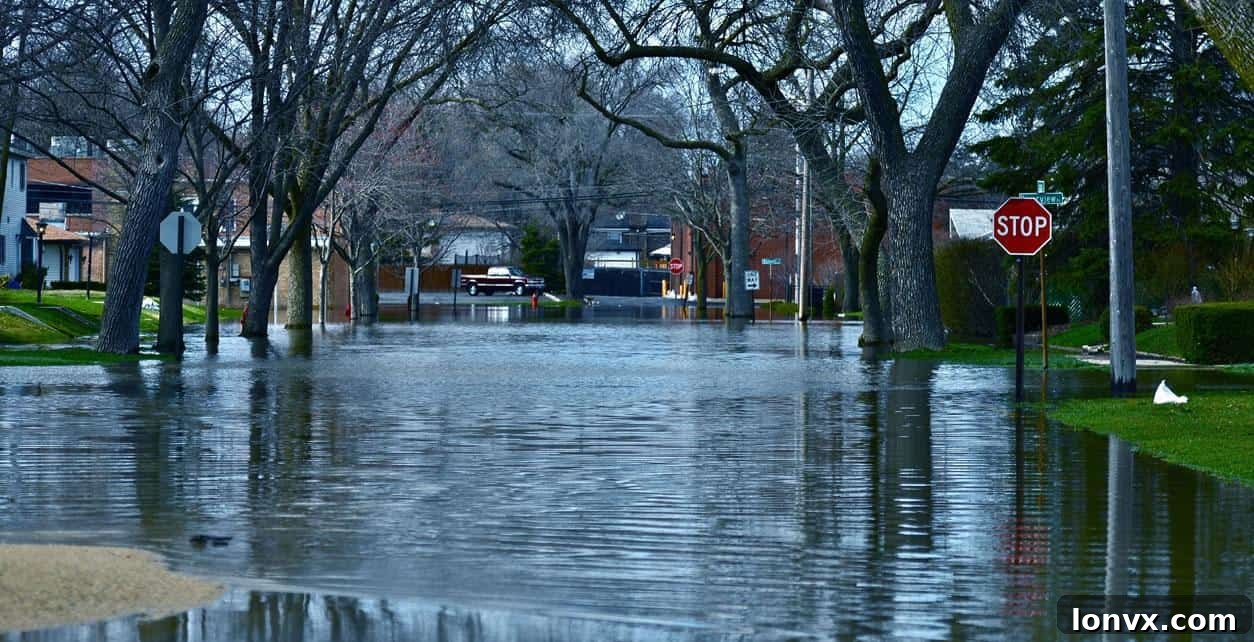
The landscape of environmental challenges is rapidly evolving, and among the most pressing concerns for property owners, real estate professionals, and communities alike is the escalating threat of flooding. If you operate under the assumption that your market is immune to this peril, it is time to reconsider. The scientific consensus and observable patterns indicate a new climatic reality: future storms will bring more intense precipitation, greater frequency, and faster runoff. This paradigm shift places an unprecedented number of properties and, by extension, your clients, at significant risk.
Across North America, from bustling urban centers to tranquil coastal communities, flood events are no longer isolated incidents but a growing, pervasive issue impacting real estate values and the security of homeowners. Flood risk has emerged as the modern-day “knob and tube” – an often-overlooked yet critical vulnerability that demands immediate attention. For real estate professionals, the question is not if, but when, this risk will directly affect their clients and their business. Is it not, then, within your fundamental duty of care to possess a comprehensive understanding of flood risk in your operating market?
The Escalating Threat: Why Flooding is a New Normal
The increasing regional susceptibility to flooding is a continental phenomenon, driven by a complex interplay of environmental factors. Flooding, far from being a singular event, manifests through multiple distinct sources, each presenting unique challenges and requiring tailored mitigation strategies.
Diverse Sources of Flood Risk
-
Riverine Flooding
Often associated with increased rainfall, rapid snowmelt, or accelerated glacial runoff, riverine flooding occurs when rivers, lakes, and other inland waterways overflow their banks. This can be a gradual process, allowing for some preparedness, or a swift and devastating flash flood. Regions such as Calgary, Winnipeg, and various communities across Ontario, New Brunswick, and Quebec have experienced the profound impacts of elevated water levels from these sources. The sheer volume of water, exacerbated by climate change-induced weather patterns, can inundate vast areas, disrupt infrastructure, and cause widespread property damage.
-
Infrastructure-Induced Flooding
The integrity of critical infrastructure plays a pivotal role in flood management. When significant precipitation or excessive water volumes are compounded by the failure of structures like dams, levees, or dikes, the impacts can be catastrophic. Such failures lead to uncontrolled releases of water, overwhelming downstream areas with little to no warning. These events, though often localized, have the potential for widespread destruction and displacement, affecting communities nationally and underscoring the importance of robust infrastructure maintenance and contingency planning.
-
Coastal Estuary Flooding
For communities situated along coastlines, the threat of coastal estuary flooding is a growing concern. This complex phenomenon combines rising sea levels – a long-term consequence of global warming – with powerful storm surges. When these factors converge with increased upstream water volumes flowing into estuaries, the result is amplified impacts and dramatically shortened response times. Pacific coastal communities, for instance, are increasingly grappling with the dual pressures of higher tides and more frequent, intense coastal storms, leading to erosion, saltwater intrusion, and direct inundation of properties.
-
Urban Flooding
Perhaps one of the most pervasive and financially impactful forms of flooding is urban flooding, which poses a significant potential for property loss due to the high concentration of valuable land improvements in metropolitan areas. Modern urban landscapes, characterized by vast expanses of impervious surfaces such as roads, buildings, and parking lots, drastically reduce the natural absorption of rainwater. This decreased permeability means that heavy rainfall overwhelms existing urban infrastructure, including storm sewers, which were often designed for historical weather patterns. The result is intense surface flooding, sewer backups into homes and businesses, and substantial property damage. Major Canadian urban centers like Toronto, Edmonton, and Montreal, along with virtually every urban community across the country, are increasingly vulnerable to these localized yet devastating events.
The Professional’s Imperative: Duty of Care in a Changing Climate
In this evolving risk landscape, the concept of “duty of care” for real estate professionals takes on new depth and urgency. It is no longer sufficient to merely facilitate transactions; professionals are increasingly expected to be knowledgeable advisors, guiding clients through complex risks that can profoundly impact their investments and quality of life. Understanding flood risk in your market is not just good business practice; it’s an ethical imperative.
Clients rely on their real estate agents and brokers for expertise beyond just market values and property features. They seek guidance on factors that affect a property’s long-term viability, safety, and potential appreciation. Failing to inform clients about known or reasonably discoverable flood risks can lead to significant financial losses for homeowners, erode client trust, damage professional reputation, and potentially lead to legal liabilities. Real estate professionals have a unique opportunity to become trusted navigators in this complex environment, providing invaluable insights into flood risk assessments, available mitigation strategies, and the implications for property insurance and resale value. Embracing this expanded duty of care transforms a potential liability into a profound competitive advantage, fostering deeper client relationships and building a more resilient real estate industry.
Empowering Homeowners: Practical Flood Protection and Resilience
While the broader challenges of climate change and infrastructure are systemic, there are concrete, practical steps homeowners can take to protect their properties from flood risk. Providing this information to clients is a vital service that can make the difference between massive, unrecoverable losses and minimal flood impacts.
For instance, the Intact Centre on Climate Adaptation at the University of Waterloo offers valuable resources, including infographics that distill complex information into actionable tips for homeowners. Sharing such credible and accessible information empowers clients to make informed decisions and implement protective measures. Beyond just an infographic, real estate professionals can discuss a range of homeowner-level strategies:
-
Basement Flood Protection
Encourage the installation and regular maintenance of sump pumps with battery backups. Advise on the installation of backwater valves on sewer lines to prevent sewage backup during heavy rainfall. Sealing foundation cracks and ensuring proper window well drainage are also crucial steps.
-
Exterior Water Management
Educate clients about proper grading of their landscape, ensuring that ground slopes away from the foundation rather than towards it. Clear eavestroughs and downspouts regularly, and extend downspouts at least six feet away from the home. Consider permeable paving solutions for driveways and walkways, or incorporate rain gardens to help absorb excess stormwater on the property.
-
Elevating Valuables and Utilities
Suggest elevating critical utilities like furnaces, water heaters, and electrical panels above potential flood levels, especially in flood-prone basements. Storing valuable items and important documents in waterproof containers or on higher floors can significantly reduce potential losses.
-
Emergency Preparedness
Advise clients to create a comprehensive emergency kit, including essentials like food, water, flashlights, and a battery-powered radio. Developing a family emergency plan, including evacuation routes and designated meeting points, is also critical for safety.
-
Understanding Flood Insurance
A crucial conversation point is flood insurance. Many standard home insurance policies do not cover overland flooding. Real estate professionals should advise clients to thoroughly review their policies and consider purchasing supplementary flood insurance if available and appropriate for their risk profile. Understanding the nuances of deductibles, coverage limits, and exclusions is paramount.
Broader Economic and Industry Implications
Flooding is not an isolated phenomenon; it is one of several escalating property value impacts stemming from increasing precipitation, prolonged droughts, and intensified wind events—all hallmarks of a changing climate. This “new normal” is anything but normal; it is catastrophic, and its long-term implications will translate to massive, multi-billion-dollar losses to Canadian property values across the country for decades to come.
This evolving reality presents a direct and existential threat to the health and stability of the real estate industry, directly eroding the real wealth of your clients, and challenging the very foundation of your business. Properties in high-risk flood zones may become harder to insure, leading to diminished marketability and reduced property values. Lenders may become more cautious about issuing mortgages in these areas, impacting liquidity and development. The collective impact could lead to stranded assets, where properties become increasingly difficult to sell or finance due to unmitigated climate risks.
However, within this challenge lies an immense opportunity. Real estate professionals who proactively educate themselves and their clients about climate risks, particularly flooding, can position themselves as invaluable advisors. By advocating for resilient building practices, promoting properties with robust flood protection, and guiding clients toward informed decisions, the industry can play a pivotal role in shaping a more resilient future. This proactive stance not only protects clients but also safeguards the long-term vitality of the real estate market itself, turning a potential crisis into an opportunity for innovation and leadership.
Building a Resilient Future
The escalating threat of flooding demands a proactive and informed response from every segment of the real estate sector. The era of assuming immunity is over. Real estate professionals are uniquely positioned at the intersection of property ownership and market dynamics, making their role in addressing flood risk absolutely crucial. By embracing an expanded duty of care, investing in knowledge, and empowering clients with practical solutions, the industry can help build more resilient communities and protect the significant investments that define our nation’s wealth.
The future of real estate is intertwined with our ability to adapt to a changing climate. By acknowledging the new normal, understanding its multifaceted challenges, and actively pursuing mitigation strategies, we can collectively work towards a safer, more sustainable, and more secure property market for generations to come. This is not just about compliance; it’s about leadership, foresight, and ultimately, safeguarding the prosperity of our clients and our profession.