Saskatchewan’s Real Estate Boards on the Cusp of a Transformative Unification
Saskatchewan is poised for a significant and progressive restructuring within its real estate sector. Three of the province’s prominent real estate boards are preparing for a landmark amalgamation, a strategic move anticipated to deliver unparalleled services and bolster representation for their dedicated members across Saskatchewan. Kevin Wouters, the esteemed Chair of the Rationalization Taskforce steering this initiative, affirms that this unification will herald a new era of efficiency, innovation, and advocacy for real estate professionals.
The concept of merging Saskatchewan’s real estate boards has been a topic of discussion for approximately 15 years. However, Wouters emphasizes that current conditions, marked by evolving membership demographics, rapid technological advancements, and a collective drive for greater operational effectiveness, make this moment uniquely opportune. The consolidation of these individual boards into a singular, cohesive association is viewed not merely as an administrative change, but as a crucial evolutionary step designed to eliminate redundancies, optimize resource allocation, and ultimately serve the province’s real estate community more effectively than ever before.
A Vision for Enhanced Member Services and Professional Advancement
Central to the rationale behind this amalgamation is the commitment to providing an enriched suite of products and services that surpass those currently offered by separate entities. A primary focus will be on significantly expanding educational opportunities. In today’s dynamic and competitive property landscape, continuous professional development is not just beneficial, but essential. The unified association will be better equipped to provide access to cutting-edge training, specialized certification programs, and timely industry insights, ensuring that Saskatchewan Realtors remain at the forefront of their profession and adept at navigating market complexities.
Beyond education, members can look forward to bolstered support infrastructure, including enhanced IT assistance. As digital tools and platforms increasingly form the backbone of modern real estate transactions, robust and responsive technical support becomes an indispensable asset for every professional. Furthermore, a pivotal initiative of the amalgamated body will be the establishment of a full-time government relations position. This dedicated specialist will serve as a powerful voice for the industry, actively engaging with provincial policymakers, advocating for supportive legislation, and influencing regulations that foster a healthy and robust real estate market across Saskatchewan.
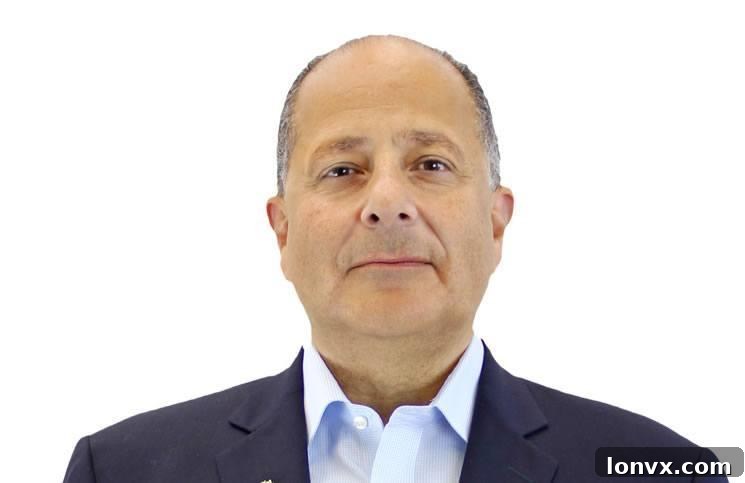
Kevin Wouters
“Undoubtedly, one of the most compelling advantages of consolidating into a single association, as opposed to operating four distinct ones, is the profound opportunity to eliminate a multitude of redundancies,” states Kevin Wouters, drawing on his extensive experience as broker/owner of Century 21 Prestige Real Estate in Prince Albert and his previous role as the 2016 president of the Association of Saskatchewan Realtors (ASR). “By streamlining our governance frameworks and leadership structures, we unlock the potential to reinvest significant funds directly back into core services. This strategic reallocation of resources empowers us to deliver a much broader array of products and services to our membership, including the crucial addition of a dedicated, full-time Government Relations person.”
Wouters further emphasizes the strategic importance of this specialized role: “Our primary goal is to substantially intensify our lobbying efforts with the provincial government. While we currently foster a robust and productive relationship with provincial authorities, our ambition is to fortify this connection further. This ensures that the collective voice of Saskatchewan’s real estate professionals is consistently and effectively articulated across all legislative and regulatory discussions impacting our dynamic industry.” This proactive and unified advocacy is anticipated to translate into tangible benefits for members, from shaping favorable policies to safeguarding professional interests within the Saskatchewan property market.
The Architecture of Amalgamation: Identifying the Participating Boards
The realization of this ambitious amalgamation hinges on securing affirmative votes from five key entities, including the overarching provincial association. However, the core consolidation will specifically involve three of the four existing regional boards merging their operations. These include the Association of Regina Realtors, the Saskatoon Region Association of Realtors, and the Prince Albert and District Association of Realtors. These three will formally amalgamate with the provincial Association of Saskatchewan Realtors (ASR), forming the foundational structure of the new, unified provincial entity.
A distinctive element of this provincial consolidation involves the Realtors Association of Lloydminster and District. Given its unique geographical position, straddling the border between Saskatchewan and Alberta, this association will retain its operational autonomy. Despite preserving its independence, the Realtors Association of Lloydminster and District plays a vital role in the overarching provincial strategy and must provide its formal consent for the broader amalgamation to proceed. This thoughtful approach acknowledges and respects the specific needs and inter-provincial dynamics inherent to the Lloydminster real estate market, while simultaneously fostering a unified front for the rest of Saskatchewan.
Building Consensus: The Amalgamation Process and Confidence in its Success
The culmination of these extensive efforts is marked by the pivotal vote, scheduled for September 26. Despite the inherent complexities and potential for dissent in any major organizational shift, Kevin Wouters expresses profound confidence in a successful outcome. His Rationalization Taskforce has diligently traversed the province, conducting a comprehensive outreach campaign to present the compelling case for amalgamation to various stakeholders. This proactive engagement has revealed widespread support, with Wouters noting minimal opposition during their numerous presentations.
“From the very outset, as soon as we made the decision to advance this initiative, we implemented a highly robust and strategic communication plan,” Wouters elaborates. “Our team engaged extensively with leadership from all existing associations, directly addressed broker councils in the affected regions, and recently concluded a series of comprehensive communication sessions with our general membership across the entire province. We have delivered our detailed amalgamation presentation over 20 times, and the consistent feedback clearly indicates that the vast majority of our membership is strongly in favor of this progressive and unifying step.” This systematic and transparent approach to information dissemination has been instrumental in fostering consensus and proactively addressing potential concerns.
Addressing Challenges: Countering Misinformation and Member Concerns
While the prevailing sentiment is overwhelmingly positive, Wouters candidly acknowledges that some degree of opposition exists. He largely attributes this resistance to what he characterizes as “misinformation campaigns,” highlighting the persistent challenge of dispelling inaccuracies during periods of significant organizational transformation. “I genuinely believe that the most substantial impediment we face is people encountering inaccurate information,” he explains. “Often, it stems from individuals circulating false narratives. However, once people truly grasp the core concept and understand the tangible benefits of amalgamation, their perspective often shifts to one of support. Nonetheless, various rumors circulating about the underlying motivations and mechanics of this process have unfortunately not been constructive for our efforts.”
One particular theory that has circulated among a segment of the membership posited that stronger boards would be financially burdened by supporting weaker ones. Wouters emphatically refutes this claim, clarifying that all participating boards are currently in robust financial health, rendering such concerns unfounded. Another frequently raised argument against amalgamation centers on potential increases in membership fees. Wouters openly concedes that this will indeed be a reality for some members, particularly those operating in specific rural areas of the province.
“While a select number of rural areas will, unfortunately, experience fee increases—and naturally, no one is eager to see their fees rise—it is absolutely crucial to consider this within the broader context: the significantly enhanced services that will be provided will unequivocally justify these adjustments,” Wouters asserts. “In many of these instances, we are discussing relatively modest percentage increases. Although some fees might indeed double for a small minority, it is important to emphasize that the vast majority of our membership will find their fees remaining consistent with current levels.” This commitment to maintaining affordability for the majority underscores the association’s dedication to providing equitable benefits across the board.
Addressing specific anxieties voiced by rural members regarding potential isolation, Wouters offers strong assurances that the amalgamation will, in fact, achieve the opposite effect. The increased capacity and centralized resources of a unified association will enable the provision of substantially higher levels of services, specifically tailored to meet the needs of rural practitioners. “This amalgamation is designed to effectively dissolve all existing geographic boundaries within the province,” he explains, “guaranteeing that vital services, particularly crucial education and professional development opportunities, are delivered equally and made genuinely accessible to every corner of Saskatchewan. This commitment includes substantial and targeted educational programs specifically developed for our rural areas. Saskatchewan is, by nature, a geographically expansive province, and our overarching goal is to significantly improve access to essential resources for all our members, especially those who might currently feel less connected due.”
Drawing Lessons: Saskatchewan’s Distinct Amalgamation Path Compared to British Columbia
Saskatchewan’s journey toward unification has been thoughtfully informed by the experiences of other provinces, notably British Columbia, which recently conducted an amalgamation vote that ultimately failed. Kevin Wouters highlights critical insights gleaned from BC’s situation: “We maintain consistent and close communication with our counterparts in British Columbia. They identified a significant challenge in their process: an excessively prolonged period between the initial dissemination of information and the actual voting date, which, unfortunately, created an ample window for the widespread proliferation of misinformation during that interim.”
Rich Jeanneau
Saskatchewan has proactively integrated this crucial lesson into its strategic planning. “We are actively working to prevent such a scenario from unfolding here,” Wouters asserts. “Our initial phase of direct, in-person communication with our membership concluded on June 15, marking the final comprehensive membership meeting before the crucial September vote. This intentionally compressed timeline is deliberate; our aim is to provide ample time for members to thoroughly receive and digest all necessary information, without creating an extended vacuum during which unfounded rumors could take root. We are consciously avoiding the lengthy and problematic waiting period that was experienced by British Columbia.”
Rich Jeanneau, the current President of the Association of Saskatchewan Realtors, provides invaluable historical context, underscoring the province’s longstanding and progressive commitment to streamlining its real estate governance. “It’s truly remarkable how far we’ve evolved,” Jeanneau observes. “At one point in time, our province operated with as many as 13 distinct real estate boards. Over the years, we systematically consolidated them, first reducing that number to nine, and now we stand at just four remaining individual entities. We have been incrementally and strategically working towards this advanced level of integration for many years.”
Jeanneau further clarifies that much of the essential groundwork for this current amalgamation has already been meticulously laid. “We have been pioneers in implementing shared services and fostering technological integration for a considerable period. This includes widespread adoption of common lock box systems and collaborative technology platforms across the province. We have reached a logical juncture where the compelling question became, ‘Why even continue to maintain three separate boards when so much of our operational infrastructure is already integrated and effectively shared?’”
Drawing a clear and insightful distinction with British Columbia’s situation, Jeanneau elaborates, “British Columbia confronted a significantly different operational landscape. They had much larger individual boards, and crucially, their essential services were not shared or standardized. They operated with diverse Multiple Listing Service (MLS) systems, disparate lock systems, and generally possessed a far more complex and fragmented infrastructure that would have required extensive integration. In stark contrast, Saskatchewan is largely ‘already there’ in terms of shared platforms, streamlined operations, and integrated services, which inherently makes our current amalgamation effort a more natural, less disruptive, and ultimately more achievable transition.” This established foundation provides Saskatchewan with a distinct and powerful advantage, positioning the province for a smoother and more successful unification process that reflects years of preparatory work.
The Future of Saskatchewan Real Estate: A Unified and Empowered Profession
The successful amalgamation of Saskatchewan’s real estate boards promises to fundamentally reshape the landscape of the province’s property market. By fostering a single, powerful, and unified voice, the new association will be exceptionally well-equipped to represent the diverse interests of its nearly 1,700 members, encompassing practitioners from bustling urban centers to remote rural communities. This ambitious move signifies a profound commitment to professional excellence, enhanced member support, and robust advocacy, ultimately benefiting not only real estate professionals but also the public they diligently serve.
With a clearer mission, significantly streamlined operations, and dedicated, robust resources allocated for advanced education and effective government relations, the unified real estate association in Saskatchewan is strategically positioned to empower its members. It will enable them to expertly navigate market complexities, enthusiastically embrace technological innovation, and consistently contribute to the vibrant economic vitality of the entire province. This bold and visionary step towards consolidation is far more than a mere administrative reorganization; it represents a strategic, long-term investment in the future of the Saskatchewan real estate profession, ensuring it remains dynamic, highly responsive, and profoundly relevant for many years to come.