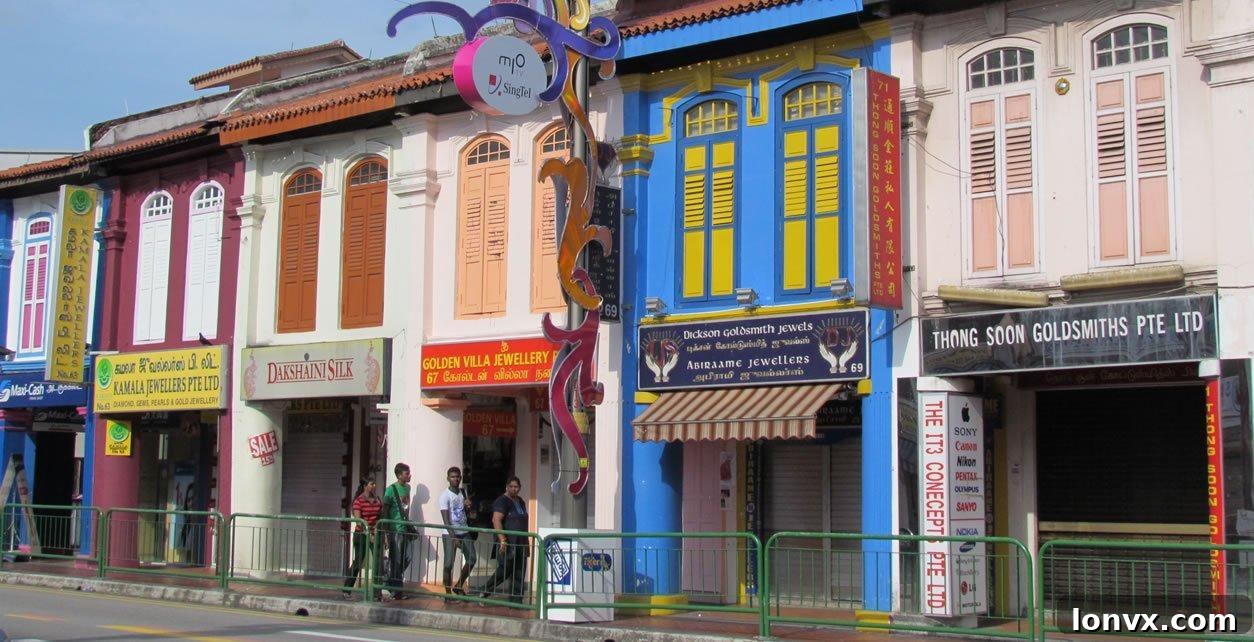
Singapore’s Iconic Shophouses: A Journey Through History and Heritage
The concept of purpose-built live/work units is far from a twenty-first-century innovation. Centuries ago, vibrant urban centers around the world adapted residential and commercial spaces to facilitate both enterprise and daily life. In the bustling port city of Singapore during the 1800s, this adaptable architectural philosophy manifested uniquely in what became known as the shophouse. These distinctive two or three-storey structures were typically owned by a single family, who ingeniously operated their business on the ground floor, dedicating the upper levels to their private living quarters. This functional design was a cornerstone of early Singaporean urban development, fostering a dynamic blend of commerce and community that profoundly shaped the city’s character.
Today, Singapore has evolved into a gleaming, modern city-state, globally renowned for its futuristic skyline and cutting-edge infrastructure. Yet, amidst this impressive modernity, the rich tapestry of its traditional architecture proudly endures. Shophouses, many of which have been meticulously restored and vibrantly repainted, continue to dot the landscape, acting as captivating windows into the past. These architectural gems are particularly prominent in Singapore’s diverse ethnic enclaves, such as the colorful streets of Little India, the culturally rich lanes of Chinatown, and the historically significant Kampong Glam, also known as the Arab Quarter. Their presence is a testament to Singapore’s commitment to preserving its heritage while forging ahead into the future.
The resilience and adaptability of these heritage buildings are truly remarkable. Many shophouses have undergone extensive renovation, transforming them from their original purposes into contemporary commercial and hospitality ventures. A prime example is the stunning metamorphosis of nine formerly rundown shophouses in Kampong Glam. These historical structures have been painstakingly revived and seamlessly integrated to form The Sultan, an award-winning boutique hotel boasting 64 uniquely designed rooms. This transformation not only saved these buildings from decay but also injected new life into the district, blending historical charm with modern luxury. Similarly, along the picturesque Singapore River, the iconic Boat Quay features a vibrant row of beautifully restored shophouses, which now house an array of upscale restaurants, chic bars, and exclusive shops, offering a lively riverside experience that attracts both locals and tourists.
For those eager to embark on a compelling journey back in time and immerse themselves in Singapore’s vibrant past, a visit to the Chinatown Heritage Centre is an absolute must. This exceptional museum, itself ingeniously housed within three magnificently restored shophouses, offers an unparalleled glimpse into the lives of early Chinese immigrants. The centre has meticulously recreated the original interiors of its shophouse tenants from the 1950s, presenting an authentic and vivid portrayal of a bygone era. These historically accurate settings are richly furnished with an extensive collection of household and personal items, many of which were generously donated by the former residents themselves, lending an incredible layer of authenticity and personal connection to the exhibits. Walking through these reconstructed spaces, visitors can almost hear the echoes of past conversations and feel the pulse of daily life as it once was.
Shophouses remain an integral and cherished part of Singapore’s rich architectural landscape, blending history with modern vibrancy.
Architectural Marvels: Unpacking the Unique Shophouse Design
Traditional Chinatown shophouses, predominantly constructed between 1840 and 1960, embody a distinct architectural style that evolved to suit Singapore’s tropical climate and the functional needs of their occupants. These buildings are characteristically narrow, typically ranging from 13 to 20 feet in width, yet they extend surprisingly deep, often between 39 to 59 feet. This elongated design was a practical response to property taxation laws of the time, which often assessed properties based on their street frontage. A hallmark of their design is the gabled roof, which efficiently sheds tropical rain, and the distinctive shuttered windows, designed to offer privacy, ventilation, and protection from the elements. Some shophouses boast elaborate exterior ornamentation, featuring intricate plasterwork, decorative tiles, and carved timber panels that reflect the cultural influences and artistic tastes of their original owners.
A universally recognized and beloved feature of these historical structures is what became affectionately known as the ‘five-foot way’. This covered walkway, extending five feet from the building facade, offered crucial protection from Singapore’s intense tropical sun and torrential downpours. More than just a functional architectural element, the five-foot way evolved into a vibrant public space, the very heart of community life. It was a sheltered corridor where children played games, adults socialized and exchanged news, and enterprising hawkers and traders enthusiastically plied their wares, transforming the area into a bustling marketplace and communal gathering spot. This continuous pedestrian thoroughfare not only facilitated movement but also fostered a strong sense of community and interaction, making it an indispensable part of Singapore’s urban fabric and social heritage.
Beyond the five-foot way, another ingenious architectural feature vital to the shophouse’s functionality was the ‘airwell’ or internal courtyard. Positioned centrally within the shophouse, this open-to-sky space served multiple critical purposes. It allowed precious natural sunlight to penetrate the deep, often dark interiors of the building, illuminating both the ground-floor business and the upper-level living quarters. Crucially, it also facilitated natural ventilation, drawing hot air upwards and out, creating a cooling draft within the structure – a design essential for comfort in Singapore’s humid climate. Furthermore, as all three levels of a shophouse were often connected via this airwell, it frequently became an informal communal area, a central hub where occupants could socialize, share meals, or simply enjoy the open air, strengthening the bonds within the multi-generational households.
Stories from the Heart of Chinatown: The Immigrant Experience
The Chinatown Heritage Centre does more than just display artifacts; it powerfully narrates the profound stories of Chinese immigrants who began arriving in Singapore in significant numbers during the late 1800s. These brave individuals left their homelands, driven by the arduous search for better job opportunities and the promise of a more prosperous future in a new land. The museum vividly illustrates the personal struggles, resilience, and aspirations of former tenants who once resided at 50 Pagoda Street, the very site of the centre. Through incredibly detailed recreations and poignant narratives, visitors gain deep insight into the lives of diverse individuals who shaped early Singapore.
Among the many compelling stories are those of the hardworking tailors and their apprentices, whose small businesses were vital to the community, often serving as their primary income and a communal gathering point. The centre also shines a light on the remarkable Samsui women, identifiable by their distinctive red headscarves. These resilient laborers played an indispensable role in Singapore’s construction boom, performing demanding physical work on building sites with unwavering dedication. Equally compelling are the accounts of the ‘coolies,’ primarily male migrant workers who undertook arduous manual labor, often in extremely challenging conditions, to build the infrastructure of modern Singapore. Their collective experiences — tales of hope, hardship, community, and perseverance — are brought to life with vivid detail, offering a deeply personal connection to Singapore’s immigrant past.
A meticulously recreated interior of a Majies Cubicle (celibate maids’ living space) from the museum in the Chinatown Heritage Centre in Singapore, offering a rare glimpse into a unique historical lifestyle.
Life Within the Walls: Overcrowding, Community, and Change
In the bustling shophouses of the 1950s, the lines between work and life were often blurred. The ground-floor shop, a hive of activity by day, frequently doubled as sleeping quarters for workers at night, underscoring the scarcity of space and the demanding nature of immigrant life. On the upper floors, where families and individuals resided, conditions were notoriously cramped, dark, and often very noisy. The Chinatown Heritage Centre authentically recreates these challenging living environments, allowing visitors to truly grasp the realities faced by residents. Living quarters were often subdivided into numerous small cubicles, each measuring a mere eight by eight feet, or even smaller. These tiny spaces were rented to individual tenants or small families who shared communal kitchens and bathrooms, leading to a constant interplay of personalities and daily routines. With such limited personal space and constant proximity, it is hardly surprising that arguments and disagreements frequently erupted, becoming a common feature of shophouse life.
The extreme density of these living arrangements is startling by today’s standards. Each cubicle, despite its diminutive size, could house up to six people, leading to an astonishing density of around 40 individuals living on a single floor. Cubicles situated away from the windows, lacking natural light and ventilation, were known as “dark rooms” and were the cheapest to rent, reflecting the desperate circumstances of those who occupied them. In some instances, even these cramped cubicles were not solely for sleeping; they were also utilized for conducting small businesses or trades, further blurring the lines between private and commercial space and highlighting the sheer ingenuity required to survive. The resourcefulness and resilience of shophouse residents in adapting to these challenging conditions are a testament to their enduring spirit.
A particularly poignant and common sight in old Singapore was the presence of the ‘majies’ or celibate maids. These were women who had taken a solemn vow of celibacy, dedicating their lives to domestic service, often committing to a single family for extended periods. Their unique lifestyle and devotion to their “masters” form an important part of Singapore’s social history. The Chinatown Heritage Centre thoughtfully includes a recreated majies cubicle, offering visitors an intimate and authentic glimpse into how these remarkable women would have lived, their sparse but functional living spaces reflecting their commitment and quiet dignity. This exhibit provides a powerful human connection to a specific, often overlooked, segment of Singapore’s past, illustrating the diverse social structures that existed within the shophouse community.
From Demolition to Conservation: The Shophouse Revival
While the 1950s shophouse era was undeniably a maze of activities, bursting with noise, colour, and life, it was also plagued by significant urban problems. Overcrowding reached critical levels, exacerbated by widespread poverty and severely inadequate hygiene and sanitation facilities. These challenging conditions eventually necessitated radical urban planning interventions. For two decades, beginning in the 1960s and extending into the 1980s, entire blocks of shophouses were systematically demolished. In their place, modern, multi-storey complexes and tall buildings rose, designed to accommodate Singapore’s rapidly growing population and meet contemporary urban standards. This period marked a significant shift in Singapore’s architectural landscape, as the city embraced modernity and prioritized efficient, high-density living.
By the mid-1980s, the vast majority of the original residents, hawkers, and small businesses that had once thrived in these traditional shophouses had been relocated to improved premises, often in newly built public housing estates and modern commercial centres. This comprehensive urban renewal program dramatically altered the social fabric of these historic districts. However, a growing appreciation for Singapore’s cultural heritage led to a pivotal change in policy. In 1989, a landmark decision saw Chinatown officially gazetted as a conservation area. This crucial designation protected the remaining shophouses from further demolition and initiated a period of revitalization and restoration. Today, Chinatown, along with other conservation districts, is enjoying a vibrant revival, blending its rich historical character with a renewed sense of purpose and prosperity.
A Modern Renaissance: Shophouses Today and Tomorrow
The conservation efforts have breathed new life into these architectural treasures, ensuring that the legacy of Singapore shophouses continues to thrive. Far from being mere relics of the past, shophouses now represent a unique blend of heritage and contemporary utility. Beyond the examples of The Sultan hotel and the upscale dining along Boat Quay, revitalized shophouses across the city host an eclectic mix of businesses. From innovative co-working spaces and trendy art galleries to charming cafes and bespoke retail outlets, their versatile structure allows for endless possibilities, making them highly sought-after properties. Their distinctive charm attracts businesses looking to offer a unique customer experience, distinguishing them from generic modern storefronts.
These architectural gems have become powerful symbols of Singapore’s journey, reflecting its evolution from a bustling trading port to a global metropolis that values its roots. They stand as a testament to the ingenuity of early settlers and the foresight of modern conservationists. Walking through areas like Little India or Kampong Glam, the vibrant colours and intricate designs of the shophouses tell stories of diverse cultures converging, each contributing to Singapore’s unique identity. They serve as living museums, demonstrating how historical buildings can be seamlessly integrated into a dynamic, future-forward urban environment, providing character, charm, and a sense of continuity in a rapidly changing world.
An Enduring Legacy: Shophouses as Cultural Icons
Singapore has undergone an extraordinary transformation over the years, evolving into a sophisticated global hub. Yet, amidst this radical modernization, the spirit of its past remains palpable. Fortunately, places like the Chinatown Heritage Centre and other meticulously preserved shophouse districts across the island continue to offer fascinating and invaluable glimpses into Singapore’s foundational history and rich cultural tapestry. These enduring structures do more than just stand; they narrate stories of resilience, enterprise, and community, connecting present-day Singaporeans and visitors alike to the generations who built this remarkable nation.
The shophouse, once a simple live/work unit, has transcended its original function to become a powerful cultural icon, embodying the very essence of Singapore’s heritage. It represents the intricate balance between tradition and progress, a bridge between the humble beginnings of a fledgling port and the aspirations of a dynamic modern nation. As visitors explore the vibrant facades and delve into the recreated interiors, they are not merely observing architecture; they are experiencing the beating heart of Singapore’s history, appreciating a legacy that continues to inform and enrich its identity. The timeless charm and profound historical significance of Singapore’s shophouses ensure their place as cherished treasures for generations to come.