
Mastering the Art of Persuasion: Convincing Your Real Estate Clients to Embrace Home Staging
Welcome to Ask A Stager, your dedicated resource offering insightful staging advice crafted exclusively for real estate professionals. In today’s dynamic property market, enhancing a listing’s visual appeal and strategically captivating your target audience are paramount. This column provides an unparalleled opportunity to submit any and all staging-related questions and receive expert, complimentary guidance to elevate your properties.
No query is too intricate or too minor – if it pertains to optimizing the presentation and marketability of your real estate listings, we are eager to hear it and committed to assisting you. Submit your questions via email to [email protected].
As a seasoned real estate agent, you inherently understand the critical importance of presenting a property in its absolute best light before it officially hits the market. However, translating this understanding into action by convincing clients that professional home staging is not just an optional extra, but a necessary and highly rewarding investment, can often prove challenging. Sellers, especially first-timers, might view staging costs as an unnecessary expense that cuts into their potential profits, unaware of its true value proposition.
To empower you in these crucial client conversations, this comprehensive guide outlines ten highly effective strategies to articulate the profound benefits of home staging. By mastering these communication techniques, you can persuasively guide your clients toward embracing this vital step, ultimately helping them achieve their sales goals faster and more profitably.
1. Clearly Explain the Concept of Home Staging
Begin by demystifying home staging. Many homeowners mistakenly equate it with simple cleaning, decluttering, or basic furniture rearrangement. It’s crucial to clarify that professional home staging transcends these basic tasks; it is a sophisticated and strategic marketing discipline designed to optimize a property’s appeal.
Explain that staging involves meticulously enhancing a home’s aesthetic and functional aspects. This includes thoughtful furniture placement, curated decor, strategic lighting, and careful accessory selection, all orchestrated to highlight the property’s strongest features, subtly minimize any weaknesses, and create a broad, aspirational appeal that resonates with the largest possible pool of prospective buyers. The goal is to transform a personal residence into a marketable product, allowing potential buyers to envision themselves living in the space without personal distractions. This process of depersonalization is key to inviting buyers to imagine their own lives unfolding within the home.
To make this abstract concept more relatable, employ vivid analogies. Compare home staging to preparing for a high-stakes job interview: just as a candidate meticulously dresses, refines their resume, and practices to make an unforgettable first impression, a home must be immaculately presented to captivate and impress potential buyers. Another effective analogy is product packaging – consumers are often willing to pay more for a product that is beautifully packaged, even if the core item is identical. Staging is essentially the “packaging” of a home, significantly increasing its perceived value and competitive standing.

2. Leverage Powerful Statistics and Market Data
Few things are as compelling as concrete, unbiased data. Arm yourself with relevant industry statistics that unequivocally demonstrate the tangible impact and proven effectiveness of home staging. Numbers provide a universal language of proof that can quickly dismantle client skepticism and underscore the logical advantages of staging.
Share compelling data points such as those from the National Association of Realtors (NAR) 2023 Profile of Home Staging, which revealed that a significant 58 percent of buyers’ agents reported home staging positively influenced most buyers’ perception of a property. Even more strikingly, 81 percent of buyers’ agents affirmed that staging made it considerably easier for buyers to envision the property as their future home. This visualization is a critical psychological step towards making an offer, as it helps buyers forge an emotional connection with the space.
Further reinforce your argument with findings from organizations like the Real Estate Staging Association (RESA), whose reports frequently indicate that professionally staged homes spend, on average, 72 percent less time on the market compared to their unstaged counterparts. Beyond industry benchmarks, cultivate and share your own localized performance track record. Maintain data comparing your staged listings versus unstaged ones, highlighting faster sales times and higher sale prices. Your personal success stories offer powerful, localized proof. If you are new to tracking this, collaborate with a reputable local stager who can provide their own compelling statistical evidence to support your pitch, adding a layer of expert validation.
3. Present Compelling Before-and-After Visuals
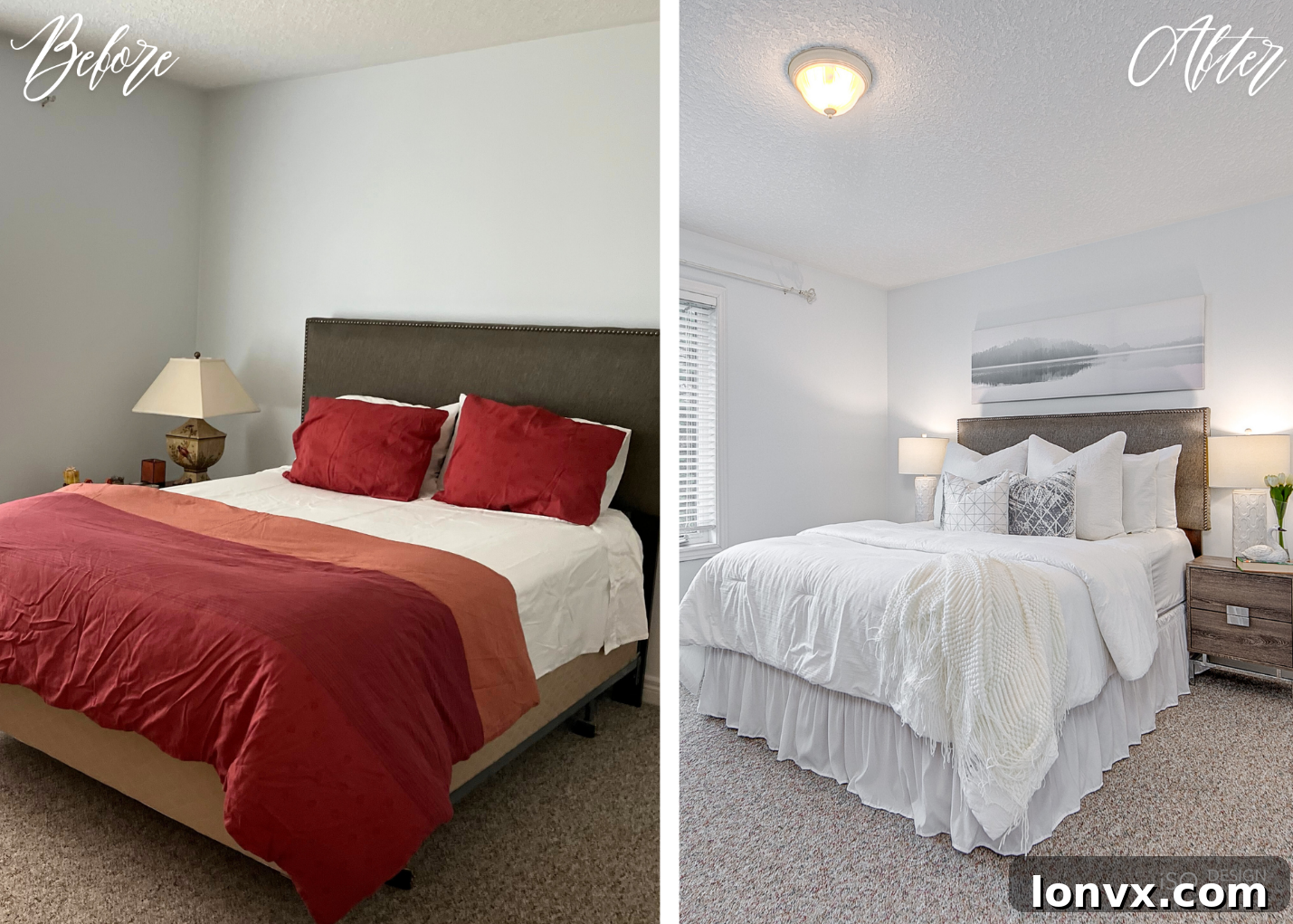
Visual evidence is undeniably one of the most powerful persuasion tools at your disposal. Compile a professional portfolio of striking before-and-after photographs from properties you or your trusted staging partners have transformed. These visuals should vividly illustrate the dramatic difference staging makes, showcasing how cluttered, personalized, or outdated spaces are expertly converted into clean, neutral, and inviting environments that possess broad appeal to a diverse range of potential buyers.
Go beyond mere photos by offering clients the opportunity to physically walk through both a staged and an unstaged property. Observe their immediate reactions and engage them in a candid discussion about their first impressions upon entering each home. The tangible experience of seeing and feeling the stark contrast can be incredibly impactful, solidifying their understanding of staging’s intrinsic value and its ability to emotionally connect with potential purchasers. Highlight how high-quality staged photos are also essential for online listings, grabbing attention, encouraging clicks, and generating crucial initial interest that drives actual showings and competitive offers.
4. Frame Staging as a Strategic Investment, Not an Expense
It’s vital to reframe the client’s perception of staging costs. Home staging should always be presented as a strategic investment, rather than a mere expense. While there is an upfront financial outlay, diligently explain that the potential return on this investment is often substantial and significantly outweighs the initial cost. This perspective shift is crucial for clients focused on their bottom line.
Emphasize that staged homes consistently sell not only faster, drastically reducing the seller’s carrying costs (mortgage, utilities, insurance, taxes, and maintenance over a prolonged period), but also frequently command higher sale prices. The NAR report corroborates this, indicating that 20 percent of sellers’ agents observed an increase of 1-5 percent in the dollar value offered by buyers for staged homes compared to similar unstaged properties. Help clients understand that the average cost of staging—typically around $4,000 for a moderately sized home—is a fraction of the financial impact of a significant price reduction, which could easily be $50,000 or more if a property lingers on the market and buyer interest begins to wane after just a couple of weeks. Present a clear cost-benefit analysis: a smaller, strategic investment upfront can prevent much larger losses later, both in terms of reduced sale price and prolonged market time.

5. Harness the Power of Buyer Psychology
Delve into the fascinating realm of buyer psychology and its profound influence on the homebuying journey. Research consistently shows that buyers often form their crucial purchasing decisions within the first few minutes of seeing a home, whether online through photographs and virtual tours, or in person. In today’s fast-paced world, buyers overwhelmingly desire move-in-ready properties with minimal perceived deficiencies, seeking convenience, immediate comfort, and a seamless transition.
A professionally staged home excels at creating an overwhelmingly positive initial impression. This carefully curated environment helps buyers bypass logical nitpicking and instead foster a deeper, emotional connection to the property. When a home feels welcoming, well-maintained, and aesthetically pleasing, buyers are more likely to envision their future life unfolding within its walls. This emotional resonance is often the critical deciding factor, prompting them to make a competitive offer rather than moving on to the next listing. Staging allows buyers to project their dreams onto the space, rather than being distracted by personal clutter, dated decor, or poorly utilized rooms, thus minimizing perceived risks and maximizing emotional appeal.
6. Share Credible Testimonials and Success Stories
The power of social proof cannot be overstated in sales and marketing. Share authentic testimonials from your past clients who have directly benefited from home staging. These personal anecdotes, detailing how staging expedited their sale or resulted in a higher selling price, can be incredibly persuasive and relatable to prospective sellers. Hearing from peers who have successfully navigated the process and reaped the rewards can be far more impactful than mere statistics.
Wherever possible, include a diverse range of testimonials – written statements, short video clips, or even direct contact information (with client permission) – to enhance credibility and provide a tangible connection. Frame these stories to address common client objections, such as initial doubts about cost or necessity, showing how staging ultimately delivered exceptional results for real people. Hearing firsthand accounts of positive outcomes from someone who was once in their shoes can significantly alleviate a hesitant client’s anxieties and instill greater confidence in your professional recommendation, transforming skepticism into conviction.

7. Recommend a Professional Staging Consultation
Sometimes, clients require the objective perspective and authoritative voice of an external expert to truly grasp the value. If your clients remain unconvinced, or simply need more reassurance, arrange for a consultation with a reputable professional home stager. This initial meeting is invaluable, as it provides an unbiased assessment and tailored advice.
During the consultation, the stager can walk your clients through their specialized process, offering bespoke insights and tailored recommendations specific to their property’s unique characteristics and market position. They can address any lingering questions, alleviate concerns about privacy or disruption, and provide a clear, detailed estimate of costs and expected outcomes. This unbiased professional opinion frequently tips the scales in your favor, legitimizing your recommendation and building confidence. Even if clients ultimately decide against full staging services, they will leave the consultation armed with valuable, actionable advice to make their home significantly more show-ready, enhancing its market appeal and increasing its chances of a quicker, more profitable sale.
8. Highlight the Competitive Edge in the Market
In the fiercely competitive real estate landscape, every distinct advantage counts. Emphasize to your clients that as the market potentially shifts towards a buyer’s advantage – where the inventory of available listings surpasses buyer demand – the importance of strategic positioning becomes even more critical. Home staging provides that essential competitive edge, ensuring their property doesn’t just compete, but truly stands out.
Illustrate this point by showing them examples of other competing homes currently on the market, noting how many are professionally staged and how they are presented online. Buyers inherently compare properties, and an unstaged home, regardless of its underlying value, often falls short when placed side-by-side with a meticulously presented, staged counterpart. In such comparisons, unstaged homes can appear less appealing, dated, or less well-maintained. Staging is not about masking flaws; it’s about optimizing the home’s potential to ensure it not only competes but outshines other listings, capturing buyer attention and interest more effectively and leading to quicker offers.
9. Proactively Address Cost Concerns and Offer Solutions
Cost is often the primary hurdle for sellers considering home staging. Address this concern head-on by presenting a range of flexible, budget-friendly staging options tailored to their financial situation. Explain that even seemingly minor adjustments, when done strategically, can yield substantial returns. Simple yet impactful measures include thorough decluttering, deep cleaning, minor repairs, a fresh coat of neutral paint, strategic rearrangement of existing furniture, and incorporating a few carefully selected new decor items to refresh and modernize the space.
For clients with more significant financial apprehensions, offer creative solutions to fund the staging investment. These might include:
- Securing a Line of Credit: A short-term line of credit can provide the necessary funds for staging, which are then repaid promptly upon the successful sale and closing of the home. This offers liquidity without requiring immediate cash outlay.
- Exploring Reverse Mortgage Options (if applicable): For eligible seniors, a reverse mortgage might free up equity for home improvements and staging without immediate repayment obligations, allowing them to invest in their home’s saleability.
- Discussing Consolidation Options with a Mortgage Broker: A trusted mortgage broker can review their current financial situation and suggest ways to consolidate debts or access funds for staging, potentially at favorable rates, integrating the cost into their overall financial planning.
- Agent Subsidy with Repayment at Closing: As their dedicated agent, consider offering to subsidize a portion or all of the staging cost upfront, with the agreement that you are reimbursed at the closing of the sale. This demonstrates your unwavering confidence in staging’s ROI and your deep commitment to your client’s success, often proving to be a highly persuasive gesture that builds immense trust.
Emphasize that the investment, regardless of its size, is designed to generate a positive return, making it a wise financial decision that protects their equity and expedites their sale.
10. Clearly Outline the Staging Process
To further alleviate client concerns and make the process seem less daunting, have your chosen stager or yourself walk the clients through the entire home staging process, step-by-step. Providing a clear roadmap of what to expect can significantly reduce anxiety and foster a sense of control, turning an unfamiliar process into a manageable project.
Explain that professional stagers manage all logistics, from initial consultation and detailed proposal to inventory selection (furniture, art, accessories), the careful moving and arrangement of all items, and the precise placement of accessories and final aesthetic touches. Detail the expected timeline for each stage, ensuring clients understand the duration of the project. Emphasize that any temporary inconvenience caused by the staging process, such as limited access to certain rooms or the presence of the staging team, is minimal and short-lived. Crucially, highlight that these brief disruptions are far outweighed by the long-lasting benefits – a faster sale, a higher price, and a smoother, less stressful transaction. This transparency builds trust and helps clients appreciate the professionalism and comprehensive nature of the service they are investing in.
Convincing your real estate clients that home staging is an indispensable component of a successful sales strategy involves a powerful combination of education, empirical evidence, and empathetic communication. By presenting clear, compelling statistics, showcasing transformative visual proof, proactively addressing financial concerns with viable solutions, and demonstrating your unwavering commitment to their success, you can effectively communicate the profound value of staging.
Always reiterate to your clients that your dedication to achieving the best possible outcome for their property is paramount. Explain that home staging is not just an add-on; it is an integral and strategic part of your comprehensive marketing plan, meticulously designed to ensure their home not only stands out but shines brightly in a competitive market. When clients witness your proactive approach and deep commitment to their success, their trust in your recommendations will naturally deepen, leading to stronger partnerships and more successful sales.
Ultimately, home staging is far more than just making a property look appealing; it is a sophisticated and strategic marketing tool. It’s about unlocking and maximizing a property’s inherent potential and broad market appeal, culminating in a significantly faster, more profitable, and less stressful sale for your valued clients. Embrace it, advocate for it, and watch your listings transform into triumphs.
Do you have burning home staging questions you’d like to see featured in a future column? Submit them to [email protected].
Enjoying this article?
Get the latest REM articles in your inbox 3x week so you stay up to date on the latest in the Canadian real estate industry