Welcome to Ask A Stager, your exclusive staging advice column designed for real estate professionals. In today’s dynamic market, captivating your target audience and enhancing the visual appeal of your listings is more crucial than ever. Ask A Stager offers a unique opportunity to submit your staging-related questions and receive complimentary expert advice, guiding you towards quicker sales and higher returns.
No question is too trivial or too complex – if it pertains to elevating the presentation of your real estate, we are eager to hear it and committed to providing impactful solutions. Direct your inquiries to [email protected] and let us help you transform your properties.
Mastering Home Staging: Tailored Techniques for Every Property Type
In the fiercely competitive real estate market, effective home staging is not merely an option but an indispensable strategy. It serves as a powerful tool, enabling potential buyers to vividly envision their lives unfolding within a space, often culminating in expedited sales and more lucrative offers. However, the art of staging is far from a monolithic approach; it demands customization. Each property possesses its own distinct character and architectural nuances, necessitating bespoke staging strategies, furniture selections, and accent pieces.
The cardinal rule of successful staging is to always complement, never clash, with the home’s inherent style. Rather than imposing a generic design, the objective is to embrace and amplify the property’s unique features, making it irresistibly appealing to buyers specifically seeking that particular type of residence. This nuanced approach ensures that your staging efforts resonate authentically with the property’s aesthetic and the aspirations of its ideal purchaser.
This comprehensive guide delves into simple yet highly effective staging techniques, meticulously tailored to various property types. We will explore what to highlight, what to introduce, and critically, what to avoid, ensuring your staging endeavors are not only cohesive and harmonious but also unequivocally successful in distinguishing your listings.
Modern New Builds: Sleek Simplicity and Open Spaces
Characteristics:
Contemporary modern new builds are defined by their inherent sleekness, often showcasing expansive open-concept floor plans, generously sized windows, and a quintessential minimalistic aesthetic. These homes champion clean lines, smart design, and an emphasis on functionality blended with understated elegance. Buyers of modern new builds typically seek light-filled spaces, a sense of openness, and a sophisticated, uncluttered environment that offers a canvas for their own contemporary lifestyles. The materials often reflect this, with polished surfaces, neutral color palettes, and integrated technologies.
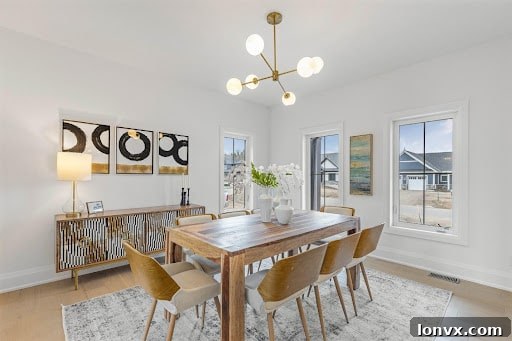
Staging Tips:
- Maximize Natural Light: Capitalize on the home’s large windows by dressing them with light, airy curtains made from sheer fabrics, or sleek roller blinds and shades that allow an abundance of natural light to permeate the space. Strategically placed mirrors can further amplify this effect, reflecting light deep into rooms and visually expanding their dimensions, creating a brighter, more inviting atmosphere.
- Embrace Minimalism and Declutter: Maintain pristine, clear surfaces throughout the home. A strict adherence to minimalism is key to highlighting the architectural purity and open spaces characteristic of modern homes. Remove any excess personal items, knick-knacks, or non-essential decor that could detract from the home’s inherent clean lines and expansive feel.
- Implement a Neutral Color Palette: Establish a sophisticated and timeless backdrop using neutral colors for walls and primary furniture pieces. Think shades of white, grey, beige, and soft browns. Introduce vibrant “pops” of color judiciously through curated accessories such as throw cushions, blankets, contemporary artwork, or fresh greenery, providing visual interest without overwhelming the minimalist aesthetic.
- Select Contemporary Furniture: Opt for furniture that boasts modern, sleek designs and proportions that perfectly complement the architectural style of the space. Choose pieces with clean lines, metallic accents, and perhaps a subtle curve. Rigorously avoid overly bulky, dark, or ornate furniture, which can instantly contradict the light and open feel of a modern build and make spaces feel smaller and dated.
- Define Functional Spaces: Clearly delineate the purpose of each area within the open-concept layout. Use strategic furniture placement, area rugs, or even subtle changes in lighting to define zones for living, dining, and working. This helps potential buyers easily visualize how they can effectively utilize each part of the versatile space, making the home feel more practical and functional for their needs.
What to Avoid:
- Overcrowding the Space: Resist the temptation to fill rooms with too much furniture or an excessive amount of decor. This practice directly undermines the open, spacious feel that modern homes are celebrated for, leading to a cluttered and visually cramped environment that alienates buyers.
- Displaying Personal Items: Ensure all personal photographs, family mementos, and highly individualized decor are carefully stored away. Such items can inadvertently prevent potential buyers from projecting their own lives and styles into the space, hindering their ability to form a personal connection with the home.
Traditional Suburban Homes: Comfort, Family, and Charm
Characteristics:
Traditional suburban homes, particularly those constructed in the 1980s and 1990s, are emblematic of comfortable, family-friendly living. They typically feature well-defined layouts that often include a thoughtful blend of formal and informal spaces, offering versatility for various family activities. These homes are designed for practicality, warmth, and a sense of community, appealing to buyers looking for stability, established neighborhoods, and ample space for growth.
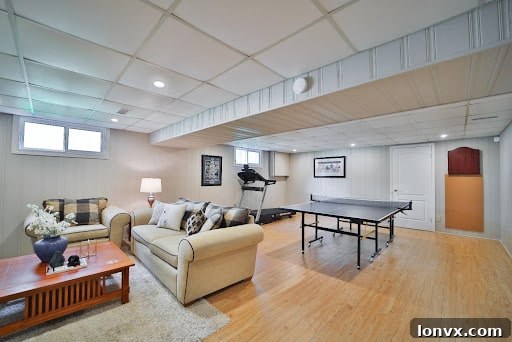
Staging Tips:
- Cultivate a Warm and Inviting Atmosphere: Infuse the home with inviting warmth by employing a palette of warm, inviting colors and incorporating cozy textiles. Think plush area rugs, soft throws draped over sofas, and an abundance of comfortable cushions. These elements contribute significantly to creating a welcoming ambiance that immediately makes buyers feel at ease and at home.
- Accentuate Formal Spaces: Skillfully stage formal living and dining rooms to highlight their elegance and potential for entertaining. Utilize classic, well-maintained furniture and refined decor that accentuates the home’s traditional charm, demonstrating its capacity for sophisticated gatherings and special occasions.
- Showcase Functional Family Areas: Thoughtfully arrange family rooms and kitchens to underscore their practicality, comfort, and role as the heart of the home. Consider integrating subtle, family-friendly touches such as a dedicated game area, a comfortable reading nook complete with a bookshelf, or a kitchen island styled for casual dining, illustrating the home’s suitability for everyday family life.
- Enhance Connectivity Between Spaces: To appeal to modern preferences while respecting traditional layouts, consider opening up sightlines. This could involve widening existing doorways or, where structurally feasible and aesthetically appropriate, removing non-load-bearing doors to foster a more fluid and open-concept feel between rooms, enhancing flow and light.
- Introduce Tasteful Personal Touches: Employ tasteful decor and accent pieces that evoke a lived-in, homey feel without being overly specific. While some personal touches are beneficial, exercise caution to avoid overdoing it with highly personal items or an excessive collection of memorabilia. The goal is for potential buyers to easily envision their own family creating memories within the space, not to feel like they are intruding on someone else’s.
What to Avoid:
- Outdated and Bulky Decor: Steer clear of large, outdated furniture pieces or decor that can instantly make the home feel less contemporary and appealing, especially to younger families or buyers with modern sensibilities. Update fixtures, paint colors, and textiles where possible to refresh the look.
- Excessive Over-Personalization: While a touch of personality is good, too many personal photographs, unique collections, or highly specific decor items can act as visual barriers. They make it challenging for buyers to see beyond the current owner’s possessions and envision themselves as the new occupants, thereby diminishing the home’s broad appeal.
Farmhouse Properties: Rustic Charm Meets Modern Comfort
Characteristics:
Modern farmhouse properties radiate an inviting rustic charm, characterized by expansive kitchens, the prominent use of natural wood elements, and an overall cozy, lived-in ambiance. These homes beautifully blend traditional country aesthetics with contemporary amenities, creating spaces that feel both authentically heritage and comfortably up-to-date. Buyers are typically drawn to their warmth, spaciousness, and connection to nature, often seeking a tranquil retreat from urban life with all the conveniences of modern living.
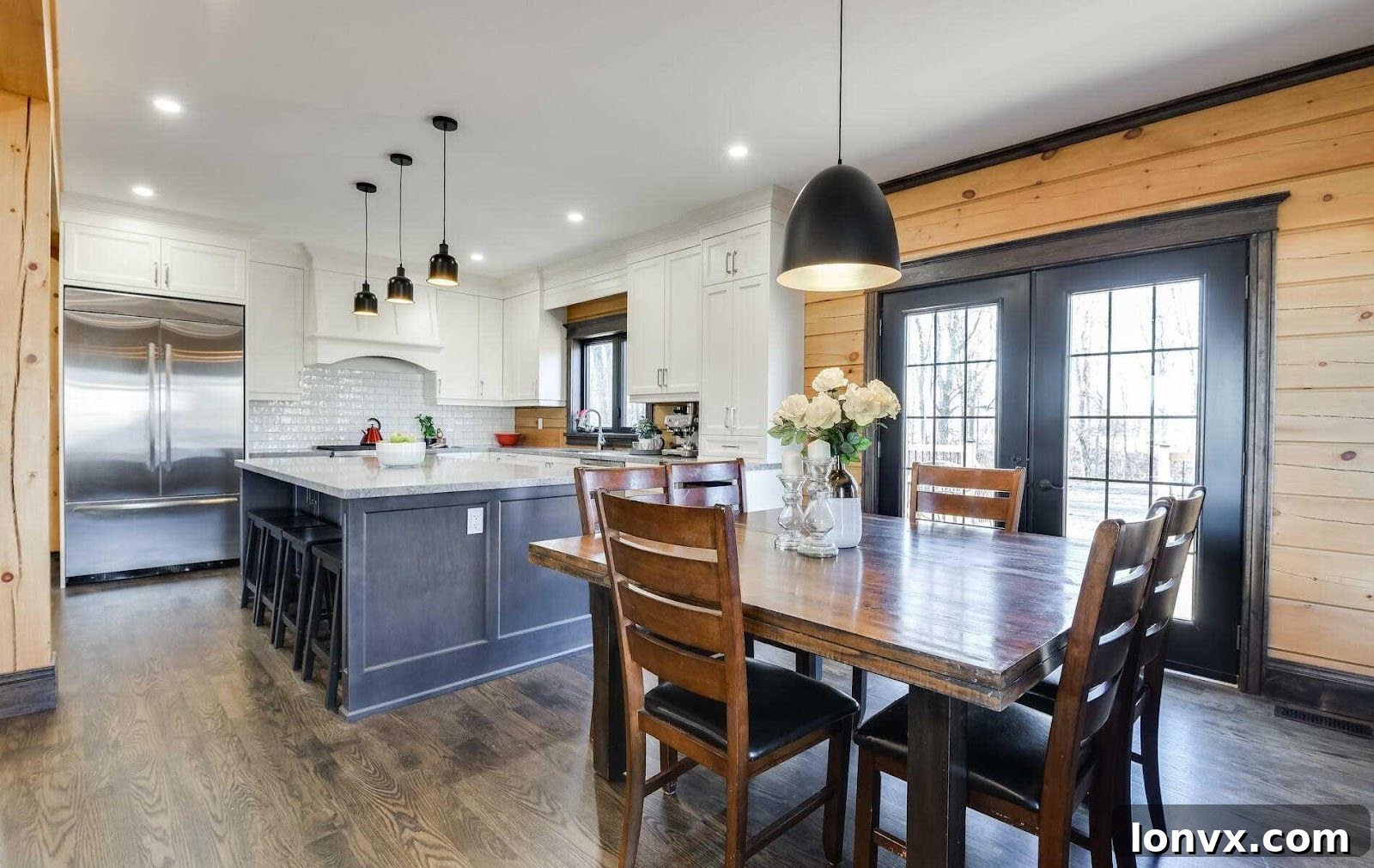
Staging Tips:
- Highlight Rustic Elements: Make the most of inherent architectural features such as exposed wooden beams, natural stone fireplaces, or authentic brick walls, positioning them as captivating focal points. Complement these features with carefully chosen wooden furniture, natural fiber rugs, and organic textiles like linen or cotton, reinforcing the rustic appeal.
- Integrate Farmhouse-Style Decor: Thoughtfully incorporate classic farmhouse decor elements that enhance the aesthetic without cluttering. Consider tasteful displays of mason jars, decorative wooden signs with charming sayings, galvanized metal accessories, or vintage-inspired kitchenware. These details should feel authentic and cohesive with the home’s overall style.
- Create a Cozy and Inviting Atmosphere: Foster an atmosphere of supreme comfort and invitation through the strategic use of plush textiles. Layering soft quilts on beds, introducing chunky woven rugs to define areas, and scattering soft cushions on seating can instantly transform spaces into warm, welcoming sanctuaries.
- Showcase Functional Spaces: Emphasize the practical elegance of large, functional kitchens, often featuring signature farmhouse sinks and generous counter space for meal preparation and gathering. In the dining area, pair a robust rustic table with more refined or contemporary dining chairs to create an appealing contrast that speaks to both tradition and current trends.
- Stage Outdoor Areas: Extend the home’s appeal beyond its interior by thoughtfully staging outdoor spaces. Arrange comfortable seating on a porch or patio, envision a cozy fire pit area, or install a charming porch swing. These additions beautifully highlight the property’s intrinsic connection to nature and offer inviting spots for relaxation and entertainment.
What to Avoid:
- Excessive Clutter with Decor: While farmhouse decor is charming, it can easily lead to a cluttered appearance if not managed wisely. Select a few impactful, well-chosen pieces that enhance the space without overwhelming it, ensuring that the rustic elements feel curated rather than chaotic.
- Neglecting Modern Touches and Amenities: While celebrating rustic elements is crucial, it’s equally important not to overlook the modern amenities that today’s buyers expect. Ensure kitchens and bathrooms are updated or show potential for easy upgrades. Consider subtle suggestions for improvements like adding a powder room if one doesn’t exist; even if not all clients undertake such renovations, knowing the potential return on investment can be a significant draw.
- Inadequate Lighting: Farmhouses, with their cozy and sometimes darker ambiance, can benefit greatly from enhanced lighting. Incorporate additional fixtures, especially those with dimmers, to allow for increased illumination during evenings while still preserving the warm, inviting, and intimate atmosphere characteristic of farmhouse rooms.
Victorian-Style Homes: Grandeur, Detail, and Eclectic Elegance
Characteristics:
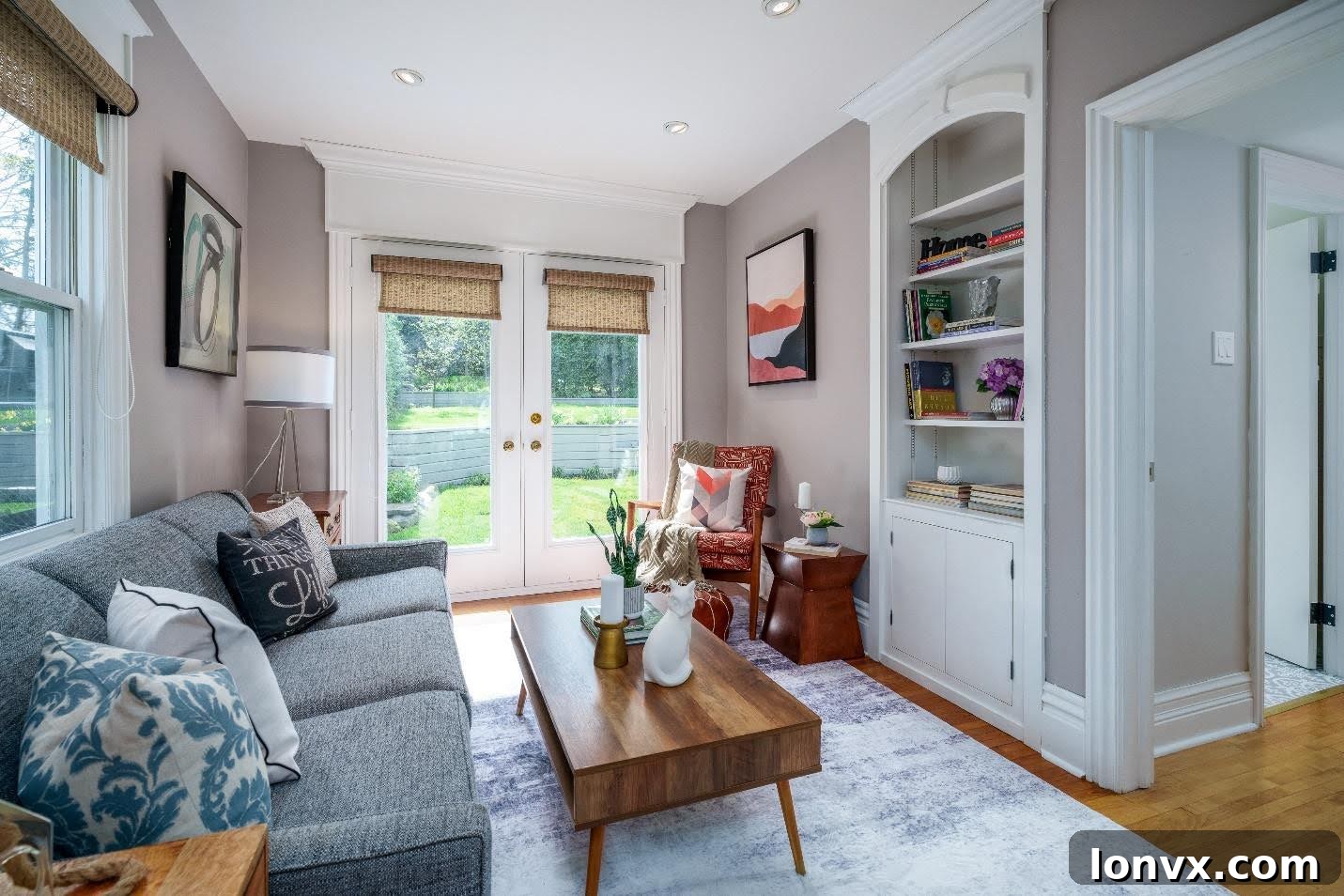
Victorian-style homes are celebrated for their opulent, ornate detailing, often featuring soaring high ceilings, grand large windows, and an enchanting, eclectic blend of architectural and design styles. These properties typically exude a sense of history, character, and sophisticated charm, appealing to buyers who appreciate intricate craftsmanship, spacious rooms, and a unique aesthetic that stands apart from modern uniformity. They tell a story, with every detail contributing to their distinct personality.
Staging Tips:
- Accentuate Architectural Details: Make a concerted effort to emphasize the home’s distinctive architectural features. This includes showcasing exquisite stained glass windows, intricate crown mouldings, decorative fireplaces, and carved woodwork. These details are the heart of a Victorian home’s appeal and should be highlighted as works of art.
- Employ Elegant Furnishings: Select furniture pieces that possess classic lines and are upholstered in rich fabrics such as velvet, damask, or brocade. These choices will beautifully complement the home’s ornate details and add to the overall sense of grandeur and historical authenticity, ensuring that the furnishings are in harmony with the building’s era.
- Integrate Bold, Rich Colors: Do not shy away from incorporating the bold, deep, and rich color palettes that were highly favored during the Victorian era. These can be introduced effectively through statement paint colors, period-appropriate wallpaper, or through sumptuous decor items like heavy drapes, vibrant rugs, or decorative accessories, adding depth and character.
- Embrace an Eclectic Mix of Styles: Lean into the inherently eclectic nature of Victorian homes by thoughtfully mixing different furniture styles and periods. The key is to adopt a “less-is-more” approach, ensuring that while there’s variety, the overall look remains cohesive, balanced, and sophisticated, avoiding a cluttered or disjointed appearance.
- Utilize Dramatic Lighting: Enhance the home’s dramatic feel with carefully chosen lighting fixtures. Chandeliers, sconces, and other ornate light fixtures can significantly contribute to the ambiance, casting a warm, inviting glow that accentuates the home’s grandeur and intricate details, especially in rooms with high ceilings.
What to Avoid:
- Overcrowding with Antiques: While antiques undeniably lend charm and authenticity to a Victorian home, an excessive quantity can make the space feel less like a home and more like a museum. Strive for a thoughtful balance, integrating modern pieces to create a comfortable, livable environment while ensuring each room retains a spacious and inviting feel.
- Neglecting Adequate Light: Victorian homes, with their often darker wood tones and rich color schemes, can sometimes feel inherently dark. It is crucial to ensure that all rooms are optimally lit, supplementing natural light with ample artificial lighting, including lamps and overhead fixtures, to prevent a gloomy or oppressive atmosphere. Brightness makes spaces feel more inviting and larger.
Effective home staging is undeniably a critical and transformative component of the home selling process. Its power lies in its ability to be precisely tailored to highlight the distinct and unique features of each property type, ensuring that every home presents its best self to the market.
By diligently applying these simple yet impactful staging techniques, and consciously avoiding common pitfalls, you possess the capability to craft profoundly inviting and captivating spaces. These meticulously staged environments are designed to resonate deeply with potential buyers, making your property not just another listing, but a standout attraction in an increasingly competitive market. Whether you are presenting the sleek, minimalist elegance of a modern new build, the comforting warmth of a traditional suburban residence, the rustic charm of a farmhouse, or the stately grandeur of a Victorian masterpiece, the right staging strategy holds the ultimate key to making all the difference in achieving a successful and swift sale. Invest in staging, and watch your properties thrive.
Have further home staging questions you’d like featured in a future column? Submit them to [email protected]
Enjoying this article?
Get the latest REM articles in your inbox 3x week so you stay up to date on the latest in the Canadian real estate industry.