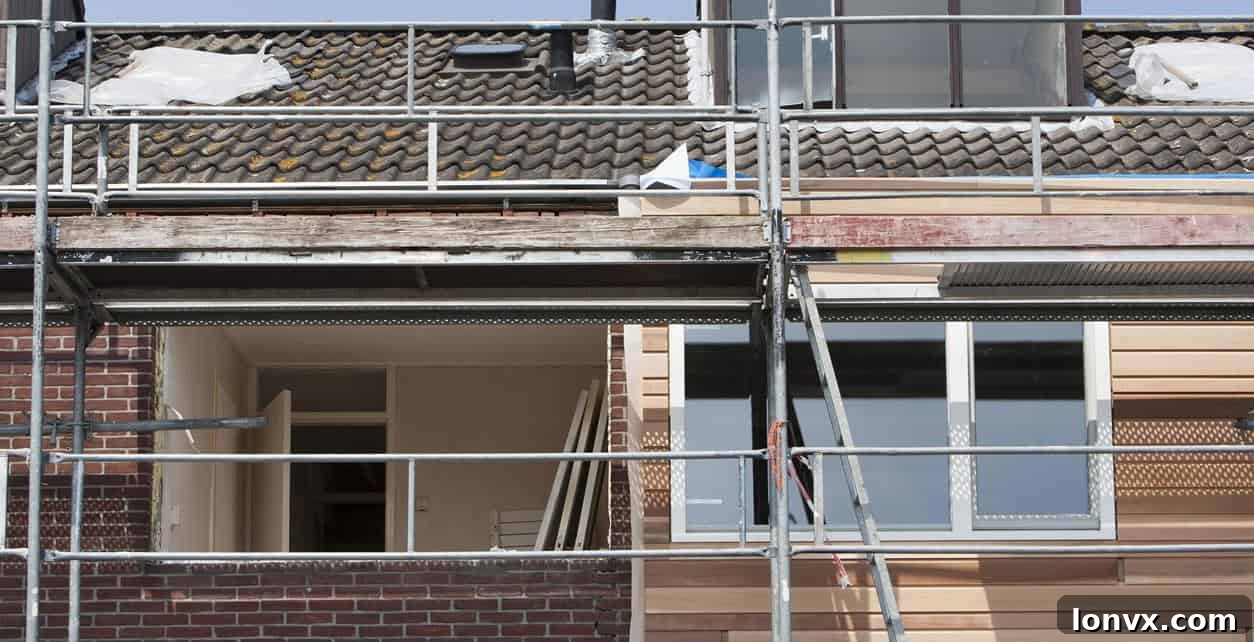
Navigating the Build-or-Preserve Dilemma: Understanding Character Homes and Responsible Development
In the vibrant, ever-evolving landscape of urban real estate, a common tension frequently arises between the forces of progress and the imperative of preservation. As desirable neighborhoods experience growth and increased demand, it has become an increasingly prevalent trend for property developers and eager homebuyers to acquire existing properties, often with the intention of demolishing the original structure to erect a brand-new “dream home.” While this trend undoubtedly offers exciting opportunities for modern living, architectural innovation, and investment returns, it also sparks considerable concern, and at times, significant anguish, among local community groups, heritage enthusiasts, and historic preservation societies who champion the unique character, rich history, and aesthetic appeal embedded within older homes.
For real estate professionals, understanding this complex and often emotionally charged dynamic is not merely beneficial—it is crucial. How do you effectively advise a client who wishes to purchase a property with the explicit aim of rebuilding, ensuring a transition that is as smooth and harmonious as possible for all stakeholders involved? Conversely, what definitive tell-tale signs indicate that a house you are offering for sale possesses intrinsic value, perhaps even rivaling the appeal of a new build, if it were thoughtfully preserved and restored? And what precisely elevates a charming character home from a simple dwelling to an irreplaceable historic treasure, worthy of protective measures?
The Rising Tide of Demolition: A Call for Heightened Awareness
The trend of tearing down older homes is not an isolated phenomenon confined to a single city; rather, it is a prevalent and rapidly accelerating issue in many growing urban centers across North America and around the globe. Caroline Adderson, a long-time resident of Vancouver and the passionate force behind the widely followed “Vancouver Vanishes” Facebook page, has dedicated herself to meticulously documenting this profound urban transformation. Her digital platform serves as a poignant and often heartbreaking chronicle of the diminishing architectural heritage within the city’s older neighborhoods, offering a stark visual record of what is being lost at an alarming pace.
“Last year alone, Vancouver approved the demolition of 974 single-family homes and duplexes,” Adderson reveals, underscoring the scale of the issue. “Alarmingly, approximately 40 percent of these demolitions involved pre-1940s character homes. This staggering statistic translates to the loss of an original house almost every second day – many of which were meticulously built by hand from old-growth wood, a truly precious and non-renewable natural resource. Compounding this issue, many of these homes had often undergone significant upgrades and renovations; yet, perfectly working appliances, along with countless reusable household goods and furniture, are needlessly crushed and sent to already overflowing landfills.”
The Profound Environmental and Cultural Footprint of Demolition
The environmental impact of widespread property demolition is substantial and multifaceted. It generates immense quantities of construction waste, which places significant strain on landfill capacity. It necessitates the depletion of virgin resources for new builds, contributing to habitat destruction and increased carbon emissions associated with material extraction and processing. Furthermore, both the demolition process itself and the subsequent manufacturing of new building materials release significant greenhouse gases. Culturally, the loss of these homes fundamentally alters the unique fabric and identity of a neighborhood. Adderson astutely notes that when several older houses on the same street are demolished, it initiates a profound and often irreversible shift, causing the street to lose much of the distinctive “character” and aesthetic appeal of the period in which it was originally conceived. This erosion of architectural identity is often deeply felt by long-term residents and can significantly detract from the unique charm that initially attracted people to the area, leading to a sense of disconnect and loss within the community.
Defining “Character” and “Historic”: Beyond Age Alone Lies Deeper Value
The terms “character home” and “historic treasure” are frequently used interchangeably in real estate discussions, yet there exists a nuanced and important distinction between them. While it is true that all genuinely historic homes inherently possess character, it is equally true that not all character homes are necessarily designated as historically significant. Adderson argues convincingly for the inherent and undeniable value of all pre-1940s homes, irrespective of any official heritage designation.
“I’d say all these pre-1940s homes have profound historic value because they bear tangible witness to history,” she emphatically states. “Having been lived in by many generations, they become invaluable repositories of narrative – which, ultimately, is all history truly is: a collection of compelling stories. These homes offer tangible, physical links to the past, faithfully reflecting the architectural styles, the meticulous craftsmanship, and the rich social histories of their respective eras. They are, in essence, silent storytellers, holding within their walls the echoes of countless lives, significant family events, and pivotal moments that collectively shaped our communities.”
What Distinctive Qualities Elevate a Home to “Historic Treasure” Status?
- Exceptional Architectural Significance: Does the home authentically represent a particular architectural style (e.g., elaborate Victorian, sturdy Craftsman, sleek Art Deco, iconic Mid-Century Modern) with a high degree of integrity and originality? Was it potentially designed by a regionally or nationally notable architect?
- Profound Historical Association: Was the home once the residence of a prominent individual or a historically significant family? Was it the site of a pivotal local or national event? Does its existence embody and represent a particular period or movement in local history?
- Integrity of Design and Materials: Has the home meticulously maintained its original layout, building materials, and distinctive features, or have extensive alterations compromised its historical authenticity and aesthetic integrity? Preservation of original elements significantly boosts its historic value.
- Significant Community Relevance: Does the home contribute meaningfully to the overall historic character and aesthetic coherence of a neighborhood, streetscape, or designated historic district? Is it part of a collection of similar historic buildings that collectively tell a story?
- Exemplary Craftsmanship and Irreplaceable Materials: The exceptional quality of construction, the skilled artistry evident in architectural details, and the use of now-irreplaceable materials like old-growth lumber, hand-blown glass, or intricate millwork often found in older homes can be truly outstanding and are difficult, if not impossible, to replicate today.
The Power of Thorough Research: Unearthing a Home’s Story and Intrinsic Value
For both diligent real estate agents and discerning potential buyers, investing a little time in thorough research into a property’s past can yield absolutely invaluable insights. This due diligence can potentially transform a seemingly complex renovation project into a highly successful preservation story, or at the very least, profoundly inform more responsible decisions about demolition. This critical investigative step goes well beyond a standard home inspection, delving deep into the property’s historical narrative and its structural and social evolution over time.
Essential Research Tools and Strategic Approaches:
- Local Public Libraries and Archives: Many forward-thinking cities, much like Vancouver, offer accessible online City Directories through their public library systems. These resources can meticulously trace occupants, businesses, and even sometimes structural changes at a specific address over many decades, painting a vivid and detailed picture of its past. Local city archives are treasure troves of original building permits, architectural drawings, and invaluable historical photographs.
- Heritage Societies and Community History Groups: Esteemed organizations such as the Heritage Vancouver Society, with its invaluable Historic Building Permits Project, are goldmines of specific information. Additionally, local historical societies or neighborhood associations often comprise passionate volunteers who have compiled extensive, hyper-local research on properties within their area. Similar, often overlooked, resources exist in virtually every city and town nationwide.
- Comprehensive Title Searches and Property Records: Reviewing historical deeds, property tax records, and cadastral maps can reveal previous owners, property subdivisions, and sometimes even unique historical covenants or easements that might impact future development or preservation efforts.
- Interviewing Former Owners and Long-Term Neighbors: If at all possible, making an effort to connect with previous residents or long-term neighbors can provide a wealth of anecdotal information. This includes details about the home’s condition through the years, any renovations undertaken, and the lived experience within the property. This personal context can offer crucial insights not typically found in official documents.
- Detailed Review of Building and Renovation Permits: Examining past building and renovation permits can clearly indicate the scope and nature of previous work, offering vital clues about the general upkeep and any significant structural changes or repairs made over the property’s extensive lifespan. This can highlight potential issues or reveal a history of diligent maintenance.
Understanding a home’s history can, in many cases, unlock unexpected opportunities for heritage designation, access to preservation grants, or significant financial incentives for sensitive restoration. This often makes preservation a far more attractive, and sometimes more financially viable, option than a full demolition and costly rebuild from scratch.
For Buyers Considering Demolition: A Client-Centric and Community-Minded Approach
When a client’s vision unequivocally and firmly leans towards the construction of a brand-new home, the real estate professional’s crucial role shifts to guiding them through the complex process as responsibly, ethically, and smoothly as possible. This involves not only expert legal and logistical navigation but also proactive and thoughtful community engagement to mitigate potential friction.
Navigating the Demolition and Rebuilding Process Responsibly:
- Master Local Regulations: Ensure your client is thoroughly familiar with all local zoning bylaws, specific demolition permits required, and any heritage preservation overlays or character retention guidelines that might impact the property. Some areas impose specific waiting periods or restrictions on demolishing older, character-defining homes.
- Pre-Demolition Due Diligence for Hazards: Advise clients on the critical importance of identifying and safely remediating potential environmental hazards (e.g., asbestos, lead paint, underground oil tanks) that must be expertly handled and cleared before any demolition can commence.
- Champion Sustainable Demolition Practices: Actively encourage selective deconstruction rather than outright, indiscriminate demolition. This environmentally conscious approach allows for the salvaging of valuable, reusable materials (such as old-growth lumber, unique architectural features, original fixtures, and sometimes entire components like windows or doors). This not only significantly reduces landfill waste but can also offer potential tax benefits or offset costs through resale of salvaged items.
- Proactive and Empathetic Neighbor Engagement: This aspect is absolutely paramount for maintaining positive community relations and minimizing potential conflict.
- Initial Contact and Thoughtful Gestures: Prior to any work commencing, approach immediate neighbors with clear contact information for your client or the demolition contractor. A small, thoughtful gesture, such as a gift card to a local restaurant or coffee shop, can be a highly effective and appreciated way to acknowledge the inevitable disruption.
- Transparent and Open Communication: Address any concerns neighbors might have regarding noise, dust, increased traffic, and the estimated duration of the project as openly, honestly, and empathetically as possible. Providing a realistic and detailed timeline can significantly alleviate anxiety and build trust.
- Sincere Apology and Clear Explanation: On behalf of your client, offer a sincere apology for any inconvenience or disruption the demolition and subsequent construction will undoubtedly cause. Briefly and respectfully explain the rationale behind the decision to rebuild, focusing on the client’s vision for their new home, without adopting a defensive tone.
- Minimizing Site Disruption: Ensure the demolition team adheres strictly to all local noise ordinances, maintains the construction site as clean and contained as possible, and manages debris efficiently to prevent neighborhood impact.
- Comprehensive Budgeting Beyond the Build: Remind clients to meticulously factor in not just the new construction costs, but also all associated expenses: demolition permits, environmental assessments, utility disconnections and reconnections, and potential costs for re-routing services, all of which can add significant overhead.
The Art of Preservation: Recognizing a Salvageable Gem Amidst the “Careworn”
Crucially, not every older home is inevitably destined for demolition. A truly astute investor or a forward-thinking homeowner possesses the discerning eye to recognize the latent potential – the genuine “gem in a crowd of careworn contenders.” These are properties that, despite potentially appearing “a little under the weather” or somewhat dated on the surface, nonetheless possess strong foundational elements, sound structural integrity, and often, significant architectural merit. Such homes are prime candidates for thoughtful renovation or sympathetic restoration, offering a compelling alternative to a complete tear-down.
Key Indicators of a Promising Preservation or Renovation Project:
- A Solid, Undamaged Foundation: This is unequivocally non-negotiable. A stable, dry, and structurally sound foundation is the absolute backbone of any lasting structure and the most critical component for a successful renovation.
- Intact and Structurally Sound Roof Structure: While shingles, tiles, or other roofing materials might clearly need replacing, the underlying roof framing and supporting structure should be robust and free from significant decay or damage.
- “Good Bones” and Structural Integrity: Look for visibly straight walls, level floors (allowing for natural settling in very old homes), and a generally well-preserved original layout. These indicate a fundamentally sound structure that can be built upon.
- Presence of Original Architectural Features: Homes that have retained their original architectural details (such as intricate moldings, built-in cabinetry, period-appropriate windows, solid wood doors, or original hardwood flooring) often possess significantly higher character value. These elements can typically be more cost-effectively restored and refurbished than entirely replaced with new, often inferior, materials.
- Strategic Avoidance of Major System Overhauls (for Resale Value): A practical rule of thumb for maximizing visible resale value through renovation is to be cautious about projects requiring complete overhauls of plumbing, electrical systems, or extensive structural wall modifications. While these improvements are absolutely necessary for safety, functionality, and modern living, they are often largely invisible to the average prospective buyer and typically do not add proportionate perceived value to the home’s aesthetic appeal or market worth. Prioritize visible upgrades that enhance curb appeal and interior aesthetics that buyers can immediately appreciate.
- Location Within a Historic District: Homes situated within officially designated historic districts often have access to specialized grants, advantageous tax incentives, or expert guidance for preservation and restoration projects. This can significantly enhance the financial viability and appeal of a renovation over a new build.
Educating clients on the substantial potential return on investment for sensitive, well-executed renovations, as opposed to the often higher costs, longer timelines, and greater environmental impact of new construction, can effectively steer more properties towards a path of thoughtful preservation and adaptive reuse.
Building Enduring Community Bridges: Fostering Post-Construction Harmony
Even after the dust literally settles and the gleaming new home stands proudly complete, the opportunity for positive, lasting community engagement certainly persists, and indeed, flourishes. A real estate professional can offer invaluable, proactive advice to clients on how to effectively foster truly good neighborly relations, transforming any potential past friction or apprehension into a foundation for lasting friendships and mutual respect within their new community.
- A Warm and Thoughtful Welcome: Suggest that your client consider presenting a small, thoughtful gift to their immediate neighbors – perhaps some freshly baked goods, a selection of local delicacies, a small potted plant, or a gift certificate to a local business. This gesture should be accompanied by new contact information, signaling goodwill and a genuine desire to be a considerate and valued neighbor.
- Host a “Welcome to the Neighborhood” Event: Encourage your client, once their family is fully settled into their new home, to host a casual barbecue, an open house, or a simple get-together. This provides a relaxed, informal setting for neighbors to meet the new residents, comfortably tour the finished home, and effectively put any past disruptions or concerns behind them, fostering a fresh start.
- Active and Engaged Community Participation: Remind clients that actively becoming an engaged, contributing member of the neighborhood fabric – for instance, by joining local associations, participating in community events, volunteering, or simply being present – is the most certain and effective way to build strong, lasting relationships and demonstrate a profound commitment to their new community, ensuring they are seen as a welcome addition.
While your direct role as a sales representative might naturally diminish once the contractors have completed their extensive work and the new home project has officially commenced, your initial guidance and astute suggestions for thoughtful, proactive community engagement can significantly ease the transition for all parties involved. By consistently advocating for responsible and sustainable development practices, by promoting a deeper appreciation for historic character and architectural heritage, and by facilitating open, honest, and empathetic communication, real estate professionals truly play a pivotal and influential role in shaping not just individual properties, but the very communities and shared environments we all inhabit and cherish.