Mastering Sole Meunière: A Gourmet Experience with Frozen Fillets & Homemade Mustard Sauce
Dover sole meunière is a dish steeped in culinary tradition, often synonymous with fine dining and exquisite taste. While working with a whole Dover sole requires a skilled hand, an equally delightful and much more accessible experience awaits with sole fillets. Meunière, though sometimes overlooked in casual conversation, is truly one of the most elegantly simple yet profoundly delicious dishes in the gastronomic world. It’s a testament to the magic that happens when high-quality ingredients are treated with respect and a touch of French culinary flair.
Imagine meunière served in the world’s most acclaimed restaurants, often presented on crisp white linen, with upscale cutlery and delicate china, fetching prices that can sometimes be astonishingly high. This premium cost, however, reflects the entire dining experience – the ambiance, the impeccable service, and the meticulous preparation. Yet, the true beauty of sole meunière lies in its ability to transcend its opulent surroundings. Prepared in the comfort of your own kitchen, perhaps even enjoyed casually at your counter after a long day, this dish remains fit for royalty. It embodies the essence of gourmet dining made approachable, proving that exceptional flavor doesn’t always demand an elaborate setting or an exorbitant price tag.
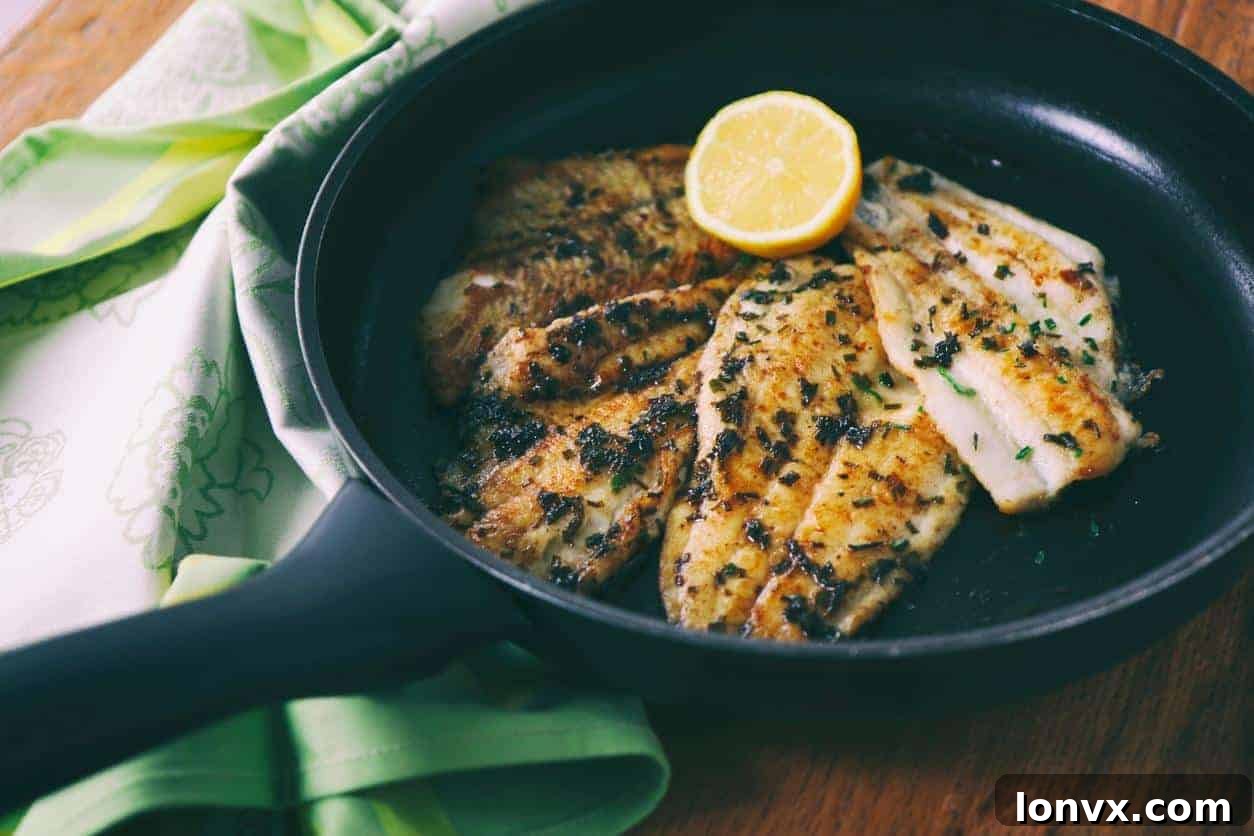
A quick note: The accompanying photo for this article showcases common pitfalls to avoid when sautéing sole fillets, as detailed within the recipe instructions. Pay close attention to these tips for optimal results.
The Meunière Philosophy: Simplicity Meets Flavor
My culinary philosophy often leans towards minimizing the use of flour, especially in preparations like soups where I prefer the natural thickening power of reduced cream. However, there are specific instances where flour is simply indispensable, and crafting a perfect sole meunière, whether with Dover sole or other sole fillets, is one such occasion. The flour coating is not merely a binder; it’s a critical component that contributes to the signature golden crust and nutty flavor profile. I’ve often contemplated innovative alternatives, such as using fine semolina for a slightly different texture, or perhaps even a hint of shredded coconut for an unexpected tropical note. Almond flour also holds intriguing possibilities, given the natural affinity between almonds and many types of fish.
Selecting Your Sole Fillets: The Frozen Advantage
For this meunière recipe, I recommend using six medium-sized, individually frozen-at-source sole fillets, straight from the freezer. Living inland, far from the Atlantic Ocean, I’ve found that “fresh” unfrozen sole from the fish market often turns to an unworkable mush, despite its designation. It can be incredibly challenging to handle and cook properly. High-quality frozen fillets, on the other hand, consistently deliver excellent results, maintaining their integrity throughout the cooking process. Crucially, do not defrost the fillets. Allowing them to remain frozen is key to achieving that delicate, flaky texture and preventing them from becoming soggy.
Crafting the Perfect Beurre Noisette
The foundation of an exceptional meunière is the rich, nutty aroma of beurre noisette, or brown butter. For six fillets, I typically use a full stick of unsalted butter. Begin by easing the butter into a wide sauté pan with low sides. The low sides are essential to allow moisture to escape, preventing the fish from steaming rather than frying. Maintain medium-high heat. Allow the butter to melt completely, then continue cooking it. It will foam, then the milk solids will begin to separate and settle at the bottom of the pan, slowly turning golden, then amber, and finally a deep hazelnut brown, releasing a wonderfully fragrant, nutty aroma. This transformation is key to the dish’s flavor. Keep a close watch to prevent the butter from burning, as burnt butter will impart a bitter taste.
The Art of Dredging and Pan-Frying
Preparing the Fillets for Sautéing
On a large platter, spread out two full cups of plain all-purpose flour. No seasoning is needed at this stage. Working with tongs, lightly coat both sides of each still-frozen sole fillet with the flour. The goal is a thin, even layer that will create a delicate crust. Gently shake off any excess flour. It’s important to only flour the fillets immediately before you are ready to sauté them to prevent them from becoming gummy. Once coated, stack the dredged fillets on a separate working plate. For minimal counter mess, spread an extra-large clean tea towel or several layers of paper towel on your workspace. Work carefully and gently to maintain the integrity of the fillets. Any remaining flour on the platter should be discarded; do not save it for future use, as it will have come into contact with raw fish.
The Sautéing Process: Precision and Patience
With your beurre noisette ready and shimmering in the pan, it’s time to introduce the sole. Carefully place the floured fillets into the hot brown butter, ensuring they do not touch one another. Crowding the pan will significantly drop the butter’s temperature, leading to steamed rather than beautifully browned fish. The heat must remain consistently medium-high to achieve that desired golden crust. Resist the urge to move or touch the fish for the first approximately three minutes. This initial cooking phase allows a crust to form, sealing in moisture and creating that characteristic meunière texture. Stay close to the stove; do not leave the pan unattended. Continually adjust the heat as needed to keep the beurre noisette from burning, which would impart an undesirable bitterness.
Once the first side has developed a gorgeous golden-brown hue and a wonderful nutty coating from the flour, it’s time for the single flip. Using a fish flipper spatula or a thin, malleable egg turner, carefully turn each fillet only once. After turning, generously season the first cooked side with salt and freshly cracked black pepper. Repeat this seasoning process generously on the newly flipped side. The fillets cook remarkably fast, typically requiring only another two to three minutes on the second side. Keep the heat on medium-high until both sides are perfectly golden and the fish flakes easily with a fork.
Finishing and Serving Your Meunière
Immediately turn off the heat once the fish is cooked. It is crucial to remove the flaky sole from the sauté pan right away; do not let it sit in the hot beurre noisette, as it will continue to cook and potentially become overdone. Depending on the number of fillets you’re preparing, you might need to use two large sauté pans or cook them in batches. As you sauté additional fillets, gently tent the ready-to-eat fish with foil to keep it warm without overcooking.
The final touches elevate this dish from simply delicious to truly unforgettable. Spritz the delicate browned fish coating with just a little fresh-squeezed lemon juice. This bright acidity cuts through the richness of the butter and enhances the fish’s natural flavors. If you have it, dust with a tiny pinch of lemon-fragrant sumac for an added layer of subtle citrus and tang. Serve the sole on a hot plate to maintain its warmth. While still hot, scatter a few flakes of Amagansett Sea Salt finishing salt over the fish on the serving platter. These delicate salt flakes melt on your tongue, providing bursts of clean, oceanic flavor that perfectly complement the meunière.
An Effortless Gourmet Treat
I genuinely savor sole meunière. Despite the floured coating and what might seem like an generous amount of butter, it surprisingly remains a wonderfully light yet sufficiently filling treat. Its rich, natural flavor is so captivating that I often find myself wanting no accompaniments, allowing the sole to be the undisputed star of the meal. This is a special treat that is remarkably easy to make, even if you are cooking for one. It requires minimal preparation time and, despite its gourmet reputation, ensures a simple, clean-up afterwards.
However, should you desire a slightly heartier meal, my delicious plantain crackers, topped with a medium-large, ready-to-eat shrimp, would make a fantastic side. They could even be dipped into my unique tzatziki for an extra layer of flavor and texture. For those occasions when meunière isn’t the specific craving, I often prepare frozen sole fillets by dusting them in flour, dipping them in whisked egg, and then coating them in light, coarse homemade breadcrumbs. While delicious, it’s important to note that this is a different preparation than meunière. (A word of caution: store-bought breadcrumbs typically don’t work as well for this application; they tend to be too granular and dense.) Pan-fried in just a little unsalted butter, these breaded fillets are incredibly tasty, quick, and easy to prepare in larger quantities. Sometimes, I enhance the flour with herbs and spices like rosemary, which marries beautifully with the breaded fish – fresh is ideal, but dried rosemary works perfectly well too. For a light but more substantial meal, consider adding a cool panna cotta as a refreshing dessert or even as an elegant starter. A tall, chilled glass of Black Tower or Two Oceans wine also pairs wonderfully with sole meunière, enhancing the dining experience.
Homemade Cooked Mustard Sauce
For those who appreciate a flavorful accompaniment, a small dish of homemade mustard sauce can elevate your meal. This recipe, a nostalgic tribute to my mother’s classic preparation for pink Atlantic salmon, is remarkably versatile and adds a delightful piquancy to a variety of dishes.
Ingredients & Preparation
To begin, in a non-aluminum saucepan, whisk six egg yolks until light and frothy. For a gentler cooking process, you might opt for a glass double boiler. (Don’t discard those egg whites! They’re perfect for making wonderful, easy nougat or my signature bird’s nest pavlova.)
Gradually incorporate three-quarters of a cup of white sugar into the egg yolks, stirring constantly over medium heat until the sugar is completely dissolved. This gentle cooking process prevents the yolks from scrambling and ensures a smooth, luscious texture.
Next, stir in a quarter cup of dry mustard powder. Ensure it’s fully blended with the egg and sugar mixture. Then, add a full cup of plain white vinegar. Stir vigorously to combine everything well – prepare for your nostrils to clear, as the mustard and vinegar create a wonderfully pungent aroma! Continue to reduce the sauce over medium heat, stirring occasionally, until it thickens to your desired consistency. The sauce will coat the back of a spoon when ready.
As the sauce cools to room temperature, flutter in a little Amagansett Sea Salt finishing flakes. These delicate flakes will dissolve, enhancing the flavor profile with a clean, briny note.
Serving & Variations
This exquisite mustard sauce is incredibly versatile and can be enjoyed warm, cold, or at room temperature. Its vibrant flavor makes it a perfect complement to numerous dishes. For an even more spectacular and sophisticated mustard sauce, consider substituting the white vinegar with dry vermouth or a touch of fine cognac. This introduces complex aromatic notes that elevate the sauce to new heights. A tiny drizzle of your favorite liquid honey can also be added for a hint of sweetness that beautifully balances the tartness and spice.
Store this delectable sauce refrigerated in a clean glass jar. Its robust flavor makes it an ideal accompaniment for roasted ham, baked salmon, or even as a spread for sandwiches (especially thin slices of roast beef). It also pairs wonderfully with meatballs or a classic meatloaf. To personalize your condiments further, add a few tablespoons of this mustard sauce to your homemade, always-at-the-ready thick mayonnaise to create a custom Dijonnaise. For an extra layer of briny flavor, you could even crush in a few capers. Imagine its zing in your Caesar salad dressing!
Beyond the expected, this mustard sauce offers delightful surprises. I find it particularly interesting served alongside my French-cut green beans. It also adds a fantastic dimension to creamy vegetable dishes, such as my cream sauce kohlrabi or even creamed Belgian white endive (always with a hint of nutmeg, of course). The possibilities are truly endless with this homemade culinary gem!
© Lady Ralston’s Canadian Contessa Kitchen gets Saucy ~ Sauces, Aolies, Dressings, Drizzles, Drops, and Puddles