
Welcome to Ask A Stager, your trusted staging advice column designed exclusively for real estate professionals. Whether you’re navigating the complexities of enhancing your listings’ visual appeal or seeking innovative strategies to captivate your target audience, you’ve found the ultimate resource. Ask A Stager offers you an unparalleled opportunity to submit any staging-related questions, no matter how big or small, and receive expert, complimentary advice tailored to your needs.
If your query is about elevating the look and feel of your real estate properties to secure faster sales and higher offers, we are eager to hear it and provide valuable assistance. Email your questions to [email protected] and let us help you transform your listings.
As a dynamic real estate agent in today’s competitive market, a deep understanding of home staging is not merely a bonus—it’s a critical component that can profoundly impact your success. The ability to effectively prepare properties for sale not only helps clients sell their homes quicker but also ensures they achieve the highest possible market value. However, mastering the art and science of home staging involves more than just decorating; it requires a keen eye for design principles, meticulous attention to detail, and an understanding of buyer psychology.
In response to a frequently asked question from our readers, this article provides a comprehensive and actionable guide outlining the essential dos and don’ts of home staging. Our goal is to equip you with the knowledge and strategies needed to maximize the appeal and potential of every property you proudly represent, turning mere listings into irresistible homes that command attention and top dollar.
The “Dos” of Home Staging: Elevate Your Listings
1. Start with Irresistible Curb Appeal
The exterior of a home is the very first thing potential buyers encounter, making it the foundational element of their impression. This initial visual assessment, often formed before they even step inside, can significantly influence their perception of the entire property. Therefore, investing in superior curb appeal is non-negotiable. Begin by meticulously maintaining the landscaping; ensure lawns are freshly mowed, edges are trimmed, and flowerbeds are weed-free and vibrant. A clean, well-maintained driveway, free of cracks and debris, contributes to an immediate sense of care and quality. The front door, as the entryway to the home, should be exceptionally welcoming—a fresh coat of paint in an inviting color can make a dramatic difference, complemented by polished hardware and a tasteful doormat.
Seasonal considerations are also paramount. During the colder winter months, when vibrant flowers are scarce, infuse freshness with potted evergreen plants like boxwood or juniper placed symmetrically at the front entrance. These not only add a touch of natural beauty but also convey a sense of warmth and careful attention. As early spring emerges, rake away any dead leaves, grass debris, or winter detritus. Consider incorporating hardy and frost-resistant plants such as pansies, primroses, or early daffodils to add bursts of color and signal new beginnings. A well-presented exterior doesn’t just look good; it subtly communicates to buyers that the home is well-cared for, setting a positive tone for the rest of their viewing experience.

Photo credit: Reel Sparrow
2. Prioritize a Professional Deep Cleaning
A pristine, impeccably clean home is not just a preference for staging success; it’s an absolute necessity. Dirt, dust, and grime are immediate red flags for potential buyers, suggesting neglect and inviting suspicion about deeper, hidden issues within the property. Every surface, from gleaming floors to spotless countertops, crystal-clear windows, and immaculate bathrooms, must be free from any speck of dirt. Pay particular attention to often-overlooked areas such as baseboards, ceiling fans, light fixtures, and, critically, the vents throughout the house—these are notorious dust collectors and can harbor stale odors.
For a truly transformative clean, consider advising your clients to invest in professional cleaning services. Experienced cleaners possess the tools and expertise to tackle stubborn grime and reach every nook and cranny. This thorough deep clean should extend to the interior of all appliances, including ovens, refrigerators, and dishwashers, as these spaces are often scrutinized by discerning buyers. A dirty or even moderately unclean house can inadvertently communicate that the home has been poorly maintained, eroding buyer confidence and potentially diminishing their perceived value of the property. Conversely, an impeccably clean home exudes a sense of care, quality, and move-in readiness, allowing buyers to focus on the home’s positive attributes rather than its imperfections.
3. Depersonalize and Declutter Relentlessly
The golden rule of home staging is to help prospective buyers envision themselves living in the home, rather than feeling like they are visiting someone else’s space. To achieve this, it’s critical to advise sellers to rigorously remove personal items and all forms of clutter. Start by clearing countertops in kitchens and bathrooms, ensuring they are sparkling and free of personal toiletries, small appliances, or excessive decor. Minimize family photos, personal collections, and highly specific decorative pieces that reflect the current homeowner’s taste. The goal is to create a neutral, inviting atmosphere that allows buyers to project their own future into the space.
Streamline furniture arrangements, removing any pieces that make rooms feel cramped or impede natural traffic flow. According to the Real Estate Staging Association (RESA), a significant majority of people struggle to envision a home’s full potential when it is cluttered or overly personalized. Clutter not only visually shrinks a space but also distracts buyers from appreciating the architectural features and overall layout of the home. When preparing a property for sale, remember that “less is truly more.” A decluttered and depersonalized home feels more spacious, brighter, and more inviting, enabling buyers to easily imagine placing their own belongings and creating their own memories within its walls.
4. Focus on Neutral and Appealing Decor
To appeal to the widest possible range of potential buyers, strategically opt for neutral color palettes and contemporary decor elements. Neutral tones such as soft greys, warm beiges, classic whites, and muted creams create a versatile and sophisticated blank canvas. This approach allows prospective buyers to easily envision their own personal style and furnishings within the space, preventing any specific color or design choice from becoming a barrier. Neutral backdrops inherently foster a sense of calm and serenity, making the home feel more spacious and welcoming.
While neutral tones form the foundation, they certainly don’t have to be bland. Thoughtful pops of color can be introduced to add personality, warmth, and visual interest without overwhelming the senses. Consider incorporating vibrant hues through carefully selected artwork, accent pillows, throw blankets, or subtle decorative accessories. Think about calming yet engaging accent colors such as various shades of blue (from serene navy to soft sky blue), tranquil sage green, or a cheerful, soft buttery yellow. These strategic splashes of color can enhance the overall aesthetic, provide focal points, and make the home feel current and inviting, striking the perfect balance between broad appeal and sophisticated charm.
5. Highlight Key Architectural and Functional Features
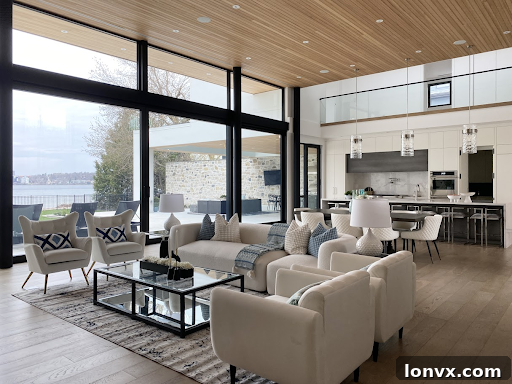
Every home possesses unique selling points that deserve to be showcased and celebrated. Whether it’s distinctive architectural features like crown molding or exposed brick, a cozy fireplace, expansive windows offering stunning views, or a custom-built kitchen island, identify these assets and make them the stars of the show. The goal is to subtly draw the buyer’s eye to these standout elements, enhancing their perceived value and memorability.
Achieve this by using strategic placement of furniture and artwork. For instance, arrange seating to face a fireplace or a picturesque window, or position a striking piece of art above a unique built-in. Well-placed staging acts as a visual guide, allowing the home’s best features to speak for themselves without the need for verbal explanation. In this instance, a picture is truly worth a thousand words, and expertly arranged furniture and decor will eloquently communicate the home’s virtues. Conversely, strategic staging can also serve to subtly detract attention from less desirable aspects of a room, redirecting focus to the home’s strengths and maintaining a positive overall impression.
6. Maximize Both Natural and Artificial Light
Bright, well-lit spaces intrinsically feel more inviting, larger, and more appealing to potential buyers. One of the simplest yet most effective staging strategies is to maximize the natural light flooding into the home. This means opening all curtains and blinds wide, ensuring windows are spotlessly clean, and trimming any exterior foliage that might block sunlight. Allowing natural light to permeate every room instantly enhances the ambiance and makes spaces feel more open and airy.
However, natural light alone is often insufficient, especially in rooms with fewer windows, during darker hours, or in older homes that may lack overhead fixtures. In such cases, strategically incorporate artificial lighting. Add stylish table and floor lamps to brighten dark corners, create mood lighting, and enhance the room’s overall warmth. For homes without ceiling fixtures, consider cost-effective solutions like plug-in sconces or track lighting, or if the budget permits, invest in recessed lighting for a sleek, modern upgrade. Crucially, avoid harsh fluorescent lights, which can create an uninviting and clinical atmosphere. Instead, opt for LED bulbs with a warm, inviting color temperature (around 2700K-3000K) to create a cozy and welcoming glow that complements the natural light.
7. Invest Wisely in Professional Staging
While DIY staging can yield some improvements, partnering with a professional home staging company is an investment that consistently delivers exceptional returns. Professional stagers bring a wealth of knowledge, expertise, and a comprehensive inventory of furniture and accessories specifically chosen to appeal to today’s buyers. They possess an objective eye and understand current design trends, market demographics, and the most effective ways to highlight a property’s best features while minimizing its flaws. Their resources enable them to transform even challenging properties into irresistible spaces that not only sell faster but also command top dollar.
Beyond the aesthetic transformation, engaging a professional stager frees up your valuable time as a real estate agent. Instead of worrying about decor choices, furniture rental, or design logistics, you can focus on what you do best: marketing the property, nurturing client relationships, and building your real estate business. Furthermore, professional staging isn’t a one-size-fits-all solution; there are many different forms and packages available to suit various budget types. Communicate your client’s budget and specific needs to your stager, and they can design a custom package—from consultations and partial staging to full vacant home staging—to maximize impact and fit financial constraints, ensuring a strategic and profitable investment.
The “Don’ts” of Home Staging: Common Mistakes to Avoid
1. Never Overlook Unpleasant Odors
One of the quickest ways to instantly deter potential buyers and ruin a showing is the presence of unpleasant odors. Our sense of smell is incredibly powerful and deeply connected to memory and emotion; a bad smell can create a lasting negative impression that overshadows all other staging efforts. Lingering smells from pets, cooking (especially strong spices or fried foods), tobacco smoke, mold, or mustiness can immediately turn off prospective buyers, making the home feel uninviting and potentially unsanitary. Addressing these issues is paramount to creating a fresh and welcoming atmosphere.
Begin by identifying the source of any odors and eliminating it. Deep clean all surfaces, launder curtains and fabrics, and ensure good ventilation. For strong, persistent odors, particularly those from smoking, professional intervention may be necessary. An ozone generator can quickly and effectively neutralize unwanted scents by breaking down odor-causing molecules, providing a clean slate. Carpets and rugs are notorious for retaining odors, especially in homes with pets; in such cases, consider professional steam cleaning or, if severely stained or smelly, replacement. Finally, avoid masking odors with overpowering air fresheners, as these can be equally off-putting. Instead, focus on genuine freshness, perhaps with subtle, natural scents like fresh flowers or lightly diffused essential oils.
2. Do Not Neglect Essential Repairs
In today’s market, buyers are increasingly seeking move-in-ready homes, and even minor visible repairs can significantly detract from a property’s appeal. Cracked tiles, leaky faucets, chipped paint, loose doorknobs, or sticky windows might seem like small issues, but they signal neglect and can raise serious concerns for buyers about other, potentially more expensive hidden problems. Such imperfections not only diminish the overall aesthetic but also create a perception that the home hasn’t been well-maintained, eroding buyer confidence and prompting them to mentally tally up a long list of tasks and costs.
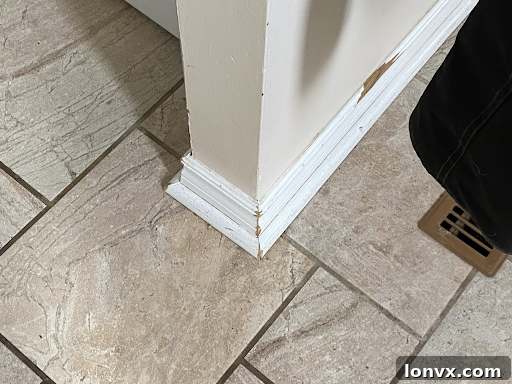
Modern buyers are often busy and prefer to avoid immediate renovation projects. If a home comes with a noticeable list of repairs and maintenance issues, it invariably leads to one of two outcomes: buyers will either demand a significant pricing concession to offset their future expenses and inconvenience, or they will simply remove the home from their consideration list altogether. Proactively addressing these minor repairs before listing the property demonstrates pride of ownership and ensures that buyers perceive the home as a sound investment, ready for immediate enjoyment without added hassle.
3. Avoid Crowding Spaces with Excessive Furniture
One of the most common staging missteps is overcrowding rooms with too much furniture. While it might seem counterintuitive to remove furniture, a room filled with excessive pieces, especially bulky or mismatched items, makes a space feel smaller, cramped, and less functional. The objective of staging is to highlight the room’s inherent size, layout, and potential, allowing buyers to move freely and comfortably through each area. When rooms are difficult to navigate, buyers get a sense of constriction rather than spaciousness.
Instead, opt for minimalistic staging that emphasizes easy traffic flow and showcases the functionality of each space. This may mean advising clients to remove overstuffed, oversized, or dated furniture, replacing them with contemporary pieces that feature clean lines and a lighter visual footprint. Ensure that furniture is arranged thoughtfully, creating clear pathways and focal points, and avoiding any placements that block natural light or obstruct the flow of movement. Reassure clients that the effort they put into preparing their home for sale, including strategic furniture removal, directly translates into better resonance with potential buyers and a quicker return to normalcy for them. A well-proportioned and uncluttered room instantly feels larger, more inviting, and allows buyers to better visualize their own belongings within the space.
4. Never Ignore the Exterior Beyond Curb Appeal
While the front curb appeal establishes the initial impression, it’s crucial not to neglect the entire exterior of the home, including the backyard, side yards, patios, and decks. These outdoor living spaces have become increasingly important to buyers, who often envision themselves entertaining or relaxing in these areas. A well-maintained yard, patio, or deck can significantly enhance the overall appeal and perceived value of the property, expanding the living space beyond the interior walls.
This attention to detail is particularly important after the winter months, when outdoor areas can accumulate dust, dirt, sand, and debris. Encourage clients to invest in a power washer, which is an excellent tool for quickly and effectively cleaning siding, windows, pathways, and especially decking and patio areas. Ensure all outdoor furniture is clean and inviting, perhaps adding fresh cushions or a few potted plants. Repair any broken fences, sweep away cobwebs, and ensure gutters are clear. A neglected backyard can be as detrimental as an untidy front yard. By presenting a clean, functional, and inviting exterior from every angle, you help buyers envision a complete lifestyle, not just a house, thereby maximizing the property’s attractiveness and marketability.
5. Do Not Rely Solely on Virtual Staging
Virtual staging has emerged as an affordable and convenient tool for showcasing vacant properties or demonstrating potential layouts. It allows agents to digitally furnish and decorate spaces, creating visually appealing online listings that can attract a broader audience. While virtual staging is undoubtedly a powerful marketing asset, it should not be considered a complete replacement for physical staging. The digital representation, however realistic, cannot replicate the tactile experience and emotional connection that physical staging provides when a buyer walks through a home.
Consider the potential disconnect and disappointment buyers might feel when they enter a completely empty or vastly different space than what they saw online. This discrepancy can cause more questions and skepticism than provide answers, especially for buyers who struggle with visualizing a space’s potential without tangible cues. Physical staging offers a sensory experience—the feel of a plush rug, the inviting scent of a clean home, the perceived scale of furniture within a room. It helps buyers connect emotionally with the property, envisioning themselves living there in a real, tangible way. Therefore, while virtual staging is excellent for online presence, it often serves best as a complement to, rather than a substitute for, the powerful impact of well-executed physical staging.
6. Never Forget to Update Outdated Decor
Outdated fixtures, furnishings, and decor items can instantly age a home, making it feel stale, unappealing, and in need of significant upgrades. Buyers today are keenly aware of current trends and typically seek properties that feel fresh, modern, and move-in ready. Specific elements that often scream “outdated” include brass light fixtures from the 80s, worn kitchen cabinet hardware, bathroom faucets from previous decades, and heavy, dark window treatments. These seemingly small details collectively contribute to a home’s overall perceived modernity and value.
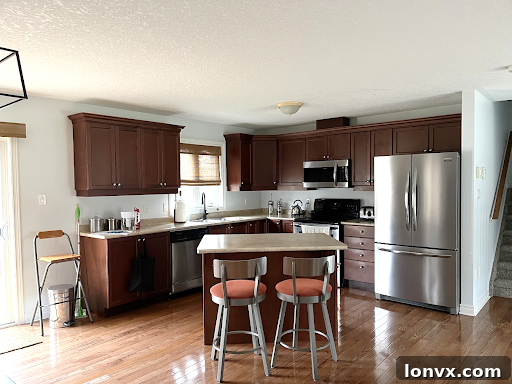
Replacing these outdated fixtures and making other cost-effective updates, such as a fresh coat of neutral paint or modernizing a backsplash, can significantly give the home a facelift. Dated decor not only diminishes the aesthetic appeal but also adds to a buyer’s mental “to-do” list, which only increases their perceived costs of ownership. By making these strategic, often inexpensive, updates, you eliminate reasons for buyers to demand price reductions or to be hesitant. Presenting a home that feels current and requires minimal immediate work makes it far more attractive, significantly increasing its chances of a swift and successful sale at a premium price.
7. Do Not Skip the Final Walkthrough Inspection
The staging process isn’t complete until a meticulous final walkthrough is performed just before potential buyers arrive or the professional photographer begins shooting. This critical step ensures that every detail is perfectly in place and the home is presentation-ready, creating the best possible impression. Even after extensive cleaning and staging, small oversights can detract from the overall effect.
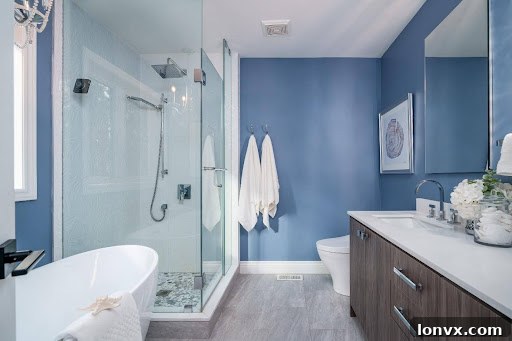
Photo credit: WV Media
During this walkthrough, pay acute attention to every minute detail: flawlessly styled beds with plump pillows, neatly fluffed cushions on sofas, toilet seats consistently lowered, and unsightly items like toilet brushes, trash cans, and cleaning supplies discreetly put away. Ensure all light bulbs are working, windows are sparkling, and there are no stray personal items. Make any necessary adjustments and touch-ups before the photographer arrives, as high-quality, professional photos are paramount in today’s digital real estate landscape. According to RESA, an astounding 90 percent of homebuyers conduct their initial property search online. Therefore, the visual presentation of your listings online must be compelling enough to entice potential buyers to book an in-person visit. A flawless final walkthrough ensures your photographs capture the home at its absolute best, driving interest and securing showings.
Mastering the essential dos and don’ts of pre-sale preparation is no longer optional; it is absolutely crucial for achieving greater success in today’s fiercely competitive real estate market. By diligently following these expert guidelines and making strategic investments in necessary updates and professional staging, you can dramatically maximize the appeal of your listings and effectively attract a larger pool of serious buyers. Each effort you and your clients make in presenting a home in its best light directly contributes to its perceived value and desirability.
With careful attention to every detail, from the curb to the closet, and a dedicated focus on creating inviting, aspirational spaces, you will not only secure faster sales and higher offers for your clients but also set yourself apart. This commitment to delivering exceptional results will solidify your reputation as a top-notch agent, fostering trust and loyalty. Word of your dedication and expertise will undoubtedly travel, leading to a steady stream of referrals and exciting new business opportunities, propelling your real estate career to new heights.
Have more home staging questions you’d like to see featured in a future column? We’d love to hear from you! Submit them to [email protected].