
Canada’s housing market showcased a period of relative stillness in March, a calm that, upon closer inspection, belies a significant shift beneath the surface. Instead of the usual bustling activity, buyers appear to be retreating, choosing caution precisely when the market traditionally ignites. This subtle yet profound shift warrants a deeper dive for anyone involved in or observing the Canadian real estate landscape.
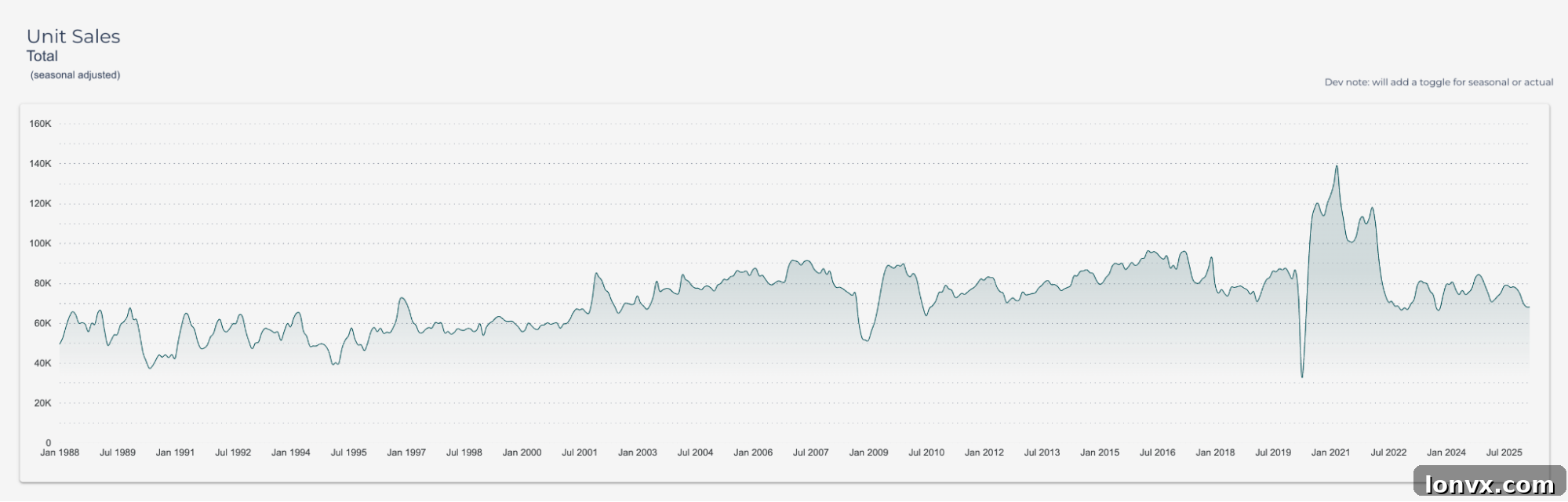
The latest figures from the Canadian Real Estate Association (CREA) confirm this narrative of subdued activity. National home sales experienced virtually no change month-over-month in March, registering a marginal decrease of 0.1 percent. Compared to the same period last year, activity was down by 2.3 percent. New listings mirrored this trend, edging down by a mere 0.2 percent. This synchronization of minimal movement on both the demand and supply sides has essentially left the market in a frozen state, a scenario far from typical for the vibrant spring season.
This unusual combination of factors signals a departure from conventional spring market dynamics, where escalating buyer demand often meets a corresponding rise in new listings, fueling transactions and setting the tone for the year. This year, however, the rhythm is decidedly different, pointing to underlying uncertainties rather than robust growth.
A Market Defined by Buyer Hesitation, Not Fundamental Weakness
The apparent lack of momentum in March should not be misinterpreted as a collapse in housing demand. Rather, it reflects a growing reluctance among potential buyers to commit to transactions amidst an unpredictable landscape of financing conditions. The core issue isn’t a lack of desire to own a home, but a strategic pause as buyers grapple with evolving economic signals and their direct impact on borrowing costs.
A pivotal mid-month surge in fixed mortgage rates, directly linked to renewed concerns about persistent inflation, seems to have abruptly stalled the market’s nascent spring momentum. This sudden shift has created a significant timing challenge for many, pushing prospective buyers to the sidelines. For countless individuals and families, the decision to purchase a home is one of the most substantial financial commitments they will ever make. Therefore, any perceived instability in lending rates or future economic outlook can easily trigger a delay in their plans.
Many who initially intended to enter the market are now choosing to defer their buying decisions. They are waiting for greater clarity, hoping for more favorable pricing, improved overall economic stability, or a more predictable borrowing environment. CREA itself acknowledges this sentiment, suggesting that the current perception of elevated rates might be temporary. However, this temporary perception could very well keep buyers disengaged through April, May, and June — traditionally the peak selling months when the housing market experiences its highest sales volumes. This widespread hesitation is a meaningful divergence from typical seasonal patterns. In a usual spring, the urgency to secure a home often overrides any lingering doubts; this year, caution is clearly prevailing. This psychological aspect of the market, where anticipation of better conditions trumps immediate action, is a powerful force shaping current trends.
Supply Dynamics: Constrained, Yet Stable
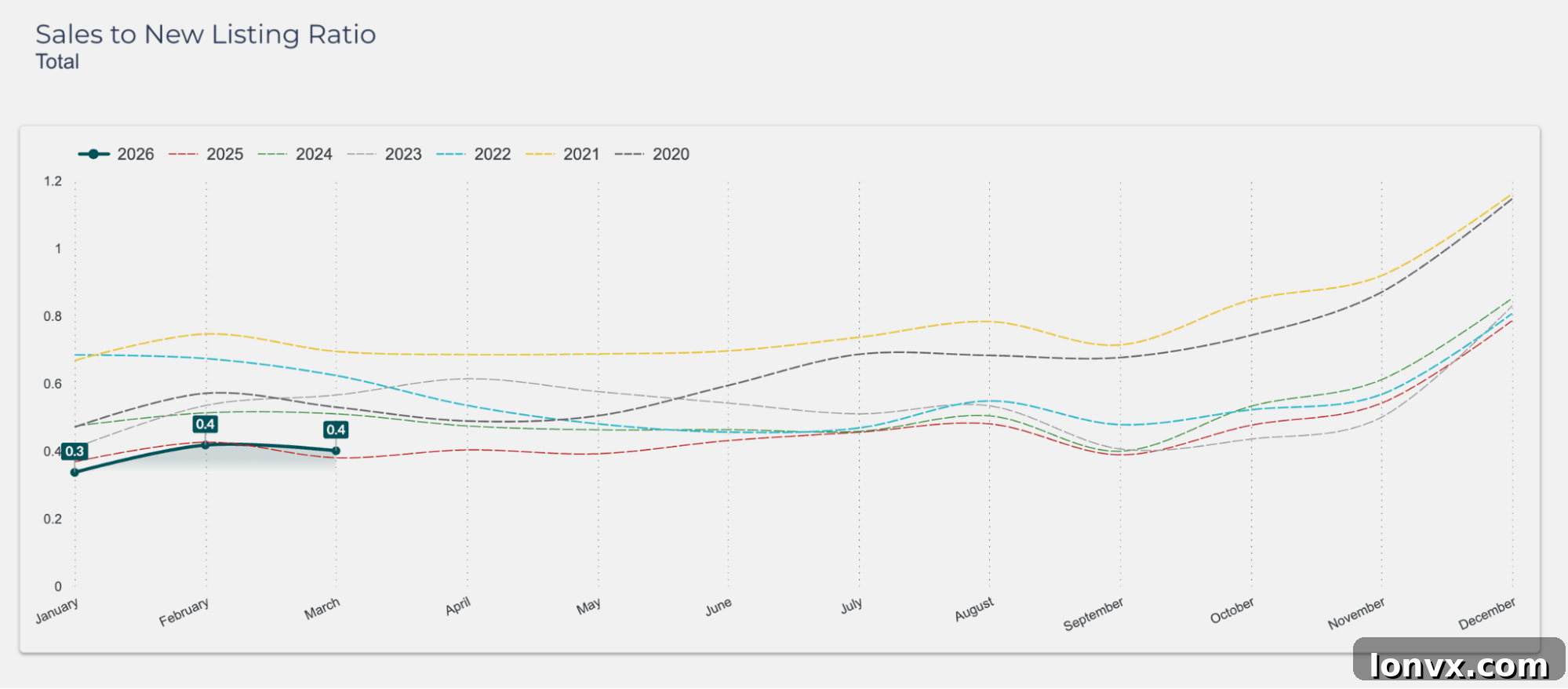
Turning our attention to the supply side of the equation, conditions remain relatively tight when compared to historical benchmarks. However, a crucial distinction must be made: the market is no longer experiencing the aggressive tightening that characterized previous periods of rapid price growth. The sales-to-new-listings ratio, a key indicator of market balance, registered 47.8 percent in March. While this figure sits below the long-term average of 54.8 percent, it remains firmly within the range typically associated with balanced market conditions. This suggests that neither buyers nor sellers hold a distinct advantage, contributing to the current standoff.
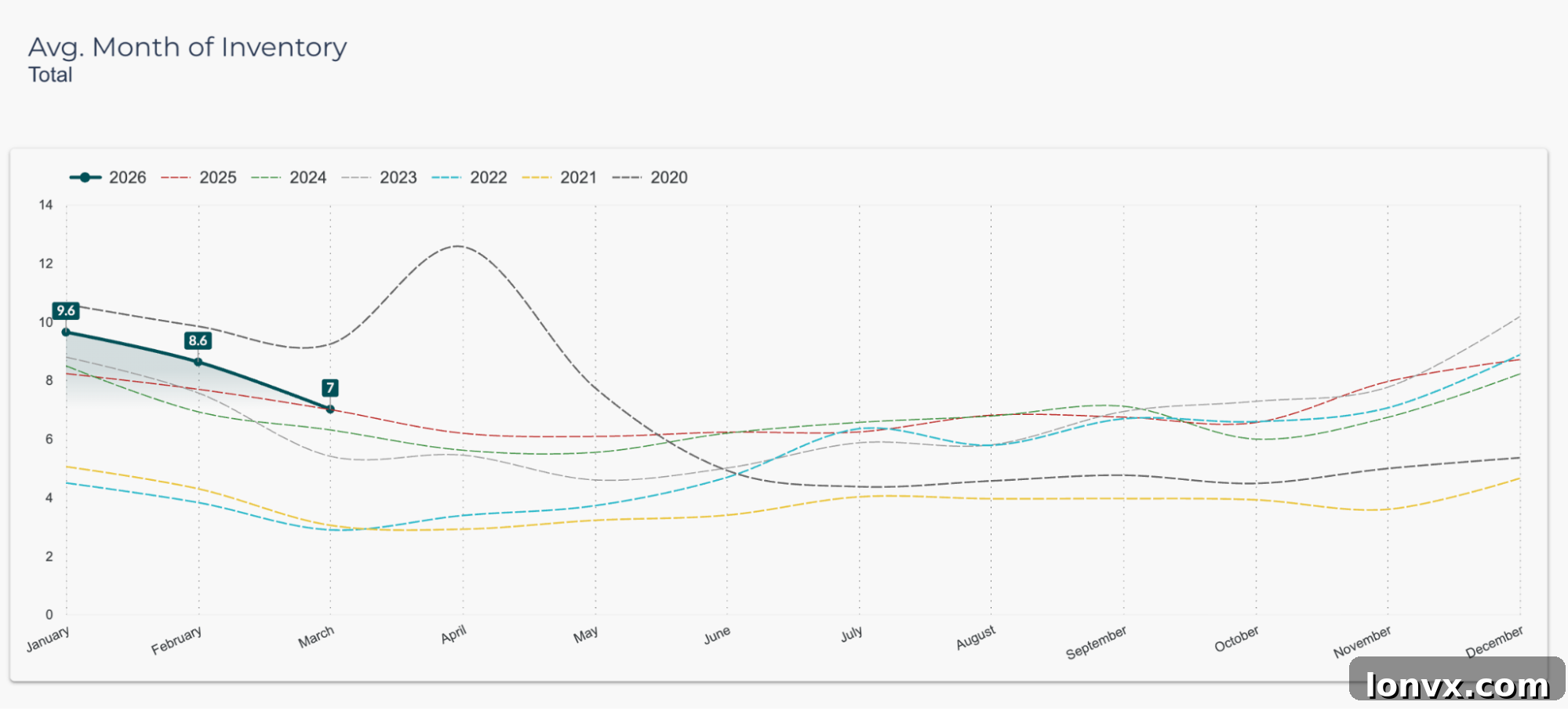
Furthermore, the total inventory available for sale stood at approximately five months of supply. This metric is largely in line with long-term historical norms, reinforcing the idea of a market that, at least from an inventory perspective, is not experiencing extreme imbalances. A five-month supply indicates a relatively healthy equilibrium, where there’s enough housing stock to meet demand without creating intense upward or downward pressure on prices under normal circumstances.
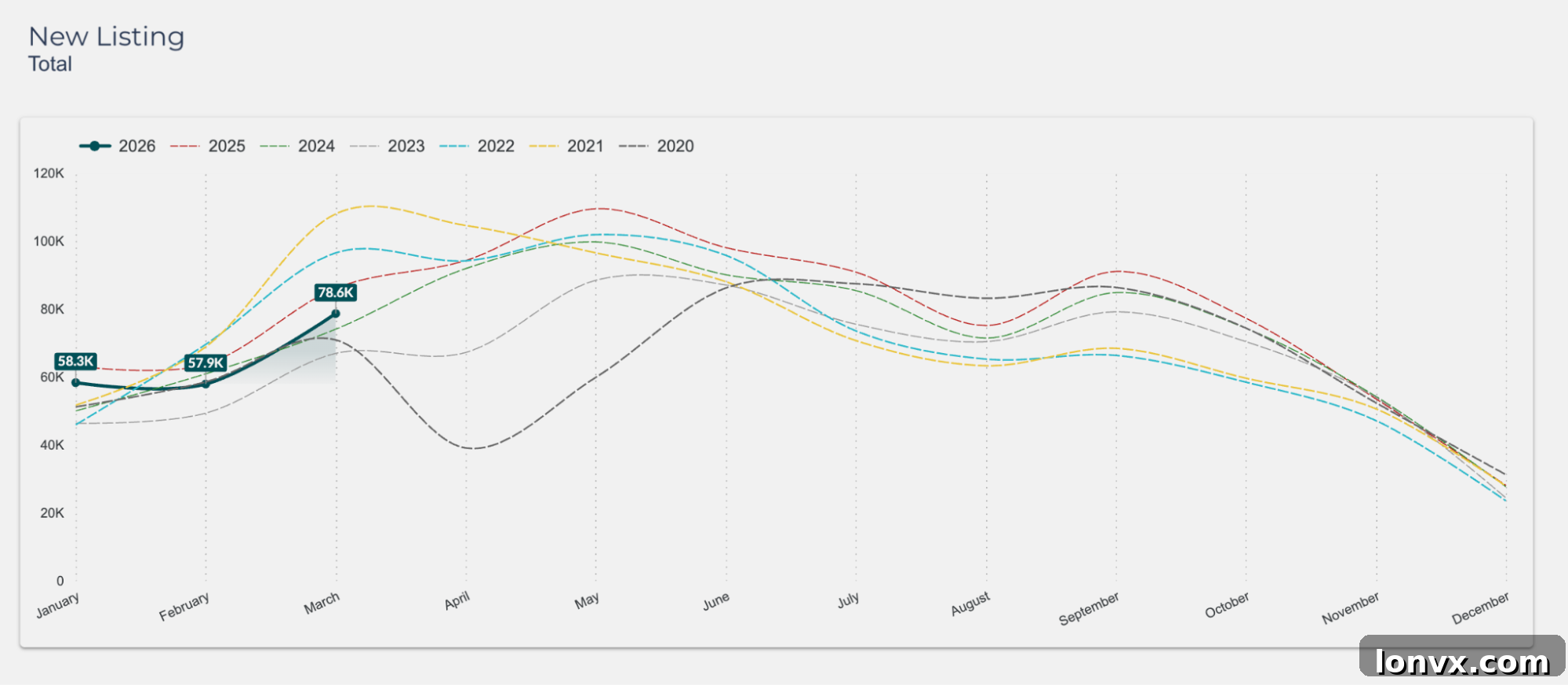
Despite this, it is crucial to note that the absolute number of properties listed for sale continues to hover around 10.6 percent below the historical average for this specific time of year. This enduring constraint on supply acts as a subtle buffer, preventing a significant market oversupply that would typically trigger sharper price corrections. In essence, while supply isn’t tightening further to fuel price hikes, it’s also not flooding the market in a way that would drastically tip the scales in favor of buyers. This delicate balance means prices are not being pushed higher by scarcity, but they are also not collapsing under the weight of excessive inventory.
Price Trends: Declining, But Moderating Pace
The trajectory of home prices in March offers insights into a gradual stabilization, rather than an immediate return to growth. The rate of price declines is observably slowing, a development that sparks hope among some market participants. However, the crucial question remains: does this moderation unequivocally signal an end to falling prices in the immediate future? A cautious analysis suggests this is likely not the case.
The MLS Home Price Index (HPI), a more accurate measure of price trends because it accounts for various property types, saw a 0.4 percent month-over-month decrease and was down 4.7 percent compared to the previous year. Concurrently, the national average sale price registered a 0.8 percent year-over-year decline, settling at $673,084. While these figures confirm a downward trend, the noticeable moderation in the pace of monthly price declines, especially when compared to the sharper drops observed earlier in the year, is a key takeaway.
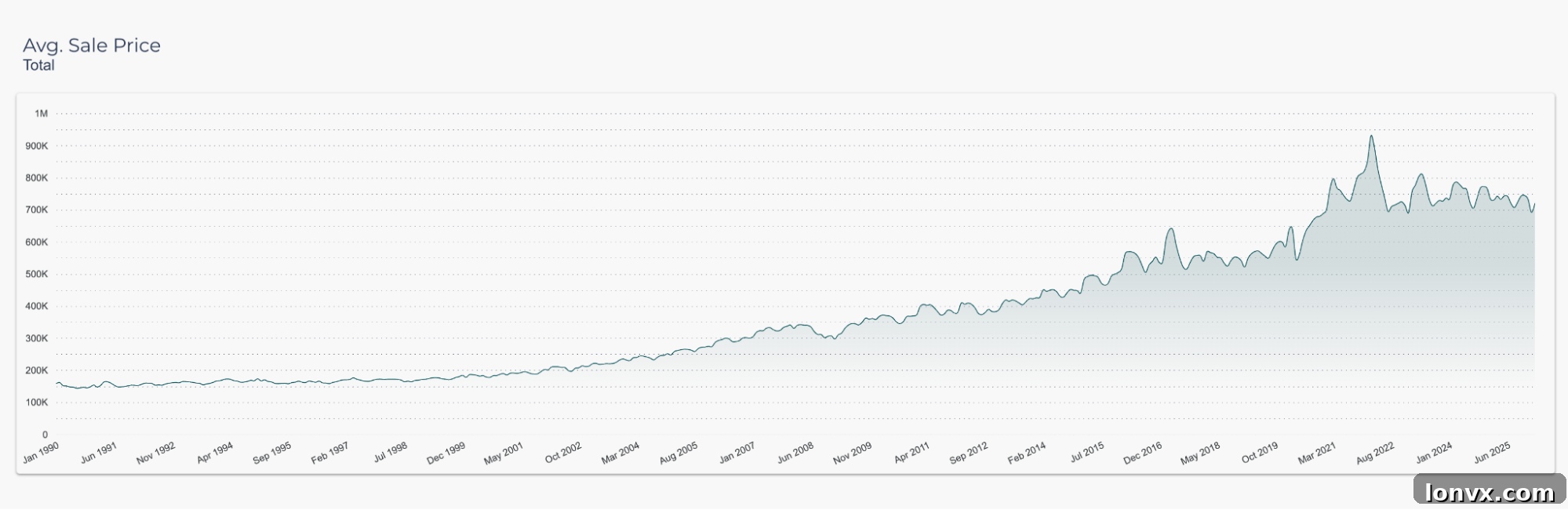
This is precisely where the prevailing market narrative begins to shift. The focus moves from outright price drops to the slowing velocity of those drops. This distinction, while statistically significant, is frequently overstated, particularly by those within the real estate industry keen to highlight any positive inflection. It is imperative to remember that a slowing decline is fundamentally different from a recovery or a return to growth. The danger lies in prematurely declaring a market rebound based on this moderation. If consumers are repeatedly told that the market is turning around, only to witness continued, albeit slower, price depreciation, it risks eroding trust. The market has seen several “false starts” in recent years, and each instance diminishes credibility. One only needs to spend time on social media platforms like YouTube, X (formerly Twitter), or Reddit to see that many consumers already perceive the industry’s optimistic forecasts with a healthy dose of skepticism, often comparing it to the fable of “the boy who cried wolf.” Maintaining a realistic perspective is vital for sustainable market health and consumer confidence.
CREA’s Revised Outlook: Cautious Optimism Amidst Reality
In response to the evolving market conditions, CREA has recalibrated its 2026 forecast, adjusting projections downward. This revision explicitly cites the dual impact of persistently higher mortgage rates and weaker-than-anticipated activity during the initial months of the year. On paper, such a downgrade might appear to signal a significant shift in outlook, acknowledging the headwinds faced by the market. However, it is prudent to approach this revised forecast with a degree of caution and critical evaluation.
Even with this downward adjustment, CREA’s updated outlook still largely hinges on several optimistic assumptions. It anticipates a notable pick-up in sales activity later in the year, projects price stabilization around mid-year, and forecasts a meaningful re-entry of pent-up demand into the market. While these outcomes are certainly possible, their realization depends on a confluence of favorable factors that are far from guaranteed.
This pattern of forecasting, leaning towards recovery scenarios, is not new for CREA. Over the past few years, the association has consistently issued optimistic outlooks, often predicting market improvements earlier than the subsequent data ultimately justified. Rate-sensitive markets, particularly housing, have a notable tendency to invalidate forecasts that heavily rely on the expedient arrival of “improved conditions.” The complexity of economic cycles, geopolitical events, and monetary policy often dictates a slower, more unpredictable pace of change than models might initially suggest.
This does not imply that market stabilization will never occur; indeed, it very well might. However, the timing of such a recovery has been repeatedly pushed further into the future, and this latest revision, while acknowledging current challenges, does not fully deviate from this established pattern of delayed gratification. From an analytical standpoint, significant bullish catalysts appear conspicuously absent on the horizon. Even a scenario where interest rates begin to decline might not necessarily signal a robust market recovery. Often, such rate reductions are a direct response to broader economic distress, perhaps triggered by a war-induced oil price spike leading to inflation followed by demand destruction — effectively, lower rates as a measure to combat an impending recession. Recessions, by their very nature, are typically not considered bullish for housing markets, as they often involve job losses, decreased consumer confidence, and tightened credit conditions, all of which suppress demand.
An Unstable Equilibrium: Technically Balanced, Practically Stagnant
Synthesizing the various data points from March, the Canadian housing market presents a complex picture: it is technically balanced, yet profoundly unstable. This seeming contradiction is at the heart of the current market paralysis.
On the demand side, uncertainty surrounding financing costs has undoubtedly dampened enthusiasm and deterred immediate action. However, this is not a disappearance of demand but rather a postponement. Many prospective buyers remain interested and qualified but are in a holding pattern. Conversely, supply remains constrained, preventing a flood of inventory that could significantly depress prices. Yet, supply is no longer tightening aggressively enough to fuel further price appreciation. Prices are indeed declining, but the pace of these declines has visibly slowed.
This intricate interplay creates a temporary equilibrium, a standoff where both buyers and sellers are essentially engaged in a high-stakes game of “chicken.” Buyers are waiting for prices to drop further or rates to stabilize/decline, while sellers are hesitant to list at lower prices, hoping for demand to rebound. The critical question becomes: who possesses the greater capacity to hold out longer? This psychological battle defines the current market.
Historically, markets positioned in such an unstable equilibrium rarely persist in that state for extended periods. They tend to resolve in one of three distinct ways: a reacceleration of demand, which would necessitate a significant positive shift in economic sentiment or interest rates; a substantial buildup in supply, typically driven by economic necessity for sellers or new construction entering the market; or a prolonged period characterized by exceptionally low transaction volumes, a stagnant phase where properties change hands infrequently. Understanding which of these resolutions will eventually materialize is key to anticipating the market’s future direction.
Key Variables to Monitor This Spring Season
As the spring market unfolds, the singular most influential variable will undeniably be mortgage rates. Their direction and stability will largely dictate the trajectory of housing activity.
Should borrowing costs begin to decline or, at the very least, stabilize predictably, a significant portion of the demand currently waiting on the sidelines could be re-energized. This influx of renewed buyer interest would subsequently bolster both sales activity and support price levels. Conversely, if rates remain stubbornly elevated or continue to exhibit volatility, the prevailing pattern of delayed decision-making among buyers is likely to persist. Such a scenario would inevitably result in a spring season that falls considerably short of its usual vigorous activity. It’s worth noting the bond market’s current signals, which suggest that rates are more inclined to move upwards than downwards. However, the bond market has a well-established track record of being fallible, making its predictions a guide rather than a definitive forecast.
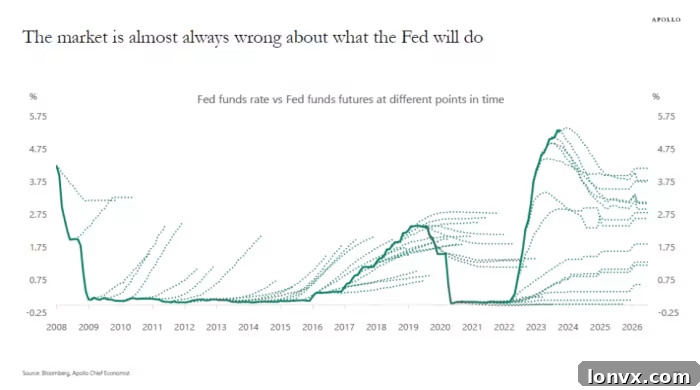
A third, often underestimated, variable to closely watch is the volume of new listings. Any meaningful increase in housing supply, unaccompanied by a commensurate rise in demand, would inevitably shift market conditions decisively in favor of buyers. This imbalance would reintroduce and intensify downward pressure on prices, breaking the current delicate equilibrium. Such a surge in listings could be triggered by various factors, including seller fatigue, financial strain forcing sales, or an acceleration in new construction reaching completion. Therefore, monitoring new listings alongside interest rates will provide a comprehensive view of the market’s evolving dynamics.
The Bottom Line: A Pause, Not a Turning Point
March’s housing data, when viewed holistically, doesn’t signal a definitive turning point for the Canadian real estate market so much as it indicates a protracted pause. The market is currently operating in a state of suspended animation, waiting for clearer signals.
The prevailing dynamics are not driven by a fundamental lack of underlying demand or an overwhelming surge in supply. Instead, the Canadian housing market is primarily being shaped by profound uncertainty surrounding the future cost of capital – namely, mortgage rates. While CREA’s revised outlook suggests that greater clarity might emerge later in the year, allowing for a market resurgence, the current data offers a more circumspect view. So far, the market itself does not appear to be in any hurry to align with such optimistic expectations. The standoff between hesitant buyers and cautious sellers continues, defining a market caught between potential and prevailing uncertainty.