
Navigating the Shifting Tides: An In-Depth Look at the Toronto Housing Market in Q2 2024
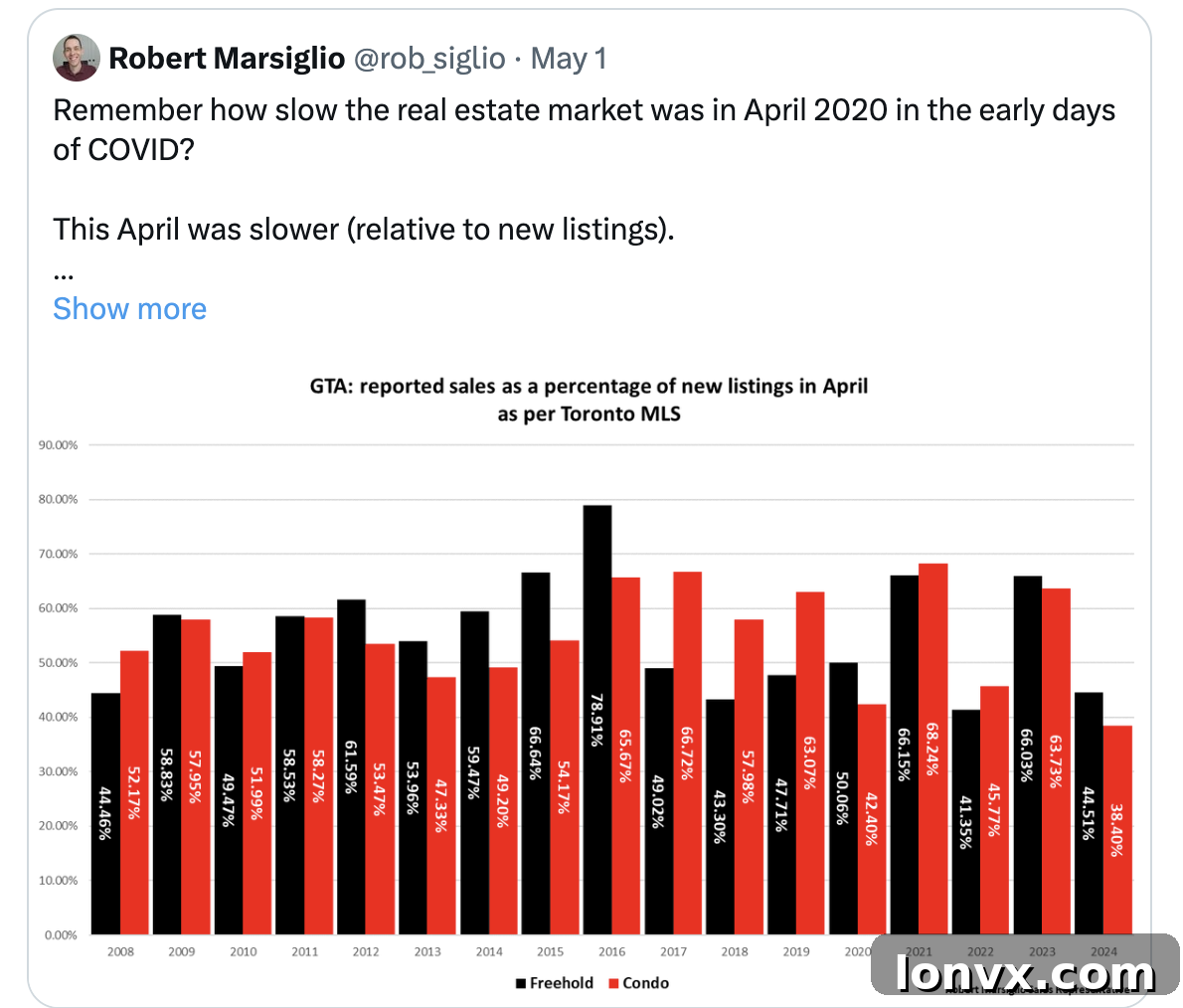
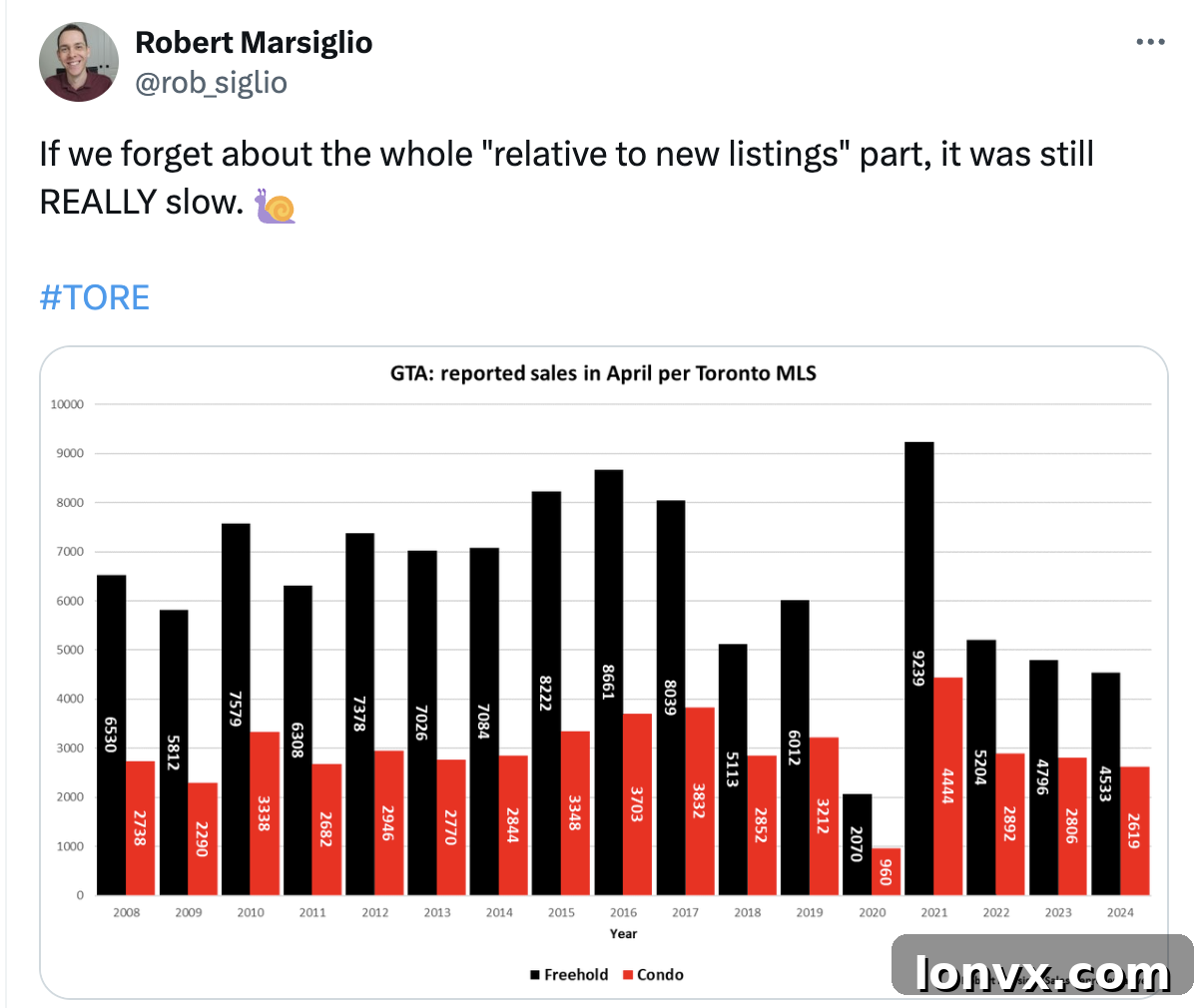
The Toronto housing market, a perennial topic of national discussion, is currently navigating a complex landscape. As we delve into the data from April 2024, it becomes evident that the anticipated “spring market,” often characterized by robust sales and escalating prices, did not materialize as expected. This stands in stark contrast to April 2023, which witnessed one of the most fervent spring markets in Canadian history, marked by significant price growth from January to May.
This year, the Greater Toronto Area (GTA) experienced a noticeable cooling in demand, a trend exacerbated by a substantial year-over-year increase in new listings. This confluence of factors has provided prospective home buyers with a greater array of choices than seen in recent memory, contributing to a relatively stable, even softening, pricing environment. The Toronto Regional Real Estate Board (TRREB) reported a 5% year-over-year decrease in sales, a figure that, while seemingly modest, signals a fundamental shift when juxtaposed with a remarkable 47.2% surge in new listings. This dynamic suggests a market that is increasingly favoring buyers as we transition into the summer months.
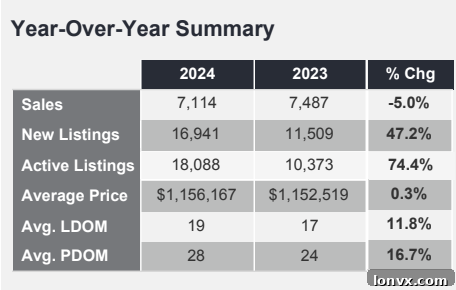
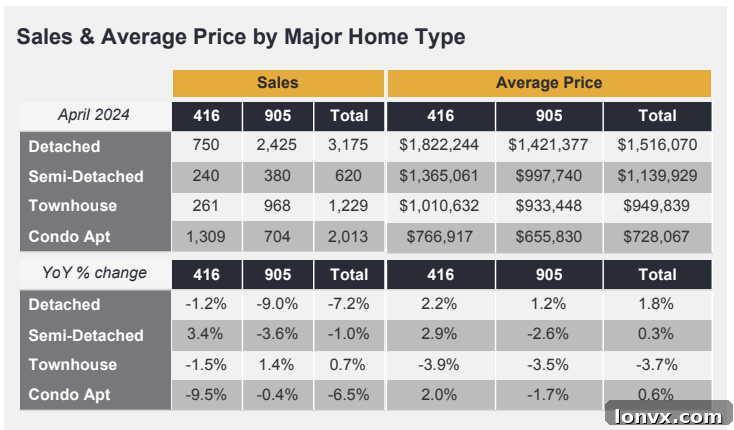
Source: TRREB
The Economic Reality Behind Rate Cuts: A Painful Lesson in Progress
TRREB President Jennifer Pearce offered insights into the surge in new listings, attributing it to homeowners’ initial anticipation of heightened demand during the spring season. However, the market data from April unequivocally indicates that this expected demand failed to materialize. The primary culprits behind this muted buyer enthusiasm are likely the prevailing slowdown in the Canadian economy and the persistent uncertainty surrounding the trajectory of interest rates. Buyers, it seems, are adopting a wait-and-see approach, holding out for a clearer signal from the Bank of Canada regarding potential interest rate cuts before committing to major purchases.
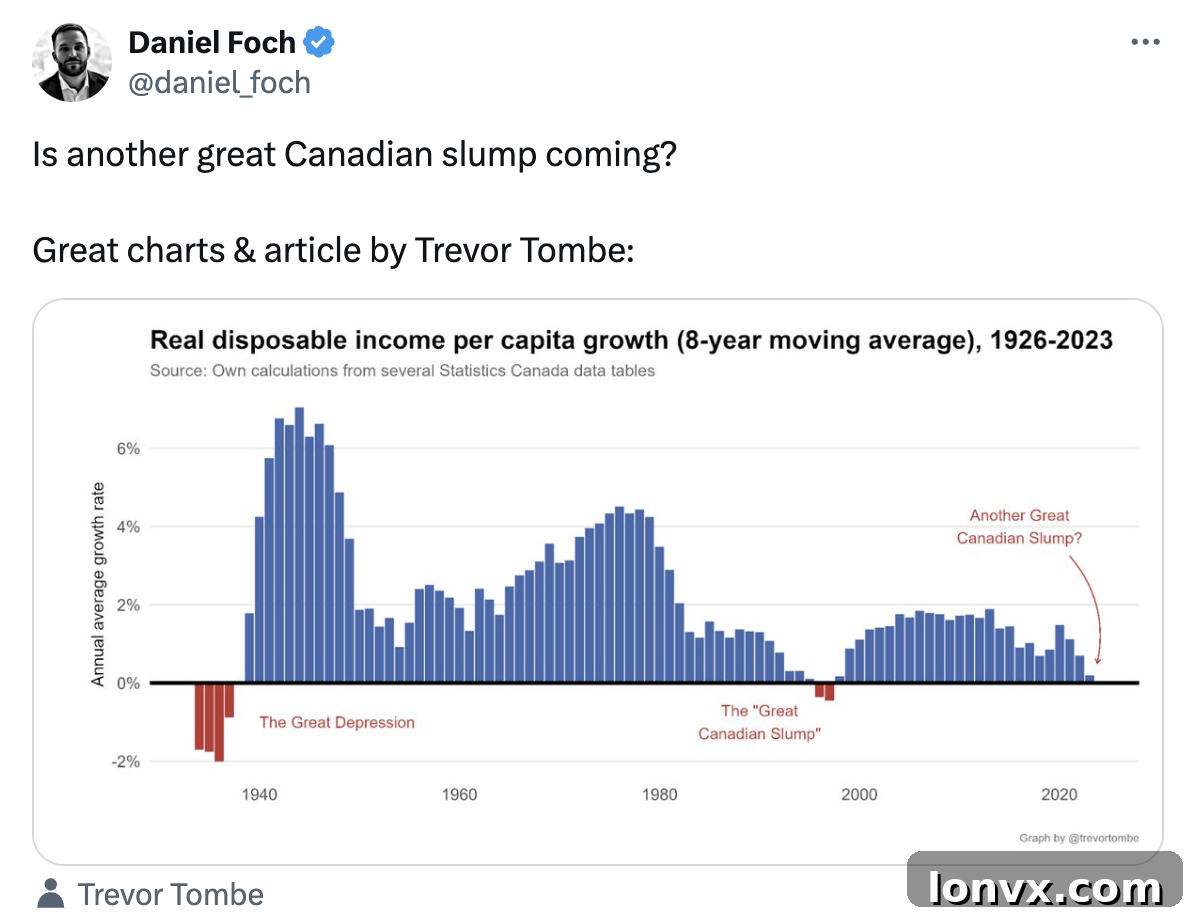
The prevailing sentiment among some analysts is that the Canadian economy is currently grappling with a challenging truth: the conditions that necessitate significant interest rate reductions are often far from desirable. Typically, central banks implement aggressive rate cuts in response to severe economic distress, such as a recession characterized by widespread job losses, plummeting consumer spending, and a contraction in Gross Domestic Product (GDP). Such an environment, while potentially bringing down borrowing costs, simultaneously erodes consumer confidence and financial stability, making large investments like home purchases less appealing or even impossible for many. This highlights a crucial dilemma: while lower rates are desired by potential homebuyers, the economic climate required to achieve them might negate the very benefits they seek.
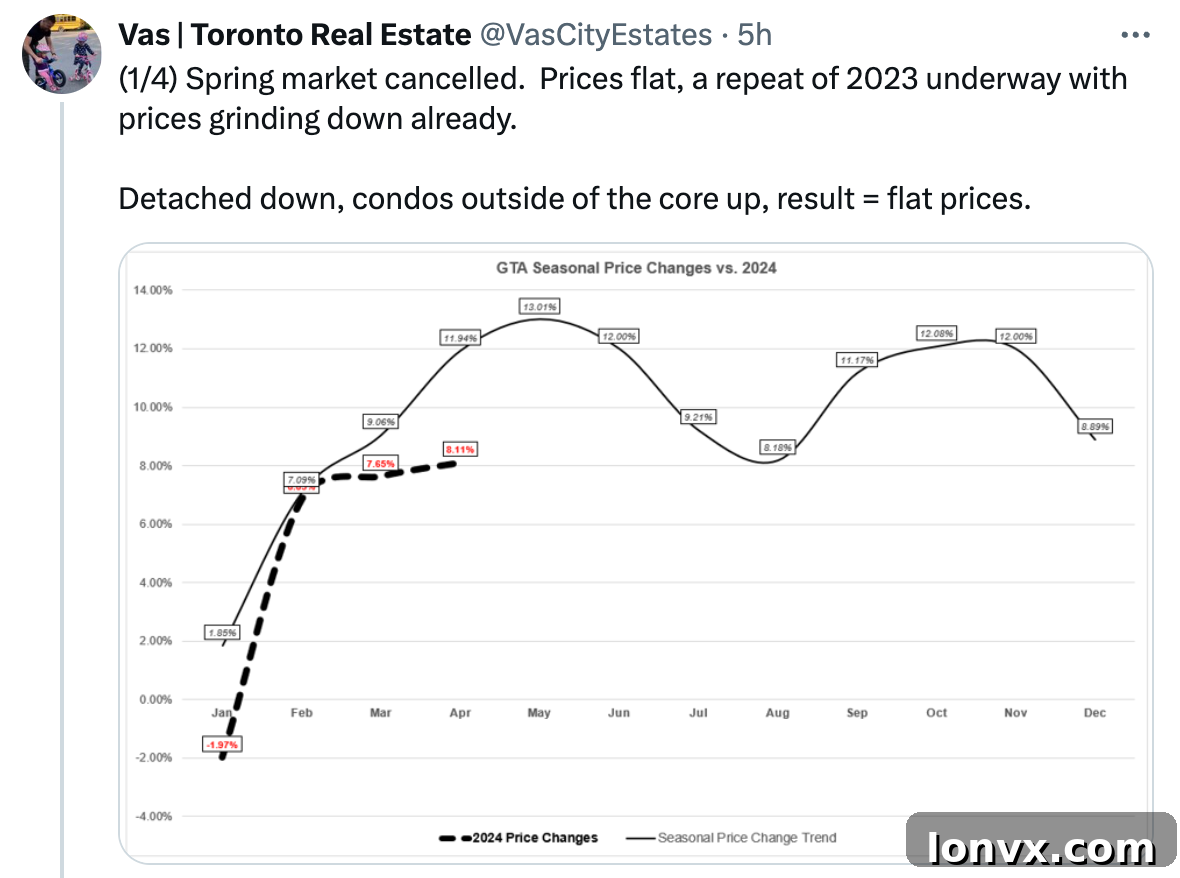
The MLS Home Price Index (HPI) composite benchmark experienced a marginal decline on a year-over-year basis. In contrast, the average selling price across the GTA saw a slight increase, a typical seasonal adjustment observed as prices generally tick upwards from January to May. However, the pace of this increase in 2024 has been noticeably slower and more subdued compared to previous years, underscoring the current market’s hesitancy and reinforcing the narrative of a less aggressive spring.
Jason Mercer, TRREB’s Chief Market Analyst, pointed out that the increased selection in the market has been beneficial for buyers, leading to minimal fluctuations in selling prices when compared to the preceding year. Mercer expressed an expectation for tighter market conditions and a resurgence of price growth in the future, particularly if borrowing costs are reduced. However, this optimistic outlook warrants careful consideration, as the broader economic landscape presents formidable challenges that could delay or even negate such a recovery.
Recessionary Pressures Outweigh Interest Rate Optimism in Moving Market Dynamics
From a macroeconomic perspective, it appears that the formidable headwinds of a potential recession in Canada are exerting a more profound influence on the supply side of the housing market than any speculative optimism about future interest rate cuts is influencing demand. Recessionary fears can compel sellers to list their properties, either due to job insecurity, financial strain, or a desire to liquidate assets before potential market downturns. This push factor significantly increases market inventory. Conversely, buyers, facing job uncertainty, inflation, and high living costs, may defer major investment decisions, regardless of the prospect of slightly lower interest rates in the future. This dynamic suggests that even if the Bank of Canada were to implement modest rate cuts, the underlying economic anxieties might still keep a significant portion of potential buyers on the sidelines, leading to sustained buyer-friendly conditions.
Furthermore, a critical factor looming large for the Canadian housing market is the substantial volume of mortgages scheduled for renewal in 2025 and 2026. Many of these mortgages were originated during periods of historically low interest rates, and borrowers now face the daunting prospect of renewing at significantly higher rates. To truly alleviate the pressure on these homeowners, a staggering reduction of approximately 350 basis points in interest rates would be required. Such a drastic cut seems highly improbable under current conditions and would almost certainly necessitate a severe economic recession—a scenario that, despite its potential to lower borrowing costs, would bring with it immense societal and financial hardship that no one should wish for. The implication is clear: absent a significant economic downturn, many homeowners will continue to face elevated mortgage payments, contributing to potential market instability and further increasing supply as some are forced to sell, thus amplifying recessionary headwinds.
Mercer rightfully underscored the vital importance of cohesive government policies to effectively tackle the persistent challenges of housing affordability and supply. He stressed the imperative of ensuring sufficient housing stock is brought online to accommodate Canada’s projected population growth, while simultaneously managing government expenditures to prevent inflationary pressures. A coordinated, multi-pronged approach across all levels of government—addressing zoning, infrastructure, taxation, and regulatory hurdles—is deemed absolutely crucial for achieving long-term affordability and expanding housing choices for residents across the GTA. Without such alignment, the market risks oscillating between periods of rapid inflation and painful corrections, hindering sustainable growth and exacerbating the existing housing crisis.
The Evolving Landscape of Condominium Markets in Q1 2024
The condominium sector within the GTA, often a bellwether for the broader urban housing market, also presented a nuanced picture in the first quarter of 2024. Amidst a backdrop of record-high condominium completions for the year, the market observed a moderate uptick in sales compared to Q1 2023. However, this growth in sales was considerably overshadowed by an even more significant annual increase in the number of condominium apartment listings. This surge in available units has undeniably shifted the balance of power, empowering buyers with more choices and, predictably, leading to a slight decline in the average selling price of condominiums.
Total condominium apartment sales reached 4,747 units in Q1 2024, marking a 5.3% increase year-over-year. While this growth indicates some level of demand, it pales in comparison to the influx of new inventory. Concurrently, new condominium listings experienced a substantial surge of over 23% during the same period, illustrating a significant expansion of supply onto the market. This widening gap between the growth in listings and the growth in sales is a key indicator of the current buyer-friendly conditions, suggesting that supply is temporarily outpacing demand.
In terms of pricing, the average condominium apartment selling price in the GTA for Q1 2024 stood at $693,754, representing a 1% decrease compared to the first quarter of 2023. Focusing on Toronto proper, which consistently accounts for the lion’s share of condominium transactions, the average selling price was $723,186, reflecting a marginal dip of 0.5% from Q1 2023. These modest declines, while not signaling a drastic crash, do confirm the stabilizing effect of increased supply on prices and represent a departure from the aggressive price appreciation seen in previous years, hinting at a more balanced market.
Toronto’s Condominium Rental Market: More Options, Stabilized Rents
The first quarter of 2024 also brought significant developments to Toronto’s condominium apartment lease market, as detailed by TRREB. Both the number of rental transactions and the volume of available rental listings saw substantial year-over-year increases. This surge in supply has been a welcome development for renters, providing them with considerably more options and, crucially, leading to a stabilization of average rents compared to the previous year’s rapid escalation.
Condominium apartment rental transactions experienced a robust rise of 19.7%, totaling 12,541 leases in Q1 2024. Even more remarkably, rental listings surged by an impressive 51% over the same period. This significant expansion of available rental inventory indicates that the supply of rental units is now better aligning with, or perhaps even temporarily outpacing, the demand from new households and individuals seeking housing in the GTA. This dynamic is a direct result of ongoing construction completions and potentially some investors moving units from the resale market to the rental market amidst uncertainty.
Despite the notable increase in rental supply, the average rent for a one-bedroom condominium apartment in the GTA experienced only a slight dip of 1.2% to $2,441 in the first quarter of 2024. Meanwhile, the average two-bedroom rent remained remarkably stable, holding firm at $3,139. These figures suggest that while the frantic pace of rent increases has abated, underlying demand remains robust enough to prevent significant price drops. The stabilization offers a much-needed reprieve for renters who have faced escalating costs for several years, though affordability remains a significant concern.
Future Outlook: Cautious Optimism Amidst Economic Crosscurrents
Looking ahead, Jason Mercer anticipates a continued absorption of available condominium units, driven by the ongoing growth in the number of new households relocating to or forming within the GTA. He projects that an increasing number of renters will eventually transition into homeownership over the coming year, hypothesizing that this shift will be facilitated by decreasing borrowing costs which could narrow the existing gap between monthly rent and mortgage payments. This projection hinges significantly on the Bank of Canada’s monetary policy and the broader economic performance.
However, this optimistic outlook must be tempered with a recognition of the significant economic crosscurrents at play. While the desire for homeownership remains strong, the path to achieving it is fraught with challenges, including high living costs, potential job market instability, and the sheer magnitude of mortgage payments even with modest rate cuts. The crucial question remains: will the economic conditions truly improve to a point where widespread homeownership becomes genuinely more accessible, or will the “painful lessons” of rate cuts continue to cast a shadow over the market? The interplay between supply, demand, interest rates, and overall economic health will undoubtedly shape the Toronto housing market’s trajectory in the months and years to come, demanding careful observation and strategic adaptation from all participants.
Enjoying this article?
Get the latest REM articles in your inbox 3x week so you stay up to date on the latest in the Canadian real estate industry