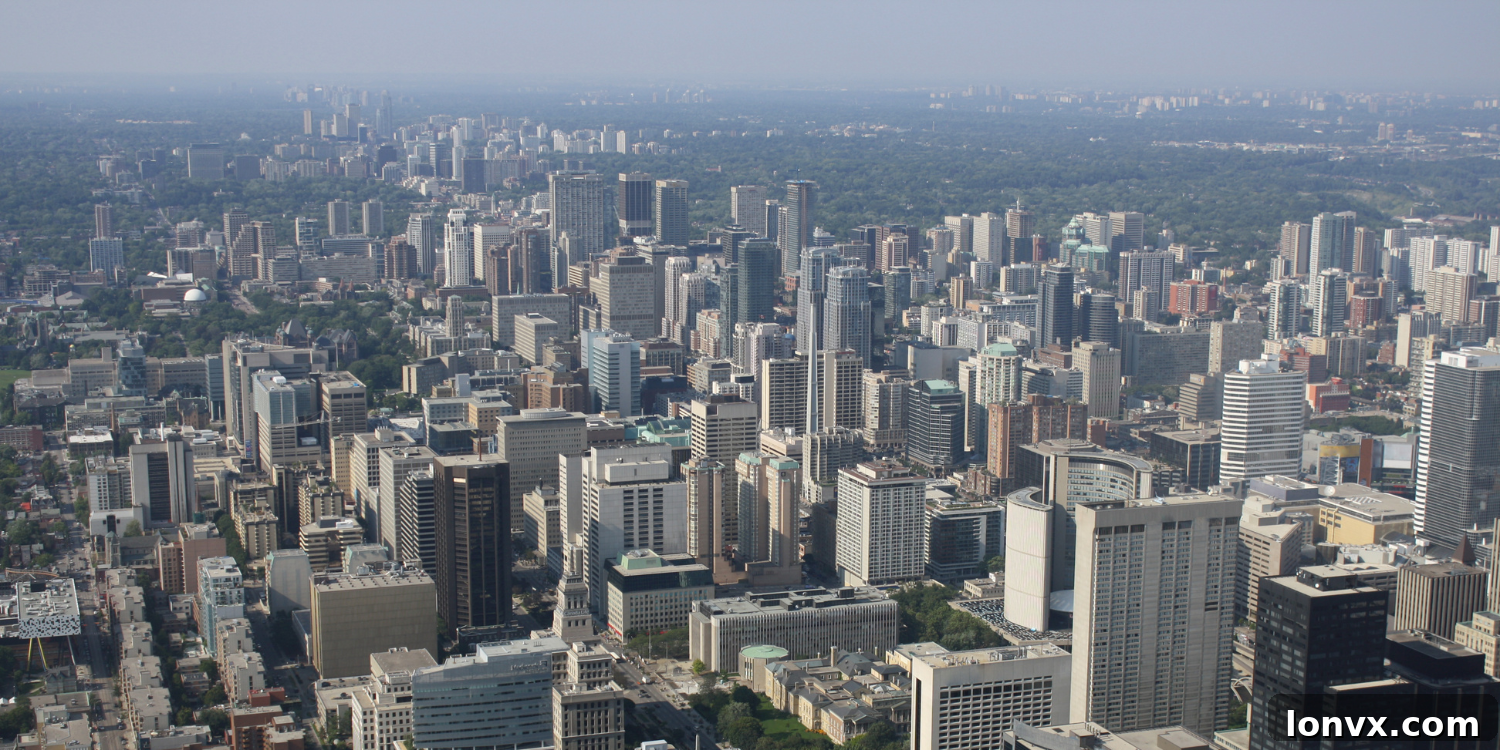
Navigating the GTA Real Estate Market: TRREB’s 2024 Outlook for a Multi-Year Recovery
The Greater Toronto Area (GTA) real estate market is poised for a significant shift, according to the Toronto Regional Real Estate Board’s (TRREB) comprehensive 2024 Market Outlook and Year in Review report. This insightful document, presented as an interactive digital digest, offers a deep dive into the anticipated trends and challenges facing one of Canada’s most dynamic housing markets. Beyond just numbers, the report explores the intricate layers of the real estate landscape, from emerging patterns in new homes and condominiums to a critical assessment of the commercial sector’s performance within the region.
Drawing on robust Ipsos consumer polling data, the outlook provides invaluable insights into the home buying and selling intentions of GTA residents for 2024. This consumer perspective is meticulously interwoven with TRREB’s expert analysis of key market indicators, including home sales volumes, the influx of new listings, average property prices, and overarching market drivers. Critical macroeconomic factors such as prevailing interest rates, the unparalleled pace of population growth fueled by immigration, and the remarkable resilience of the local employment market are all meticulously examined to paint a holistic picture of what lies ahead for homeowners, prospective buyers, and investors alike in this vibrant urban centre.
2024: The Dawn of a “Multi-Year Recovery” for GTA Real Estate
Jason Mercer, TRREB’s chief market analyst, articulates a cautiously optimistic vision for the coming year, forecasting the genesis of a sustained upward trend. “Demand for ownership housing in the GTA will start improving in 2024,” Mercer states. He points to a confluence of powerful demographic and economic forces set to underpin this recovery. Record-breaking population growth, primarily driven by robust immigration policies, continues to exert immense pressure on housing supply across all segments of the market. Coupled with a remarkably resilient economy that has demonstrated its ability to weather various shocks, and persistently low unemployment rates, the foundational elements for increased housing demand are firmly in place within the Greater Toronto Area.
A pivotal catalyst for this anticipated rebound is the expectation of declining mortgage rates in the latter half of the year. This projected easing of borrowing costs is anticipated to significantly alleviate some of the financial burdens that have constrained buyer activity in recent times. Consequently, TRREB projects a noticeable increase in home sales compared to the more subdued performance observed in 2023. This upward trajectory, however, is not expected to be a sudden surge but rather the calculated commencement of a “multi-year recovery” – a gradual, yet sustained, improvement in market conditions as affordability slowly improves and consumer confidence returns.
Mercer cautions that despite the anticipated decline in borrowing costs, significant affordability challenges will persist for many households. The journey towards a fully accessible housing market is a protracted one, requiring sustained efforts from all stakeholders. First-time homebuyers, in particular, will continue to face hurdles in saving for down payments and navigating mortgage stress tests, even with slightly lower interest rates. Crucially, as demand inevitably picks up pace, the market’s ability to respond hinges on a corresponding rebound in the supply of homes for sale. Furthermore, a substantial uptick in new home construction across the GTA will be paramount to prevent a widening gap between demand and available inventory, which could otherwise stifle the nascent recovery and exacerbate existing affordability issues, potentially leading to renewed price appreciation.
Key Market Outlook Highlights: Projections and Consumer Sentiment in the GTA
TRREB’s 2024 outlook provides concrete projections that offer a clearer understanding of the market’s anticipated performance. The board forecasts a total of 77,000 home sales across the Greater Toronto Area for the year. This figure, while representing a notable increase from 2023, reflects a gradual recovery rather than a return to the frenetic pace of pre-interest rate hike years. It suggests a more balanced market emerging, though still leaning towards a seller’s advantage given current supply constraints. Parallel to sales volume, the average selling price across all home types in the GTA is projected to reach an impressive $1,170,000. Should this forecast materialize, it would mark the second-highest average price ever recorded in the region’s history, underscoring the enduring value and investment appeal of real estate in the GTA, even if it remains below the peak levels observed in early 2022.
Beyond sales and prices, the Ipsos polling data integrated into the report offers vital insights into the psychological landscape of potential buyers and sellers. The data reveals a consistent overall interest in home purchases compared to the previous year, with 28 percent of respondents indicating they are considering buying a home in 2024. This sustained interest suggests an underlying desire for homeownership that remains strong despite market fluctuations, economic headwinds, and the prolonged period of higher interest rates. It indicates that aspirations for property ownership are deeply ingrained within the region’s population. However, a more granular examination of the data shows a slight decrease in the proportion of respondents expressing a high likelihood to purchase. This nuance is critical, as it highlights lingering uncertainty and caution among potential buyers, possibly attributed to ongoing affordability concerns, a cautious economic outlook, or the lingering effects of higher interest rates that have recalibrated purchasing power for many.
On the supply side, the report identifies a continuing and significant challenge for the Toronto real estate market. The percentage of homeowners likely to list their properties for sale in 2024 has decreased by 2 percent compared to 2023. This decline in potential new listings, set against a backdrop of increasing demand, underscores the persistent struggle with inventory availability. A tight supply market can lead to renewed upward pressure on prices, making the “multi-year recovery” more complex and potentially further straining affordability for buyers. This imbalance between demand and supply is a recurring theme in the GTA market and continues to be a primary driver of its unique characteristics, influencing everything from bidding wars in desirable neighborhoods to the rapid appreciation of property values.
The TRREB report extends its scope beyond purely economic indicators, delving into the profound repercussions of the housing crisis on the broader well-being of residents. It emphasizes the detrimental effects on mental and physical health, painting a stark picture of how housing precarity impacts quality of life, increases stress, and reduces overall societal health outcomes. This human element underscores the urgent and undeniable need for a substantial increase in housing supply across the region. The report explicitly links this urgency to the record population growth experienced in the GTA, largely driven by robust immigration policies. Accommodating this burgeoning population responsibly and sustainably necessitates a strategic, comprehensive, and immediate focus on building more homes across all segments of the market, ensuring that housing development keeps pace with demographic shifts.
A Resounding Call to Action: Moving Beyond “Band-Aid Solutions” for GTA Housing
The leadership at TRREB is vocal in its plea for more thoughtful and effective policy interventions, urging governments at all levels to move beyond short-term fixes that often exacerbate existing problems. Jennifer Pearce, TRREB president, articulates this sentiment forcefully: “In the wake of a growing population, policymakers cannot lose sight of planning ahead, and avoid applying band-aid solutions that often result in larger issues than the problems they are attempting to solve.” This statement highlights a critical flaw in past approaches, where reactive measures have failed to address the root causes of the housing crisis, leading to unintended and often more severe consequences, such as further driving up prices or stifling diverse housing options.
Pearce’s call for proactive planning emphasizes the need for foresight and strategic development, considering the long-term demographic and economic trajectory of the Greater Toronto Area. This includes comprehensive land-use planning that unlocks more suitable land for development, efficient and streamlined approval processes that reduce delays and costs for builders, and a resolute commitment to creating diverse housing options that cater to the varied needs of a rapidly expanding populace. The focus should shift from merely reacting to market pressures to actively shaping a sustainable and equitable housing future for the GTA, one that anticipates future demand rather than scrambling to catch up.
Further amplifying these sentiments, TRREB CEO John DiMichele stresses the absolute urgency of accelerating housing supply. DiMichele advocates for a multi-pronged approach that not only focuses on increasing the sheer volume of homes but also provides targeted support for specific buyer segments. A key measure he champions is relief on upfront land transfer taxes for first-time homebuyers. Such financial assistance could significantly reduce the initial barriers to entry, making homeownership a more achievable dream for those struggling to save for a down payment and cover substantial closing costs in the high-priced GTA market. This policy would empower a crucial segment of the market, helping to foster intergenerational wealth and stability.
DiMichele also reiterates TRREB’s long-standing advocacy for prioritizing “missing middle” housing. This category of housing, which includes duplexes, townhouses, triplexes, and small-scale apartment buildings, bridges the gap between single-family detached homes and high-rise condominiums. “Prioritizing ‘missing middle’ housing will provide more diverse and affordable housing options – something we have long called for,” says DiMichele. He emphasizes that this approach is crucial for creating more attainable ownership and rental opportunities, addressing the diverse needs of young families, single professionals, and downsizing seniors who may find traditional housing types out of reach. This strategy is also vital for fostering more vibrant, walkable communities that are less reliant on sprawling developments.
The overarching message from TRREB leadership is one of collaborative responsibility. DiMichele concludes by stating, “All levels of government need to work together and ensure the right incentives are in place for developers to build more housing across the spectrum.” This highlights the complexity of the housing crisis, acknowledging that no single level of government can solve it alone. It requires coordinated efforts, aligning policies, streamlining regulations, and offering appropriate incentives to stimulate construction across all housing types and price points. The goal is to foster an environment where developers are encouraged and empowered to build the homes the GTA desperately needs, rather than being bogged down by red tape and disincentives.
Economic Tailwinds and Headwinds: Deeper Dive into GTA Market Drivers
The TRREB outlook for 2024 is heavily influenced by a delicate balance of economic factors. On the one hand, the “resilient economy” and “low unemployment” act as significant tailwinds, bolstering consumer confidence and providing a stable financial base for potential homeowners. A strong job market ensures that more individuals have the income necessary to service mortgages, even if interest rates remain elevated. The diverse economic landscape of the GTA, encompassing robust sectors like technology, finance, healthcare, and advanced manufacturing, provides a degree of insulation against downturns in any single industry, contributing to overall stability and job creation.
However, the rapid population growth, while a crucial driver of demand, also presents its own set of challenges. While it injects vitality into the economy and labor force, it simultaneously places immense pressure on existing infrastructure and public services, including transportation, healthcare, and critically, housing. The pace of new construction has historically struggled to keep up with this exponential growth, leading to persistent supply deficits that underpin much of the affordability crisis. Understanding this dynamic is crucial for interpreting TRREB’s projections – the market isn’t just reacting to interest rates; it’s also grappling with fundamental demographic shifts that require long-term strategic planning.
The expected decline in mortgage rates in the second half of 2024 is perhaps the most eagerly anticipated market driver. Higher borrowing costs have been a significant deterrent for many prospective buyers, eroding affordability and leading to a considerable cooling period in 2023. A reduction in these rates, even a modest one, could unlock pent-up demand, making monthly mortgage payments more manageable and qualifying for financing easier for a broader segment of the population. This anticipated shift is central to TRREB’s projection of increased sales activity and the beginning of the multi-year recovery, signaling a potential return of confidence to the borrowing landscape.
Addressing Affordability Challenges: A Multifaceted Approach for the GTA
Affordability remains the paramount concern for many in the GTA. Even with a projected multi-year recovery and easing interest rates, the average selling price of $1,170,000 means that traditional homeownership is out of reach for a substantial portion of the population. The TRREB report implicitly calls for a multifaceted approach to address this systemic issue. Beyond simply increasing supply, solutions must include targeted financial assistance for first-time buyers, as championed by DiMichele, which could take the form of grants, shared equity programs, or land transfer tax relief.
Furthermore, the emphasis on “missing middle” housing is a direct response to the affordability crisis. By providing diverse housing types that are inherently more affordable than detached homes, the market can better cater to the needs of young families, single professionals, and downsizing seniors. This also involves revisiting antiquated zoning regulations and urban planning strategies to allow for higher density in established neighborhoods, thereby making more efficient use of existing land and infrastructure and reducing the pressure to build outwards into greenbelts.
The call for proactive planning extends to ensuring that new developments are not just numerous but also thoughtfully integrated within existing communities, with convenient access to public transit, schools, healthcare facilities, and essential local services. A holistic approach to housing affordability recognizes that it’s not just about the sticker price of a home, but also about the total cost of living, including transportation, childcare, and everyday expenses in a high-cost urban environment like the Greater Toronto Area. Addressing these interconnected issues is vital for creating truly affordable and sustainable communities.
The Road Ahead: A Collaborative Imperative for Toronto’s Housing Future
The TRREB 2024 Market Outlook serves as more than just a forecast; it is a critical diagnostic tool and a blueprint for action. The challenges facing the GTA real estate market – persistent affordability issues, critical supply shortages, and the pressures of unprecedented population growth – are profound and complex. However, the report also instills a sense of optimism, suggesting that 2024 could indeed mark a turning point, signaling the initial phase of a robust multi-year recovery, provided the right strategies are implemented.
Achieving this recovery, and more importantly, building a sustainable and equitable housing market for all GTA residents, hinges on a collaborative imperative. The concerted efforts of all levels of government (federal, provincial, and municipal), coupled with the innovation and efficiency of developers, and the active engagement of community stakeholders, will be essential. By adopting proactive planning strategies, implementing thoughtful and streamlined policy reforms, and investing strategically in diverse housing solutions, the GTA can navigate the complexities of its real estate landscape and build a future where housing is accessible, secure, and contributes positively to the well-being of everyone who calls this dynamic region home.
For a complete understanding of TRREB’s comprehensive analysis and detailed projections, the full report is available here.
Enjoying this article?
Get the latest insights and analysis on the Canadian real estate industry delivered directly to your inbox three times a week. Stay informed and ahead of the curve.
While we don’t have a direct signup form here, you can typically find subscription options on the publisher’s website for their real estate news and updates.