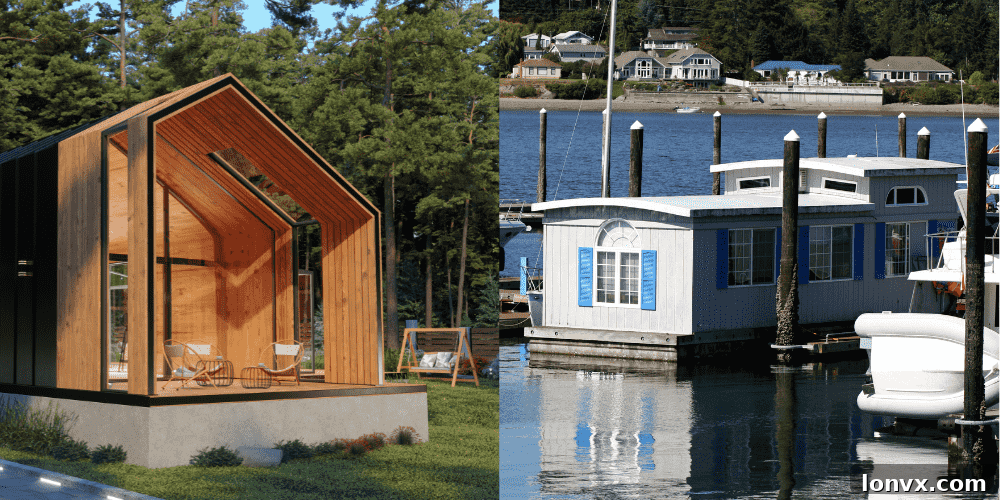
Selling Unique Properties: Expert Real Estate Strategies for Distinctive Homes
In the dynamic landscape of real estate, many properties, despite variations in size, shape, and aesthetic, often present a familiar sight on the market. Their basic layouts and common features can sometimes lead to a sense of déjà vu for prospective buyers. However, seasoned real estate agents occasionally encounter a truly extraordinary listing – a home that breaks the mold, offering unique features, an unconventional design, or a distinctive lifestyle proposition.
Such a property might boast remarkable portability, an unbelievably low price point for its sheer scale, or an architectural style unlike anything else in the area. When presented with the exciting opportunity to represent one of these special homes, adopting your usual sales approach is unlikely to yield optimal results. Unlike conventional residences, unique properties attract a more specialized buyer pool and possess inherent characteristics that demand a bespoke, innovative selling strategy.
To empower you through this exhilarating challenge, we’ve meticulously gathered invaluable insights and actionable tips from some of the industry’s top real estate agents. These proven strategies are designed to help you effectively showcase the singular charm and intrinsic value of these one-of-a-kind homes, ensuring a successful and rewarding sale. Let’s explore the tailored approaches required for three distinct types of unique properties.
Tiny Houses: Maximizing Charm and Efficiency in Compact Living
As their name suggests, tiny houses are small dwellings, typically ranging from a cozy 60 square feet to a more spacious 500 square feet. Beyond their diminutive size, these homes are celebrated for their remarkable cost-efficiency, energy savings, and ingenious use of space. They are also incredibly budget-friendly; for instance, some tiny homes in Ontario have recently been listed for as low as $69,000, presenting an accessible entry point into homeownership.
Who Are the Ideal Target Buyers for Tiny Houses?
- Budget-Conscious Homebuyers: Individuals or couples seeking an affordable path to homeownership, especially in markets where traditional housing is prohibitively expensive.
- Rent-Weary Tenants: Those who are tired of escalating rental costs and are eager to invest in their own equity rather than paying off a landlord’s mortgage.
- Environmentalists and Minimalists: Buyers committed to reducing their ecological footprint, embracing sustainable living, and adopting a decluttered, intentional lifestyle.
- First-Time Homebuyers: Young professionals or individuals looking to enter the housing market without the burden of a large mortgage.
- Individuals Seeking Flexibility: Those desiring a portable home, either on wheels or easily transportable, for a nomadic or semi-nomadic lifestyle.
- Downsizers and Retirees: Older adults looking to simplify their lives, reduce maintenance, and free up capital for travel or other pursuits.
Effective Strategies for Selling Tiny Houses:
1. Emphasize Its Unique Value Proposition: Affordability, Efficiency, and Freedom
The primary selling points of tiny homes are their exceptional affordability and energy efficiency. These benefits must be at the forefront of your marketing narrative. Consider a scenario where you are addressing a tenant disillusioned with perpetual rent increases:
Imagine selling a tiny home in a bustling market like Toronto, where a compact property can be secured for under $100,000. Start by presenting compelling market data illustrating the average asking rent for even a small condominium apartment, which can be remarkably high. Then, draw a sharp contrast: rather than committing around $2,400 monthly for a condo in Toronto, or settling for a $2,000 rental in Barrie (as reported for August by rentals.ca), your prospective buyer could purchase this tiny house. With a modest 5.0 percent down payment, estimated monthly mortgage payments could hover around $500, allowing them to build substantial equity and secure a more stable financial future.
Similarly, quantify the energy savings with clear figures. Highlight that while a normal-sized house typically consumes an average of 26-33kW of power daily, a tiny home requires only about 3-4kW. This significant reduction in energy consumption directly translates to substantial savings on utility bills, appealing strongly to both budget-conscious and environmentally aware buyers. Furthermore, frame the tiny home as a gateway to financial freedom and a simpler, less cluttered lifestyle.
2. Transform Compact Space into a Design Advantage
A common apprehension among potential tiny home buyers is the perceived limitation of square footage. Kamal Pillai, an experienced realtor in Ontario specializing in tiny homes, stresses, “The main concern buyers often have is the limited space. Therefore, sellers must go above and beyond to demonstrate that the home is thoughtfully designed to maximize every single square inch.”
This can be achieved by showcasing ingenious space-saving solutions and smart design elements within the home. For instance, highlight features such as:
- Multi-functional Furniture: Examples include fold-out kitchen tables that double as workspaces, sofa beds for guest accommodation, and modular storage units.
- Built-in Storage Solutions: Emphasize integrated shelving, under-stair drawers, loft storage, and hidden compartments that keep the living area clutter-free.
- Vertical Space Utilization: Showcase high ceilings with storage lofts or elevated sleeping areas that free up floor space.
- Strategic Lighting and Windows: Highlight large windows and skylights that flood the interior with natural light, creating a sense of openness and connecting residents with the outdoors.
It’s crucial to present the tiny home not as merely small, but as a triumph of efficient design and intelligent living, where every element is intentional and contributes to a comfortable, functional, and aesthetically pleasing environment. Professional photography and virtual tours that demonstrate the home’s versatility are invaluable here.
3. Price the Home Correctly with Expertise
Unlike traditional homes, tiny houses often lack extensive historical sales data, making their appraisal and pricing more intricate. To set a fair and competitive price, a thorough and nuanced approach is required:
- Calculate Construction Costs: Begin by meticulously tallying the total cost of construction, including materials, labor, specialized components (e.g., custom cabinetry, renewable energy systems), and any professional design fees.
- Estimate Value of Unique Features: Assign value to bespoke design elements, high-end appliances, mobility features (if applicable), and sustainable technologies like solar panels or rainwater harvesting systems.
- Assess Local Market Demand: Research the current demand for tiny homes within the specific neighborhood, region, or nearby tiny home communities. Are there comparable sales, even if limited? Understanding what buyers are currently willing to pay in similar markets is critical.
- Consider Land Value: If the tiny house includes land, assess its value separately. For mobile tiny homes, consider the value added by access to desirable parking or community amenities.
- Engage Specialized Appraisers: Be prepared to work with appraisers who have experience with non-traditional properties. Their expertise can be crucial in accurately valuing these unique assets.
The aim is to position the tiny home attractively in its niche market, ensuring it appeals to the right buyers while reflecting its true value and construction quality.
Houseboats: Experience the Unique Serenity of Waterfront Living
Indeed, homes on the water, universally known as houseboats, form a captivating segment of the Canadian housing market. For many owners, the decision to purchase a houseboat represents one of the most transformative and enriching lifestyle choices they have ever made. A houseboat is fundamentally a vessel meticulously designed or expertly modified to serve primarily as a living space, rather than for traditional transportation.
Some individuals embrace year-round houseboat living, cherishing the ever-changing, breathtaking views of the water every single day. Others utilize them as idyllic vacation homes, providing a tranquil escape and a direct connection to nature. This unique form of dwelling offers a lifestyle unparalleled by land-based properties, blending the comforts of home with the allure of aquatic adventure.
Who Are the Ideal Target Buyers for Houseboats?
- Nature Lovers and Water Enthusiasts: Individuals deeply passionate about marine environments, fishing, kayaking, paddleboarding, and waking up to the sounds of the water.
- Homebuyers on a Budget (in specific markets): In certain areas, a houseboat can offer a more affordable route to waterfront property ownership compared to conventional land-based homes with similar views or access.
- Real Estate Investors: Houseboats in popular tourist destinations can generate significant income as unique and desirable vacation rentals, appealing to travelers seeking memorable experiences.
- Individuals Seeking a Unique Lifestyle: Those looking for an unconventional, peaceful, and often community-oriented living experience that diverges from traditional housing norms.
- Minimalists and Adventurers: Buyers who appreciate a simpler life, enjoy constant connection to nature, and value mobility or access to different waterways.
- Retirees: Seeking a tranquil environment, reduced upkeep compared to larger homes, and the freedom to potentially relocate their home.
Effective Strategies for Selling Houseboats:
1. Present a Spotless and Charming Marine Sanctuary
First impressions are critical, perhaps even more so when selling a houseboat. Advise the seller to perform a comprehensive deep-clean of every nook and cranny of their houseboat before inviting potential buyers. Pay meticulous attention to key areas:
- Kitchen and Bathrooms: These areas should be immaculately clean, sparkling, and free of any dampness or odors. Consider fresh caulking and ensuring all fixtures are gleaming.
- Interior Staging: Declutter all personal items. Use minimal, tasteful marine-themed decor to enhance the ambiance without overcrowding the space. Ensure all fabrics (cushions, curtains) are clean and fresh.
- Exterior Appeal: Address any aesthetic imperfections. If saltwater exposure has led to rusty metal hulls, a fresh coat of marine-grade paint is essential. Ensure decks, railings, and windows are spotless and well-maintained. Clean the bilge area and ensure no visible debris.
- Engine Room: Even if not the primary focus, a clean and organized engine room suggests diligent maintenance.
The goal is to present a clean, charming, and impeccably maintained vessel that feels like a ready-to-move-in aquatic haven, inviting buyers to envision their life on the water.
2. Ensure Impeccable Safety and Regulatory Compliance
Beyond visual appeal, the structural integrity, operational safety, and legal compliance of a houseboat are non-negotiable considerations for buyers. It is paramount to proactively address any major safety concerns:
- Professional Marine Survey: Mandate a comprehensive survey by a certified marine surveyor. This expert assessment should cover the hull (for leaks, corrosion, damage), engine and propulsion systems, electrical and plumbing systems, heating/cooling, fuel tanks, and all structural components. A clean, up-to-date survey report instills significant buyer confidence.
- Documentation and Permits: Verify that all necessary permits, registrations, licensing (both for the vessel and its mooring/dockage), and insurance documents are current, readily available, and transferable to a new owner. Buyers need assurance of legal compliance.
- Maintenance Records: Provide a detailed history of all maintenance, repairs, and upgrades. This demonstrates responsible ownership and proactive care, assuring buyers of the houseboat’s condition.
- Safety Equipment: Confirm that all required safety equipment, such as life jackets, fire extinguishers, flares, carbon monoxide detectors, and navigation lights, are present, fully functional, and meet regulatory standards.
- Environmental Considerations: Highlight compliant waste disposal systems and any eco-friendly features to appeal to environmentally conscious buyers.
Transparency regarding the houseboat’s condition and compliance will build immense trust and significantly smooth the sales process.
3. Strategically Market for Peak Seasons and Lifestyle Appeal
Timing can profoundly influence the sale of a houseboat. In Canada, the prime selling season typically extends from late May to early October. This period coincides with warmer weather, increased outdoor activities, and heightened public interest in water-based recreation. Showcasing the property during this peak boating season allows potential buyers to experience the unique houseboat lifestyle firsthand – imagining serene summer evenings on the deck, refreshing morning swims, or leisurely cruises.
However, it’s also beneficial to consider year-round marketing. For houseboats designed for four-season living, emphasize the cozy winter experience, highlighting robust insulation, efficient heating systems, and the unique beauty of winter water views. Utilize professional, high-quality photography and videography that captures the houseboat’s charm and the beauty of its surrounding water in various seasons. Additionally, emphasize the unique community aspect often found in houseboat marinas and leverage online platforms that specialize in marine property sales to reach a targeted audience.
Cottage Homes: The Quintessential Retreat and Savvy Investment
The term “cottage” traditionally evokes images of a charming, cozy, and often rustic dwelling, typically situated in a picturesque rural or countryside setting. These properties are synonymous with relaxation, escape, and a profound connection to nature, serving as cherished havens from urban bustle. While many cottages across Canada are primarily designed for enjoyment during the warmer months, functioning as seasonal getaways, there is a substantial and growing market for four-season cottages, which offer year-round comfort and habitability, often equipped with robust insulation and heating systems.
Who Are the Ideal Target Buyers for Cottage Homes?
- Second Home-Buyers: Individuals or families seeking a recreational property for weekend escapes, family vacations, and a refreshing change of scenery from their primary residence.
- Vacation Rental Investors: Entrepreneurs looking to capitalize on the lucrative short-term rental market, particularly in popular tourist regions, generating passive income.
- Retirees: Seeking a peaceful, slower-paced lifestyle during their golden years, either as a full-time residence or a comfortable seasonal retreat.
- Remote Workers and Digital Nomads: Professionals desiring a tranquil, inspiring environment away from urban centers, empowered by flexible work arrangements and high-speed internet access.
- Families Seeking Legacy Properties: Buyers interested in a multi-generational asset that can be passed down, creating lasting family memories and serving as a long-term investment.
- Nature Enthusiasts: Those who prioritize proximity to hiking trails, lakes, forests, skiing resorts, or other outdoor recreational opportunities.
Effective Strategies for Selling Cottage Homes:
1. Highlight the Investment Potential and Lifestyle Enrichment
For prospective recreational property buyers, underscoring the robust investment potential is a highly compelling motivator. A recent Re/Max report, for example, projected that Ontario cottages are expected to see significant price increases in 72 percent of recreational markets this year, with potential value surges reaching up to 33 percent. Furthermore, as interest rates stabilize or gradually decline, both the price and demand for recreational properties, including cottages, are widely anticipated to surge.
Sharing these compelling market statistics provides a strong, data-backed rationale for making an investment move now. Beyond the financial gains, emphasize the unparalleled lifestyle benefits that a cottage offers:
- Ultimate Escape and Relaxation: The unparalleled opportunity to disconnect from urban stress, recharge, and reconnect with nature.
- Family Gatherings and Memories: A dedicated, idyllic space for creating cherished, lasting memories with family and friends across generations.
- Access to Outdoor Activities: Direct proximity to lakes for swimming and boating, extensive hiking trails, skiing slopes, or other beloved recreational pursuits.
- Rental Income Opportunity: Clearly explain how the property can generate substantial passive income through short-term rentals when not in personal use, offsetting ownership costs and boosting ROI.
Position the cottage not merely as a property, but as a wise investment in both quality of life and future financial prosperity.
2. Stage for the Dream: Create an Irresistible Retreat
The very word “cottage” immediately conjures images of rustic charm, warmth, and inviting comfort. Prospective buyers arrive with these romanticized expectations, and it is crucial to meet and exceed them. Ensure the cottage is meticulously prepared to convey the essence of a perfect, idyllic getaway:
- Impeccable Interior Appeal: Rooms should be tidy, thoroughly decluttered, and furnished with neatly arranged pieces that maximize both space and comfort. Fresh linens, plump cushions, and cozy throws can significantly enhance the inviting, lived-in atmosphere. Consider adding touches like local artwork or crafts.
- Spotless Cleanliness: Ensure impeccably clean windows that allow abundant natural light to flood the interior, shining kitchen counters, and spotless, fresh-smelling bathrooms. Every surface should gleam.
- Commanding Exterior Curb Appeal: A well-maintained exterior is paramount. This includes a freshly trimmed lawn, vibrant blooming flowers or carefully maintained garden beds, neatly swept pathways, and a welcoming porch area furnished with comfortable seating. For a winterized cottage, a neatly stacked woodpile can add significant rustic charm.
- Enhanced Ambiance: During viewings, subtle, pleasant scents (such as pine, vanilla, or fresh baking), soft, warm lighting, and perhaps the gentle crackle of a fireplace (if applicable and safe) can create an unforgettable, sensory experience that resonates deeply with buyers.
- Highlight Unique Features: Draw attention to any specific cottage features like a private dock, lakeside access, a fire pit, a screened porch, or unique architectural elements.
Every single detail should contribute to painting a vivid picture of an idyllic retreat, making it effortless for buyers to envision their perfect cottage life and emotional connection to the property.
Successfully selling unique properties demands a deliberate departure from conventional real estate tactics. By deeply understanding the distinct appeal and specific requirements of tiny houses, houseboats, and charming cottage homes, and by diligently implementing these carefully thought-out, planned, and targeted strategies, real estate agents can significantly adapt their sales approach. This not only ensures a timely and profitable transaction but also masterfully connects these truly special homes with the discerning buyers who genuinely appreciate and seek their one-of-a-kind charm, value, and the unique lifestyle they offer.
Enjoying this article?
Get the latest REM articles in your inbox 3x week so you stay up to date on the latest in the Canadian real estate industry