Unlock Homeowner Savings: Strategic Upgrades to Reduce Insurance Premiums and Boost Property Value
As a dedicated real estate professional, your role extends far beyond merely facilitating transactions. You are a trusted advisor, guiding clients through one of the most significant investments of their lives. A crucial aspect of this guidance involves helping them make informed decisions that not only enhance their property’s appeal and market value but also deliver tangible long-term financial benefits. One frequently overlooked yet incredibly impactful area is advising homeowners on strategic upgrades that can significantly reduce their home insurance premiums, all while bolstering the property’s safety, resilience, and overall desirability.
In today’s dynamic housing market, where the cost of living and homeownership continues to rise, providing insights into potential savings is invaluable. Home insurance premiums can be a substantial ongoing expense, and many homeowners are unaware that proactive improvements can directly lead to significant discounts. By understanding and sharing these key upgrades, you empower your clients to transform their homes into safer, more efficient, and ultimately more affordable places to live. This not only strengthens your relationship with them but also positions you as an indispensable resource in their homeownership journey. Drawing insights from leading real estate and insurance resources, let’s explore ten pivotal home improvements that can lead to lower insurance costs and greater peace of mind for your clients, helping them save money while improving their most valuable asset. The real estate experts at Zoocasa have also highlighted many of these crucial points for homeowners.
1. Fortify Your Home with Advanced Security Systems
One of the most effective ways homeowners can reduce their insurance premiums is by investing in a robust, modern security system. Insurers view comprehensive security as a direct reduction in risk against theft, vandalism, and other property-related crimes. Encourage your clients to consider systems that go beyond basic alarms, incorporating features such as professional monitoring, strategically placed surveillance cameras (both interior and exterior), motion detectors, and smart locks that offer remote access control. Furthermore, integrated detectors for fire and carbon monoxide significantly enhance safety, providing early warning systems that can prevent catastrophic damage and protect lives. Many insurance providers offer substantial discounts for homes equipped with monitored systems, as they indicate a proactive approach to risk management. Advising clients on the benefits of these systems—from deterring criminals and providing peace of mind to potentially speeding up emergency response times—showcases your commitment to their property’s long-term security and financial well-being.
2. Invest in a Superior, Weather-Resistant Roof
The roof is your home’s first line of defense against the elements, and its condition is a major factor in determining insurance premiums. An old, damaged, or poorly maintained roof presents a significant risk for water damage, structural issues, and costly claims. Suggest to clients the importance of upgrading to a durable, weather-resistant roofing system. This is particularly crucial in regions prone to severe weather events, such as the intense rainstorms of British Columbia, the heavy snowfalls of Quebec, or the hailstorms prevalent in parts of Ontario and Alberta. Materials like impact-resistant shingles (e.g., Class 4 shingles), metal roofing, or tile roofing can withstand harsh conditions far better than standard asphalt shingles. These materials not only extend the lifespan of the roof and reduce the likelihood of leaks but also demonstrate to insurers that the home is built to withstand environmental challenges, often qualifying for notable premium reductions. A new, robust roof also significantly boosts curb appeal and resale value, making it a wise investment from multiple perspectives.
3. Enhance Protection with Storm Shutters or Impact-Resistant Windows
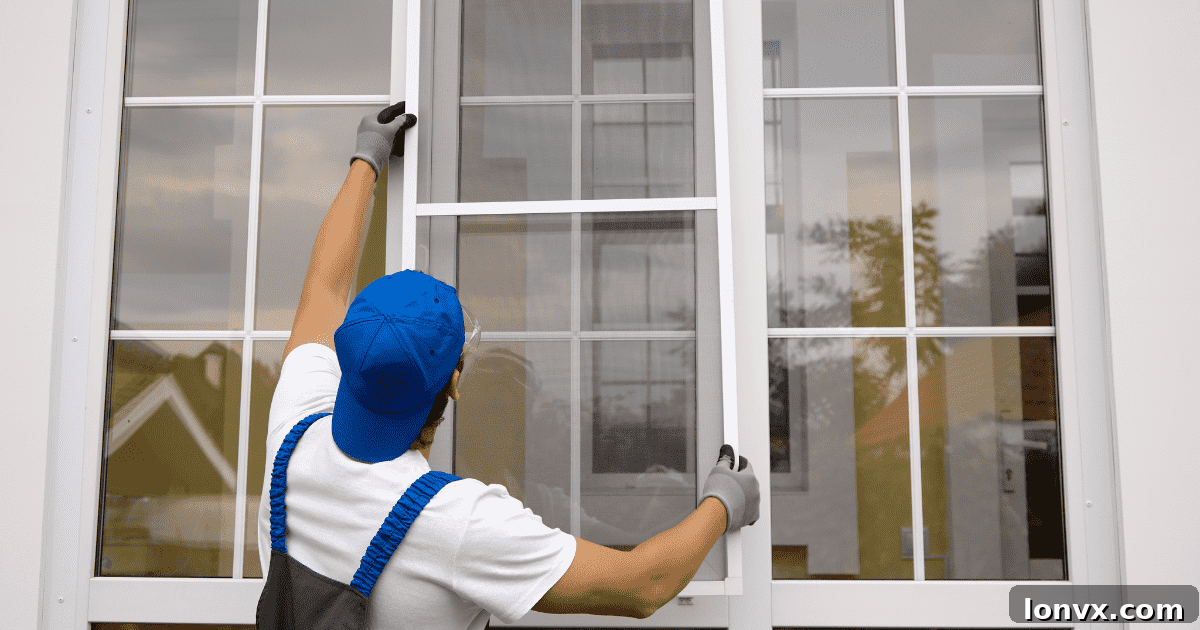
For clients residing in areas frequently affected by severe weather—be it hurricane-force winds, heavy snowstorms, or hail—installing storm shutters or impact-resistant windows is an exceptionally smart upgrade. These fortifications act as a crucial barrier, protecting the interior of the home from flying debris, high winds, and water intrusion during extreme weather events. Impact-resistant windows are designed with laminated glass that remains intact even if struck, preventing external elements from entering and causing extensive damage. Storm shutters, available in various forms such as accordion, roll-down, or panel styles, provide an additional layer of protection that can be deployed when a storm threatens. Insurance companies recognize these proactive measures as significant risk mitigators, often rewarding homeowners with reduced premiums, especially for wind damage coverage. Beyond the financial savings, these upgrades offer invaluable peace of mind during storm season, ensuring the safety of occupants and the preservation of the property, ultimately safeguarding their investment.
4. Modernize Electrical Wiring and Plumbing Systems
Outdated electrical wiring and plumbing systems are silent hazards that can lead to devastating fires and extensive water damage, respectively. This is an especially critical concern for older homes, where original systems might not meet current safety standards or could be nearing the end of their functional lifespan. Advise your clients to consider having their electrical wiring professionally inspected and upgraded, moving away from dangerous setups like knob-and-tube or aluminum wiring to modern copper wiring. Similarly, old plumbing, particularly galvanized or polybutylene pipes, is prone to leaks, bursts, and corrosion. Upgrading to PEX or copper piping drastically reduces the risk of water damage claims. Insurers are acutely aware of the risks posed by archaic systems and often offer premium incentives for homes with updated, code-compliant electrical and plumbing. By addressing these foundational elements, homeowners not only reduce their risk of costly damage and subsequent claims but also enhance the overall safety and efficiency of their property, improving its marketability.
5. Implement Whole-House Power Surge Protection
In our increasingly digitized world, homes are filled with sensitive electronics and smart appliances that are vulnerable to power surges. These surges, whether caused by lightning strikes, utility grid fluctuations, or even the cycling of large appliances within the home, can fry expensive electronics and damage delicate electrical systems, leading to significant repair or replacement costs. A whole-house power surge protector installed at the main electrical panel offers comprehensive protection, diverting excess voltage away from household devices. This single upgrade can safeguard everything from refrigerators and HVAC systems to computers and entertainment centers, preventing costly property damage and the need for insurance claims. Insurers appreciate this proactive step in protecting a home’s valuable contents and electrical infrastructure, often resulting in potential discounts on coverage. Educating clients on the simplicity and cost-effectiveness of this upgrade can save them considerable expense and inconvenience in the long run, making their home more resilient.
6. Incorporate Fire-Resistant Building Materials
The choice of building materials plays a crucial role in a home’s susceptibility to fire, and consequently, its insurance premiums. Encouraging clients to utilize fire-resistant materials in renovations or new construction can significantly mitigate fire risks. Non-combustible siding options such as brick, stone, stucco, or fiber cement board offer superior fire protection compared to traditional wood siding. Similarly, investing in fire-resistant insulation, fire-rated drywall (Type X), and roofing materials with high fire ratings (e.g., Class A asphalt shingles or metal roofing) can dramatically slow the spread of fire, providing precious time for occupants to evacuate and for firefighters to respond. By reducing the potential for extensive fire damage, these materials make a property a lower risk in the eyes of insurance companies. This proactive approach not only leads to potential premium reductions but also enhances the safety profile of the home, offering residents greater protection and peace of mind.
7. Upgrade to Modern, Energy-Efficient Heating Systems
Outdated or poorly maintained heating systems are a leading cause of residential fires and can also be inefficient, contributing to higher utility bills. Recommend to your clients the benefits of upgrading to modern, energy-efficient heating systems, such as high-efficiency natural gas furnaces, electric heat pumps, or even geothermal systems. These contemporary units come equipped with advanced safety features, reducing the risk of fire hazards, carbon monoxide leaks, and other malfunctions associated with older equipment. Beyond the enhanced safety, modern heating systems are significantly more energy-efficient, translating into substantial monthly savings on utility costs. Insurers often view homes with updated, safe, and efficient heating systems as lower risk, which can positively influence insurance rates. Guiding clients towards these upgrades highlights your understanding of both immediate cost savings through energy efficiency and long-term savings via reduced insurance premiums, while also improving the home’s environmental footprint.
8. Install a Sump Pump or Backflow Valve for Water Protection
Water damage, particularly from basement flooding or sewage backups, is one of the most frequent and costly types of home insurance claims. For clients living in flood-prone areas, properties with basements, or regions experiencing heavy rainfall, installing a sump pump or a backflow valve is an indispensable upgrade. A sump pump effectively removes excess groundwater that accumulates around the foundation, preventing it from entering the basement and safeguarding electrical systems, finished living spaces, and personal belongings. A backflow valve, on the other hand, prevents sewage from backing up into the home through drainpipes during heavy rain or municipal sewer issues. These preventative measures significantly reduce the risk of extensive water damage claims, which are often expensive and can lead to higher future premiums. Many insurance companies recognize the value of these installations and may offer specific discounts or better terms on water damage coverage for homeowners who have them in place, showcasing a commitment to comprehensive property protection.
9. Consider the Ultimate Fire Defense: Residential Sprinkler Systems
While less common in existing homes, for properties in high-risk fire zones or for clients undertaking extensive renovations or new construction, installing a residential fire sprinkler system represents the ultimate defense against fire. These systems are designed to activate rapidly at the first sign of fire, releasing water directly onto the blaze and often controlling or even extinguishing it before firefighters arrive. The ability of sprinklers to contain fires early drastically mitigates property damage, reduces the risk of injury or fatality, and minimizes the scope of potential insurance claims. Insurers offer some of their most substantial discounts for homes equipped with these life-saving systems, acknowledging the dramatic reduction in risk they provide. Educating clients on the unparalleled protection and significant long-term insurance savings offered by fire sprinklers can differentiate your advice and provide an invaluable layer of safety for their investment, making their home more attractive and secure.
10. Prioritize Consistent and Proactive Property Maintenance
While not a one-time “upgrade” in the traditional sense, consistent and proactive property maintenance is arguably one of the most effective strategies for preventing avoidable damage, minimizing insurance claims, and ultimately keeping premiums low. Advise clients that regular upkeep, such as clearing gutters and downspouts of debris to prevent water overflow and foundation damage, trimming overhanging tree branches to mitigate storm damage, and inspecting the roof for minor repairs, are all crucial. Beyond these, ensuring proper drainage around the foundation, regularly checking appliances and HVAC systems for wear, and sealing cracks in the foundation or exterior are vital steps. A well-maintained property not only boasts superior curb appeal and demonstrates pride of ownership but also presents a significantly lower risk profile to insurers. By avoiding minor issues from escalating into major claims, homeowners protect their no-claim bonuses and maintain favorable insurance rates. Emphasize that proactive maintenance is an ongoing investment in their home’s longevity and their financial health.
By diligently advising your clients on these strategic home upgrades, you transcend the traditional role of a real estate professional, positioning yourself as a comprehensive guide who genuinely prioritizes their best interests and long-term financial security. These improvements are not merely expenses; they are astute investments that not only lead to tangible reductions in home insurance costs but also significantly enhance a home’s safety, energy efficiency, appeal, and marketability. In a competitive real estate landscape, providing such valuable, actionable insights gives your listings a distinct competitive edge and fosters unparalleled trust with your clientele. Empower your clients to build not just better homes, but also a more secure and cost-effective future.
Enjoying this article?
Get the latest real estate articles and industry insights delivered directly to your inbox 3x a week. Stay informed and ahead of the curve in the Canadian real estate industry!