
The real estate landscape of the Greater Toronto Area (GTA) is undergoing a monumental transformation, challenging traditional perceptions of property value and opening up unprecedented opportunities for homeowners, real estate agents, and developers alike. In recent years, sweeping zoning changes have redefined what’s possible on single-family lots, paving the way for everything from independent garden suites to multi-family dwellings. This fundamental shift means that the true worth of a property today might be vastly different from what it was just a few years ago. Understanding this evolving potential is no longer an advantage; it’s a necessity for anyone looking to maximize their real estate transactions in this dynamic market.
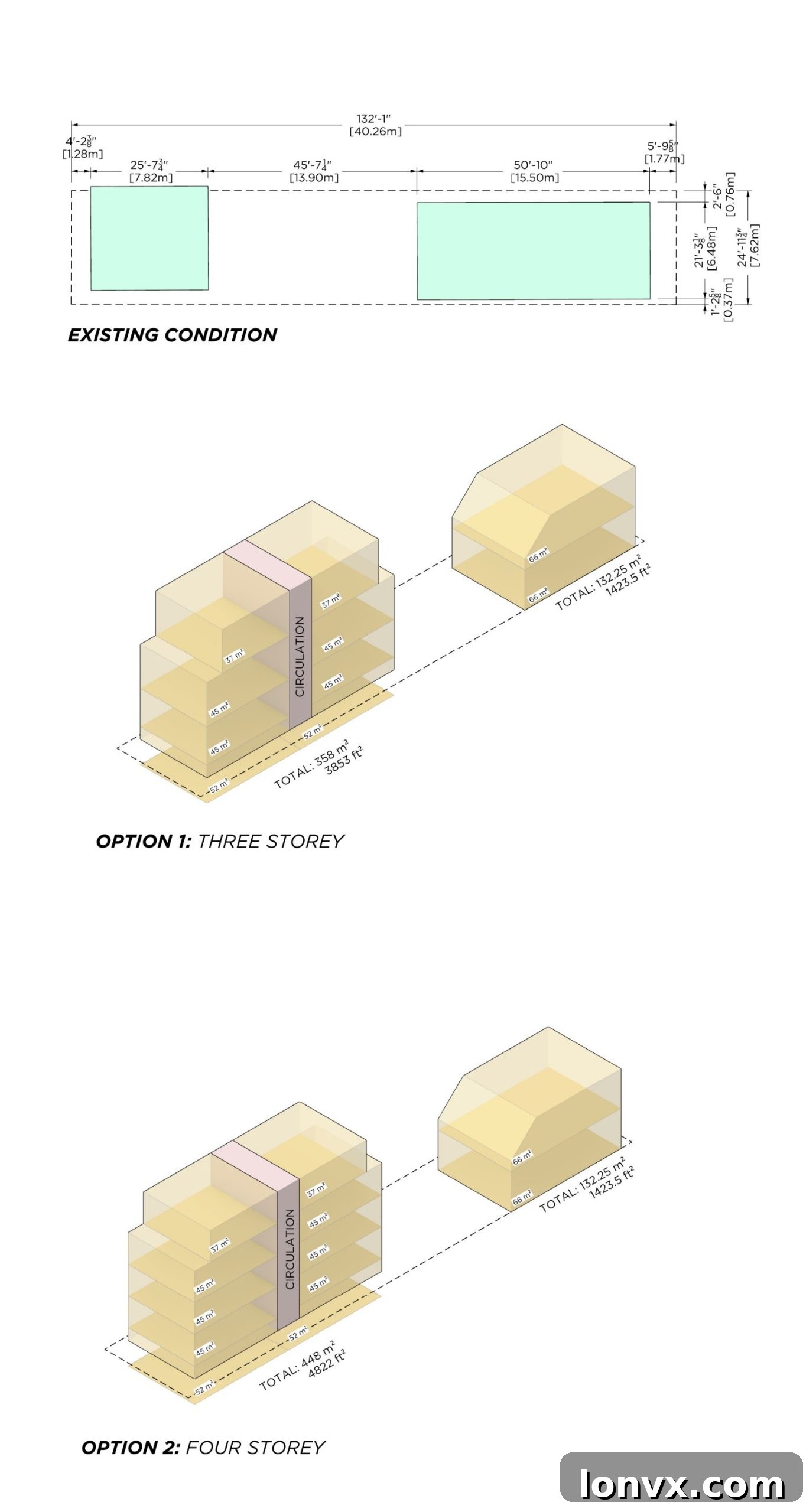
Mark Heinrichs of NP Zoning Consultants in Toronto emphasizes this critical pivot. “What does this all mean?” he asks. “The government, through both zoning reform and direct incentives, is actively encouraging the development of multi-family housing on what are currently single-family lots.” This proactive stance from government bodies is designed to address the pressing housing affordability crisis by increasing housing supply across the region. Consequently, the product being sold in today’s market is often far more versatile and valuable than many realize, making it imperative for sellers and real estate professionals to grasp the new development potential inherent in these properties.
Source: NP Zoning Consultants
Unlocking Hidden Value: Why Many Sellers Overlook Their Property’s Full Potential
Despite these significant policy shifts, a considerable portion of homeowners remains unaware of their properties’ enhanced potential. Heinrichs points out a striking statistic: “According to the Toronto Regional Real Estate Board and housing stock data from Statistics Canada, 65 to 70 percent of homeowners in the GTA purchased their properties prior to 2018. This is when the zoning changes really started taking effect. This represents a massive quantity of potential sellers who are fundamentally unaware of the true potential of their property.”
This knowledge gap creates a disparity in perceived value. A long-time homeowner might view their property as a charming bungalow valued at, say, $1.2 million. However, a developer, armed with an understanding of the latest zoning regulations, might see that same plot as a prime development site capable of accommodating a multi-family dwelling, potentially worth $2.1 million or more. The difference is staggering and represents a significant missed opportunity for sellers and a challenge for real estate agents trying to secure listings and maximize client returns.
This is precisely where NP Zoning Consultants steps in. Specializing in Zoning Approved Architectural Permissions (ZAAP) reports, the firm aims to bridge this informational divide. Heinrichs, who holds a Masters of Architecture from the University of Toronto (2019) and founded his company in 2023, explains that ZAAP reports “synthesize current zoning information for a property and educate both seller and buyer on where, how and what can be built on this property, down to the square foot.” The objective is clear: “Our aim is to provide the data to prove that difference to your sellers (so they list with you) or your buyers so they bid with confidence.” By equipping clients with comprehensive, actionable data, NP Zoning Consultants empowers them to make informed decisions that reflect the property’s true, modern-day market value.
A Decade of Transformative Zoning Reform and Strategic Incentives in the GTA
The evolution of zoning in the GTA has been rapid and far-reaching over the past decade, a deliberate effort to address the region’s housing crisis by fostering greater density and diverse housing options. Heinrichs provides a chronological overview of these pivotal zoning changes:
- 2018 – Laneway Suites: This marked the beginning of increased flexibility, allowing for secondary dwelling units to be built in rear yards, accessible via a public laneway. This provided new rental income opportunities for homeowners and added density to existing neighborhoods.
- 2021 – Parking Requirements Reduced: A significant move to support sustainable transit and reduce development costs. Relaxed parking minimums made it easier and more cost-effective to build new housing, especially in transit-rich areas.
- 2022 – Garden Suites: Expanding on the laneway suite concept, garden suites allowed for detached accessory dwelling units in rear yards even without laneway access, further increasing the potential for secondary rental units.
- 2023 – Multi-plexes: A game-changer, permitting the development of duplexes, triplexes, and fourplexes in areas previously zoned exclusively for single-family homes. This dramatically expanded the opportunities for multi-family housing development.
- 2024 – Avenues and Mid-Rise Update: Focusing on major arterial roads, this update facilitates the development of mid-rise buildings along “avenues,” creating more housing and commercial spaces in well-connected corridors.
- 2025 – Six-plexes as of Right: The upcoming change to allow six-unit dwellings “as of right” on residential lots represents a major push towards increasing housing density without requiring lengthy rezoning applications, simplifying the development process considerably.
Beyond zoning amendments, governments have also introduced a suite of incentive programs to stimulate development and reduce financial barriers:
- 2023 – Housing Accelerator Fund: A federal initiative providing funding to municipalities that implement strategies to boost housing supply and fast-track development approvals.
- 2023 – Removal of Taxes on New Purpose-Built Rentals: Eliminating the GST on new rental construction was a critical measure to encourage developers to build more dedicated rental housing.
- 2024 – Apartment Construction Loan Program: Offering low-cost financing for rental housing projects, further reducing the financial hurdles for developers.
- 2025 – Housing Design Catalogue and Development Charge Waiver: The catalogue aims to streamline design and approval processes for standardized housing types, while development charge waivers can significantly lower the upfront costs for certain types of new construction, making projects more viable.
These combined efforts paint a clear picture: the GTA is deliberately shifting its urban planning to foster higher density, more diverse housing options, and a more accessible path to development. This regulatory environment is precisely why understanding a property’s potential for multi-family housing is paramount.
A Market Shift, Not a Market Slowdown: The Savvy Realtor’s Advantage
The current economic climate, marked by rising interest rates and affordability challenges, often leads to a perception of a real estate market slowdown. However, Mark Heinrichs offers a nuanced perspective. He acknowledges the “massive pressure on governments to alleviate housing costs,” stemming from the reality that “the GTA still has more people than homes,” despite immigration reform.
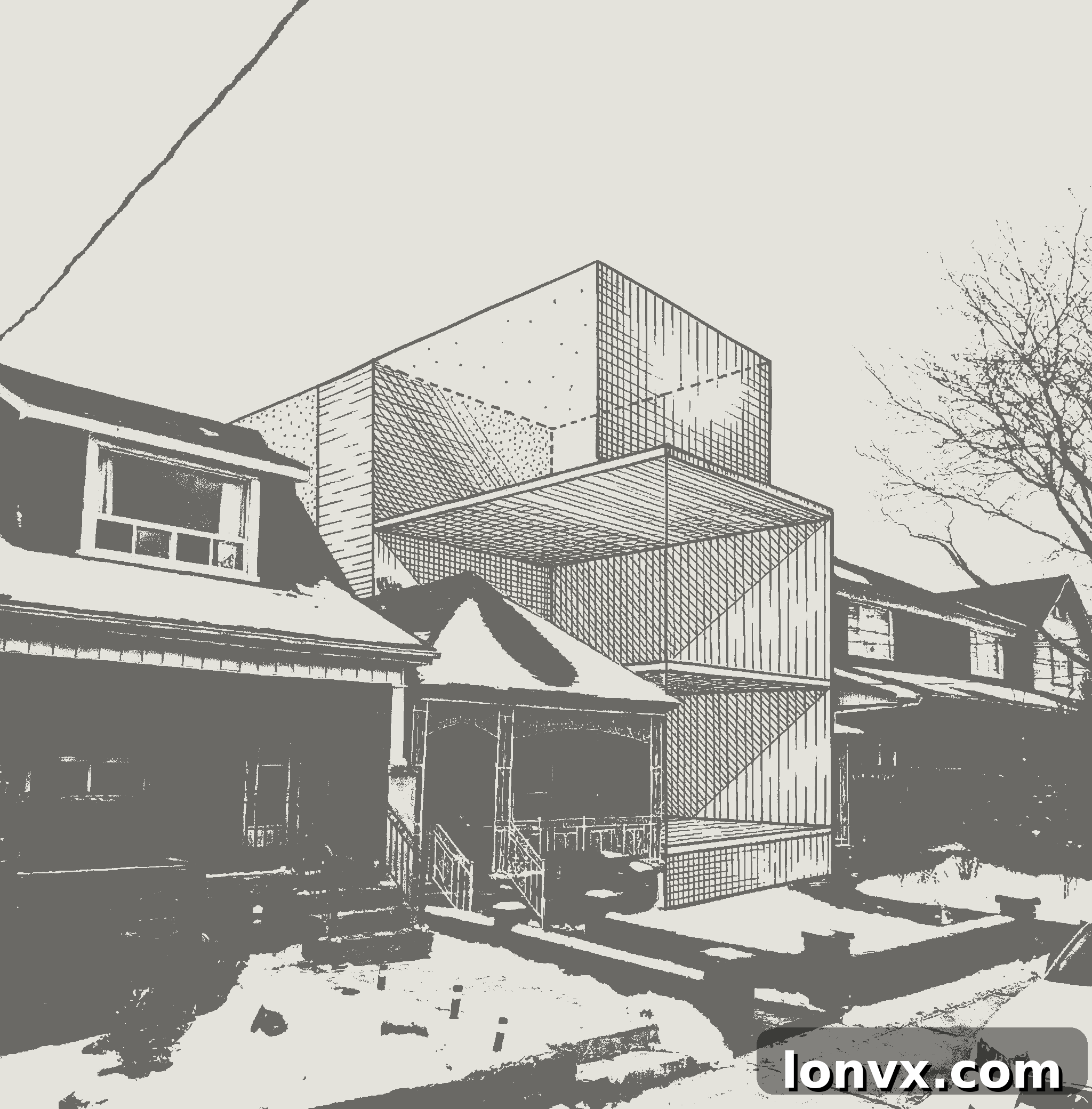
He cautions against a simplistic interpretation: “The average agent might view these realities as indicative of a prolonged down period — people can’t afford homes, there is economic uncertainty.” While these factors are real, Heinrichs argues that this viewpoint misses the larger opportunity. “This isn’t necessarily the case if you view these properties as potential sites for the development of multi-family housing. What it can mean for the savvy realtor is merely a pivot in how you are thinking about the product you are selling.”
Source: NP Zoning Consultants
For forward-thinking real estate professionals, this isn’t a market to fear, but one to strategically capitalize on. By understanding the underlying development potential of properties, agents can redefine their value proposition, attracting more sellers and commanding higher prices. This insight allows them to present homes not just as residences, but as valuable development parcels, appealing to a much broader pool of potential buyers, including those with investment and development objectives.
A ‘Win-Win-Win’ for Sellers, Agents, and Developers
NP Zoning Consultants’ value-added service creates a truly synergistic outcome for all parties involved. Heinrichs describes it as a “win-win-win” scenario:
- For Sellers: Armed with a ZAAP report, a seller can confidently increase their asking price, aligning it with the property’s maximum development potential rather than just its existing structure. This translates directly into a higher return on their investment.
- For Agents: A higher selling price naturally leads to a higher commission, directly benefiting the real estate agent. More importantly, agents who can provide this level of detailed analysis establish themselves as invaluable experts, gaining a significant competitive edge and attracting more sophisticated clients. They become advisors on true property potential, not just marketers of existing homes.
- For Buyers and Developers: A ZAAP report provides crucial clarity and confidence. Developers, in particular, gain a detailed understanding of how a property can be developed under existing zoning, often without the need for costly and time-consuming rezoning applications. This pre-packaged information significantly reduces their initial legwork, due diligence costs, and overall project risk. “The developer is pleased because they didn’t have to do as much legwork on finding a development site,” Heinrichs notes.
The ZAAP report itself is a concise, yet comprehensive, summary that details all permissible changes based on existing zoning. This crucial information streamlines a process that can otherwise be prohibitively costly and time-consuming for developers. Moreover, NP Zoning Consultants prioritizes transparency; if a preliminary analysis indicates a project isn’t worthwhile, the property owner is informed upfront. However, Heinrichs reports that this is rarely the case, with nine out of ten assessments revealing significant untapped potential.
From Bungalow to Six-Plex: A Concrete Example of Maximized Potential
To illustrate the tangible benefits of this approach, Heinrichs shares a compelling case study from Toronto’s Cedarvale neighbourhood. A 1,200-square-foot bungalow was listed for sale, but its agent recognized the need to uncover its full modern-day value. They engaged NP Zoning Consultants, whose analysis revealed the property’s remarkable potential.
The ZAAP report determined that, through a well-executed plan, the existing bungalow could be replaced with a substantial 6,500-square-foot six-plex, complete with an additional laneway suite. This transformation drastically increased the density and, therefore, the inherent value of the land. “The information enticed a number of builders to bid on the house,” Heinrichs proudly states. This concrete example demonstrates how a clear understanding of zoning and development potential can turn a seemingly ordinary residential listing into a highly attractive development opportunity, drawing in competitive bids and securing a premium sale price.
NP Zoning Consultants currently services the Greater Toronto Area, with the majority of its clients situated within Toronto due to intense development pressures and the city’s proactive zoning reforms. Having already assisted between 75 to 100 clients, the company is actively planning to expand its services to other strategic locations experiencing similar urban growth and evolving zoning landscapes. The investment in a ZAAP report is also accessible, with prices ranging from $500 to $6,000, and a typical comprehensive zoning report costing approximately $2,000. This relatively small investment can unlock hundreds of thousands, if not millions, in increased property value, making it an essential tool for navigating the modern GTA real estate market.