Mastering Real Estate Signage: Avoiding Common Mistakes for Effective Property Marketing and Lead Generation
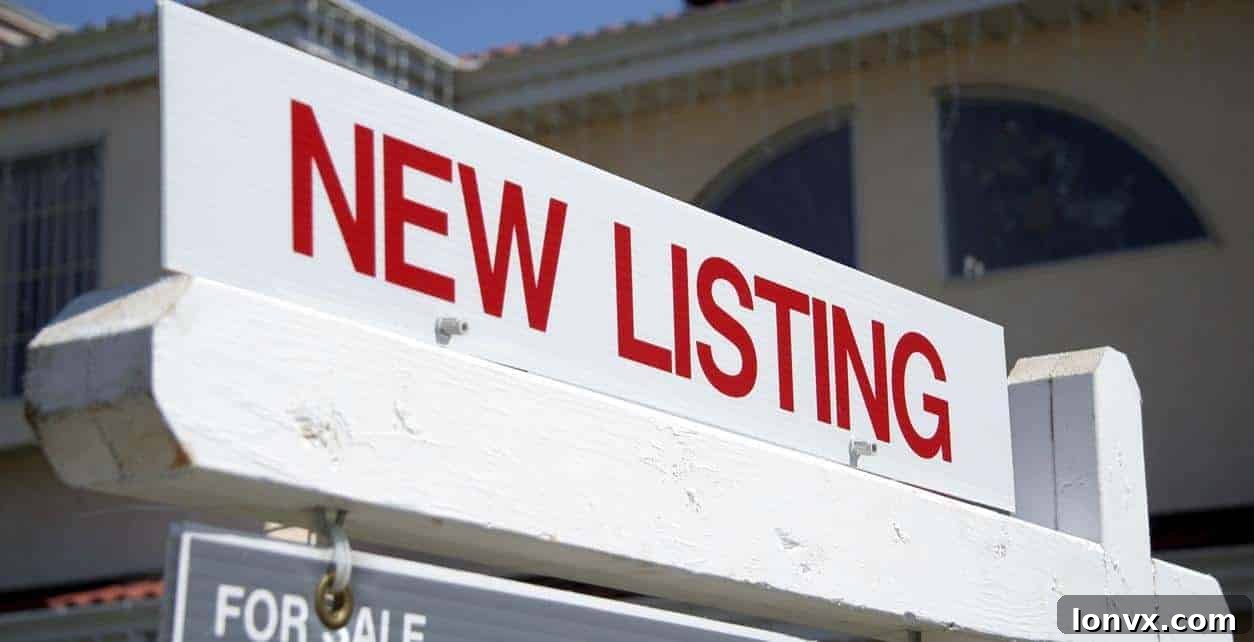
In an era where digital innovation relentlessly transforms every facet of the real estate industry, one traditional marketing tool steadfastly holds its ground: the humble real estate sign. While technology has drastically reshaped how properties are discovered, showcased, and sold, the physical sign remains a critical, tangible link between a property and potential buyers. QR codes, once hailed as the next big thing for signage, have largely faded, underscoring the enduring principle that real estate signs, at their core, need to be simple, direct, and exceptionally effective.
The ultimate objective of any real estate sign is unambiguous: to sell. Beyond merely indicating a property is for sale, a well-designed sign acts as a powerful marketing and lead generation instrument for the savvy salesperson. It’s a 24/7 billboard, communicating key information and directing interest, often to a specific agent. However, despite its crucial role, many real estate professionals inadvertently undermine their own efforts through common, yet easily avoidable, signage mistakes.
The good news is that most of these errors can be rectified by adhering to a single, timeless piece of advice that resonates deeply in sales and marketing: KISS – Keep It Simple, Salesperson, and Sell. By embracing simplicity and clarity, real estate agents can transform their property signs from mere placeholders into high-performing marketing assets.
The Enduring Power of Real Estate Signage in a Digital World
Even with the rise of virtual tours, social media campaigns, and sophisticated online listings, physical real estate signs offer unique advantages. They capture local traffic, generate immediate interest from passersby, and provide a direct, visible representation of an agent’s presence in a community. For many potential buyers, especially those casually exploring neighborhoods, a “For Sale” sign is often their very first encounter with a property and the agent representing it. This initial impression is invaluable, highlighting why optimizing your real estate signs is not just an option, but a necessity for robust property marketing and effective lead generation in a competitive market.
An effective real estate sign works tirelessly around the clock, drawing eyes to a property and establishing an agent’s brand presence. It serves as a navigational beacon for open houses and scheduled viewings, and critically, it provides a crucial local touchpoint that digital platforms simply cannot replicate. Maximizing the potential of this traditional tool requires careful attention to design, content, and the overall user experience for the passerby.
Top 5 Real Estate Signage Mistakes and How to Master Them
1. Overwhelming Clutter and Graphic Excess
One of the most prevalent and detrimental errors observed on real estate signs is an overwhelming sense of clutter. In an attempt to convey too much information or showcase every achievement, agents often dilute their primary message, making the sign difficult to process for someone driving or walking by. A sign that looks like a digital collage of logos, awards, headshots, and multiple calls to action is visually unappealing and profoundly ineffective for property marketing.
Consider the typical scenario: A prospective buyer is driving down a street, perhaps at 30-40 miles per hour. They have mere seconds to glance at your sign, understand its purpose, and absorb vital information. If their eyes are bombarded with a trophy photo, a list of “Agent of the Decade” awards, a QR code that requires stopping, an agent portrait, a catchy slogan, a “coming soon” message, MLS and company logos, a Realtor® logo, a website address, and multiple phone numbers – the core message gets lost entirely. This “information overload” ultimately detracts from the sign’s main objective: providing property exposure and generating a lead for the real estate agent.
How to Fix It: Embrace Visual Minimalism for Maximum Impact
- Prioritize Your Message: What is the single most important piece of information you want to convey? Usually, it’s “Property For Sale” and your contact information. Everything else should be secondary or omitted.
- Less is More: Streamline your graphics. Choose one high-quality agent photo (if necessary) and a clear, dominant call to action. Avoid displaying every award; let your professionalism speak for itself.
- Strategic Branding: Your company and Realtor® logos are essential for credibility but should be appropriately sized and placed, not overpowering the main message or critical contact details.
- Focus on Call-to-Action: Make your website address and phone number crystal clear and easy to read. These are the direct gateways to immediate lead generation and should be the most prominent textual elements.
Remember, a real estate sign’s purpose is not to tell the whole story, but to pique interest and direct potential clients to where they can learn more. Simplicity ensures maximum impact and immediate comprehension, turning quick glances into valuable leads.
2. Disproportionate Sizing of Graphics and Text
The transition from screen to physical sign often presents a significant challenge: legibility from a distance. What appears perfectly readable on a 27-inch computer monitor can become an invisible blur on a full-sized real estate sign viewed from a distance, particularly from a moving vehicle. This common mistake leads to crucial information – especially contact details – being rendered unreadable to passing traffic, effectively negating the sign’s purpose in property marketing and agent branding.
Imagine a potential buyer intrigued by your listing, but unable to decipher your email, web address, or phone number from their car. This isn’t just an inconvenience; it’s a lost opportunity and a direct failure in lead generation. Undersized fonts for critical contact information are a fatal flaw. While a smaller, discreet company logo might be acceptable, your personal branding and direct contact points must be bold, legible, and unmistakable to ensure your real estate sign truly performs its job.
How to Fix It: Prioritize Legibility from a Distance
- Conceptualize Scale: When reviewing proofs from your sign supplier, don’t just look at the design; visualize it at its final size and from the perspective of a moving vehicle. Imagine the sign standing on a lawn.
- Emphasize Contact Information: Your phone number and website address should be the largest and clearest text elements on the sign, second only to “For Sale.” They need to be visible and readable without effort or binoculars.
- Test for Readability: If possible, print a scaled-down version of the sign or hold the proof at arm’s length to simulate distance. Better yet, once the sign is produced, stand across the street and check its clarity and legibility.
- Appropriate Font Sizes: Work closely with your designer to ensure all critical text meets minimum readability standards for the typical speeds of vehicles common in your service area. Consider the average viewing distance.
In real estate signage, size doesn’t just matter; it dictates whether your message is received at all. Ensure your crucial information literally stands out to maximize its effectiveness as a real estate marketing tool.
3. Lack of Clarity: Confusing Messages and Industry Jargon
Even a visually appealing sign can fail if its message is unclear or inaccessible to the general public. Agents sometimes design signs that make perfect sense within the real estate industry but baffle or overlook the broader audience they aim to attract. An off-site sign, for instance, might feature professional branding but fail to clearly communicate that it relates to real estate, especially if the agent’s name isn’t widely recognized as a realtor.
A common pitfall is the use of industry-specific acronyms or jargon. Advertising “Free CMA’s” (Comparative Market Analyses) might seem like a valuable offer to a fellow agent, but to the average homeowner, it’s an obscure term that holds little meaning or incentive. Similarly, overly clever or abstract slogans can confuse more than they clarify. The public needs to understand immediately what you’re offering and what action they should take, making clarity paramount for effective real estate signs.
Furthermore, without a clear call to action and a dominant agent name, potential leads can struggle to follow up effectively. How often do brokerage receptionists receive calls like, “I’m interested in the house near the intersection of Elm Street and Oak Avenue,” leading to a frustrating search for a needle in a haystack? Your real estate sign must ensure prospects can easily identify you and the specific property, making your name prominent and easily recalled.
How to Fix It: Speak to Your Audience and Drive Action
- Public Perspective Review: Step back and evaluate your sign from the viewpoint of someone outside the real estate industry. Is your message universally understood and free of industry slang?
- Eliminate Jargon: Avoid acronyms (CMA, BPO, MLS, etc.) and industry-specific terminology. Use plain, inviting language that resonates with homeowners and buyers, making your message accessible to everyone.
- Clear Call to Action: Ensure there’s a strong, unambiguous prompt for the prospect. “Visit [Your Website]”, “Call [Your Number] for a Private Showing”, or “Text [Keyword] to [Number] for Details” are effective calls to action.
- Dominant Agent Name: Your name should be prominently displayed and easy to recall. This makes it simple for potential clients to connect your branding to a specific property and reach out to you directly, reinforcing your personal brand.
Clarity in real estate signage is paramount. A clear message, free of industry jargon, coupled with a prominent agent name and a compelling call to action, transforms a mere sign into a powerful lead generator and a testament to your professionalism.
4. Inconsistent Branding and Lack of Repetition
Consistency and repetition are foundational pillars of effective marketing and brand building, yet they are frequently overlooked in real estate signage. Many agents, perhaps seeking novelty or simply not prioritizing a cohesive visual identity, use disparate designs for their “For Sale” signs, “Open House” signs, flyers, and other marketing materials. This fragmented approach significantly diminishes brand recognition and impact, hindering effective agent branding.
Consider global corporations that invest millions in creating and maintaining a consistent brand image. The golden arches of McDonald’s, instantly recognizable worldwide, are a testament to the power of consistent branding and relentless repetition. In real estate, you don’t need a multi-million-dollar budget, but you do need a unified visual strategy. When a prospect sees your “Open House” sign on one block, then receives a flyer in their mailbox, and later sees a “Sold” sign down the street, they should immediately recognize that all these efforts originate from the same dedicated salesperson. This builds trust, familiarity, and a sense of professionalism, crucial for real estate success.
A lack of consistency means every new piece of marketing material starts from scratch in terms of building recognition. If your open house signs have one aesthetic and your for-sale signs another, you lose the cumulative impact that strengthens your personal brand and establishes your presence in a farming area, making your real estate signs less effective.
How to Fix It: Cultivate a Cohesive Brand Identity for Real Estate Signs
- Develop a Brand Style Guide: Even a simple one for yourself. Define your preferred fonts, color palette, logo placement, and overall design aesthetic. This ensures uniformity across all your marketing collateral.
- Apply Consistently: Ensure every single piece of marketing material – from yard signs and open house directional signs to business cards, flyers, and digital profiles – adheres to this style guide. This strengthens your agent branding.
- Embrace Repetition: The more consistently your brand image appears, the stronger its impact. Frequent “Sold” signs with your consistent branding reinforce your success and market presence, serving as powerful testimonials.
- Resist Frequent Changes: Once you establish a cohesive brand, stick with it. Constant redesigns dilute recognition and prevent your brand from gaining traction and becoming a memorable part of the community landscape.
Consistency and repetition in your real estate signage and overall marketing create a powerful, recognizable brand that resonates with potential clients and reinforces your professionalism and success in the local market, turning ordinary signs into powerful real estate assets.
5. Impractical and Fancy Fonts
Aesthetics are important, but not at the expense of functionality, especially for real estate signs that need to be read quickly. Many agents fall into the trap of choosing elaborate, script, or overly thin fonts in an attempt to appear elegant or unique. While certain decorative fonts can look sophisticated in print, they are often a catastrophic choice for real estate signs, particularly those viewed by drivers or from a distance, as they significantly hinder legibility.
Fancy fonts frequently suffer from poor legibility. Thin lines can blend into the background, ornate flourishes can make letters indistinguishable, and complex scripts can be nearly impossible to read quickly. In a scenario where prospects have only a few fleeting seconds to capture information from your sign, an illegible font means an immediate loss of attention and a missed opportunity for lead generation. The goal is rapid information transfer, not artistic critique; the sign needs to communicate instantly and clearly.
How to Fix It: Prioritize Readability and Clarity in Font Choice
- Opt for Sans-Serif Fonts: Generally, sans-serif fonts (like Arial, Helvetica, Open Sans, Lato) are highly legible, especially at a distance and in varying lighting conditions. They are clean, modern, and easy to read, making them ideal for real estate signs.
- Choose Bold and Clear: Ensure your chosen font has sufficient weight and contrast against the background. Avoid overly thin or condensed fonts that become difficult to discern from afar.
- Avoid Multiple Fancy Fonts: If you must use a decorative font for a slogan or accent, pair it with a highly readable font for all critical information (contact details, property type). Limit your sign to no more than two complementary fonts to maintain visual harmony and legibility.
- Test from a Distance: Just as with sizing, critically evaluate your font choices for legibility from the street. If it’s hard for you to read, it will be impossible for a speeding driver, thereby compromising the effectiveness of your real estate sign.
When it comes to real estate signage, remember that function precedes form. Fancy fonts fail because they obstruct the rapid communication necessary for effective property marketing and lead generation. Prioritize clear, bold, and easily readable typefaces to ensure your message hits home every time, turning your sign into a true asset.
The KISS Principle for Real Estate Signage Success
In the competitive real estate landscape, every marketing effort counts, and your real estate signs are no exception. They are not just markers; they are silent salespeople working tirelessly to attract attention, convey information, and generate leads around the clock. By diligently avoiding these five common mistakes and consistently applying the KISS principle – Keep It Simple, Salesperson, and Sell – you can dramatically enhance the effectiveness of your property signage and strengthen your overall marketing strategy.
Focus on clarity, legibility, consistency, and a strong, simple call to action. In those precious few seconds a potential client has to notice and process your sign, make every second count. Transform your signs from passive indicators into active, powerful components of your real estate marketing and lead generation strategy, ensuring they are always working hard for you and your listings.