Navigating the GTA Real Estate Market: Strategies for Sustained Sales Success
The Greater Toronto Area (GTA) real estate market is renowned for its dynamism, complexity, and high levels of competition. For real estate professionals operating within this vibrant region, merely participating is not enough; the true challenge lies in maintaining and even growing one’s share of sales amidst constant shifts. Industry visionary Richard Robbins frequently emphasizes the critical need for agents to adapt, innovate, and master specific strategies to not only survive but thrive. His insights provide a powerful framework for understanding what it takes to secure and expand your presence in one of North America’s most coveted housing markets.
Understanding the GTA Real Estate Landscape
Before diving into strategies, it’s crucial to grasp the fundamental characteristics of the GTA market. This sprawling region, encompassing Toronto and numerous surrounding municipalities, is a melting pot of diverse communities, property types, and economic drivers. Its market behavior is influenced by a myriad of factors, from interest rates and government policies to population growth and employment trends.
Current Market Dynamics and Key Indicators
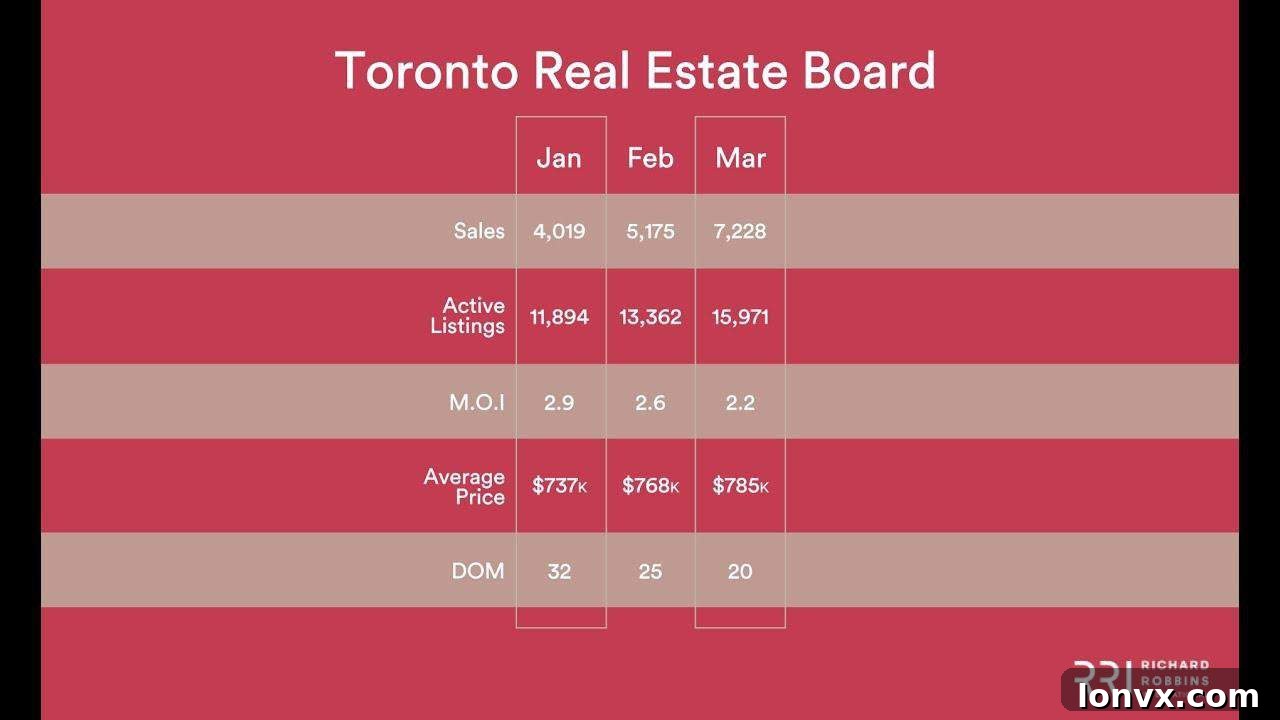
The GTA market is often characterized by significant demand, limited supply, and fluctuating prices. Average home prices, sales volumes, and the average time properties spend on the market are critical indicators that real estate agents must constantly monitor. Recent years have seen periods of aggressive growth, followed by corrections influenced by global economic conditions and national lending policies. Understanding these cycles and their underlying causes is the first step towards informed decision-making.
Demographic shifts, such as immigration and the rise of remote work, continue to reshape buyer preferences, pushing demand for different housing types in various sub-regions. For instance, while downtown Toronto condos remain attractive, the appeal of larger homes in suburban areas like Peel, York, or Durham regions has surged, driven by families seeking more space and relative affordability. A successful agent doesn’t just know the overall market; they understand these hyper-local nuances.
The Imperative of Adaptation: Insights from Richard Robbins
Richard Robbins consistently highlights that the real estate market is not static; it’s a living entity constantly evolving. His philosophy centers on proactive adaptation rather than reactive adjustment. For agents, this means anticipating changes, understanding their potential impact, and strategically positioning themselves to capitalize on new opportunities while mitigating risks.
Why Market Share Matters More Than Ever
In a competitive market like the GTA, market share is not just a vanity metric; it’s a testament to an agent’s influence, effectiveness, and long-term viability. A shrinking market share can indicate a loss of competitive edge, while a stable or growing share reflects strong client relationships, effective marketing, and a deep understanding of market dynamics. Robbins often points out that agents who consistently maintain their share during challenging times are the ones who experience exponential growth when the market rebounds.
It’s about establishing a consistent presence and becoming the go-to expert in your chosen niche or geographical farm area. This foundational stability allows agents to build a resilient business model, less susceptible to short-term market fluctuations and more focused on sustainable, client-centric growth.
Strategies to Maintain and Grow Your Sales Share in the GTA
Translating Robbins’ overarching philosophy into actionable steps requires a multi-faceted approach. Here are key strategies for GTA real estate professionals aiming to solidify and expand their market presence.
1. Deepening Client Relationships and Exceptional Service
In an era of abundant information, trust and personal connection are paramount. Agents must move beyond transactional interactions to foster genuine, long-lasting relationships. This involves:
- Proactive Communication: Regular, relevant communication that goes beyond just sales pitches. Share market updates, community news, or helpful homeownership tips.
- Understanding Client Needs: Truly listening to understand client aspirations, concerns, and financial situations. Tailor your approach and recommendations accordingly.
- Delivering Value Beyond the Sale: Offer post-sale support, connect clients with reliable contractors, or provide annual home valuations. Become a trusted advisor for all their home-related needs.
- Personalized Experience: Make every client feel like your only client. Remember details, celebrate milestones, and provide a bespoke service that stands out.
Exceptional service is the bedrock of repeat business and, crucially, referrals – which remain the most potent form of lead generation in real estate. A satisfied client in the GTA is your best marketing tool.
2. Mastering Digital Marketing and Personal Branding
The digital landscape is non-negotiable for modern real estate success. An effective online presence is essential for reaching new clients and showcasing your expertise.
- Robust Online Presence: Maintain a professional, mobile-friendly website that is rich with local market insights, listings, and client testimonials. Optimize it for local SEO to ensure you appear in relevant searches like “Toronto real estate agent” or “homes for sale in Etobicoke.”
- Engaging Social Media Strategy: Utilize platforms like Instagram, Facebook, LinkedIn, and even TikTok to share visually appealing content. This could include virtual tours, market updates, behind-the-scenes glimpses, and local community spotlights. Engage with your audience and build a community around your brand.
- Content Marketing: Become a thought leader by creating valuable content. Blog posts about GTA market trends, YouTube videos offering buyer/seller guides, and newsletters with exclusive insights can position you as an authoritative source.
- Consistent Personal Branding: Develop a consistent brand message and visual identity across all platforms. Your brand should convey your unique value proposition, whether it’s luxury market expertise, first-time buyer specialization, or a deep understanding of a specific GTA neighborhood.
In a market where buyers often start their journey online, a strong digital footprint is critical to capture attention and build credibility before the first face-to-face meeting.
3. Data-Driven Decision Making and Hyper-Local Expertise
The GTA market is too complex for gut feelings alone. Successful agents leverage data to inform their strategies.
- Market Analysis: Regularly analyze sales data, inventory levels, pricing trends, and absorption rates for specific neighborhoods. Understand the nuances between a detached home in Richmond Hill versus a condo in Liberty Village.
- Predictive Analytics: While not an exact science, stay informed on economic forecasts and policy changes that could impact the market. This foresight allows for proactive adjustments to your business model.
- Hyper-Local Specialization: Instead of trying to serve the entire GTA, consider specializing in a particular neighborhood, property type, or client demographic. Becoming the undeniable expert in a niche allows you to command greater authority and attract targeted leads. This deep knowledge is invaluable for accurate pricing, effective marketing, and confident negotiation.
Richard Robbins often emphasizes that knowledge is power, and in real estate, granular, data-backed market knowledge is your competitive advantage.
4. Continual Professional Development and Networking
The real estate industry is constantly evolving, with new technologies, regulations, and consumer expectations emerging regularly.
- Ongoing Education: Invest in continuous learning. Attend seminars, workshops, and industry conferences. Stay updated on the latest sales techniques, legal changes, and technological advancements. Robbins’ own programs are excellent examples of valuable professional development resources.
- Embrace Technology: Adopt new tools and platforms that streamline your workflow, enhance client experience, or provide deeper market insights. This could include CRM systems, virtual staging software, or AI-powered lead generation tools.
- Strategic Networking: Build strong relationships with other real estate professionals, mortgage brokers, lawyers, home inspectors, and contractors. A robust network provides referral opportunities, shared insights, and a reliable support system.
An agent who is committed to personal and professional growth is better equipped to adapt to market changes and consistently deliver superior results.
5. Strategic Negotiation and Transaction Management
Beyond finding clients and showing properties, the ability to close deals effectively is paramount, especially in a competitive market where multiple offers are common.
- Masterful Negotiation Skills: Hone your negotiation tactics to secure the best possible outcomes for your clients. This includes understanding leverage points, reading situations, and maintaining composure under pressure.
- Efficient Transaction Management: Ensure a smooth and stress-free closing process for your clients. Meticulous attention to detail, clear communication with all parties involved, and proactive problem-solving are essential. A seamless transaction builds trust and reinforces your professionalism.
- Pre-emptive Problem Solving: Anticipate potential hurdles in the buying or selling process and have solutions ready. This proactive approach minimizes stress for clients and showcases your expertise.
Overcoming Common Challenges in the GTA Market
While the strategies above lay a strong foundation, agents must also be prepared to navigate specific challenges inherent to the GTA market.
- Market Volatility: Be prepared for fluctuations. Diversify your lead generation, build a financial buffer, and advise clients with realistic expectations based on current trends.
- Intense Competition: Differentiate yourself through exceptional service, unique value propositions, and relentless personal branding. Don’t just compete on price; compete on value.
- Client Expectations: GTA clients are often sophisticated and have high expectations. Consistently exceed these expectations through professionalism, market knowledge, and transparent communication.
- Affordability Concerns: Address affordability head-on. Guide clients through various financing options, explore different neighborhoods or property types, and provide creative solutions to meet their housing goals within budget.
Conclusion: Thriving Through Proactive Excellence
Maintaining and growing your share of sales in the challenging Greater Toronto Area real estate market is an ongoing endeavor that demands dedication, strategic thinking, and a client-first approach. As Richard Robbins so eloquently teaches, success in this environment isn’t about luck; it’s about intentional action, continuous improvement, and an unwavering commitment to excellence. By deeply understanding market dynamics, fostering genuine client relationships, mastering digital engagement, leveraging data, and committing to lifelong learning, real estate professionals in the GTA can not only navigate its complexities but truly thrive. Embrace these strategies, and you will not only secure your market share but also build a resilient, respected, and highly profitable real estate business for years to come.