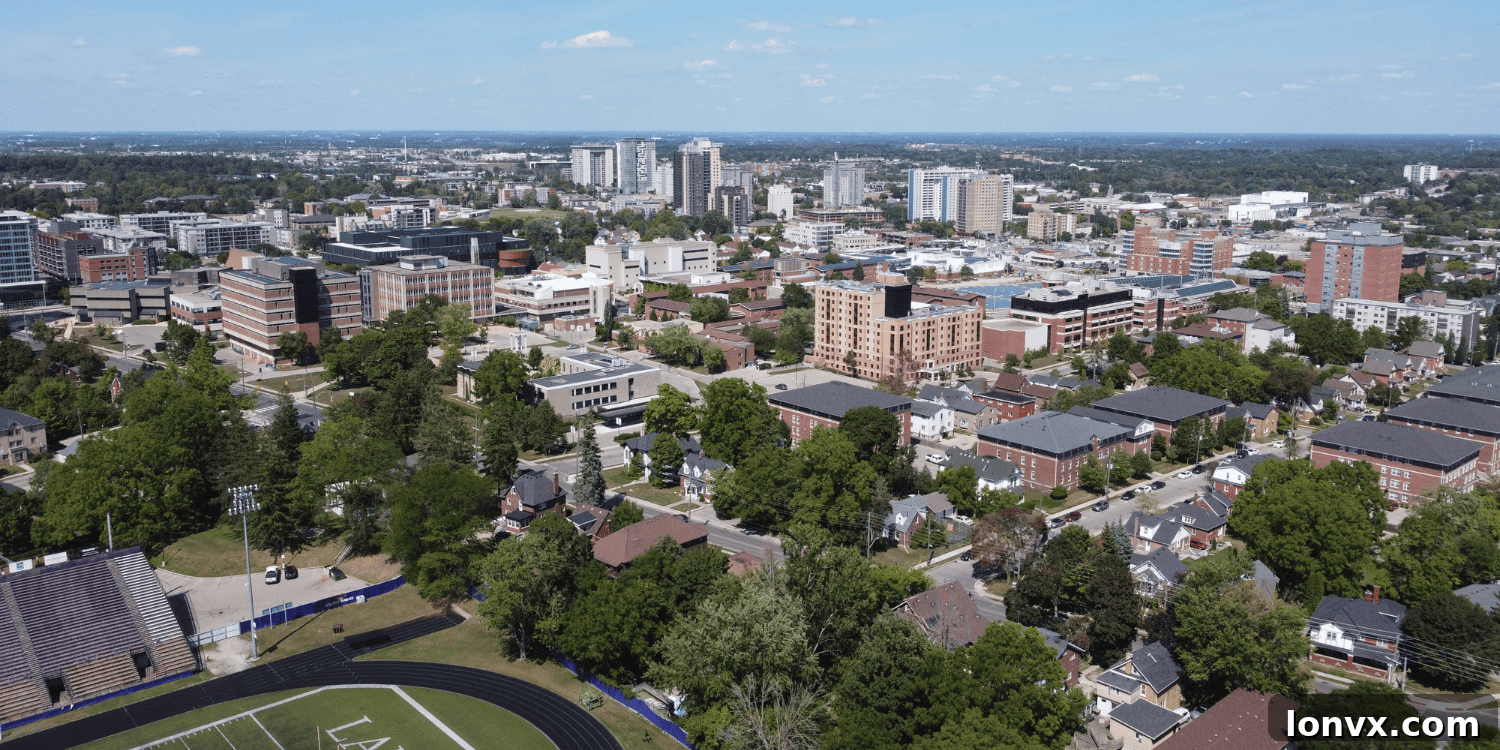
A significant collaborative effort has materialized in the Waterloo Region, bringing together over a dozen leading developers under the newly formed banner of Build Urban. This pivotal group is dedicated to proactively advocating for critical policies and spearheading initiatives designed to accelerate new home construction across the entire region. Recognizing the profound impact of the ongoing housing crisis, Build Urban emerges as a unified voice, championing principles of efficient land use, responsible urban growth, and the crucial streamlining of development approval processes.
The core mission of Build Urban involves fostering close cooperation with municipal governments and various stakeholders. By doing so, the group aims to identify and dismantle the systemic barriers that impede construction projects, thereby expediting the creation of much-needed new homes throughout Kitchener, Cambridge, and Waterloo. This isn’t just about increasing housing units; it’s about building vibrant, sustainable communities capable of supporting the region’s rapidly expanding population and enhancing the overall quality of life for all its residents.
Already, Build Urban has engaged with key policy issues, demonstrating its commitment to pragmatic solutions. Their focus includes providing expert insights and practical recommendations on inclusionary zoning—a vital tool for ensuring a diverse range of housing options, including affordable units, within new developments. Furthermore, the group is actively involved in refining planning frameworks around major transit station areas (MTSAs). This strategic approach promotes high-density, mixed-use developments that maximize the utility of public transit infrastructure, reduce reliance on private vehicles, and combat urban sprawl. These consultative processes are grounded in offering evidence-based solutions that directly address pressing concerns such as housing affordability, urban intensification, and intelligent land use planning for long-term regional prosperity.
Melissa Durrell, CEO of Durrell Communications and the designated spokesperson for Build Urban, emphatically underlines the severity of the current housing predicament. “We are undeniably in the throes of a housing crisis, a challenge that unequivocally demands an ‘all-hands-on-deck’ approach from every segment of our society,” Durrell states. “Genuine and accelerated progress in constructing new homes can only be achieved through steadfast collaboration among local governments, the dedicated development industry, and all other pertinent community stakeholders.”
She further highlights the invaluable perspective that developers bring to this collective effort. “The development industry possesses unique, first-hand insights into the intricate challenges and the immense opportunities that exist on the ground when building new communities,” Durrell explains. “By cultivating a spirit of mutual cooperation and shared understanding, we have the power to collaboratively identify and implement tangible, effective solutions that directly confront the urgent and continuously growing need for diverse housing options across our dynamic and expanding region.” Build Urban is committed to serving as a central catalyst in this essential dialogue, bridging communication gaps and driving forward innovative strategies for sustainable housing development.
Addressing Waterloo Region’s Housing Imperative: Meeting Growth Targets Amidst a Critical Shortfall
The Waterloo Region is currently at a crucial inflection point, grappling with unprecedented demographic shifts that necessitate a dramatic increase in its housing supply. To accommodate its projected growth, the region has established an ambitious yet essential target: the construction of 70,000 new homes by 2031. Achieving this monumental goal requires an average of just over 7,500 annual housing starts across the municipalities of Kitchener, Cambridge, and Waterloo for the next eight years. This target is not merely an aspiration but a direct, data-driven response to escalating population projections and the intensifying demand for housing.
Regrettably, current construction rates reveal a significant and concerning shortfall. Data from 2023 indicates that the tri-city municipalities reported fewer than 4,800 housing starts, falling considerably short of the necessary annual pace. This substantial gap between the required and actual construction rates represents a critical challenge that Build Urban is determined to tackle head-on. Such discrepancies exacerbate existing affordability issues, severely restrict housing choices for residents, and risk deepening the housing crisis, with potentially dire consequences for the region’s economic vitality and social equity. Without a concerted and rapid acceleration in construction activity, the region faces an increasingly precarious housing future.
The urgency of the situation is further amplified by long-term population forecasts. Projections estimate that Waterloo’s population is set to surge to an astonishing 923,000 residents by 2051. This represents a massive influx of individuals and families who will all require safe, accessible, and affordable housing. Such rapid growth demands fundamental and immediate reforms in urban planning policies, development approval processes, and overall construction capacity to ensure an adequate and diverse supply of homes. Failure to plan and build proactively for this demographic expansion will inevitably lead to spiraling housing costs, increased traffic congestion, strain on existing public infrastructure, and ultimately, a significant decline in the region’s renowned liveability and attractiveness.
Build Urban fundamentally understands that overcoming these formidable challenges necessitates a comprehensive and unified strategy. “Addressing the complexities of the housing crisis is not a task that any single entity can accomplish in isolation; it genuinely requires an ‘all-hands-on-deck’ commitment from every sector of our community,” reiterates Durrell. “Build Urban is unwavering in its dedication to assisting the region in successfully achieving these vital housing targets. We are poised to contribute unparalleled expertise, develop and tirelessly advocate for evidence-based policy recommendations, and offer robust, practical support to guarantee that the necessary homes are not merely conceptualized, but actually built to accommodate our rapidly expanding and diverse population.”
Key Strategic Pillars for Sustainable Housing Growth in Waterloo Region
To effectively and comprehensively address the pervasive housing deficit, Build Urban is concentrating its efforts on several interconnected strategic pillars, each deemed critical for fostering sustainable and equitable growth. The first foundational pillar is **land use optimization**. Recognizing the finite nature of land resources, particularly within existing urban boundaries, it is imperative to shift away from inefficient, sprawling development patterns towards intelligent intensification. This involves strategically encouraging higher-density, mixed-use developments in appropriate areas, especially around existing transit hubs, commercial corridors, and community centers, thereby maximizing the efficiency of current infrastructure and preserving valuable green spaces.
The second crucial pillar involves **streamlining the complex approval process**. Developers frequently encounter protracted and convoluted municipal approval procedures, which can significantly add years to project timelines and incur substantial cost escalations. Build Urban advocates for comprehensive reforms aimed at simplifying outdated zoning bylaws, accelerating the issuance of necessary permits, and enhancing inter-departmental coordination within municipal governments. By effectively reducing bureaucratic hurdles and unnecessary delays, development projects can transition from conceptualization to tangible construction much more swiftly, bringing critically needed housing units to the market sooner and, ideally, at more accessible price points.
A third indispensable area of focus is **innovative financing and genuine housing affordability**. Beyond merely increasing the overall supply of housing, the group is actively exploring and advocating for robust mechanisms that ensure new housing developments are accessible across a broad spectrum of income levels. This includes championing effective and equitable inclusionary zoning policies that genuinely contribute to the stock of affordable housing units without imposing undue burdens on new developments. It also encompasses exploring strategic partnerships and targeted incentives that encourage the construction of a diverse array of housing types, ranging from dedicated rental units and adaptable townhouses to accessible starter homes, catering to varied household needs.
Finally, **proactive community engagement and informed public education** constitute another vital pillar of Build Urban’s strategy. Often, initial opposition to new development stems from a lack of comprehensive understanding, legitimate concerns about local impacts, or misinformation. Build Urban is deeply committed to fostering transparent, open communication channels with residents, actively addressing community concerns through dialogue, and educating the public about the multifaceted benefits of well-planned urban intensification and the undeniable necessity of responsible growth for the region’s future prosperity. Building broad consensus and dispelling common myths are unequivocally essential components of successful, community-supported urban development initiatives.
The Broad Economic and Social Implications of Persistent Housing Shortages
The far-reaching repercussions of a persistent and severe housing shortage extend well beyond the immediate struggles of individual families striving to secure suitable accommodation. Economically, an acute lack of affordable housing significantly cripples a region’s capacity to attract and retain highly skilled labor. Businesses may face substantial challenges in filling critical positions if their employees cannot afford to live within a reasonable commute, leading to diminished economic competitiveness, inhibited innovation, and stifled overall growth. Furthermore, elevated housing costs invariably translate into less disposable income for residents, negatively impacting local businesses, consumer spending, and the region’s overall economic vibrancy. In addition, protracted construction delays and regulatory uncertainties actively deter private investment, further decelerating the pace of essential housing and infrastructure development.
From a social perspective, the deepening housing crisis contributes directly to longer, more arduous commutes, a palpable reduction in the overall quality of life, and an exacerbation of socio-economic inequality. When housing becomes scarce and prohibitively expensive, essential service workers—such as dedicated teachers, compassionate nurses, and brave first responders—may find themselves priced out of the very communities they diligently serve. This unfortunate phenomenon can lead to extended travel times, increased traffic congestion, heightened environmental impact, and a regrettable fragmentation of community cohesion and local identity. For younger generations, the aspiration of homeownership becomes an increasingly distant and unattainable dream, fostering widespread economic frustration and a profound sense of displacement. Build Urban is resolute in its commitment to mitigate these detrimental social impacts by vigorously advocating for policies that actively promote housing diversity, accessibility, and equity for all segments of the Waterloo Region’s population, ensuring a more inclusive and resilient future.
The collective strength, profound expertise, and unified vision of Build Urban’s diverse membership represent an exceptionally powerful asset for the Waterloo Region. By strategically bringing together experienced developers with deep local knowledge and a shared commitment to sustainable growth, the group is uniquely positioned to offer practical, data-driven solutions that are not only eminently feasible but also acutely responsive to the distinctive social, economic, and environmental context of the region. Their advocacy efforts will consistently prioritize collaborative problem-solving, intentionally moving beyond traditional adversarial relationships that have historically characterized interactions between the private development sector and governmental bodies, to forge strong partnerships aimed at achieving common, beneficial goals.
Ultimately, Build Urban’s ambitious initiative is fundamentally centered on securing a truly vibrant, sustainable, and prosperous future for the Waterloo Region. By proactively and strategically addressing the multifaceted housing crisis, facilitating an increased pace of new home construction, and championing responsible, community-centric growth, the group aims to ensure that the region steadfastly remains an attractive, dynamic, and welcoming place for current residents to live, work, and thrive, while simultaneously offering abundant opportunities for future generations. Their unwavering commitment serves as a compelling testament to the belief that through concerted effort, innovative thinking, and effective partnership, the region can unequivocally overcome its complex housing challenges and continue its trajectory as a dynamic, inclusive, and highly prosperous hub.
Enjoying this article?
Get the latest REM articles in your inbox 3x week so you stay up to date on the latest in the Canadian real estate industry.
By subscribing, you agree to our Privacy Policy.