
1011 Cordova Street W PH01, Vancouver (Sotheby’s International Realty)
Mastering the Elite World of Luxury Real Estate: Strategies for Success
The luxury real estate market is a world unto itself, demanding a unique blend of expertise, discretion, and strategic insight. It’s a high-stakes environment where agents don’t just sell properties; they facilitate lifestyles, manage significant investments, and build relationships founded on trust and meticulous care. For professionals aspiring to thrive in this exclusive sector, understanding its nuances is paramount. This comprehensive guide delves into the proven strategies employed by top-tier agents, offering invaluable insights into navigating and conquering the premium property landscape.
Tanis Fritz, a distinguished Sotheby’s International Realty agent based in Vancouver, B.C., exemplifies this approach. As the listing agent for one of Canada’s most opulent condo listings—a breathtaking $21-million, 6,480-square-foot penthouse situated in Vancouver’s iconic Fairmont Pacific Rim Residences—Fritz understands the profound importance of discretion. In a market where privacy and exclusivity are often as valuable as the property itself, her reputation for confidentiality is a cornerstone of her success.
“Having a reputation for discretion at this level is a differentiator,” states Fritz, highlighting how critical it is to earn and maintain the trust of an elite clientele who value privacy above all else.
Cultivating Influence: Positioning Yourself in the Right Circles
Success in luxury real estate is less about aggressive sales tactics and more about strategic positioning and organic growth. Rochelle Cantor, a Montreal-based top performer with Engel & Völkers, whose career sales exceed $1.2 billion across 1,300 transactions, emphasizes that accessing this exclusive market requires a steady, calculated approach with a long-term vision rather than overt self-promotion.
Establishing credibility in the luxury segment demands immersion. Agents must actively integrate themselves into the environments and communities where their affluent clientele reside and conduct business. This means not just knowing an area inside and out, but ideally living within or having a deep, personal connection to the communities you aim to serve. Cantor, for instance, resides in Westmount, an upscale Montreal community. “I raised my kids there, volunteered at the school, and took advantage of every touchpoint and learning opportunity I could,” she explains, illustrating the power of authentic community engagement.
This deliberate immersion allows agents to gain an intimate understanding of local amenities, unspoken market values, community dynamics, and the specific needs and desires of high-net-worth individuals. It’s about becoming a trusted local authority, a confidant who understands the fabric of their clients’ lives, not just their property requirements. This deep engagement fosters trust and creates a network of referrals that are invaluable in the luxury sphere, where word-of-mouth recommendations often supersede traditional advertising.
Projecting Competence: Authenticity and Leveraging Agency Strength
While genuine authenticity, robust expertise, and strong relationships are foundational in building trust within the luxury real estate space, many agents find themselves adhering to the adage, “Fake it ’til you make it” during their ascent. However, as Cantor clarifies, how one “fakes it” in the affluent world is distinctly different.
“It’s true, but how you fake it in the affluent world is different,” Cantor explains. For her, it’s not about merely “looking the part” in terms of superficial appearances. Her success in transacting some of Quebec’s most expensive properties stems from a profound understanding of her market and the ability to articulate insights with intelligence and conviction. This means being knowledgeable, articulate, and confident in your advice, even if you are newer to handling ultra-luxury properties.
Fritz, however, notes that a certain level of poise and presentation can indeed be advantageous. “I feel better about things when I have a clean car and a polished appearance…more powerful and in control of the process.” For her, it’s about how she carries herself – exuding “grace under pressure” – which instills confidence not only in herself but also in her clients. This doesn’t mean ostentation, but rather a meticulous attention to detail and a commitment to professionalism that aligns with the high standards of the luxury market.
Cantor also advises agents to skillfully leverage their agency’s established reputation. Collaborating with and tapping into the extensive luxury expertise of seasoned agents within your brokerage is crucial. “It has to be the ‘we’ conversation. Put your own spin on it,” she suggests. This collaborative approach allows newer agents to benefit from the collective experience and brand power of their agency, providing a credible platform from which to build their own reputation and client base.
Precision in Communication: Setting Clear Expectations and Proactive Updates

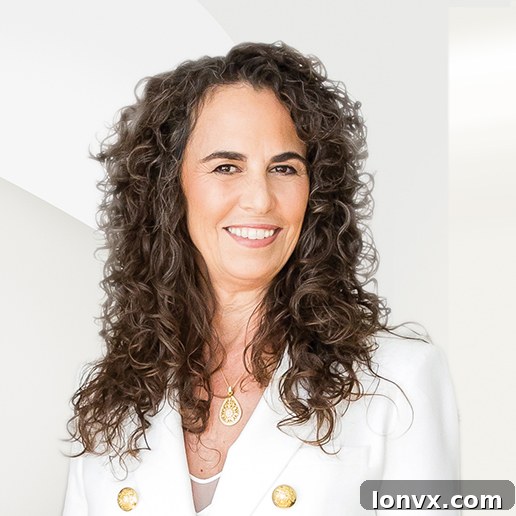
Tanis Fritz
Effective communication is a cornerstone of success in any real estate market, but in the luxury segment, it transcends mere updates; it becomes an art form of thoughtful advice and meticulous expectation management. Tanis Fritz underscores the invaluable nature of this approach, particularly when a property sale faces unforeseen challenges or extends beyond initial timelines. “Being clear, concise, and direct is a winning approach in this market,” she emphasizes, highlighting the need for transparent and unambiguous dialogue.
Fritz suggests establishing clear reporting parameters tailored precisely to each client’s preferences and priorities. This involves understanding their preferred communication frequency and depth. “Do they want a scheduled call every time? A total debrief after each showing (or at set intervals)? Are they data-oriented?” she asks. Some clients may prefer comprehensive, data-rich reports, while others might value concise, action-oriented summaries. Tailoring these parameters demonstrates a high level of client service and respect for their time and preferences.
However, this client-centric approach must also be balanced with the demands of the situation. While a client might typically prefer text messages, Fritz notes, “There are cases where text won’t cut it, and I’ll certainly speak up for that. You can have your parameters and guardrails flow within a client-centric approach.” This flexibility, combined with the conviction to guide clients toward the most effective communication method for critical discussions, is key.
Proactivity is another non-negotiable aspect of communication for Fritz. She is adamant about implementing clear processes and adhering to them consistently. This ensures clients are never left wondering about the status of their property or the efforts being made to sell their homes. Regular market updates and marketing activity reports, delivered at their preferred frequency, are essential to keeping clients informed and confident in the strategy.
Strategic Business Management: Operating with a Corporate Mindset
Rochelle Cantor
To truly excel in the luxury real estate sector, Rochelle Cantor advocates for a business model that transcends traditional real estate practices, suggesting agents run their operations much like a publicly traded company. This ethos, which she adopted early in her career from her tech industry background, emphasizes consistent effort in “planting your seeds”—whether through active sales or by continually raising awareness about your deep market knowledge.
Cantor’s approach involves using sophisticated tools like forecasts and pipelines, and crucially, setting annual financial targets rather than focusing exclusively on specific property types or values. She asserts that the underlying business principles remain consistent, whether one is handling a $2-million property or a $12-million estate. This methodical, data-driven approach allows for better resource allocation, risk management, and long-term strategic planning, mirroring the disciplined operations of successful corporations.
A significant takeaway from Cantor’s philosophy is her measured approach to high-value listings. “Above all, I don’t chase after the $10-million plus sellers… In my market space, less than six brokers sell all houses over $4-million.” This insight highlights the competitive and often limited nature of the ultra-luxury segment. Instead of solely pursuing the most expensive deals, Cantor, whose career organically propelled her into luxury without actively seeking it, advises understanding your business’s strengths and setting realistic, sustainable goals.
She wisely suggests, “You might be a lot happier selling five $1.5 million homes than one $10 million home—that’s a lot of risk.” This perspective encourages agents to build a robust and diversified portfolio of clients and properties, mitigating the inherent risks associated with relying on a few, highly complex, and time-consuming ultra-luxury transactions. It emphasizes that consistent, successful sales across various price points can lead to greater long-term happiness and financial stability than the unpredictable pursuit of only the highest-value listings.
Excellence in Presentation: Nailing the Listing and Visual Impact
The listing presentation is often the moment of truth, a pivotal opportunity to secure a mandate in the luxury market. Rochelle Cantor approaches this with meticulous preparation, always having a comprehensive document checklist and a full presentation package ready for customization based on the specific property. Her process begins with extensive inquiry, thoroughly understanding the competition, researching comparable properties, and scrutinizing municipal evaluations to build a robust case for her valuation and strategy.
Crucially, Cantor refrains from discussing numbers until she has personally seen the property and completed her due diligence. Her focus is less on hard-selling the agency’s brand and more on fostering a deep connection and confidence with potential clients. As she notes, clients in this market are typically in it for the long game. “The question is who (clients) feel more connected to and confident in representing their best interest as honestly as possible…They think of me because over the years I became their trusted advisor.” This emphasis on advisory relationships over transactional pitches is a hallmark of luxury real estate success.
However, the support and reputation of a strong agency cannot be understated, especially in the early stages of an agent’s luxury career. Tanis Fritz attests to this, noting that she only began attracting ultra-luxury listings after joining Sotheby’s. For success in this highly competitive market, she believes an agency must possess the right “track record, authority, consistency, and reach.” A powerful brand association can open doors and lend immediate credibility.
Once a listing is secured, Fritz emphasizes the absolute necessity of best-in-class visuals. From professional staging that transforms a space into a captivating environment, to high-resolution photography and cinematic videography, every visual element must be meticulously crafted to support the property’s premium price point and the overall marketing strategy. “Build time to accommodate the weather. Especially in British Columbia, if you’re dealing with a view property, you need beautiful skies to showcase it.” She also cautions that this requires working with flexible professionals who can adapt to variable conditions to capture the property at its absolute best.
Broadening Horizons: The Power of Not Limiting Your Market
Breaking into the upper echelon of real estate doesn’t necessarily demand abandoning mid-tier sales. Tanis Fritz, with her background in public relations and an intentional move towards luxury, recognizes the value of a diverse client portfolio. She consciously chooses not to limit herself to specific life or financial stages of clients.
“I have a lot to offer different clients, and they have a lot to offer me…I hope I can continue to work well in all sectors of the market,” Fritz states. This inclusive approach not only diversifies an agent’s income stream but also broadens their network and experience, allowing them to hone transferable skills that benefit clients across the spectrum. A deep understanding of different market segments can provide valuable perspective and resilience in fluctuating economic conditions.
Rochelle Cantor firmly believes that the selling mentality of the ultra-wealthy isn’t fundamentally different from that of mid-tier clients. The primary distinctions often revolve around budget and the specific nature of financial concerns. High-net-worth individuals, while possessing greater financial flexibility, are often intensely focused on aspects such as legacy planning, the exclusivity of a property, and its long-term investment potential. These motivations, while scaled, echo the desires for security and value found across all buyer segments.
Cantor’s most profound takeaway from years of navigating this elite world is a simple yet powerful truth: “Knowing that we’re all people. Just because somebody has a lot of money doesn’t mean they’re better. You have to believe in that, and you have to believe in yourself.” This philosophy underpins genuine connection and respect, fostering authentic relationships that are essential for long-term success in any market, especially one built on trust and discretion.
Enjoying this article?
Get the latest REM articles in your inbox 3x week so you stay up to date on the latest in the Canadian real estate industry