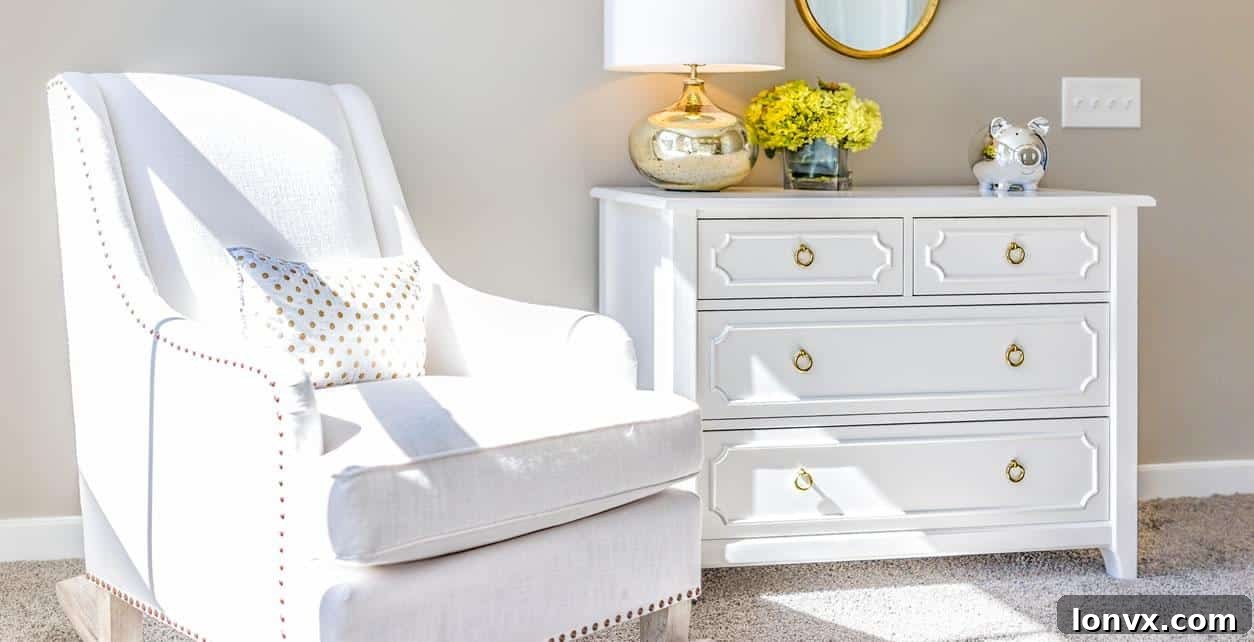
In the dynamic and ever-evolving real estate landscape, professional home staging has emerged as a cornerstone strategy for maximizing property value and expediting sales. Once considered an exclusive luxury service primarily reserved for high-end listings, the industry has undergone a significant transformation over the past two decades. Today, its proven track record as one of the most effective real estate marketing tactics has made it an indispensable tool for sellers across all market segments and property types. From quaint starter homes to sprawling estates, home staging is now recognized as a vital component in achieving a successful sale.
The fundamental principle behind home staging’s effectiveness lies in human psychology. It recognizes that purchasing decisions are primarily driven by emotion, with logic serving to justify the initial emotional connection. A professionally staged home goes beyond mere aesthetics; it crafts an aspirational lifestyle, allowing potential buyers to emotionally connect with the space and envision themselves living there. This powerful emotional resonance transforms a house from a mere structure into a desired home, significantly increasing its appeal and marketability.
Despite its widespread adoption and undeniable benefits, many sellers still harbor common questions and misconceptions about home staging services and their true impact. To demystify this powerful marketing strategy, we delve into the top inquiries sellers frequently ask.
What is a Home Staging Consultation?
A home staging consultation is the foundational first step in preparing a property for sale, offering sellers invaluable expert guidance designed to maximize their home’s appeal and command its top market value. This comprehensive process involves a professional stager conducting a meticulous, room-by-room assessment of the entire property, scrutinizing every detail from a buyer’s perspective. It’s an objective evaluation aimed at identifying areas that need improvement to present the home in its best possible light.
During the consultation, the stager provides an expert eye on various aspects, including decluttering, depersonalization, furniture arrangement, lighting optimization, color palette suggestions, minor repairs, and even enhancing curb appeal. The goal is to highlight the home’s best features while minimizing any perceived flaws. Following the walkthrough, the seller receives a detailed, actionable plan—often referred to as an “action list”—outlining specific recommendations and tasks. This list empowers sellers with clear, concise steps to take, alongside helpful resources, making the preparation process less daunting for them and their families.
This invaluable service is highly recommended for all sellers, regardless of their property’s size or value. It equips them with professional insights into what buyers are looking for and how to present their home to meet those expectations. A home staging consultation should ideally be the very first step a seller takes once they decide to list their property. The more diligently a seller implements the advice and prepares the house, the better it will show, significantly increasing its chances of attracting the right buyers quickly and securing the best possible offer.
Key Components of a Consultation:
- Objective Assessment: A professional’s unbiased view of your home’s strengths and weaknesses.
- Room-by-Room Breakdown: Specific recommendations for each area, including living spaces, bedrooms, bathrooms, kitchen, and outdoor areas.
- Decluttering & Depersonalization Strategies: Guidance on creating a neutral, inviting space that allows buyers to envision their own lives there.
- Furniture Arrangement & Flow: Optimizing layouts to enhance perceived space and functionality.
- Lighting & Color Advice: Tips on improving ambiance and selecting appealing color schemes.
- Minor Repair Suggestions: Identifying small fixes that can significantly impact buyer perception.
- Curb Appeal Enhancement: Recommendations for exterior improvements to create a strong first impression.
Do I Really Need to Stage My Home to Sell?
In today’s competitive market, the question is less about “if” you need to stage and more about “how” to effectively stage your home. Think of a house not just as a dwelling, but as a product—a significant one—that requires proper merchandising and marketing, much like a car, a piece of furniture, or even a gourmet meal. Would you present a product poorly packaged or unappealingly displayed and expect it to sell quickly or at its premium price? The same logic applies, perhaps even more so, to real estate.
The necessity of home staging stems from a crucial psychological reality: only a small percentage of buyers, estimated at just 10%, possess the innate ability to visualize a home’s full potential when it is vacant, cluttered, or poorly maintained. The vast majority need to be shown the potential. The primary purpose of professional home staging is to expertly accentuate the positive attributes of a property—its spaciousness, natural light, architectural details—while subtly minimizing any less desirable aspects. This thoughtful presentation helps a broader spectrum of buyers see themselves living comfortably and happily in the space, fostering that vital emotional connection.
Research consistently demonstrates that professionally staged listings stand out significantly in the minds of prospective buyers. Staged homes are not only perceived as “well-maintained” and cared for but also project an image of move-in readiness, saving buyers the perceived hassle and expense of immediate renovations. This perception translates into tangible benefits: staged properties tend to attract more interest, garner more showings, and ultimately sell faster than their unstaged counterparts. Even in a challenging real estate market, home staging has a documented history of shortening the critical timeframe from the initial listing date to the firming up of an offer, reducing carrying costs and seller stress.
The Undeniable Advantages of Staging:
- Broader Buyer Appeal: Appeals to a wider demographic, as spaces appear neutral and inviting.
- Enhanced Online Presence: Professionally staged photos grab attention in a digitally driven market.
- Higher Perceived Value: Buyers associate staging with quality and care, often leading to higher offers.
- Faster Sales Cycle: Reduces the time a property spends on the market, saving carrying costs and stress.
- Competitive Edge: Makes your home stand out against un-staged competition.
- Emotional Connection: Helps buyers envision a lifestyle, not just a house.
How Much Will Professional Home Staging Cost?
Understanding the cost of professional home staging is crucial, but it’s important to frame this expense not as a cost, but as a strategic investment. Unlike many home improvements that may or may not recoup their value upon sale, home staging has a proven track record of generating significant returns. The exact cost of staging services varies considerably, depending on several key factors, primarily the scope of work required and the size of the property.
For sellers who possess the time, resources, and a keen eye for design, a comprehensive staging consultation might be the only service they need. This initial step, which includes a detailed action plan, typically ranges from $200 to $500. This relatively small investment provides the seller with expert guidance, empowering them to execute the staging themselves while benefiting from professional insights into what truly appeals to buyers.
For those requiring a more hands-on approach, full-service staging involves the professional stager bringing in furniture, artwork, and accessories to transform the space. The cost for full-service staging is highly dependent on the property’s size, whether it’s vacant or occupied (occupied staging often involves working with existing furniture), and the quantity and quality of furniture and accessories needed. Factors such as the rental duration for furniture, geographical location, and additional services like decluttering or minor repairs can also influence the overall cost.
While the investment for full-service staging can range from a few hundred dollars to several thousand, it is critical to remember that professional home staging is a highly effective marketing tool with a strong track record of positive returns. When you consider that this initial investment is designed to help you sell your home faster and for a higher price, thereby putting more money in your pocket, the question of “how much” becomes less about the immediate outlay and more about the potential profit generated.
Factors Influencing Staging Costs:
- Type of Service: Consultation vs. Partial Staging vs. Full Staging.
- Property Size: Larger homes require more furniture and accessories.
- Property Condition: Homes needing more significant intervention may incur higher costs.
- Occupied vs. Vacant Staging: Vacant homes typically require more rented items.
- Duration: Rental fees for furniture and accessories are usually charged monthly.
- Location: Staging costs can vary based on regional market rates.
- Additional Services: Such as decluttering, packing, minor repairs, or painting.
Will I Recover My Staging Investment When My Home Sells?
Absolutely! The question isn’t just about recovering your investment, but rather about the significant return on investment (ROI) that professional home staging consistently delivers. Data from reputable industry sources, such as the Real Estate Staging Association (RESA), unequivocally demonstrates that home staging is not merely an expense, but a highly profitable strategic move for sellers.
According to RESA, professional home staging can dramatically reduce a property’s listing time on the market by an impressive 30 percent to 50 percent. This acceleration in sale time translates into substantial financial savings for sellers, as it minimizes ongoing carrying costs like mortgage payments, property taxes, insurance, and utilities. Beyond reducing market duration, staged homes also command a better price, often selling for a higher percentage of their asking price compared to vacant homes or those that are not properly staged. This means sellers not only save money by selling faster but also earn more from the sale itself.
Your house is likely one of your most significant financial assets. Treating its sale with the strategic rigor it deserves, including professional staging, safeguards and enhances that investment. Instead of asking, “Can I afford professional home staging?”, a more pertinent and financially prudent question for any seller to consider is, “Can I afford NOT to stage?” The potential costs of an un-staged home—including extended time on the market, price reductions to attract buyers, and the stress of a prolonged selling process—almost invariably outweigh the initial investment in professional staging. Staging ensures your property stands out, creates a powerful emotional appeal, and ultimately helps you achieve your top financial goals for your home sale.
The Compelling ROI of Staging:
- Reduced Time on Market: Save on mortgage, taxes, utilities, and insurance costs.
- Higher Sale Price: Staged homes often sell for 5-20% more than un-staged homes.
- Increased Buyer Engagement: More showings and stronger offers.
- Eliminates Price Reductions: Avoid the need to drop your asking price.
- Competitive Advantage: Differentiate your property in any market condition.
- Peace of Mind: A quicker, more profitable sale means less stress for the seller.