Canada’s Seismic Awakening: Lessons from Japan and Real Estate Preparedness
Canada, often perceived as a land of vast wilderness and stable landscapes, is not immune to the silent threat of seismic activity. While major earthquakes may not have recently dominated headlines within its borders, geological history offers a stark reminder: it’s not a matter of if, but when. The devastating New Year’s Day earthquake in Japan served as a powerful, sobering reminder of the profound impact earthquakes can have on modern infrastructure and human lives. This global event prompted a critical conversation about Canada’s preparedness and the far-reaching implications for its real estate sector.
To delve deeper into this crucial topic, we consulted Dr. Keith Porter, a leading seismic expert from the Institute for Catastrophic Loss Reduction (ICLR.org). Dr. Porter’s insights provide invaluable context, drawing parallels between the recent Japanese catastrophe and potential scenarios closer to home.
Understanding the Japanese Earthquake: A Predictable Pattern of Devastation
Dr. Porter describes the New Year’s Day earthquake in Japan as comparable in scale to the 1994 Northridge earthquake in the United States, in terms of the number of people affected across various shaking intensities. “I’m seeing no surprises,” he commented, referring to the predictable nature of the damage patterns given the earthquake’s magnitude and location. The rising death toll and persistent warnings of aftershocks underscored the severity of the event. Dr. Porter even cautioned CBC National viewers about the possibility of this being a “pre-shock,” with a larger earthquake still to come.
Expected Impacts and Vulnerabilities Unveiled
The earth science impacts observed in Japan were largely consistent with what one would expect from an earthquake of this magnitude. The performance of buildings, utilities, and transportation infrastructure aligned with anticipated outcomes. What made this particular event noteworthy was its location on the less seismically active west side of Japan, marking the largest earthquake within 250 kilometers of that specific area in over a century. While Japan experiences frequent seismic activity—with a handful of 6+ magnitude quakes within 100 kilometers and around 30 within 250 kilometers over the past 100 years—this event was relatively large for the region.
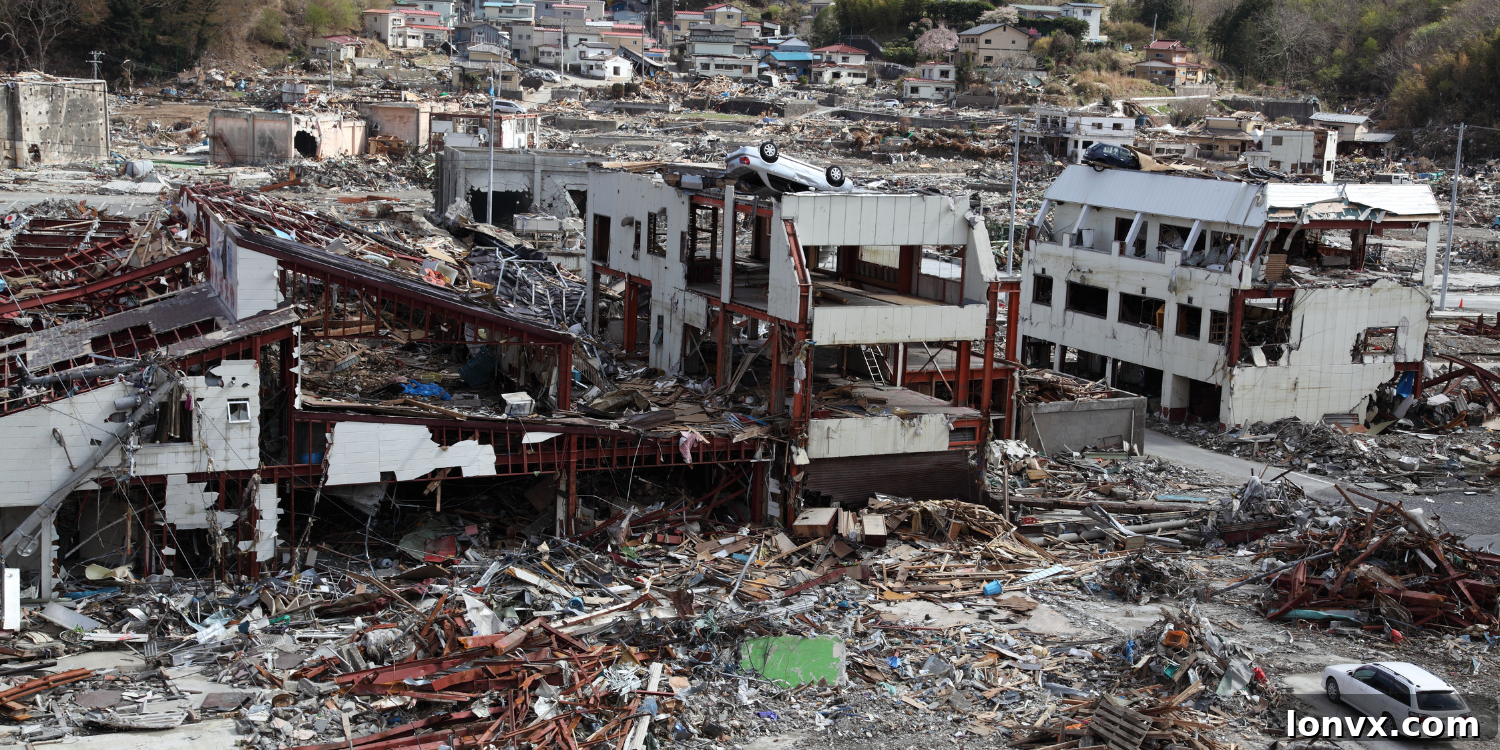
Building performance during the earthquake highlighted significant vulnerabilities. Traditional Japanese post-and-beam construction, known for its heavy and often brittle nature, suffered the heaviest damage. Dr. Porter noted that Japan has historically had low rates of seismic retrofits for these older structures, explaining why many collapses occurred in this particular building type. These older homes, while culturally significant, present a considerable hazard during severe shaking due to their inherent structural weaknesses and lack of modern seismic reinforcement.
Modern Buildings Not Immune: The Threat of Liquefaction
Even modern, engineered buildings were not entirely spared. Instances of collapse due to liquefaction were observed, mirroring events from past earthquakes. One striking example was a seven-story building that appeared to suffer liquefaction beneath its foundation. The building toppled and rotated a full 90 degrees, a dramatic illustration of inadequate foundational support against such ground instability. This phenomenon echoed similar collapses seen in the 1964 Niigata earthquake, where several mid- or high-rise apartment buildings experienced liquefaction failure under their foundations, subsequently rotating onto their sides.
Liquefaction occurs when saturated, loose granular soil temporarily loses its strength and stiffness and behaves like a liquid during an earthquake. This loss of bearing capacity can cause structures to settle, tilt, or even topple over, regardless of their superstructure’s design, if the foundation is not engineered to resist these forces. It’s a critical factor that underscores the importance of ground conditions and proper foundation design in seismic zones.
Beyond Shaking: Tsunami, Fires, and Landslides
The immediate aftermath of Japanese earthquakes often brings a focus on nuclear power plants and tsunamis. While thankfully no nuclear power plants were damaged in this instance, a meter-and-a-half tsunami did occur. The visible damage suggested a general lack of significant tsunami protection along that particular stretch of the coast, leading to predictable coastal destruction.
Fires, though relatively few in number (approximately five) during this earthquake, are a significant secondary risk that often follows seismic events. Dr. Porter emphasized that while the impact on those whose homes burned was devastating, the number of fires could have been far greater. Earthquakes frequently rupture gas lines and water mains, creating both ignition sources and a critical shortage of water for firefighting efforts, exacerbating the risk of widespread conflagrations.
Additionally, the earthquake triggered landslides that undermined some buildings. Modern construction techniques, while robust against direct shaking, often do not inherently prevent ground instability like landslides, especially in vulnerable topographical areas.
Crucial Lessons for Global Preparedness
While the New Year’s Day earthquake was serious, it was nowhere near the magnitude of the 2011 Tohoku earthquake. Nevertheless, it delivered stark, unpleasant lessons, clearly signaling that Japan must elevate its efforts in mitigating vulnerable buildings. The large number of people rendered homeless by this event highlights a predictable outcome that decades of awareness have failed to fully address. The challenge lies not in a lack of knowledge, but in the implementation of widespread retrofitting and preparedness measures.
The situation in Japan offers a mirror for other seismically active regions, including North America. Dr. Porter suggests that North America, particularly California, is making better strides in retrofitting vulnerable buildings. California has proactively mandated seismic upgrades for certain building types, demonstrating a commitment to addressing known risks before a major event occurs. This proactive approach is a model from which Canada can learn.
Rethinking Japanese Seismic Design: Beyond “Life Safety”
There’s a common misconception that Japan’s seismic design standards are inherently superior to those in Canada or the United States. However, Dr. Porter clarifies that Japan’s primary goal in rare shaking events is often “life safety”—meaning a building is considered successful if occupants can escape alive, even if the structure is a total economic loss. While saving lives is paramount, this approach often leaves communities with widespread homelessness, displaced businesses, and massive economic disruption. The goal should extend beyond mere survival to ensuring a level of resilience that allows buildings and communities to remain functional and economically viable after an earthquake, minimizing long-term societal and financial impact.
Canada Can Do Better: Building a Resilient Future
The good news is that the knowledge and technology to build more resilient structures exist. While no country, including the United States, Canada, or New Zealand, has perfected earthquake resilience, the capacity to do so is within reach. Investing in stronger, stiffer, and more earthquake-resilient buildings would ultimately prove less costly in the long run, reducing post-disaster recovery expenses and minimizing societal disruption. The engineering principles and construction techniques required are well-understood.
The Indispensable Role of Deep Foundations
When discussing liquefaction, Dr. Porter emphasized the importance of deep foundations. Unlike the “spread footings” seemingly used for the seven-story building that toppled in Japan, deep foundations such as driven piles or drilled piers extend below the liquefiable soil layer into more stable ground. This approach significantly reduces the potential for liquefaction-induced damage, providing a secure anchor for structures. The incremental cost of installing a deep foundation when building in a seismic zone is a wise and often critical investment that safeguards against catastrophic failure and long-term economic losses.
Empowering Real Estate Professionals and Homeowners
The implications of seismic risk extend directly to the real estate market. Both real estate practitioners and homeowners have a vital role to play in mitigating these risks and enhancing property value.
Actionable Advice for Residential Real Estate Practitioners
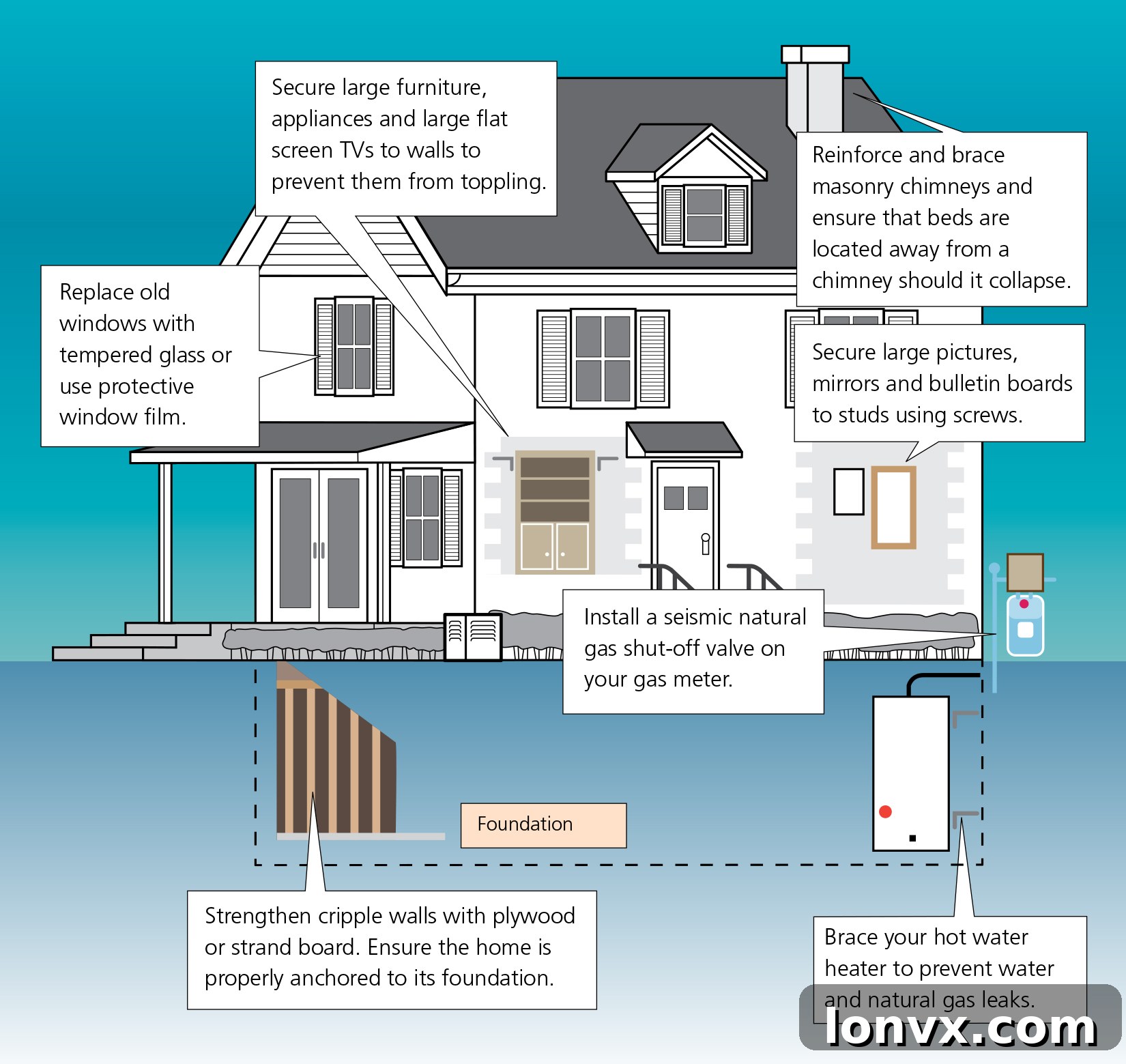
Dr. Porter offers direct advice for realtors: “Get ahead of the disclosures.” He strongly recommends that before listing a residential property, agents should encourage sellers to conduct a thorough inspection. Identifying and addressing vulnerabilities such as unbraced cripple walls (the short framed walls between the foundation and the first floor) or a lack of foundation bolts *before* the house goes on the market is crucial. Proactively solving these problems, and then marketing the home as seismically upgraded, can not only prevent issues during buyer inspections but can also add significant market value and streamline the negotiation process. A home with documented seismic retrofits offers peace of mind and tangible value to prospective buyers in earthquake-prone areas.
Maximizing Investment and Reducing Risk for Homeowners
For homeowners, building or modifying a structure with seismic risk in mind is a sound decision. Retrofitting an existing house for greater resiliency can often be achieved at a relatively low cost, especially when considering the potential alternative costs of repair or rebuilding after an earthquake. Dr. Porter recommends consulting resources like the ICLR homeowner earthquake guide for practical advice and steps.
Beyond personal safety and peace of mind, there’s a significant financial incentive. Waiting until a property is listed to address seismic vulnerabilities often puts sellers at a disadvantage during disclosures and buyer inspections, potentially leading to lower offers or deal cancellations. In markets like California, where seismic risk is well-understood, seismic retrofits have a demonstrable market value, translating directly into a better return on investment.
Addressing Vulnerabilities in Multi-Unit Buildings
For clients owning mid-rise apartment buildings, there are specific risks and opportunities for mitigation. One of the most common weaknesses in these structures is “tuck-under parking.” This design features an open ground floor, often with parking, and fewer structural walls, creating a “soft story” that is highly vulnerable to collapse during an earthquake. While not inexpensive (estimated at $15,000-$20,000 per unit for retrofitting), it is a relatively straightforward structural correction. The severity of this problem has led some communities in California to mandate such retrofits, recognizing the widespread risk to residents.
Another often-overlooked risk is fire following an earthquake. Seismic shaking can rupture gas lines, igniting fires, and simultaneously break water mains, crippling firefighting efforts. Road infrastructure disruptions can further impede emergency services. Beyond strengthening buildings against direct seismic failure, solutions like storing water for firefighting on-site, using large cisterns, can be a critical life-saving and asset-preserving measure. Proactive measures, whether by landlords for multi-unit rentals or condominium boards, are essential, especially for clients with undiversified real estate portfolios, where a single catastrophic loss could be financially devastating.
Seismic Risk Reduction: A National Priority and Personal Investment
Jessica Shoubridge, founding Executive Director of Understanding Risk BC and an expert in natural hazard risk in British Columbia, underscores the broader significance. “This is a financial risk that is not only important to individual British Columbians like me who live in the most gorgeous places in Canada, but it is also considered a financial threat at the national scale,” she states. The potential economic fallout from a major earthquake in a densely populated Canadian region like the Lower Mainland of British Columbia could be immense, affecting national GDP, supply chains, and insurance markets.
Shoubridge emphasizes, “Seismic risk is so catastrophic, and current efforts to address it and fund seismic risk reduction are negligible in comparison. For individuals whose largest asset is their home, the opportunity for seismic risk reduction may be the most important home improvement they make.” This perspective frames seismic preparedness not merely as a safety measure but as a fundamental investment in personal and national financial stability.
Conclusion: A Call to Action for a Resilient Canada
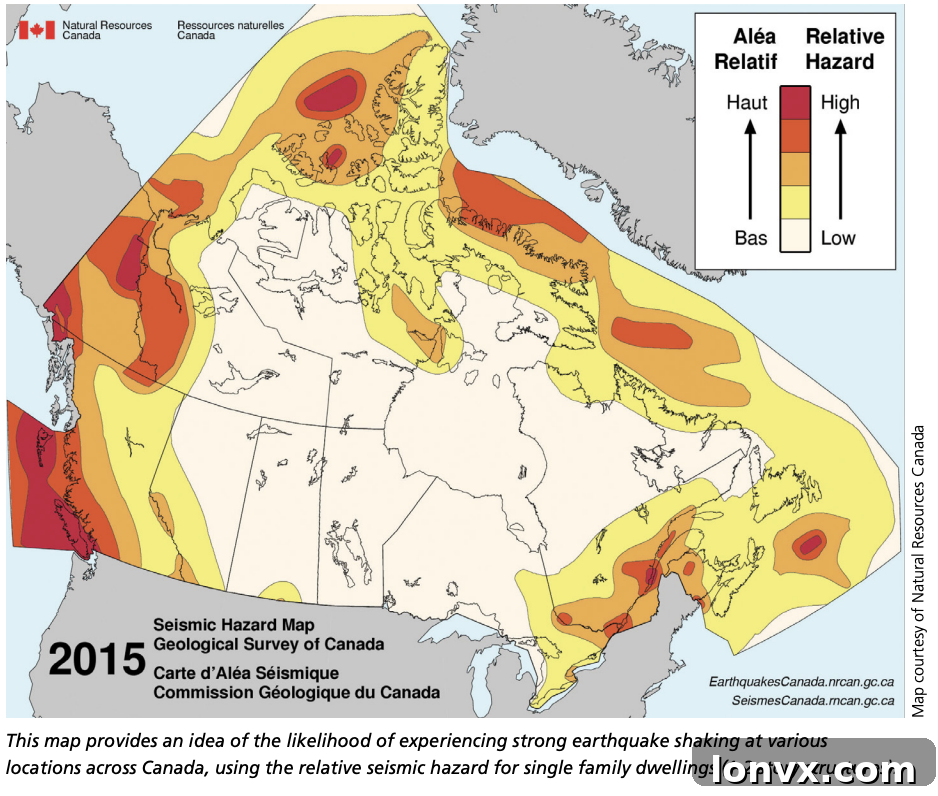
The events in Japan serve as an urgent global reminder of the imperative to address seismic risk. For Canada, a nation with significant but often underestimated earthquake vulnerabilities, particularly in regions like British Columbia and parts of Eastern Canada, proactive preparedness is paramount. From individual homeowners securing their properties to real estate professionals guiding clients and policymakers implementing mandatory retrofits, every step towards seismic resilience contributes to a safer, more stable future.
The insights from experts like Dr. Keith Porter and Jessica Shoubridge underscore a clear message: the knowledge and solutions exist. It is now up to individuals, communities, and governments to translate this understanding into concrete action. Investing in seismic risk reduction is not just about mitigating damage; it’s about building a foundation of security and resilience for Canadian communities for generations to come.
Enjoying this article?
Get the latest REM articles in your inbox 3x week so you stay up to date on the latest in the Canadian real estate industry