The Strategic Advantage of Office Staging: Transforming Commercial Real Estate
While the concept of “staging” has long been a familiar and effective strategy in the residential real estate market, a significant shift is now occurring within the commercial sector. Office landlords are increasingly adopting this powerful practice, meticulously staging vacant office spaces to attract a new generation of tenants, particularly small and medium-sized businesses. This innovative approach, highlighted by reports from industry leaders like CBRE Canada, is reshaping how commercial properties are presented, perceived, and ultimately leased.
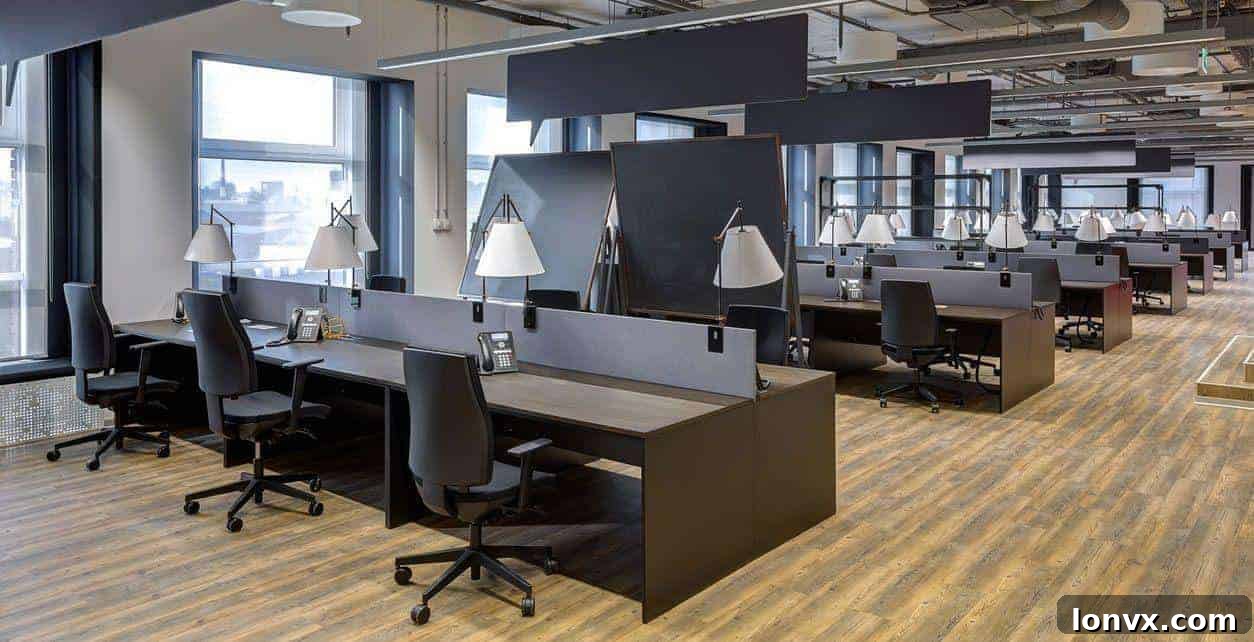
The essence of office staging involves transforming an empty, often impersonal, floor plate into a fully functional and aesthetically pleasing workspace. Landlords are investing in building out these spaces with essential amenities and modern designs. This includes thoughtfully arranged meeting rooms, state-of-the-art kitchen facilities, a harmonious blend of private offices and collaborative open work areas, and inviting, functional reception zones. The primary goal is to enable prospective business owners to immediately visualize their operations thriving within the space, fostering a strong sense of potential and belonging from the very first visit. This proactive strategy significantly reduces the burden on tenants, eliminating the considerable time, expense, and inherent risks associated with designing and fitting out an office space from scratch.
Making a Lasting First Impression: The Power of Visualization
In the competitive landscape of both residential and commercial real estate, first impressions are paramount. A well-staged office space serves as an invaluable sales tool, dramatically enhancing the likelihood of securing a potential occupier. Werner Dietl, EVP and GTA Regional Managing Director of CBRE Canada, emphasizes this point: “Compared to the alternative of simply presenting a tired or empty floor plate, office staging allows a potential tenant to easily visualize their business in the built-out space and picture their operation’s future success.” This psychological impact mirrors the residential market, where a prospective homeowner can envision their family growing and flourishing within a staged home.
However, a crucial distinction exists between residential and office staging. Unlike residential properties where furnishings are often removed once a showing concludes, office staging remains intact, even after a tenant moves into the space. This permanence transforms the staging from a mere presentation tool into an attractive and tangible selling point. Staged offices are specifically designed to cater to small businesses and growing enterprises that often lack the specialized expertise, extensive time, or significant capital required to facilitate the complex process of building out a functional and flexible office environment. For these companies, a ready-to-move-in solution represents immense value, allowing them to focus immediately on their core business activities rather than project management.
A Growing Trend: Attracting the Modern Tenant
The adoption of office staging is more than just a passing fad; it’s a growing trend driven by landlords’ strategic efforts to attract new tenants and effectively fill vacant pockets within their expansive portfolios. These staged units typically range in size from 1,000 to 5,000 square feet, perfectly suiting the needs of smaller businesses. A common characteristic of these leases is their shorter terms, offering greater flexibility to tenants. To offset the landlord’s initial capital investment in the build-out and furnishings, these premium, turn-key spaces are often leased at a slightly higher rate, reflecting the added value and convenience they provide. This premium is typically well-justified by the accelerated move-in times and reduced upfront costs for the tenant.
The increasing popularity of staged offices is particularly understandable when considering the demographic of the modern business landscape. Dietl notes, “Nearly 90 percent of businesses in Canada employ between one and 19 people.” This statistic highlights a vast market of small businesses that have often outgrown flexible co-working spaces but are not yet ready for long-term, conventional leases requiring extensive fit-outs. Staged offices offer an ideal intermediate solution, providing dedicated, professionally designed space without the commitment or upfront investment of a traditional build-out.
The Natural Progression of Growth: From Co-working to Staged Spaces
For many burgeoning companies today, the journey often begins in dynamic incubators and highly flexible co-working spaces. These environments offer minimal leasing commitments, sometimes as brief as an hour, and foster a collaborative community spirit. However, as companies mature and their teams expand, typically past three employees, the need for more permanent, cost-effective, and dedicated solutions becomes paramount. The shared nature of co-working can eventually become a hinderance to privacy, brand identity, and consistent team collaboration. Staged offices precisely address this critical transition point, offering a professional upgrade that aligns with a company’s growth trajectory.
A significant portion of office staging initiatives is strategically performed in what are often referred to as “term spaces.” These are typically larger blocks of vacant space for which major tenants might hold a first right of refusal. By staging these offices, landlords can facilitate shorter-term leases to small businesses, effectively de-risking their relationship with existing larger tenants who may not yet be ready to expand. Simultaneously, this practice allows landlords to cultivate new, valuable relationships with growth-oriented tenants who, over time, could become significant occupiers within their portfolio. Furthermore, staging empowers landlords of Class B and C properties to dramatically enhance their competitive edge. By offering tenants modern amenities, contemporary layouts, and a turn-key experience, these properties can directly compete with newer, often more expensive, Class A builds, providing excellent value in desirable locations.
Long-Term Strategy: Nurturing Tenant Growth Within the Portfolio
For discerning landlords, engaging with growth tenants through staged spaces is a deeply strategic, long-term play. Canada’s startup ecosystem, for example, has witnessed an explosive growth in recent years, producing globally recognized success stories like Shopify and Hootsuite. Organizations of this caliber, as they expand and necessitate larger real estate footprints to support their operations, often “graduate” from smaller, staged spaces into more traditional, expansive office environments. This phenomenon presents a unique and lucrative opportunity for landlords: the ability to foster and retain these growing companies within their very own portfolio. By providing suitable, flexible options at each stage of a company’s development, landlords can cultivate enduring relationships and secure long-term occupancy across their various properties.
This strategy of nurturing tenants from early-stage growth to established enterprises is a sophisticated approach to portfolio management. It creates a valuable pipeline of potential long-term tenants and strengthens the landlord’s overall market position. The initial investment in staging these smaller spaces becomes a strategic gateway to securing future, larger lease agreements, demonstrating a forward-thinking commitment to tenant success and market evolution.
Beyond Aesthetics: The Operational Advantages of Staged Office Spaces
The benefits of office staging extend far beyond mere visual appeal; they encompass significant operational advantages for both landlords and tenants. For landlords, a staged office dramatically shortens vacancy cycles. An empty space can sit on the market for months, accruing carrying costs and lost revenue. A move-in ready, attractive space, however, can be leased much faster, minimizing downtime and maximizing profitability. The higher lease premiums associated with these spaces further boost revenue, providing a strong return on the initial investment. Moreover, the quality of tenants attracted to staged offices often leads to more stable and cooperative landlord-tenant relationships, as these businesses are typically focused on growth and efficient operations rather than complex build-out projects.
For tenants, the operational advantages are equally compelling. The immediate occupancy means businesses can establish their presence and commence operations without the typical months-long delay involved in custom fit-outs. This speed-to-market is critical for agile startups and growing companies. Furthermore, the pre-designed nature of staged offices means tenants avoid the headaches of managing architects, contractors, and interior designers. This significantly reduces project management overhead and allows their teams to remain focused on core business activities. The integrated amenities, from high-speed internet to modern kitchen facilities and collaborative zones, provide a ready-made infrastructure that supports productivity and employee well-being from day one. This holistic approach to commercial leasing is revolutionizing the tenant experience, making professional office space more accessible and less daunting for the modern business.
The Future of Commercial Leasing: Flexibility and Turn-Key Solutions
As the commercial real estate market continues to evolve, driven by changing work patterns, technological advancements, and a growing emphasis on flexibility, office staging is poised to become an increasingly integral component of successful leasing strategies. The demand for turn-key solutions, adaptable spaces, and streamlined move-in processes will only intensify. Landlords who embrace this proactive approach are not merely filling vacancies; they are actively investing in the success of their tenants and, by extension, the long-term vitality of their own portfolios. Office staging represents a powerful intersection of design, strategy, and market understanding, delivering tangible benefits across the commercial real estate ecosystem.
In conclusion, office staging is far more than just interior decoration for commercial properties. It’s a strategic imperative that addresses the evolving needs of modern businesses, particularly the vast and dynamic small business sector. By creating inspiring, functional, and ready-to-occupy spaces, landlords can accelerate leasing, command premium rates, and cultivate a valuable pipeline of growth-oriented tenants, thereby securing a resilient and profitable future for their commercial real estate investments.