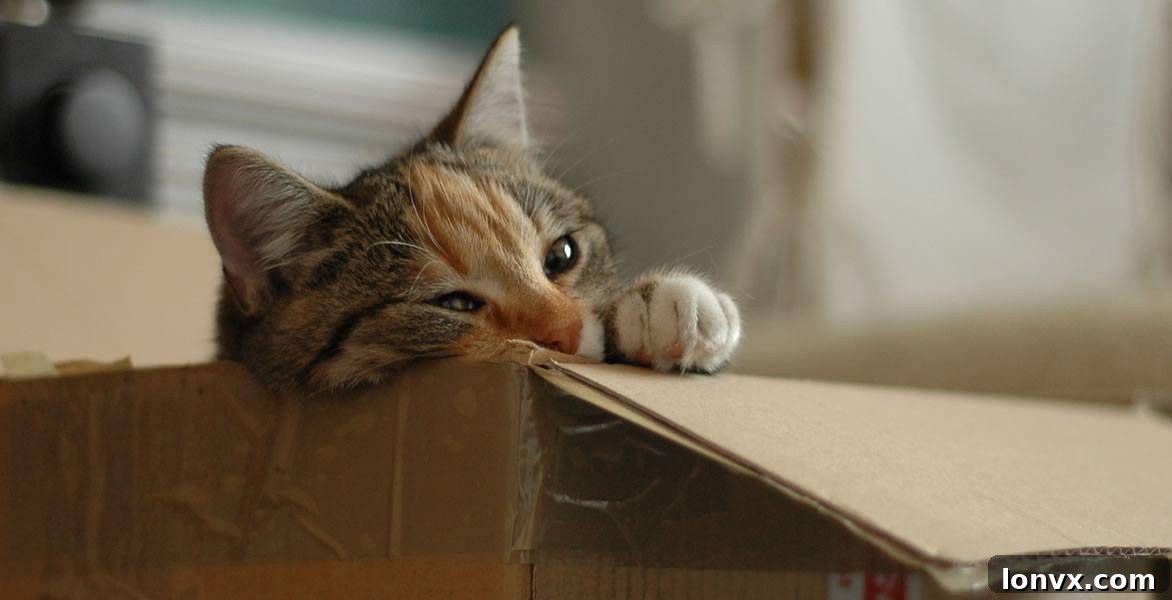
Selling Your Home with Pets: A Comprehensive Guide to Attract Buyers
Selling a property can be a complex endeavor, and the presence of beloved pets often introduces a unique set of challenges that can deter potential buyers. From lingering odors to visible damage and even potential safety concerns, pets can significantly impact a home’s marketability. Understanding these hurdles and implementing proactive strategies is crucial for a smooth and successful sale. This guide offers an in-depth look at how to navigate the home-selling process when you share your space with furry, feathered, or scaled companions, ensuring your property appeals to the widest possible audience.
As Karri Flatla of Re/Max Real Estate in Lethbridge, Alberta, wisely observes, “Pets can really make a home feel too personalized and put people off. When they are looking at a home, they want to be able to imagine it as their home with their things in it. It’s always best to get the pets out of a home during a showing when you can.” This sentiment underscores a core principle: buyers need to envision themselves in the space, free from the distractions or impressions of the current occupants’ lives and, especially, their pets.
The Pet Problem: Why Animals Can Deter Potential Buyers
The reasons why pets can complicate a home sale are varied and deeply rooted in human perception and practical concerns. While many people adore animals, a significant portion of potential buyers may not share the same enthusiasm, or they may have specific reasons for being wary of a pet-occupied home.
Odor: Beyond the Sniff Test
Perhaps the most immediate and impactful deterrent is odor. Homes with pets, particularly those with dogs, cats, or small caged animals, can often develop a distinct smell that homeowners may become accustomed to, but which is instantly noticeable to visitors. Pet odors can permeate carpets, upholstery, draperies, and even wall paint. This isn’t just a minor issue; a strong pet odor can trigger an immediate negative reaction, making it difficult for buyers to focus on the home’s positive attributes. The brain associates scent with memory and impression, and an unpleasant smell can create an insurmountable barrier, making buyers feel the home is unclean or poorly maintained, even if it isn’t.
Damage: From Scratches to Structural Issues and Legal Risks
Pets, by their very nature, can cause wear and tear on a home. Common issues include scratched doors, baseboards, and hardwood floors; stained carpets; chew marks on furniture or trim; and hair accumulation in every nook and cranny. While some damage is superficial, other issues can be more severe, leading to significant repair costs and even legal complications. Flatla highlights a crucial point: “I’ve read of a case where the sellers had pets and there was urine damage in the carpet – but sometimes it will pass through the carpet and the underlay and go straight on to the sub-floor. In this case, they’d cleaned it all up really well, but when the new buyers moved in, they discovered damage to the sub-floor. Suddenly you’ve got a lawsuit about how the place was presented and whether or not the sellers knew about the flooring and if it should have been disclosed.” This scenario underscores the critical importance of addressing and, if necessary, disclosing any significant pet-related damage to avoid potential lawsuits down the line. Undisclosed damage can erode trust and negatively impact the sale’s outcome.
Personalization vs. Neutrality: Imagining a New Life
A key aspect of successful home staging is creating a neutral environment where prospective buyers can easily envision themselves and their families living. Pet belongings—food bowls, beds, toys, crates, and even leashes—contribute to a sense of personalization that is specific to the current owners. This makes it harder for buyers to project their own lives onto the space. When a home is filled with evidence of someone else’s pets, it can feel less like a blank canvas and more like a pre-occupied territory, hindering the buyer’s emotional connection to the property.
Allergies and Phobias: A Barrier to Entry
The human element is perhaps the most unpredictable. There are staunch animal lovers, and then there are those who are indifferent or even outright averse to pets. More critically, a significant portion of the population suffers from pet allergies, which can range from mild discomfort to severe respiratory reactions. Even if a home is meticulously cleaned, residual pet dander can trigger allergic responses, making a showing a miserable experience for affected buyers. Furthermore, some individuals may have phobias or anxieties around certain animals, making them reluctant to even enter a home where pets are present, regardless of how well-behaved they might be.
Safety and Liability Concerns
Beyond personal preferences, there are tangible safety and liability issues associated with pets during showings. Flatla emphasizes, “Think of the safety issues as well as the liability issues. All kinds of people will come to an open house or a house showing. Elderly, small children, people related to the potential buyers. While they may be perfectly okay with pets being home during their house tour, there may be a safety problem.” This concern covers everything from a dog accidentally tripping a child or an elderly visitor, to a cat darting underfoot, or even the remote possibility of a bite, which opens the door to significant liability for the homeowner.
Pet-Specific Considerations and Solutions
Each type of pet presents its own unique set of challenges when preparing a home for sale.
Dogs: The Friendly (But Territorial) Guardians
Dogs are often the most visible and vocal residents. Their territorial nature can lead to excessive barking, jumping, or even growling at strangers entering their home. Nose prints on windows and glass doors are common, as are scratches on floors and doors from excited paws. Even well-behaved dogs can be a distraction, drawing attention away from the home’s features. Flatla also warns against common mistakes with outdoor dogs: “Don’t just leave dogs chained up in the yard or in the garage.” Buyers want to inspect the entire property, including the garage and yard, without feeling intimidated or unsafe.
Cats: Masters of Subtle Presence and Potential Hazards
While often quieter than dogs, cats present their own challenges. They can be masters of planting themselves in unexpected places, creating tripping hazards, particularly on stairways or in narrow hallways. Hair and dander are pervasive, and the dreaded litter box odor, even if meticulously cleaned, can be a major turn-off. Scratch marks on furniture and carpets are also common. The key is to minimize their presence and any evidence of their inhabitance.
Exotic and Aquatic Pets: Unique Challenges
Fish in tanks are generally harmless, but larger tanks (over 10 gallons) pose a risk of significant water damage if a leak or spill occurs. Sellers should be asked about any past incidents. Reptiles, while often confined to tanks, can sometimes be perceived as a health hazard. Some reptiles and turtles carry salmonella, a fact that can unnerve buyers. The risk of an escape, no matter how small, can also create anxiety. The presence of exotic pets can make a home feel less inviting and more niche, appealing to a smaller subset of buyers.
Birds: Noise and Nesting Nuisances
Birds can be loud and disruptive, especially during showings when strangers are present. Their cages can also emit odors and create a mess with feathers and seed debris. The continuous chirping or squawking can make it difficult for buyers and agents to communicate and focus on the home’s features, making the experience less pleasant.
Strategic Preparation: Before Showings Begin
Successful home selling with pets requires extensive preparation well before the first potential buyer steps through the door. This phase is critical for neutralizing the home and presenting it in its best possible light.
Deep Cleaning: Eradicating Every Trace
This goes beyond your regular cleaning routine. A truly deep clean is essential to eliminate all evidence of pets. This includes professional carpet cleaning, ideally with enzymatic cleaners designed to break down pet urine and odors. Consider having upholstery professionally cleaned or replaced if heavily soiled. Wash all walls, baseboards, and trim, as pet dander and odors can cling to surfaces. Air ducts should also be cleaned to remove trapped hair and dander, ensuring the air circulating throughout the home is as fresh as possible. Don’t forget to wash all pet bedding and remove it from the premises.
Repairing Pet-Related Damage: Proactive Solutions
Inspect your home thoroughly for any pet-related damage. This includes repairing scratched doors and baseboards, patching chew marks on walls or trim, and replacing any visibly stained or damaged sections of carpet or flooring. Even minor damage can create a perception of neglect, so addressing these issues proactively is paramount. Your sales representative should highlight any visible damage to you, the seller, so you can address it before listing the property.
Odor Elimination: More Than Just a Spray
Masking pet odors with air fresheners is a temporary fix that can actually worsen the problem or make buyers suspicious. True odor elimination requires identifying the source and neutralizing it. After deep cleaning, consider using an ozone generator (professionally, as they require careful handling) or industrial-strength air purifiers with HEPA filters. Open windows regularly to air out the house, especially on days with good ventilation. Ensure litter boxes are impeccably clean and hidden, or better yet, removed entirely during showings.
Decluttering Pet Gear: Out of Sight, Out of Mind
All pet-related items—food and water bowls, beds, crates, toys, leashes, grooming tools—must be completely removed from sight for showings. Store them in a discreet location, such as a garage cabinet, a friend’s house, or a storage unit. The goal is to make it appear as if no pets reside in the home. This simple step significantly reduces the personalization factor and helps buyers envision their own future in the house.
During Showings: The Golden Rules for Pet Owners
When it’s time for potential buyers to visit, a few last-minute steps can make all the difference.
Relocating Pets: The Best Strategy
The single most effective strategy is to remove your pets from the premises entirely during all showings and open houses. This eliminates potential safety issues, distractions, noise, and any chance of allergic reactions. Options include taking your pet to a friend or family member’s house, utilizing a pet daycare service, or going for a long walk or drive. The less visible and audible your pets are, the better the showing experience will be for potential buyers.
Last-Minute Touch-Ups: A Sales Rep’s Toolkit
Even after thorough cleaning, some evidence of pets can reappear. Sales representatives can proactively manage this with a small, specialized toolkit. Flatla’s advice for agents includes bringing:
- A small bottle of glass cleaner for quick clean-ups of nose prints on mirrors and windows.
- A neutral odor sanitizing spray (like Lysol) for refreshing the air, but cautioned not to be used on pet items or furniture directly.
- Paper towels for general quick clean-ups.
- A rechargeable handheld vacuum for stray hairs or crumbs.
- A travel-sized lint remover for any lingering pet hair on furniture.
Upon arrival, a quick scan for nose prints, hair, or any small “accidents” that can be swiftly addressed will ensure the home is pristine. Quickly stashing pet bowls and bedding in the most unobtrusive location possible, if they couldn’t be removed, is also a good final step.
Securing Outdoor Spaces
If for some unavoidable reason a pet must remain on the property, it’s imperative to ensure they are securely contained in a way that does not deter buyers from fully exploring the outdoor areas. However, as previously stated, removing them completely is always the superior option. Remember, buyers will want to assess the entire property, including the yard and garage, without any barriers or feeling of apprehension.
Disclosure: Navigating Potential Issues
When significant pet-related damage has occurred, such as the sub-floor urine damage Flatla described, sellers must carefully consider disclosure requirements. Transparency about known issues is not only ethically sound but can prevent costly lawsuits and legal disputes after the sale is complete. Work closely with your real estate agent to understand your local disclosure laws and determine what information must be shared with prospective buyers. Being upfront about issues, even if repaired, can build trust and facilitate a smoother transaction.
Conclusion: Achieving a Paw-sitive Sale
While selling a home with pets presents distinct challenges, these are not insurmountable. By understanding the concerns of potential buyers—from odors and damage to allergies and safety—and implementing a comprehensive strategy, you can significantly improve your home’s appeal. Deep cleaning, proactive repairs, meticulous staging, and, most importantly, ensuring pets are off-site during showings are key steps. With a little extra effort and attention to detail, a home that once felt personalized by your beloved companions can be transformed into a neutral, inviting space that truly sparks imagination for every prospective buyer. Ultimately, with careful planning and execution, achieving a successful and “paw-sitive” sale is well within reach.