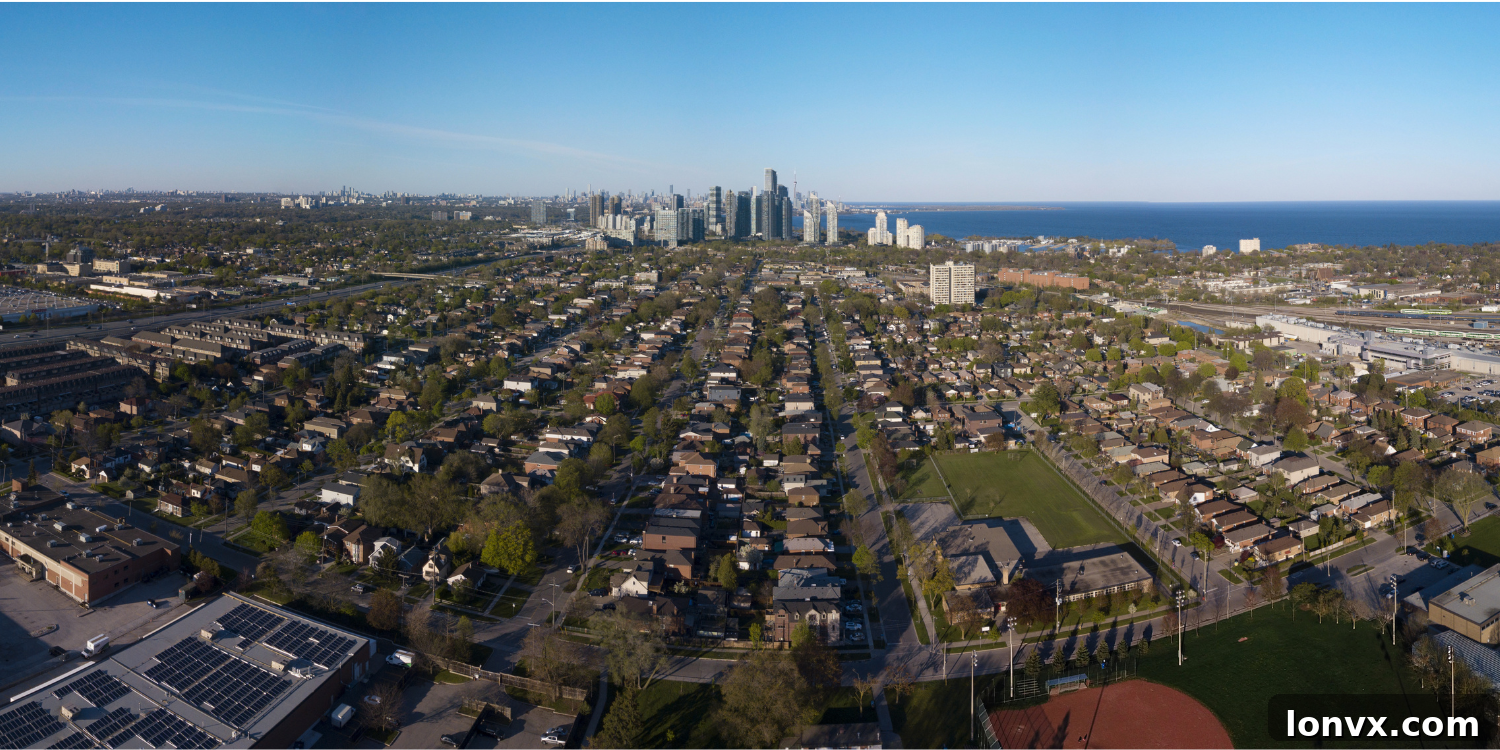
Addressing Canada’s Housing Crisis: Unlocking Affordability in the Greater Golden Horseshoe
The aspiration of homeownership, once a foundational element of the Canadian dream, is steadily receding from the grasp of countless citizens. While the housing crisis demands a concerted effort from all levels of government, a substantial portion of the responsibility falls upon municipalities. They are uniquely positioned to accelerate the construction of desperately needed housing supply, supported by crucial financial backing from provincial and federal governments. The Greater Golden Horseshoe (GGH), a dynamic and rapidly growing region, critically needs more homes, and it needs them now. Innovative, forward-thinking solutions are paramount to unlocking the immense potential for accelerated housing development and restoring affordability for families and individuals across Ontario.
Embracing Innovation: The Promise of Modular and Prefabricated Housing
The emergence of modular and prefabricated housing represents a significant opportunity to streamline and expedite the building process. This innovative construction method involves manufacturing building components or entire sections off-site in a controlled factory environment before transporting them to the construction site for assembly. This approach offers numerous advantages over traditional on-site construction:
- Speed and Efficiency: Factory production is not subject to weather delays, allowing for parallel construction processes (foundation work on-site, module fabrication off-site). This can drastically cut down construction timelines, often by 30-50%.
- Cost-Effectiveness: Reduced construction time translates to lower labor costs and less waste. Bulk purchasing of materials for factory production can also lead to economies of scale.
- Quality Control: Manufacturing in a controlled environment ensures higher precision and consistent quality, leading to fewer defects and better energy efficiency.
- Reduced Environmental Impact: Factory settings allow for better waste management and recycling of materials, contributing to more sustainable building practices.
- Addressing Labor Shortages: Modular construction can alleviate pressures from skilled labor shortages on construction sites by shifting more work to factory settings, which may require different skill sets.
Despite these compelling benefits, developers embracing modular construction frequently encounter a complex web of regulatory challenges. Outdated building codes, unfamiliarity among municipal planning departments, and inconsistent permitting processes can stifle the adoption of these modern techniques. For Ontario to meet its ambitious housing targets, it is imperative that municipalities actively work to simplify these processes, cut through bureaucratic red tape, and wholeheartedly embrace standardized designs. Such proactive measures will pave the way for a more efficient housing supply that adequately meets the escalating demands of a growing population.
Strategic Density: Optimizing Underutilized Infrastructure
A critical component of restoring housing affordability involves strategically introducing much-needed density into existing areas that possess underutilized infrastructure. Many communities already have the roads, transit, water, and sewage systems in place to support more residents, but restrictive zoning often prevents higher-density developments. By focusing on infill projects and allowing for more diverse housing types within established neighborhoods, municipalities can maximize the efficiency of public investments and create vibrant, mixed-income communities. Streamlining the planning and approval process for these developments is essential to unlock their full potential. This includes faster permit approvals, clear guidelines, and consistent application of regulations, ensuring that projects can move from conception to completion without unnecessary delays.
Navigating Obstacles: Regulatory and Financial Hurdles to Housing Supply
The path to increased housing supply is fraught with significant challenges, both regulatory and financial, that demand urgent attention from policymakers:
Exorbitant Development Charges and Taxes
A major and often overlooked contributor to the escalating cost of housing units in Canada is the burden of development charges and municipal taxes. These fees, levied by local governments to fund infrastructure needed to support new growth, can add an astonishing 31 percent to the final price of a new home. This substantial cost is invariably passed down directly to homebuyers and renters, exacerbating the affordability crisis. While essential for funding infrastructure, there is a critical need to re-evaluate the structure and magnitude of these charges to ensure they do not become an insurmountable barrier to new construction, particularly for affordable housing initiatives. Creative solutions, such as tiered development charges for different housing types or temporary deferrals for projects meeting specific affordability criteria, could help mitigate this impact.
Mortgage Stress Test and Uninsured Renewals
Another significant hurdle for existing homeowners, particularly amidst fluctuating interest rates, is the mortgage stress test applied to renewals for uninsured mortgages. While the recently introduced Canadian Mortgage Charter has begun to address concerns for insured mortgages, the vast majority of homeowners still face the daunting uncertainty of potentially unaffordable mortgage renewals. This can lead to financial strain, forced sales, and increased instability in the housing market. The City of Toronto and other Greater Toronto Area (GTA) municipalities must actively advocate for comprehensive changes to the Charter, pushing for reforms that ensure all homeowners, regardless of their mortgage’s insured status, have access to fair and competitive mortgage rates and more predictable renewal processes. A more flexible stress test, perhaps with exemptions or adjustments for existing homeowners in good standing, could provide much-needed relief.
Restrictive Zoning and Design Limitations
Outdated zoning restrictions are perhaps the most significant regulatory impediment to increasing housing density and supply. Concepts like angular plane requirements, which dictate how tall a building can be relative to adjacent properties, and overly strict maximum unit allowances per land parcel, severely limit the amount and type of housing that can be built on a given piece of land. These rules, often designed decades ago for a different demographic and market reality, prevent the construction of “missing middle” housing – duplexes, triplexes, townhouses, and low-rise apartments – which are crucial for gentle density and diverse housing options. To overcome these limitations, major cities across the GGH must proactively embrace pre-approved standardized designs for various housing forms, including:
- Garden Suites and Laneway Housing: Smaller, independent units built in backyards or along laneways, offering affordable rental options and increasing density without altering streetscapes.
- Multi-Unit Conversions: Allowing for the conversion of larger single-family homes into duplexes or triplexes, maximizing existing structures.
- Midrise Housing: Permitting buildings of 4-8 storeys along arterial roads and near transit hubs, creating density in strategic locations.
By simplifying the approval process for these types of developments, municipalities can unlock new opportunities to significantly increase housing supply and offer a wider range of housing choices to residents.
Government Commitments: A Step in the Right Direction
Encouragingly, both provincial and federal governments have recognized the severity of the housing crisis and initiated steps toward solutions. A notable achievement from the recent Ontario budget is the commitment to develop an attainable housing program. This program is set to include significant investments in modular construction, a direct acknowledgement of its potential to accelerate building. While there is always more that can be done to robustly support municipalities in their efforts to reach ambitious housing targets, this commitment represents a concrete step in the right direction, signaling a willingness to embrace innovative solutions.
On the federal front, the government has pledged substantial financial support ahead of the 2024 Federal Budget through the recently announced investment of $6 billion into the Canada Housing Infrastructure Fund. This fund is specifically designed to incentivize and increase housing supply by addressing critical infrastructure bottlenecks that often hinder development. The allocation of financing for new purpose-built rentals, a crucial component of increasing rental stock, along with dedicated investment to stimulate the uptake of modular and factory-built construction techniques, are particularly promising initiatives. These measures collectively indicate a growing understanding at the federal level of the need for both financial impetus and a shift towards more efficient construction methodologies.
The Toronto Regional Real Estate Board (TRREB) plays a vital role in this evolving landscape. TRREB consistently advocates for robust collaboration between the provincial and federal governments. They urge policymakers to implement integrated policies that better equip municipalities with the necessary tools, resources, and streamlined access to funding required to effectively build housing and tackle the affordability challenge head-on.
A Call to Action for Bold Leadership
As the Greater Toronto Area (GTA) continues to grapple with escalating housing affordability challenges and increasing pressures on its shelter system, it is absolutely paramount that policymakers across all levels of government step up with decisive and bold actions. The intricate path to balancing housing demands with an adequate supply will undoubtedly require unprecedented courage and concerted effort from the City of Toronto, all GTA municipalities, the Government of Ontario, and the Government of Canada. This collective endeavor necessitates a multi-faceted approach centered on several key pillars:
- Prioritizing the Expansion of Housing Supply: This must be the overarching goal, guiding all policy decisions and investment strategies.
- Embracing Innovative Construction Methods: Actively promoting and incentivizing the adoption of advanced techniques like modular and prefabricated construction.
- Dismantling Regulatory Barriers: Overhauling outdated zoning bylaws, streamlining complex permitting processes, and reducing onerous development charges that impede progress.
By rigorously pursuing these actions, our leaders can begin to address the housing crisis more effectively, creating a more equitable and affordable future for all Canadians. TRREB’s recently released 2024 Market Outlook and 2023 Year in Review report, powerfully titled Taking Action: Housing, Unaffordability & the Social Impact, provides invaluable research, data-driven insights, and concrete solutions that are essential for effectively navigating and ultimately resolving the pressing housing challenges we face today. It serves as a crucial resource for all stakeholders committed to finding sustainable solutions.
Enjoying this article?
Get the latest REM articles in your inbox 3x week so you stay up to date on the latest in the Canadian real estate industry