Suze Cumming, founder of The Nature of Real Estate and Canada’s Real Estate Negotiation guru, answers Realtors’ questions on the first Friday of the month about negotiation tactics and working through tricky situations. Have a question for Suze? Send her an email.
The Indispensable Human Element: Why Negotiation Intelligence is Key for Real Estate Agents in 2026
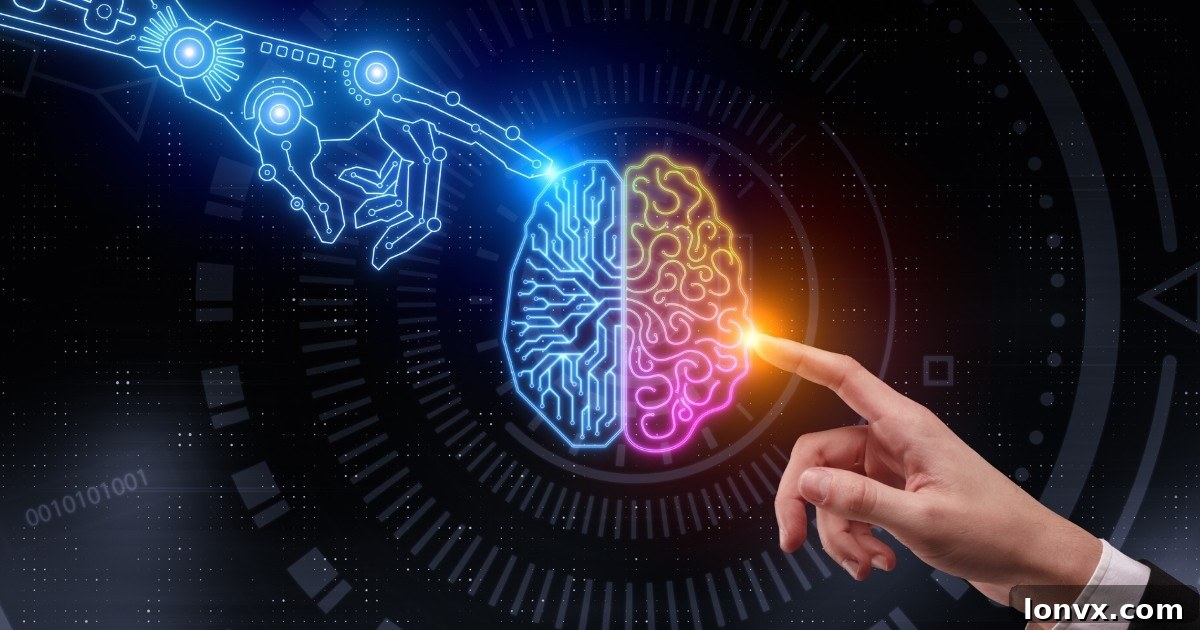
As the real estate landscape continues its rapid evolution, particularly influenced by technological advancements, discussions throughout 2025 heavily centered on the transformative power of artificial intelligence (AI). Industry conversations buzzed with predictions about new tools, innovative platforms, and the unprecedented efficiencies AI promised to deliver. There’s no doubt that AI will continue to profoundly shape various facets of real estate, from sophisticated data analysis and highly targeted marketing strategies to streamlined operational automation. However, as we step firmly into 2026, a crucial insight emerges: the most significant competitive advantage for real estate professionals will not be artificial. It will be profoundly, undeniably human.
In an environment that is becoming increasingly automated and saturated with information, clients are actively seeking and will place a far greater value on agents who possess the unique ability to think with clarity, remain steadfastly grounded amidst uncertainty, and adeptly navigate emotionally charged decisions with both intelligence and genuine care. Future success for agents will hinge less on sheer speed of transactions or maximum visibility through digital channels, and more on their inherent capacity to maintain composure, demonstrate perceptive insight, and remain strategically present during high-stakes conversations that define real estate deals.
While clients may not articulate it using specific industry jargon, they are, with increasing frequency, expecting what we term Negotiation Intelligence. This vital capacity encompasses the ability to effectively regulate one’s own emotions, skillfully manage inherent complexities, communicate with crystal-clear precision, artfully frame strategic options, and meticulously design favorable outcomes, all while performing under considerable pressure. This form of intelligence is no longer merely a desirable trait; it is quietly but resolutely becoming the fundamental standard of professional trust in the real estate sector.
This paradigm shift presents incredibly good news for those agents who are deeply committed to mastering the intricate craft of real estate. As AI becomes an embedded, integral component of marketing efforts, data interpretation, and transactional processes, the true competitive advantage has paradoxically shifted in the opposite direction – towards the cultivation of human and negotiation intelligence. In what is shaping up to be a more balanced and discerning market, agents who are poised to not only maintain but significantly grow their market share are those who can consistently remain grounded and composed under pressure, expertly interpret multifaceted complexities, and guide negotiations with an unwavering sense of clarity rather than resorting to overt force or aggressive tactics. These are far from being “soft skills.” They are, in essence, highly developed, professional capabilities that distinguish true leaders in the field.
Any agent currently grappling with common challenges—such as moving hesitant buyers off the fence, effectively communicating pricing realities to emotionally invested sellers, attracting compelling offers in a competitive market, or simply bringing disparate parties together during tense negotiations—should take heart. These hurdles are not a reflection of personal shortcomings or professional inadequacies. Instead, they are clear indicators of a specific skill gap, and crucially, skills can always be developed, honed, and mastered through intentional practice and dedicated learning.
What 2026 Will Bring: The Human Factor in Real Estate Transactions
The year 2026 promises a heightened emotional landscape for consumers entering real estate conversations. Buyers and sellers alike will often arrive burdened by a complex mix of elevated emotions, significant decision fatigue, acute financial pressure, and a healthy dose of skepticism gleaned from market narratives and personal experiences. It’s crucial for agents to understand that these clients are not intentionally being difficult; rather, they are frequently worried, often overwhelmed, and sometimes even frightened as they navigate what are almost always major life transitions. Recognizing this underlying human condition is the first step towards effective engagement.
Real estate decisions are rarely isolated events. They frequently coincide with, or are directly triggered by, profound personal circumstances such as divorce, the passing of a loved one, a significant job relocation, unexpected financial strain, or even complex family conflicts. These deeply personal realities invariably surface during negotiations, whether we, as agents, consciously acknowledge them or not. Agents who lack the necessary human intelligence to work effectively and empathetically within this emotionally charged environment will inevitably find conversations stalling, relationships hardening, or transactions breaking down altogether. The ability to read between the lines, understand unspoken concerns, and address the human element is paramount.
Therefore, negotiation in the modern real estate market is no longer solely about hammering out the best price. It has evolved into a sophisticated process centered on adeptly managing the intricate human complexity that inherently surrounds significant life decisions. Price is merely one component of a much larger emotional and personal equation.
How You Show Up Matters: Cultivating Professional Trust
In today’s real estate climate, cultivating a calm, confident, and empathetic presence has become absolutely essential for building foundational professional trust and, ultimately, for successfully guiding transactions across the finish line. Conversely, any overt display of anxiety, undue urgency, or defensiveness on the part of an agent will quietly, yet powerfully, erode that trust. When clients perceive these negative states – whether consciously or subconsciously – they instinctively become more guarded, share less critical information, position themselves more aggressively, and consequently, are more prone to making suboptimal decisions that can jeopardize the entire deal.
Consider a familiar scenario: a seller adamantly insists their home is worth $850,000, despite it languishing on the market for three months and recent comparable sales in the area clearly indicating a value closer to $775,000. The anxious or inexperienced agent might react by arguing forcefully, defensively presenting a barrage of data, or, worse still, agreeing to perpetuate false hope, thereby delaying the inevitable and damaging trust. In stark contrast, the grounded, intelligent agent approaches this gap without judgment. They acknowledge the seller’s perspective, gently explore the underlying motivations or beliefs driving that specific number, and, most importantly, create a safe, reflective space for the seller to independently arrive at a more realistic market understanding. This approach empowers the client rather than alienating them.
Effectively managing your own internal reactions and emotional responses while simultaneously remaining genuinely curious and generous in your thinking is now a non-negotiable professional requirement. The very moment a client begins to suspect that the transaction’s outcome or your commission matters more to you than their long-term well-being or the overall success of their personal objectives, trust will immediately begin to weaken. This subtle shift in perception can irrevocably damage the client-agent relationship.
It’s also important to understand that clever tactics, aggressive pressure, and the artificial creation of urgency often make people feel unsafe and manipulated. When individuals feel unsafe or cornered, their natural response is to become defensive. And defensive people, by their very nature, are unwilling and unable to collaborate effectively. True leadership in negotiation comes from creating an environment of safety and mutual respect.
Therefore, calm, deliberate engagement should never be mistaken for passivity or weakness. On the contrary, it is the purest form of leadership. It represents human intelligence consciously and strategically applied at the negotiation table, fostering an environment where mutually beneficial solutions can genuinely emerge.
Deconstructing Negotiation Intelligence: More Than Just Bargaining
Negotiation is far more nuanced and profound than simply arguing over a price during an offer presentation. It is a sophisticated, interdisciplinary field of study, so complex and rich in its nuances that it is rigorously taught at leading business schools and universities worldwide. This complexity underscores its learnable nature, demonstrating that mastery can be achieved through dedicated study and practice, not just innate talent.
At its fundamental core, Negotiation Intelligence encompasses a critical set of interdependent capabilities:
- Managing Emotion Under Pressure: This involves not only regulating your own emotional responses during stressful moments but also empathetically understanding and skillfully navigating the emotions of your clients and often, the emotions of all other parties involved in the transaction. This emotional intelligence is crucial for de-escalation and maintaining focus.
- Strategic Thinking and Adaptability: Real estate negotiations are dynamic. Power dynamics, leverage points, and positional advantages are constantly shifting. Negotiation Intelligence requires the ability to think several steps ahead, anticipate counter-moves, identify underlying interests versus stated positions, and adapt your strategy fluidly in response to new information or changing circumstances.
- Clear, Concise, and Ethical Communication: When the stakes are high, ambiguity can be disastrous. This capability involves communicating complex information with absolute clarity and conciseness, actively listening to understand deeply, and ensuring all communication is consistently ethical and transparent. It’s about conveying your message effectively without misinterpretation.
- Building Collaboration in Moments of Tension: Often, negotiations are fraught with tension that could easily derail progress. A key aspect of Negotiation Intelligence is the ability to proactively seek and build collaboration, even when parties are in disagreement. This involves finding common ground, exploring creative solutions, and fostering a spirit of mutual problem-solving rather than adversarial confrontation.
It is a common misconception that mere experience alone will reliably develop these advanced capabilities. While an agent might theoretically achieve mastery after hundreds of negotiations, in practical terms, agents require a baseline level of competence and confidence in these skills *before* they can truly earn the opportunities that provide such extensive experience. Without intentional, structured development and a proactive commitment to learning, agents can find themselves stuck in an uphill cycle, constantly reacting rather than strategically leading.
Client Expectations in 2026: Seeking Credibility and Guidance
Most consumers entering the real estate market in 2026 are acutely aware of its inherent complexity and volatility. Many have personal stories of trying unsuccessfully to sell a property in previous challenging markets, while others have absorbed cautionary tales from friends, family, or pervasive media narratives. Buyers, too, are navigating an ocean of information and are actively seeking not just data, but a much better interpretation of that information and clearer, more reliable guidance through pervasive market uncertainty.
These discerning clients will naturally gravitate towards agents who exude a sense of steadiness, thoughtfulness, and undeniable credibility. In this evolving market, trust will be built less through persuasive sales pitches and more through the genuine, consistent presence of a knowledgeable and composed professional. Clients will care less about an agent’s personal accolades or self-promotional narratives and significantly more about *how* that agent helps them navigate complex choices and ultimately reach sound, well-informed decisions that align with their best interests.
Negotiation Intelligence is often not something clients can articulate explicitly with words. Instead, it is something profoundly felt. It manifests as a palpable sense of professionalism, a steadfast reliability they can unequivocally count on when the stakes are at their highest. This unspoken assurance is invaluable.
Raising the Professional Standard: Defining Excellence in the New Era
The real estate industry is never short on conversations surrounding technology, the evolving landscape of organized real estate, and myriad predictions about the future of the profession. While these discussions have their place, much of this constant chatter can often be distracting, pulling focus away from what truly matters. What matters most for individual agents is taking direct, proactive responsibility for developing their own professional capabilities and for consistently serving their clients exceptionally well, irrespective of external market forces or technological shifts.
This pivotal moment in real estate presents an unprecedented opportunity to collectively elevate professional standards across the board. As automation continues to increase its footprint, paradoxically, human intelligence – with its unique capacity for empathy, nuance, and strategic interpersonal interaction – becomes more valuable, not less. The agents who will not only survive but truly thrive in 2026 and well beyond will not necessarily be the most aggressive, the fastest, or even the most technologically savvy. Instead, they will be, unequivocally, the most trusted.
That profound trust is meticulously built, one meaningful conversation at a time, through a consistent display of competence, unwavering confidence, and an unshakeable calm. The agents who recognize this fundamental shift early, and commit themselves wholeheartedly to developing these essential human capabilities now, will do more than merely survive the changes that lie ahead. They will be the pioneering professionals who actively define what true professional excellence looks like in this exciting, human-centric next era of real estate.