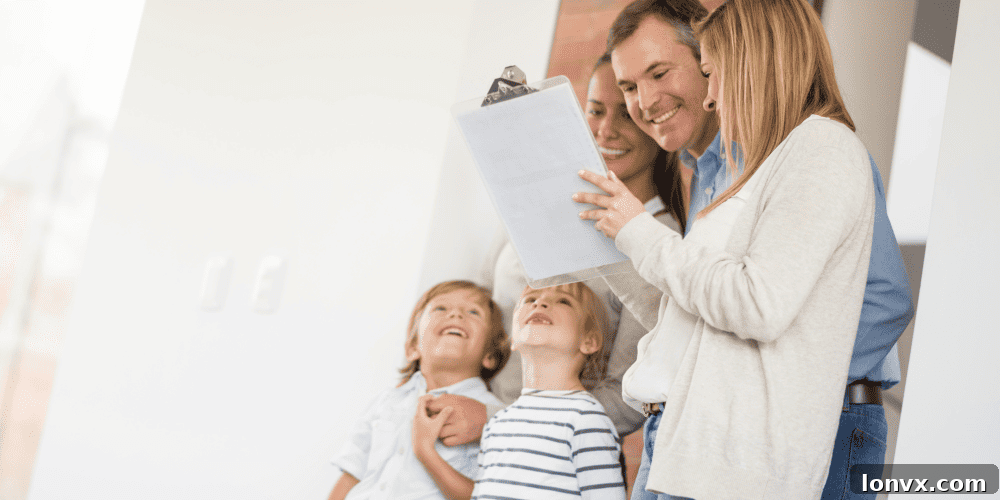
Navigating the real estate market can be an exciting yet challenging journey for families. From scrutinizing listings online to attending open houses and private showings, every step brings you closer to finding your dream home. However, for parents, this process often comes with an added layer of complexity: what to do with the children?
The delightful unpredictability of children, while charming in many contexts, can introduce unique hurdles during property viewings. As Calgary-based realtor, broker/owner, coach, and podcaster Michael Montgomery fondly recalls, he’s witnessed everything from a toddler using freshly painted walls as an artistic canvas for their markers, leading to “a difficult conversation with the homeowner,” to a young boy deciding to relieve himself over a balcony during a showing. These anecdotes, though humorous in retrospect, underscore the very real challenges parents and real estate professionals face when children accompany them to potential new homes.
This comprehensive guide delves into the multifaceted considerations of bringing children to real estate showings and open houses, offering practical advice for parents and realtors alike to ensure a smoother, safer, and more effective home-buying experience for everyone involved.
The Delicate Balance: Children at Showings and Open Houses
The decision of whether or not to bring children to property viewings is a significant one for many clients. On one hand, parents naturally want their children to feel included and excited about the prospect of a new home. Involving them can foster a sense of ownership and belonging, making the transition easier. On the other hand, a myriad of potential challenges can arise, from behavioral concerns and safety risks to logistical limitations and even an unwitting impact on negotiation strategies.
During these times, particularly with lingering public health considerations from the global pandemic, restrictions on the number of individuals allowed at a showing can further complicate matters. If a reliable babysitter isn’t available, parents may find themselves with limited options, forcing them to bring their little ones along. Michael Montgomery notes that bringing infants (especially those “babes in arms”), older children, or teenagers is generally easier. However, he offers a crucial caveat: “babies’ diapers should never be changed in the sellers’ home,” emphasizing the need for respect for the current homeowners’ property.
Understanding the Risks: Property Damage and Safety Concerns
The primary issues associated with children at showings typically involve toddlers and younger children, generally up to about seven years old. These age groups, characterized by their boundless energy and developing impulse control, present unique challenges. One major concern is the potential for property damage. As Montgomery’s marker incident illustrates, a moment of distraction can lead to costly repairs and awkward conversations between realtors and homeowners. Beyond intentional markings, accidental breakages of delicate items or inadvertent damage to fixtures can occur, potentially incurring unexpected costs and jeopardizing the relationship between buyer, seller, and agent.
Beyond property damage, liability and safety concerns are paramount. Sellers cannot reasonably be expected to childproof their homes for the benefit of potential buyers’ children. This means hazards that might not be immediately apparent to an adult can pose significant risks to a curious child. Think about open stairwells, accessible cleaning products under sinks, unsecured windows, delicate ornaments within reach, or even a backyard pool lacking appropriate safety barriers. The risk of a child taking a tumble, handling personal items, or even wandering into restricted areas is ever-present, creating a stressful environment for all parties involved and potentially leading to serious accidents or legal complications.
“It can be stressful for the buyers as they have to swivel, to watch the children while going through the home,” explains Montgomery. “They’re so focused on the child that they can lose focus on the house. They’re distracted.” This distraction can be detrimental, preventing buyers from thoroughly assessing the property, noticing crucial details, or envisioning their lives within the space. They might miss structural nuances, important features, or potential red flags about the home itself. Open houses, with their higher traffic, more relaxed atmosphere, and multiple competing distractions, tend to exacerbate these issues more than private viewings. Montgomery strongly advises opting for a private viewing whenever possible to mitigate some of these challenges, as it allows for a more controlled environment.
The Unfiltered Truth: How Kids Can Impact Negotiations
One of the more unexpected, yet potentially impactful, consequences of bringing children to showings relates to the negotiation process. “Kids have no filter,” Montgomery sagely reminds us. While rare, instances where buyers’ children encounter sellers can lead to inadvertent disclosures that could compromise your negotiating position. He recounts a memorable story shared by a colleague: a child proudly declared to the homeowner, “My parents are going to buy this house!”
Indeed, the parents did purchase the house. However, as Montgomery notes, they were forever left wondering if, without that premature announcement spilling the beans, they might have secured the property for a lower price. This scenario highlights the delicate balance of information in real estate transactions and how an innocent comment from a child can potentially shift leverage, costing buyers valuable negotiation power. The excitement of a child, while endearing, can inadvertently reveal too much interest, limiting the buyer’s flexibility to negotiate terms or price effectively.
Given these potential pitfalls, realtors often face the sensitive task of gently suggesting to clients that, where feasible, toddlers and young children are best left at home with a sitter. “I definitely would,” affirms Montgomery. To ensure this advice is received positively and to avoid any client discomfort or misunderstanding, he also offers thoughtful alternatives and strategies, emphasizing empathy and practical solutions.
Smart Solutions and Parental Strategies for Showings
Recognizing that leaving children at home isn’t always an option for every family, realtors and parents can employ several strategies to ensure a more successful showing experience. These approaches aim to minimize disruption, enhance safety, and allow parents to focus on evaluating the property effectively:
1. The “Tag-Team” Approach
Montgomery suggests an effective method for couples: “I’ve had one parent stay with the child in a vehicle, while the other goes through the house, then they switch.” This allows each parent to focus completely on the property inspection without distraction, ensuring a thorough evaluation of the home while keeping children safely and comfortably occupied outside. This method is particularly useful for longer showings or when children are very young and require constant supervision.
2. Bringing Dedicated Supervision
Another viable option, if all parties are comfortable, is to bring a dedicated sitter or family friend along to occupy the children while the parents tour the house. This provides on-site supervision, allowing children to be present but managed, minimizing disruption and freeing the parents to concentrate on the property. The designated supervisor can keep the children engaged in a designated safe area, such as a backyard (if secure) or a specific room, always with an eye on safety and property respect.
3. Entertainment and Engagement are Key
Keeping children contained and occupied is paramount for a smooth showing. Electronic devices loaded with favorite games or movies (with headphones), or a beloved toy or book, can be invaluable tools to hold their attention quietly. Rafia Shetye, a realtor and developmental support worker from Markham, Ontario, proposes an ingenious idea: offering puzzles or coloring books to children at showings. She frames these as rewards for good behavior and for being “good assistants,” explaining that “involving children in these ways can help them feel a sense of control and ownership.” This approach not only keeps children engaged but also subtly fosters their involvement in a positive, constructive manner, turning a potentially boring experience into a positive one.
Moreover, leveraging technology can be beneficial even before the physical visit. While parents physically tour the home, a sitter or family friend (whether at home or brought along) could engage the children by viewing a virtual tour of the property with them simultaneously. This makes the experience interactive and educational for the kids, allowing them to feel part of the process without direct physical presence disrupting the showing, and perhaps even sparking their excitement for the potential new home.
Navigating Pandemic Protocols and Realtor Guidance
The landscape of real estate showings underwent significant changes during the global pandemic, and many of these protocols persist, especially in densely populated areas. Royal LePage agent Sam Cuda stresses the critical importance of adhering to the listing agents’ instructions. He notes that restrictions on showings, while relaxing in some areas, remain strict in places like the Greater Toronto Area, where he operates, often due to high demand and continued health concerns.
Strict showing instructions often limit attendance to “no more than two to four people at an appointment and sometimes prohibit children altogether,” Cuda observes. “Covid has changed things so much. I used to go to showings where kids were bouncing around everywhere. I don’t see that now.” This reality means that parents must be prepared for the possibility that bringing children may not even be an option in certain situations, making prior communication with their realtor absolutely essential. Understanding and respecting these guidelines is not just about compliance, but also about ensuring a safe and efficient process for all.
The Realtor’s Role: Empathy, Education, and Engagement
Realtors play a crucial role in guiding their clients through this aspect of the home-buying process. Proactive communication about expectations, potential challenges, and available solutions is key. By setting clear guidelines and offering empathetic advice, realtors can help manage client expectations and provide practical solutions. Beyond simply advising clients, realtors can also contribute to a positive experience when children are present, fostering a more harmonious environment for the showing.
Sam Cuda, a former teacher, often employs a simple magic trick when families bring children along, promising another trick later if they exhibit their best behavior. “It really works!” he claims. This engaging approach can immediately establish a rapport with the children and set a positive tone for the viewing, making them more receptive to instructions and encouraging good conduct throughout the visit.
Fundamentally, Cuda emphasizes that “It’s about respecting people’s properties.” He ensures that children are closely supervised and are clear on the rules before entering the home. This includes explaining what areas are off-limits, the importance of not touching personal items, maintaining a calm demeanor, and staying close to their parents or supervisor. Setting clear boundaries and expectations in a kind but firm manner can make a significant difference in preventing potential issues and ensuring the property is treated with care.
Tips for Parents Before a Showing:
- Communicate with Your Realtor: Discuss your childcare situation and any concerns beforehand. Your agent can advise on specific property rules and help strategize.
- Set Expectations with Your Children: Explain that you’re visiting someone else’s home and what good behavior looks like. Emphasize quiet voices, gentle hands, and staying together.
- Bring Distractions: Pack a bag with quiet toys, books, or a tablet with headphones. Ensure these items are engaging enough to hold their attention for the duration of the showing.
- Feed Them First: A well-fed child is often a happier, less fussy child. Avoid bringing messy snacks or drinks inside the home to prevent spills and stains.
- Plan Short Visits: If possible, schedule shorter viewing times to minimize fatigue and restlessness. Young children have limited attention spans, so brief, focused visits are often more productive.
- Reinforce Rules: Remind children about gentle hands, quiet voices, and staying close to you. Consistent reminders can help prevent misbehavior.
- Dress Appropriately: Choose comfortable clothes for your children that allow for easy movement but are also neat, reflecting respect for the property.
Conclusion: A Harmonious Home Search
While the prospect of combining an active home search with managing young children might seem daunting, it is certainly manageable with thoughtful planning, clear communication, and a collaborative approach between parents and their real estate agents. By understanding the potential challenges, respecting property guidelines, and implementing proactive strategies, families can navigate the complexities of showings and open houses more smoothly and effectively.
Ultimately, the goal is to create an environment where parents can fully concentrate on evaluating their potential new home, realtors can conduct their business professionally, and the current homeowners’ property is treated with the utmost respect. With a little preparation, a lot of understanding, and the right strategies in place, finding that perfect family home can be an enjoyable and rewarding experience for everyone, even the youngest members of the family, paving the way for a smooth transition into their new chapter.