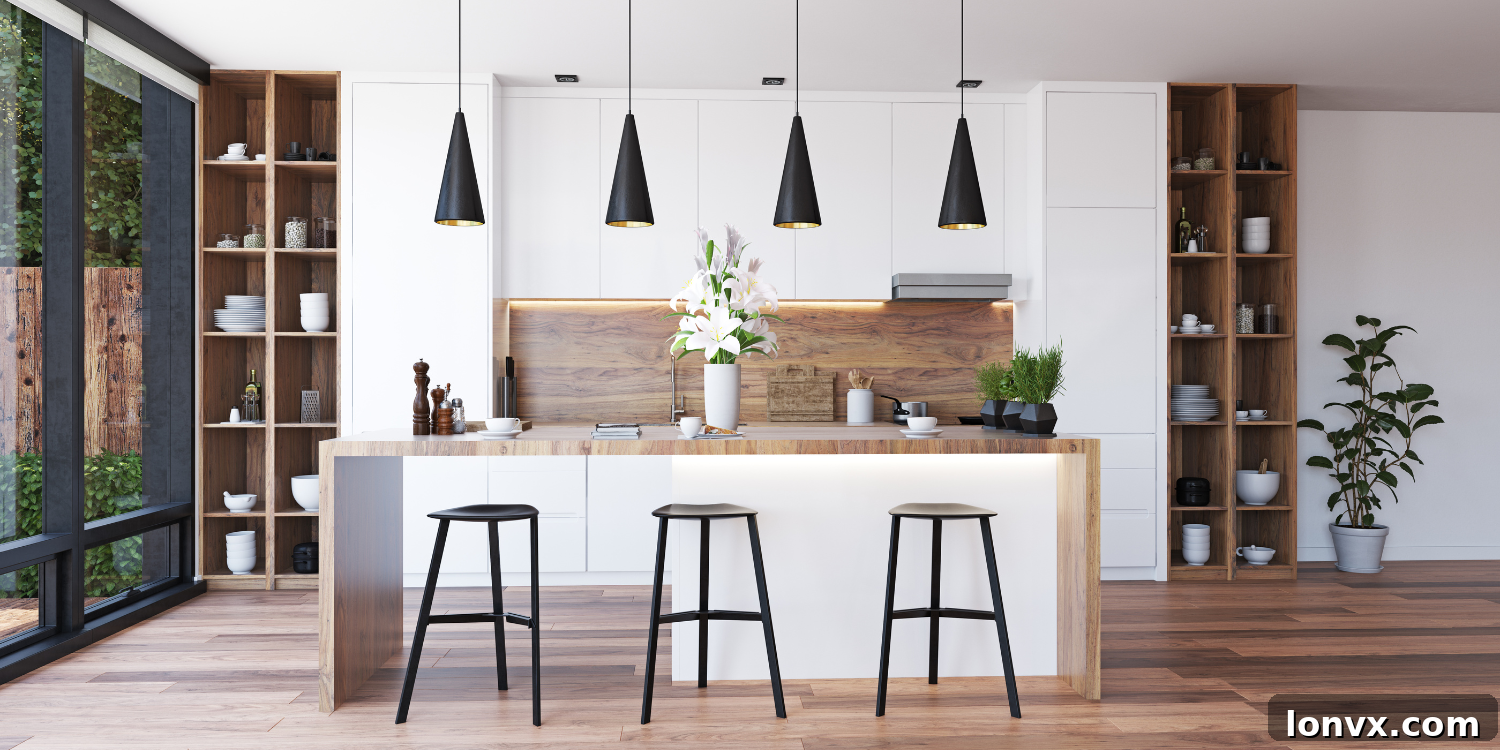
The Indisputable Value of Home Staging: An Investment, Not An Expense
Home staging often sparks debate among homeowners and sellers. While its efficacy in enhancing a property’s appeal is widely acknowledged, the perceived cost can sometimes be a deterrent. However, viewing home staging merely as an expense overlooks its profound strategic value. This comprehensive guide aims to demystify the investment in professional home staging, meticulously breaking down why it delivers exceptional value for money and how it can significantly impact your property sale, transforming it into a more profitable and streamlined process. Understanding the intricate mechanics behind staging costs reveals not just an expenditure, but a potent marketing tool designed to accelerate sales, maximize returns, and elevate your property’s market presence in today’s competitive real estate market.
Why Home Staging is a Smart Investment
Let’s delve deeper into the core reasons why investing in professional home staging is not just a good idea, but often a crucial step for a successful property sale.
1. A Professional Touch Demands Expertise and Experience
Home stagers are far more than interior decorators; they are seasoned marketing strategists with a specialized understanding of real estate. Their expertise lies in design psychology, current market trends, and intricate buyer behavior patterns. This specialized knowledge allows them to curate environments that resonate deeply with potential buyers, ensuring your property doesn’t just look good, but also “feels right.” Like any other professional service – be it legal, financial, or architectural – the stager’s valuable expertise, extensive experience, and dedicated time command a professional fee. They possess the artistic eye to identify a property’s strengths and weaknesses, the strategic mind to depersonalize and declutter effectively, and the practical skills to optimize flow, light, and perceived space, all contributing to a compelling visual narrative that sells.
2. Quality Furniture and Decor Are Not Optional
Effective staging necessitates the selection or rental of high-quality furniture and decor. These pieces must not only perfectly fit the space but also align with the aesthetic preferences of your target demographic. Quality items naturally come with a corresponding price tag, reflecting their durability, design integrity, and overall visual appeal. These carefully chosen elements are instrumental in creating an aspirational environment, elevating the property’s perceived value, and allowing potential buyers to envision a superior lifestyle. From luxurious sofas and elegant dining sets to tasteful artwork and accent pieces, every item is meticulously chosen to enhance the property’s best features, creating a cohesive and inviting atmosphere that captivates and impresses viewers.
3. Tailored Solutions for Every Unique Property
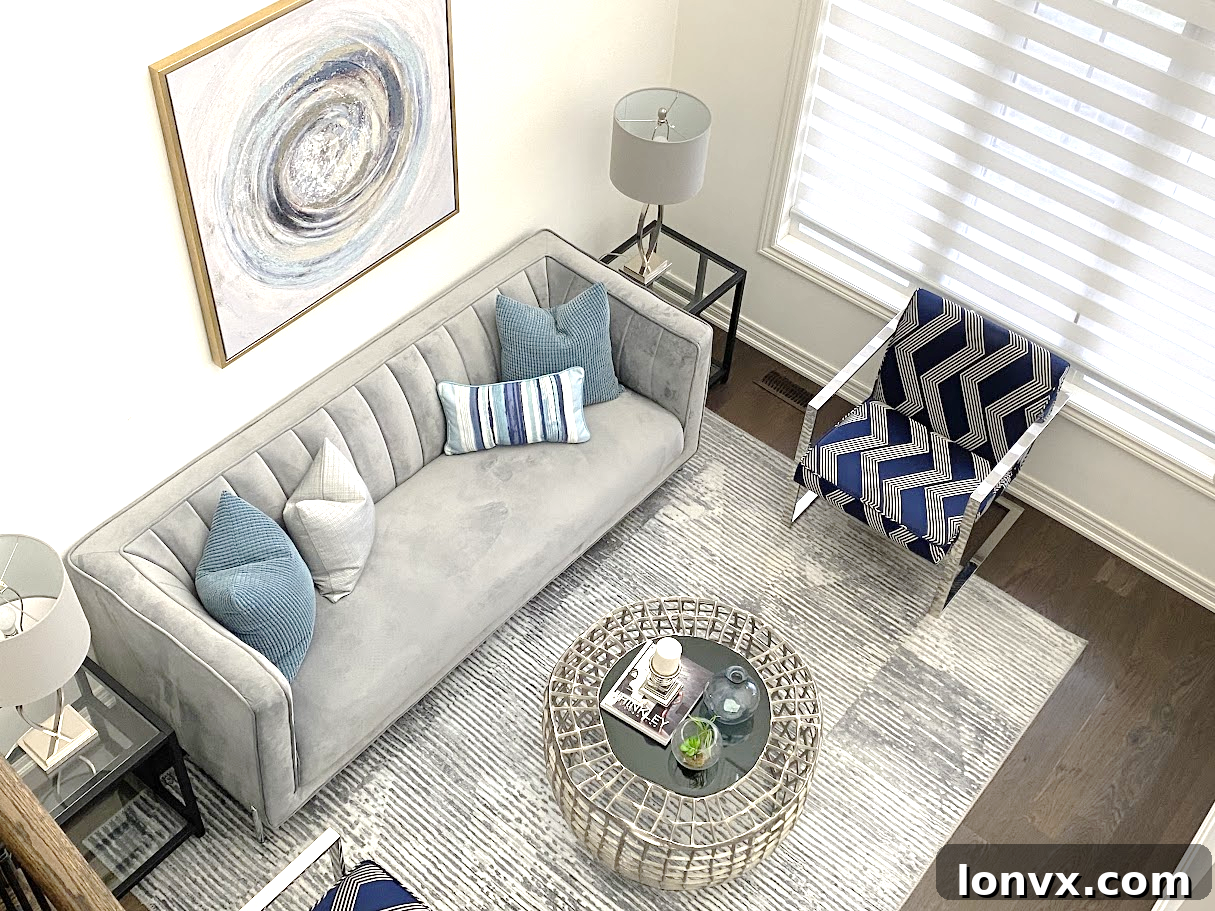
Every property possesses a unique character, layout, and market position, demanding a highly customized approach to staging. Professional stagers invest time in thoroughly assessing the property’s specific dimensions, architectural style, and existing features. They also conduct detailed research into the local market trends and profile the likely target buyer. This personalized attention ensures that the staging strategy is perfectly optimized for your client’s specific needs, highlighting its unique selling propositions and appealing directly to the intended audience. Whether it’s emphasizing spaciousness in a compact apartment or showcasing historical charm in an older home, the staging plan is meticulously crafted to maximize impact.
4. Accelerating the Sale Process: Time is Precious
One of the most compelling advantages of home staging is its proven ability to facilitate quicker sales. In the fast-paced world of real estate, the adage “time is money” holds immense truth. A property that sells quickly can significantly offset the initial staging costs by reducing ongoing expenses such as mortgage payments, property taxes, utility bills, and insurance premiums. Moreover, a swift sale minimizes the emotional and logistical burden on sellers. Statistics consistently demonstrate that staged homes spend considerably less time on the market compared to their unstaged counterparts, leading to a more efficient and profitable transaction for all parties involved.
5. Leveraging Strategic Marketing Principles
Home staging extends beyond mere furniture arrangement; it is a sophisticated application of marketing strategies aimed at creating an aspirational lifestyle for potential buyers. Stagers utilize design principles to evoke specific emotions and skillfully highlight the property’s most attractive features while subtly downplaying any imperfections. They understand that buyers are not just purchasing bricks and mortar, but investing in a dream and a future. By meticulously curating each space, stagers craft a compelling narrative that allows buyers to envision themselves living a desirable life within those walls, fostering a powerful emotional connection that drives offers.
6. Professionalism Adds Tangible and Intangible Value
A professionally staged home sends a powerful and unmistakable signal to potential buyers: this property has been meticulously cared for and thoughtfully prepared for sale. This level of professionalism instills confidence and trust in buyers, suggesting that the property is well-maintained and ready for immediate occupancy. This confidence can significantly justify a higher asking price and reduce the likelihood of lowball offers or prolonged negotiations. Essentially, staging demonstrates a commitment to presenting the property in its absolute best light, showcasing its full potential and making it stand out as a premier option in the marketplace.
Case in Point: The Power of Transformation
To illustrate the profound impact of effective home staging, consider a recent project where we transformed an older home, which had received only minimal updates over the years, into a stunning, market-ready residence. Our initial consultation provided the client with clear, actionable advice. Following our guidance, they undertook strategic revamps, including the removal of outdated personal furniture, applying a fresh, neutral coat of paint throughout, and updating key light fixtures to modern standards.
Our team then strategically introduced staging furniture that expertly emphasized the room’s spaciousness and optimized its layout. Carefully placed accent pieces, such as contemporary art, decorative pillows, and stylish accessories, were integrated to elevate the overall aesthetic and create focal points that captivated attention. The outcome exceeded all expectations. Despite the home’s inherently dated architectural features, the staging created an incredibly positive and lasting first impression, fostering a sense of warmth and inviting sophistication. This meticulous preparation resulted in an astonishingly swift sale – the property was under contract within just one day of listing.
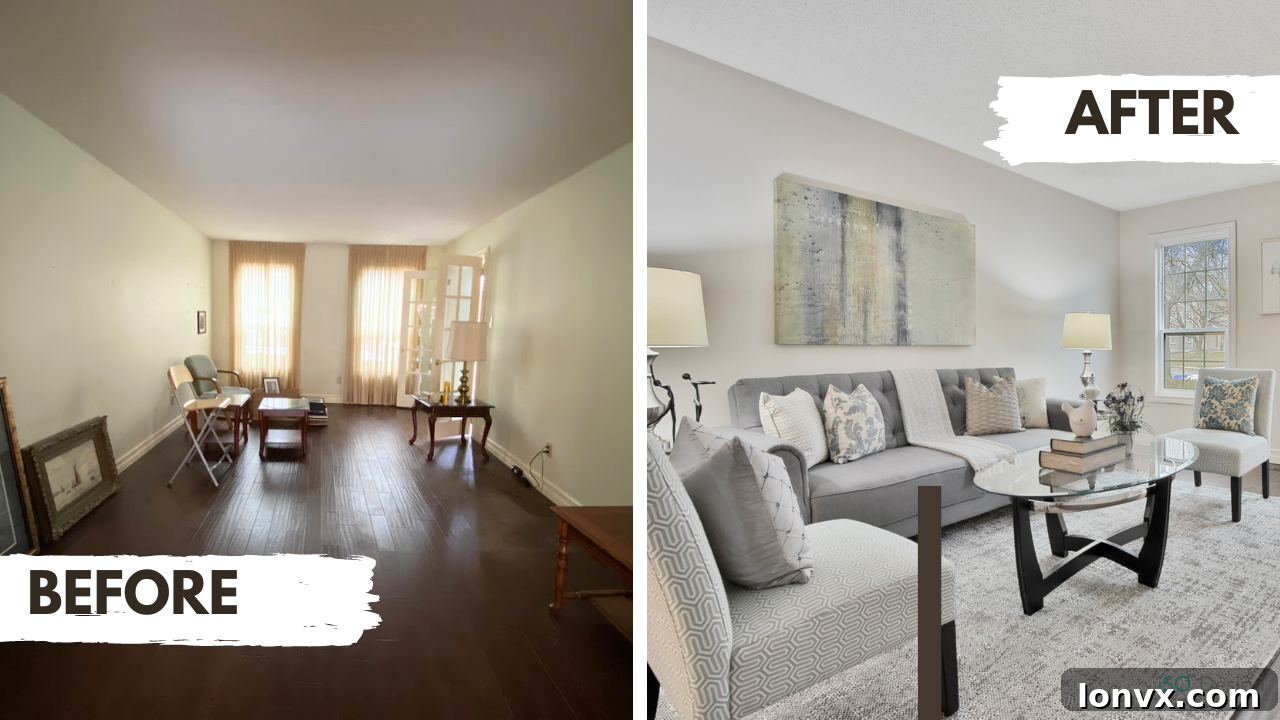
The most impressive aspect was not just the speed of the sale, but also the financial return. The home not only sold swiftly but commanded a price significantly above both its asking and estimated market value. This compelling success story powerfully underscores the transformative potential of effective staging, showcasing how expert knowledge, strategic design, and a focus on staging as a powerful marketing tool can yield truly outstanding results and substantial returns on investment. It unequivocally proves that staging is an essential component for maximizing a property’s market performance.
In essence, while staging might initially appear as an additional expense, it is, in reality, a critical investment that can dramatically impact the speed and profitability of your sale. By fully grasping the intricate details and the undeniable value that professional home staging brings to the table, you will see that the costs are frequently justified and directly contribute to a more lucrative and timely sale. Remember, the goal is not merely to sell a property; it’s about selling a dream, a desirable lifestyle, and a future that potential buyers can immediately envision for themselves.
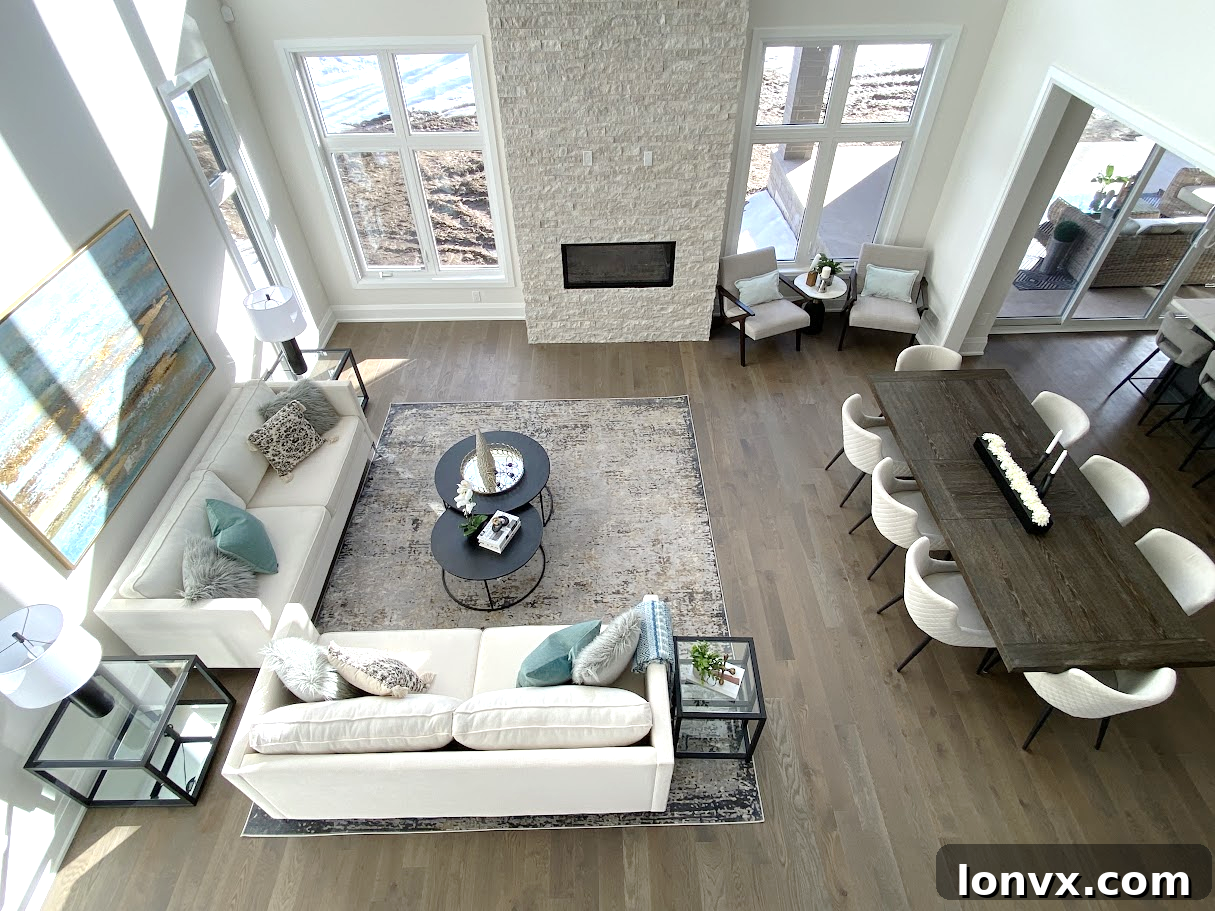
The Cost of Inaction: How Listings Fare Without Home Staging
Choosing not to invest in professional home staging can impose significant financial and emotional costs on homeowners. When a property is presented to the market without the benefit of expert staging, it often faces several disadvantages that can prolong its sale and diminish its value.
Unstaged homes frequently languish on the market for extended periods. This prolonged market time directly translates into increased carrying costs for the seller, including continuous mortgage payments, property taxes, homeowner’s insurance premiums, utility bills, and ongoing maintenance expenses. These accumulating costs can quickly erode any perceived savings from not staging. Furthermore, unstaged properties often fail to make a strong first impression, leading potential buyers to perceive them as less desirable or requiring substantial work. This negative perception frequently results in lower offers, with buyers leveraging the property’s lack of appeal to negotiate significant price reductions.
Beyond the financial implications, the emotional toll on sellers dealing with a property that sits on the market for months, coupled with the uncertainty of securing a good offer, cannot be overlooked. The stress, anxiety, and frustration can be immense. Additionally, there’s a significant opportunity cost: by not maximizing a property’s potential through staging, sellers risk losing out on a broader pool of potential buyers who might have been swayed by a well-presented home. This can lead to missed opportunities for higher bids and quicker closings, ultimately costing the seller more in the long run than the initial investment in staging. Essentially, refusing to invest in staging can cause substantial financial losses, prolonged stress, and missed opportunities in the competitive real estate market.
The Evolving Homebuyer Behavior: Why Staging is Non-Negotiable Today
Over the past decade, homebuyer purchasing behavior has undergone a profound transformation, rendering home staging an increasingly crucial, if not essential, component of the selling process. This shift is multifaceted and driven by several key factors:
- The Digital Age and First Impressions: The vast majority of property searches now begin online. High-quality, professionally shot photographs and virtual tours of a staged home are paramount. These visuals create the critical first impression that determines whether a buyer will even bother to visit the property in person. An unstaged, cluttered, or dated online presence will quickly be scrolled past.
- The Power of Emotional Connection: Buyers are not just looking for a house; they are searching for a home – a place where they can envision their future and build memories. Staging crafts an environment that evokes positive emotions and allows buyers to form an immediate, personal connection with the space, making it feel like “theirs.”
- The HGTV and Social Media Effect: Modern buyers are highly influenced by design trends showcased on popular home improvement shows and platforms like Pinterest and Instagram. They arrive with elevated expectations for aesthetics and functionality, seeking homes that are visually appealing and move-in ready. Staging helps meet these contemporary expectations.
- Need for a Competitive Edge: In most markets, there is significant competition among properties. Staging provides a distinct competitive advantage, making a home stand out from others that may be similar in size, location, or price but lack the polished presentation.
- Emphasis on Space and Functionality: Staging highlights a property’s optimal use of space, demonstrating its functionality and potential. It helps buyers understand how each room can be utilized, making smaller spaces feel larger and awkward layouts more intuitive.
- Neutralizing Personal Styles: Buyers struggle to see past a seller’s personal taste, clutter, or decor that doesn’t align with their own. Professional stagers expertly depersonalize a home, creating a neutral, broadly appealing canvas that allows a wider range of buyers to project their own visions onto the space without distraction.
All these factors collectively contribute to the changing landscape of homebuyer behavior, unequivocally making home staging an essential component in securing a successful and profitable sale in today’s real estate market. It’s no longer a luxury but a strategic necessity.
Get the latest real estate articles in your inbox 3x week so you stay up to date on the latest in the Canadian real estate industry